


Flooding can happen anywhere and places that are far from rivers or coasts can still experience floods. So, flash floods can happen in all 50 states. That’s why it is the most common natural disaster in the United States. It can occur at any time of the year, not only during the rainy season.
In today’s article, we will share top 10 ways to prevent flooding and protect your home from water damage. These methods are easy to follow and highly effective to stay safe during heavy rain too.
10 Methods To Prevent Flooding
Flooding can damage your home and property in a very short time. Heavy rain and poor water flow can all lead to serious problems. That’s why you need to take simple steps to lower the risk of flooding. Below are some useful flood protection solutions that you can follow to keep water away.

1. Install Water Sensors or Flood Detection Systems
With a water detection system, you can find leaks and rising water before serious damage. You can install sensors and alarms that warn you about leaks or water inside your home or business. These small devices send alerts when they detect water in places where it should not be. You can place them near basements, pipes, water heaters, sinks or washing machines.

2. Maintain & Clean Downspouts / Gutters
You should keep gutters and downspouts clean all the time. Dirt and small sticks can block them easily. When gutters get blocked, rainwater overflows and can fall near your home’s walls or foundation. This can lead to flooding plus water damage. You must check and clean them regularly to keep rainwater flow away from your home in a safe way.

3. Add and Regularly Test Your Sump Pump
You can use a sump pump to remove water from your basement or low areas around your home. It moves extra water away before flooding starts. If you already have a sump pump, you should test it to make sure it works properly. Because a broken or weak pump can fail during heavy rain when you need it most.

4. Clear Debris From Drains and Ditches
You should keep drains and ditches clean at all times. Mostly, the leaves, mud, debris and trash can block the water flow. In this case, water starts to collect and can flood your home or yard. If you live in a tree-heavy area, you must rake your yard regularly. It’s also important to check drains after storms or heavy wind. If you spot any blockage, you should remove it right away.
5. Install Flood Safety Barriers
The installation of flood safety barriers is one of the most effective methods to protect your home from flooding. These barriers stop water from entering your house. You can choose different types based on your needs.
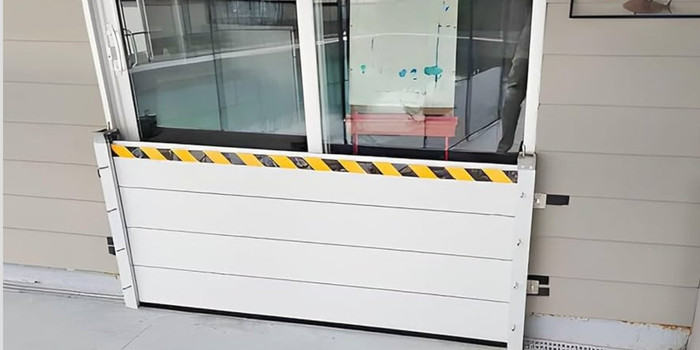
Flood Barriers: A demountable or removable flood barrier is a temporary flood protection system. You can place it over entry points such as doorways, driveways or loading docks when flooding is expected. If you need a self-activated flood defence system, an automatic flood barrier is the best option for you.

Flood Gate: You can install flood gates to block water entry in areas like doors or low openings.

Water Activated Flood Barrier: These barriers expand or activate when they touch water. It offers a modern and space-saving alternative to traditional sandbags.

Flood Doors and Flood Panels: You can use strong flood boards or panels to cover doors and protect your property from water.

Inflatable Flood Barrier: An inflatable flood barrier is also known as a water-filled dam. It is a portable and reusable flood control system that is perfect in case of heavy rain.
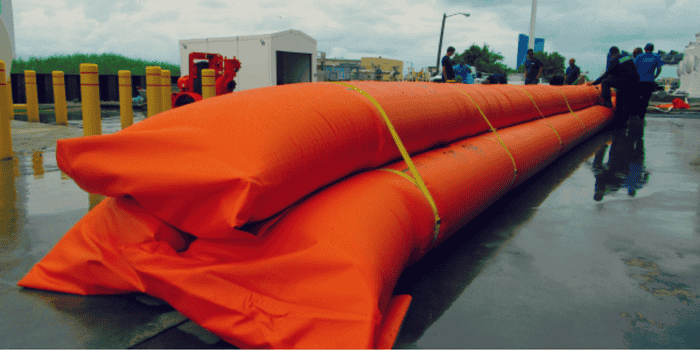
Door Flood Barrier (Garage Door Flood Barrier): You can place these barriers in front of doors, garage doors or driveways (driveway flood barrier). They stop water from entering these wide openings.
6. Improve Grading and Drainage Around Your Home
For maximum flooding protection, you have to make sure the ground around your home slopes away from your house. So, the rainwater flows away instead of collecting near your walls. You can consider soil and sod to improve the grading.
Our recommendation is to also add simple drainage channels to guide water out of your yard. Good grading and drainage keep your home safe from flooding.
7. Backup Systems and Use Backflow Control Valves
It’s a very effective step to always have a backup system for your drainage or sump pump. This will be useful for you during power cuts or heavy rain when the main system fails. A backup pump keeps water moving out of your land. You should also install backflow control valves.
These valves stop dirty water entry into your home through pipes. Together, these systems protect your building from sudden flooding.
8. Check & Seal Your Basement Windows
For maximum safety, you should check your basement windows for cracks and gaps. Because the water can easily enter through small openings during heavy rain. You must seal all cracks with waterproof sealant to block leaks.
If your basement faces frequent flooding, you can also use a basement flood barrier to block water at the window or entry points. Flood vents are also effective to let water flow through safely and reduce pressure on your walls. If your windows are old, you can replace them.
9. Inspect and Upgrade Drains
You should check drains to make sure they work properly. Old or blocked drains cannot carry water away fast, which can cause flooding. Also clean them regularly and remove any dirt or waste. If drains are small or weak, you should upgrade them to stronger ones. Furthermore, if drains don’t have one-way (backflow) valves, you need to ask a licensed plumber to install them.
10. Keep Sandbags Nearby
You should always keep sandbags ready at your home during the rainy season. Further, you can place them near doors, garage entries plus low areas to block water quickly. Sandbags are easy to use and stop water from entering your house.
However, you can also use the tiger dam flood barrier as an alternative to sandbagging. You should store them in a dry place, so they stay ready when you need them.
To Summarize
This is the most common and effective method that you can follow to get maximum protection from flood damage. Modern homes now use waterproof sealants and raised foundations to stop water. If water enters the property, wet floodproofing reduces damage with the use of water-resistant materials.
If you want premium flood barriers, we are here to help you. JACKWIN offers a variety of safety barriers such as L-shaped flood barriers and flip-up flood barriers. All our product range is available at factory prices. Contact us today!


