

-80x69.png)
Before you start any construction task, the strength of soil decides the success of entire project. Because due to weak ground, structures can fail over time.
Today, you will learn what soil compaction means and how it keeps your building base strong. Our team will also tell you different soil compaction methods and compactors which you can use.
What is Soil Compaction?
Soil compaction is the method by which you press soil particles tightly together. This process reduces air gaps and makes the soil stronger. In construction, a soil compaction technique creates a stable base for buildings, roads and other structures. In this way, it prevents soil from shifting or not changing its place later.
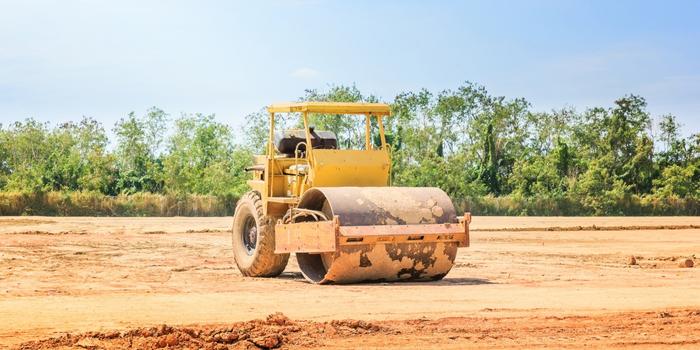
Soil Compaction For Residential Construction
When you build a house, then compaction of soil is the first step. It makes the ground solid and ready to support building structure. If the soil is loose, your home may face problems such as uneven floors or wall cracks.
Soil Compaction For Commercial Construction
Buildings like offices or malls are heavy and need strong ground support.. The soil compaction increases the structure load-bearing capacity. It also prevents future issues. For example: floor damage or foundation failure. With this step you can make your commercial structure stay safe and stable for a long time.
Soil Compaction Process
The soil compaction process involves many simple steps. First, you should test the soil to know its type and moisture level. Then, you need to spread the soil in layers and compact each layer with rollers or compactors. You have to continue this pressing process until the ground gets its required density.
Methods of Compaction of Soil – Types of Soil Compaction
There are different methods you can use to compact soil. Each technique works best for a specific type of soil and project.
-
Impact
The impact method involves compaction of soil by dropping a heavy weight (heavy steel rammer) on the ground repeatedly. This continuous force pushes the soil particles closer together.
With this method, you can compact different types of soils such as coarse, granular soils clay and silt. Also, you can use impact compaction in trenches and small areas.
-
Vibration
Vibratory compaction method uses vibrating rollers or plate compactors. With these tools, you can apply both weight and vibration to the soil. It works well for many soil types including clay, silt, sand and gravel.
Plus, you can use it for compaction of subgrades, embankments, backfills and also for asphalt and paving materials during road construction.
-
Pressure
The pressure method compacts soil by applying direct force by the use of rollers or heavy machines. This pressure presses the soil particles together, which makes it denser and stronger.
It is mostly used for cohesive soils such as clay and silt (especially in road and foundation work). You can also use pressure soil compaction in building foundations, road bases as well as large construction sites.
-
Kneading
In the kneading method, you press the soil by a mix of pressure and twisting motion. This action will move the soil particles into tighter positions. As a result, you will see air space gaps are reduced.
It gives the soil a strong and uniform structure. However, the kneading is mainly used for clay soils with the help of sheepsfoot rollers.
Application of Soil Compaction
You can use the soil compaction method in many construction works to make the ground strong and stable. Because, it has a main role in creating a safe base for different types of structures. Below are its major uses.
- Road Construction & pavements
- Building foundations
- Embankments and dams
- Runways and railways
Effects of Soil Compaction in Construction
In your construction projects, soil compaction affects both the short-term and long-term performance of a structure. When the soil is well compacted, it can easily support heavy loads like buildings and road bridges. Hence, It can also control water movement in the soil, which reduces problems like erosion or waterlogging of soil.
On the other hand, poor compaction can cause cracks, uneven floors as well as foundation failure. That’s why compacting soil properly is one of the most important steps for you before any major construction work.
Types of Soil Compaction Equipment
There are different types of compactor machines which you can use to press soil.
- Smooth rollers used for the compaction of flat surfaces.
- Tamping foot rollers are best for compacting clay soils.
- Padfoot roller is Ideal for cohesive soils pressing.
- Vibratory plate compactors are suitable for small and tight areas.
- Jumping jack compactors are great for trenches and narrow spaces.
- Pneumatic tire rollers are mostly used for asphalt and granular soils.
Factors Affecting Soil Compaction
The quality of soil compaction depends on many factors. You must know the following points to get strong and even soil for construction.
- Soil Type
- Moisture Content
- Method of Compaction
- Layer Thickness
- Type of Equipment
- Initial Soil Density
- Number of Passes
- Temperature
- Stone Content
Why is Soil Compaction Important?
- Soil compaction makes your building foundation strong and stable for construction.
- Better compacted soil supports heavy loads such as roads and bridges.
- With a soil compaction method, you can reduce soil movement over time.
- It also prevents cracks and damage in pavements and floors.
- This technique is useful for you to improve drainage and reduce water erosion problems.
- Plus, it increases the lifespan of roads, runways and other structures.
How Do You Measure Soil Compaction?
With different soil compaction testing methods, you can check how tightly the soil is packed when dry. Below mentioned techniques follow ASTM (American Society for Testing and Materials) standards to make sure quality and safety requirements.
Sand Cone Method
At the site, you can use sand cone apparatus to check the moisture and density of soil. You need to dig a small hole. Then, use volumeter apparatus to fill the hole with sand in a controlled way. After that, you can send the dug-out soil and leftover sand to a lab for testing.
This method is budget friendly and also gives you accurate results. However, it may take more time than other tests and works best with special types of soil only.
Nuclear Gauge Method
To test soil with a nuclear gauge, you need to place the machine on the spot you want to check. You can use direct transmission and insert the rod into a small hole. The option of backscatter is also best when you want to test without inserting the rod into soil.
The gauge will collect two readings. For example: one for moisture level and other for wet density. Then, the device calculates the soil’s dry density automatically. Finally, you can compare this value with lab results to see if the soil has 90 – 95% of its maximum dry density.
Proctor Compaction Method
To find the best moisture for soil to achieve maximum density, you can use the proctor method in a lab. In this technique, you have to pack soil into a mold in layers. Then, you can hammer each layer a set number of times.
This test will show you how soil behaves with different moisture levels. In this way, you can choose the ideal moisture for the compaction of roads or foundations.
Soil Compaction Problems and Solutions
When you do improper soil compaction, it can cause many issues in construction. For example: loose or uneven soil may lead to cracks in foundations or pavements. It also creates poor drainage problems. On the other hand, over-compaction can also make the soil too hard and reduce water absorption. It directly affects plant growth or surface stability.
Solutions:
- Must perform soil compaction test
- Choose right compaction method & equipment
- Avoid over compaction
- Control number of passes
- Maintain the correct moisture content
- Compact soil in layers
We Have Answers To Your Questions
What Does it Mean To Have 95 Compactions?
It means the soil is compacted to 95% of its maximum dry density. This is a common standard you should follow for safe and stable foundations.
Should You Compact Soil Before Pouring Concrete?
Yes, you must compact the soil before pouring concrete. It will make the ground firm and reduce the risk of cracks. In this way, you will get a strong and stable base for your concrete structure.
What is the Required Soil Compaction Depth in Construction?
The soil is generally compacted in layers of 6 to 12 inches for most construction work. For shallow areas like foundations, you only need to compact the top 12 inches of soil. However, the depth range varies according to the soil type and the construction project.
What is the Ideal Moisture Content For Compaction?
The suitable moisture for compacting soil is called the optimum moisture content (OMC). Sandy soils mostly need less water (around 7 to 12%), while clay and silt require more (approximately 12-25% or higher).
Wrapping It Up
So, if you want a strong and durable structure, proper soil compaction is a must. We also suggest you use the right equipment and follow the correct compaction steps for the best results.
If you need more details, you can message our team. Our experts will guide you and provide all types of construction machinery for your construction work.


