

-80x69.png)
When you think of a city, you may imagine big highways and modern expressways. But there are many other roads that maintain traffic on these highways & main streets. One of them is an arterial road. Therefore, you can read this article to learn about arterial road meaning and its classification.
What is Arterial Road or Arterial Thoroughfare?
Arterial roads are the main roads in a city that carry you from one big city to another. Simply, these are long routes made for your longer trips. You will often find these roads clearly marked and well designed. If you are on an arterial road, you cross busy cities with fewer stops.
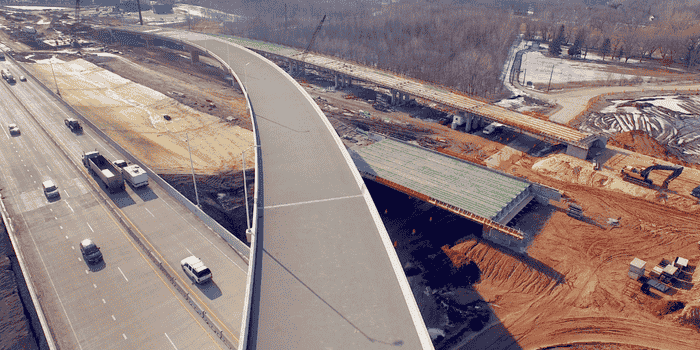
Arterial Road Example
You will often see these roads in well-structured cities. For example: Mildred Road in Cortez, Colorado. It is a major street that is designed to handle a large volume of traffic. Some other examples are HWY 145 and HWY 160 arterial roads.
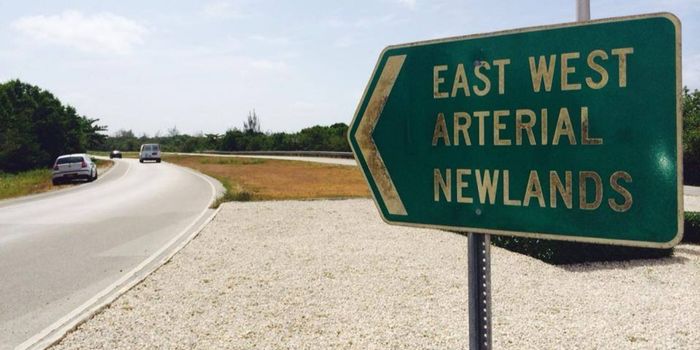
Arterial Road Sign
An arterial road sign shows that you are moving toward a main route of the city. Therefore, you have to be very careful. There is not a standard shape and design of arterial road signs. But generally, you may spot a black arrow that tells you the exact direction. Moreover, a bold black “Arterial Road” is also written on it.
Arterial Road Classification
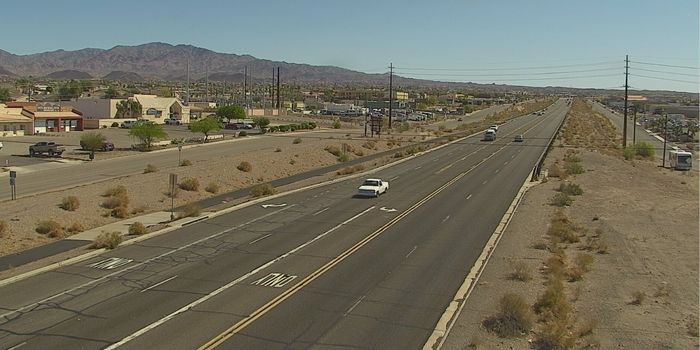
Principal Arterial Road
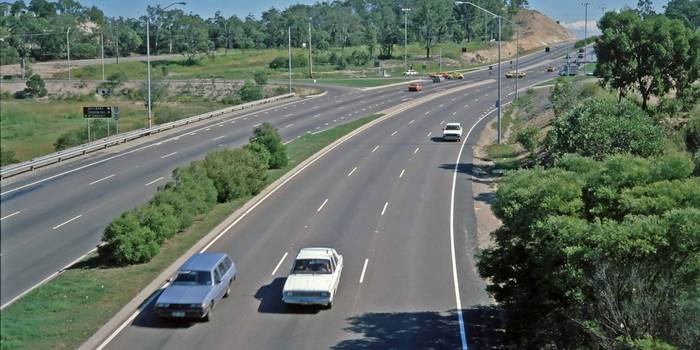
This type of arterial road has two lanes on each side. Some of them also keep space in the middle for one more lane. This extra lane gives you extra space in heavy traffic. Basically, the width of this road is 35 to 60 meters. But, you get limited entry points because the junctions are placed at a distance of about 1 km.
Secondary Arterial Road
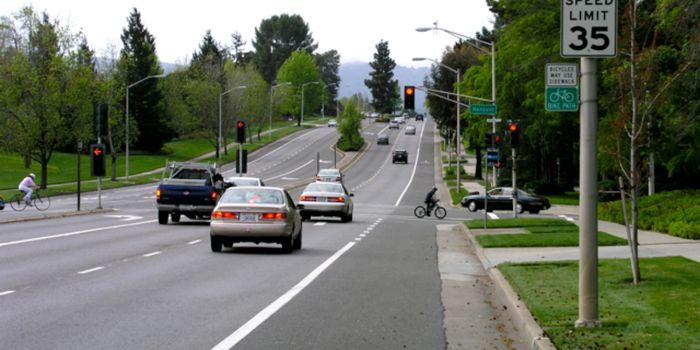
Secondary roads work as a major route for you but at medium to high speed vehicles. This road has a width of 20 to 40 meters. You may also face heavy vehicles on it. You often spot the junction or intersection at a distance of Approx. 200 meters.
Sub Arterial Road
Specifically, your sub arterial road connects local streets to principal arterial roads. In simple words, It carries medium traffic between nearby towns and villages toward your cities. You might observe that these roads are a bit smaller than arterial roads but still have wide space. Moreover, when you use these roads, main roads face less traffic jams.
Minor Arterial Road
You will often find less space on this type of road. But when you combine it with principal arterial roads, it covers 15% to 25% of the total street system. This thing tells you that it has great importance in internal city travel. You can drive on it in case of light to medium traffic.

Rural Arterial Road
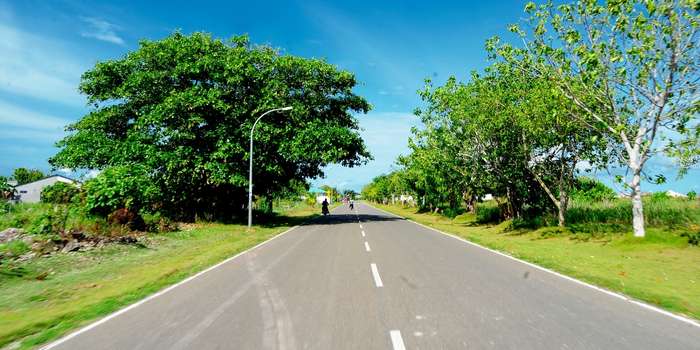
As its name suggests, these roads mainly come from rural areas. And connect them with major cities for your ease. In other words, It is the main road in a rural transport network which handles long distance travel. Furthermore, these roads carry more traffic and allow you a higher speeds than a local or collector road.
Urban Arterial Road
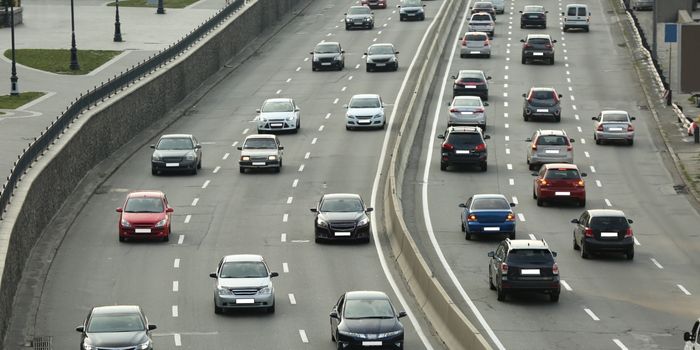
Mainly, this road is designed for single city connections. Therefore, you reach your business centers, markets and hospitals fastly. But it does not provide you a long route to other cities. Urban arterial form the backbone of a city’s transport system. The reason is that it is connected with highways and expressways.
Arterial Road Design
Arterial roads are designed in such a way that you can easily drive your car on them. Therefore, you get multiple lanes from 8 to 2 lanes. There are fewer intersections on these roads. Because they are designed for long way drives. You also find a free median space between two lanes.
These roads also have footpaths, drainage lines and proper street lights. In big cities, you will find traffic signals at intersections to minimize car accidents.
What is Arterial Road Speed Limit?
If we talk about the speed of arterial roads it is not the same everywhere. You find different sign boards of speed limits on different sites. Basically, this type of road allows you a higher speed.
In some cities, the limit stays around 40 to 50 km/h. But on the other side few major national arterial roads may go up to 100 km/h.
Benefits of Arterial Roads
- As you know, arterial roads are designed to handle large volumes of traffic from small streets. So, you get a good flow of traffic all over the city.
- You become easily connected with central hubs like markets, hospitals, schools and industrial zones.
- You get a good road that is designed for your long way drives.
- You can travel safely as these roads have clear signs, wide lanes and signals.
- It also cuts down the consumption of fuel and produces less pollution.
- You get better public transport because these roads often include bus lanes and bus stops for smooth service.
Arterial Road vs Collector Road
| Top Features | Arterial Road | Collector Road |
| Primary Function | Best for long distance travels between major cites | This collects traffic from your local streets |
| Traffic Volume | This road carries large volume of vehicles | It handles a moderate amount of traffic |
| Speed | You could drive at higher speed | Designed for moderate speed |
| Entry Points | You will get less entry points to join the road | There are multiple options to connect from local streets |
| Connection | It connects highways, sub arterial and collector roads | It work as a middle link between local road to arterial roads |
Final Thoughts
We are sure now you have recognized the role of arterial roads in your daily life. You should build them according to the needs of your specific area and city. In addition, you must place safety sign boards and paint road markings to make them safe.
FAQs
How to Identify an Arterial Road?
You can identify an arterial road by its design. For example: wide lanes, traffic signals & high volume of traffic.
How Do Arterial Lanes Impact Safety?
Actually, its wider lanes reduce the risk of collisions and accidents. Because it has bigger space to drive, proper sign boards and few connections with local streets.


