

-80x69.png)
In 2023, Global Road Safety Report highlighted high traffic deaths worldwide. In the same year, WHO also provided data which show 1.19 million people die in road accidents each year. But, this death rate decreased by 13% in 2025 due to traffic control devices.
Hence, you must know about major road safety equipment, so you can properly follow them and stay safe while driving.
What is Traffic Control Device?
Traffic control devices or traffic control equipment are physical and visual tools. They are used to guide traffic to make the movement safe on roads. The performance of these devices depends on many factors such as cost, setup time, visibility, road conditions and OSHA rules.
These devices tell you when to stop, move or slow down your vehicle. You can see them at intersections, highways, roundabouts and work zones. Their main goal is to manage traffic flow and prevent you from accidents.
4 Types of Traffic Control Devices
Traffic control devices are divided into four main types. Each one is helpful for you to know road rules and stay safe.
- Regulatory Devices: These devices show you road rules that you must follow. They control actions like stopping or speeding.
- Warning Devices: Warning devices alert you about possible dangers or changes on the road. They are useful for you to stay careful and adjust your driving in time.
- Guide Devices: With these types of equipment, you can find directions and reach your destination easily. They give information about routes, distances, locations and nearby places.
- Control Signals: Control signals manage the movement of vehicles and pedestrians. They use lights or symbols to tell you when you have to stop, go or wait.
Traffic Control Devices Examples
You can see many traffic control devices on roads every day. Their main goal is to control traffic and provide you clear directions.
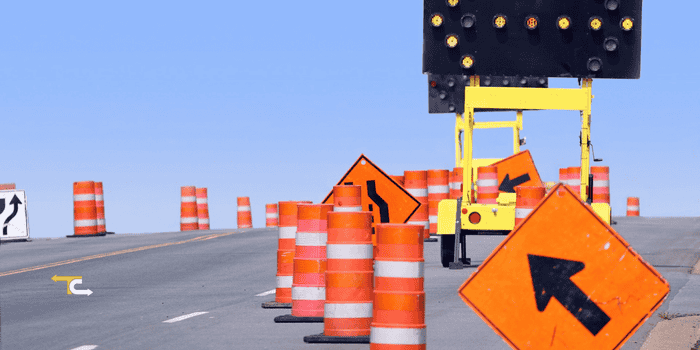
Traffic Cone
Traffic cones are bright orange devices, but they are also available in a wide range of colors. They are installed to guide you and control traffic. Generally, you will see them on roads during maintenance or construction work. Due to their color and reflective bands, you can easily spot them (even at night).
You can get direction by traffic cones to stay alert and avoid unsafe areas. You will also find cones in parking lots or events where they manage vehicle movement. They are lightweight, so you can move them easily. Further, you can use them for temporary traffic control.

Barricades
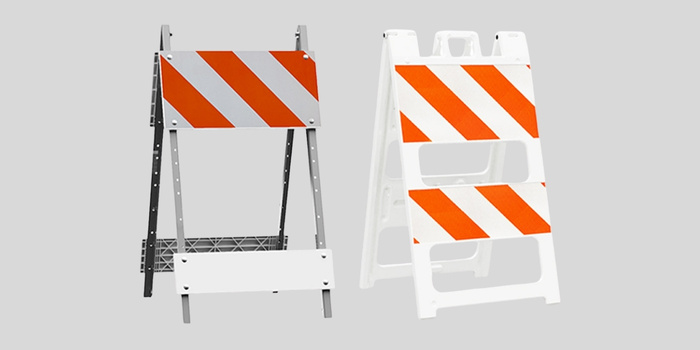
Traffic barricades are strong barriers used to block or guide traffic. You can see them at road closures, construction zones or accident areas. Their major purpose is to keep you away from restricted or dangerous situations.
Most barricades have bright colors and reflective strips for clear visibility. Moreover, you will spot some that are made of plastic and filled with water or sand for stability. They have an important role for the safety of both drivers and workers on roads.
Traffic Signs
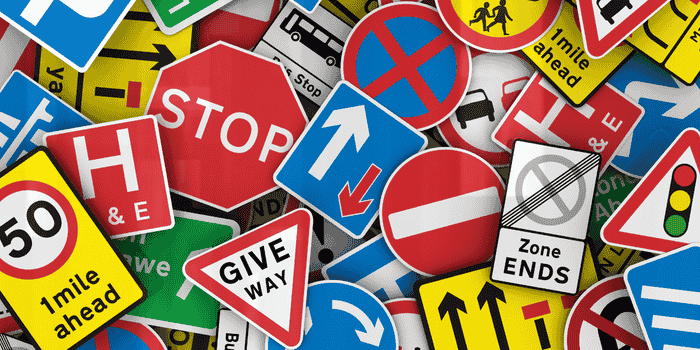
Traffic signs are placed to tell you what to do, route rules, warn you about dangers and guide you to your destination. You can see them on every road like on highways and city streets.
Common examples include stop signs, speed limit signs, pedestrian crossing signs and warning signs. They are designed with various bright colors and symbols accordinging to MUTCD standards. These signs reduce your confusion and make roads safer for everyone.
Traffic Message Boards
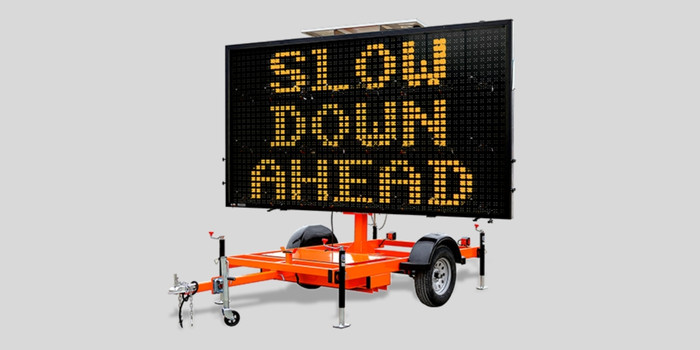
Traffic message boards are electronic signs. These boards display important road information. You will see them on highways or near construction zones. They show you messages about road closures, hazards, delays or weather conditions.
With these displays, you can plan your route and drive safely. The bright LED lights make the messages clear and visible to you from a distance.
Traffic Signals
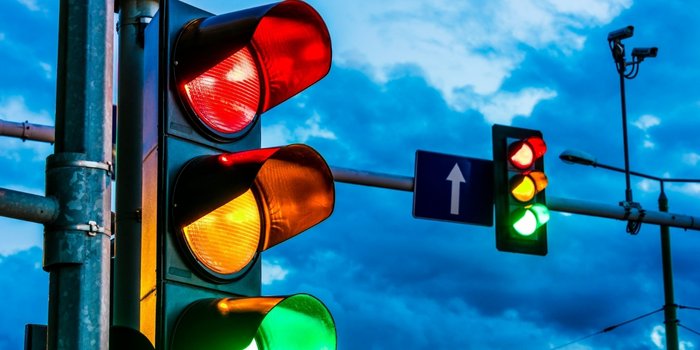
Traffic signals are most commonly used devices to control the movement of vehicles and pedestrians at intersections. You will notice red, yellow and green lights, which manage traffic flow. For example: you have to stop on red, get ready on yellow and go on green. Basically, they work automatically or are sometimes controlled by traffic officers. Below are some examples of traffic signals.
- Portable Traffic Lights (movable signal systems)
- Pedestrian Signals (guide people cross roads safely)
- Portable Light Tower (installed on construction site or in emergency situations)
Beacon Lights
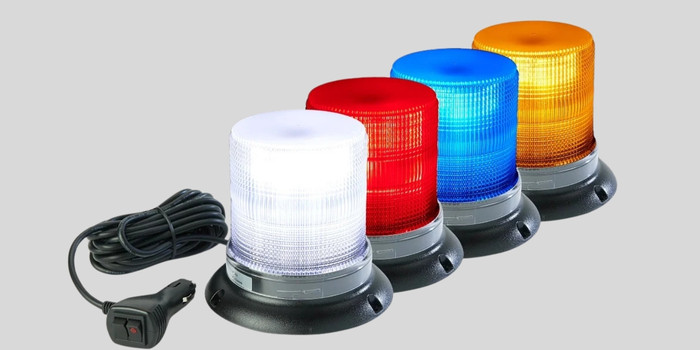
Beacon lights are flashing warning lights. Traffic authorities place these lights to alert drivers and pedestrians. Usually, you will find them on top of traffic poles, emergency vehicles or near pedestrian crossing & roadwork areas.
Their bright colors such as red, yellow or blue make them easy to spot from a distance. These lights warn you to slow down or stay alert in risky zones.
Road Markings
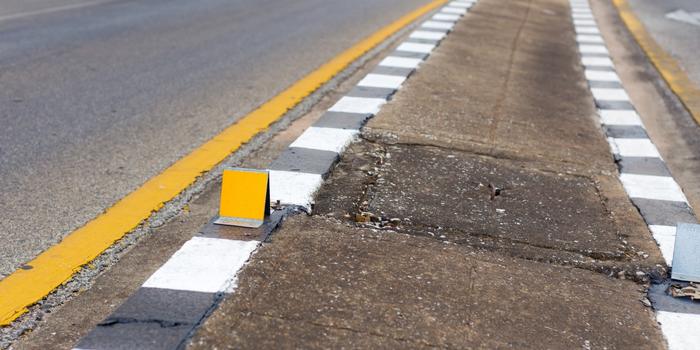
Road markings are also considered as traffic control devices because they guide and control road users. Some common examples include lane lines, arrows, pavement/curb markings and pedestrian crossings. These road lines give you clear visual messages without using signs or signals.
Speed Bumps
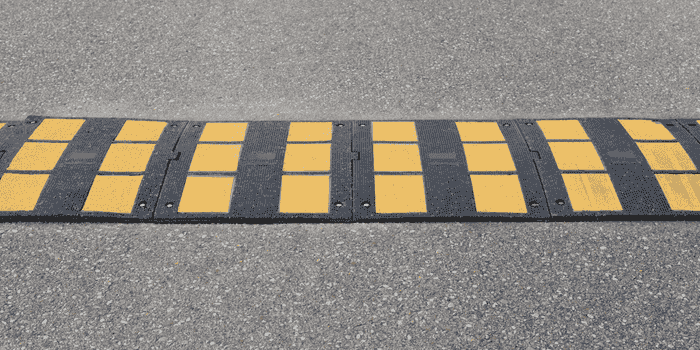
Across roads, you will notice raised sections called speed bumps. They are built to slow down vehicles. You often see them in parking lots, cross walks, residential areas and near schools.
They remind you to drive carefully and reduce your car speed for safety. Speed bumps are generally painted in bright colors or have reflective road marking tapes or reflective glass beads for visibility.
Barriers and Fences
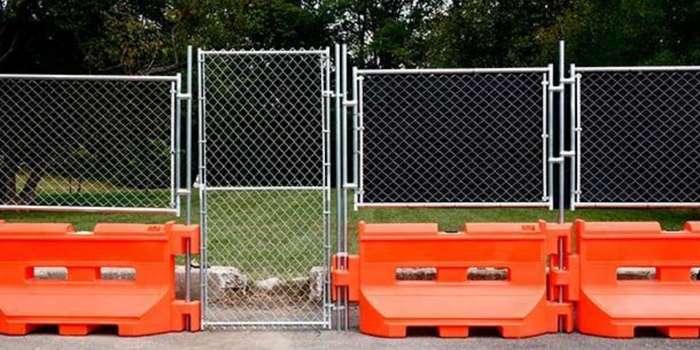
Barriers and safety fences are used to block or guide traffic in specific areas. You will see them on highways, construction sites, pedestrian areas or around restricted zones. They prevent vehicles from entering dangerous areas and protect pedestrians. Some are made of concrete, metal or plastic, while some have reflective strips for visibility.
Temporary Road Signs
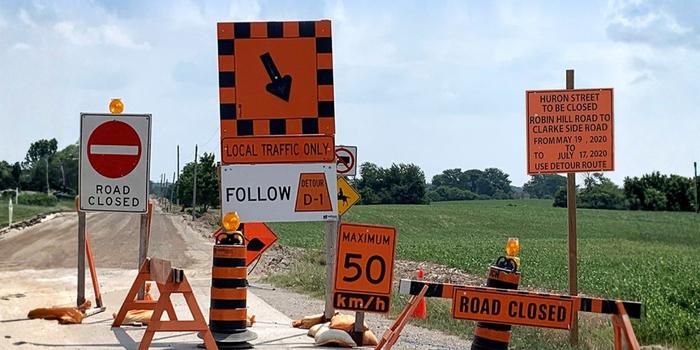
Temporary road signs are used to give drivers important instructions, but for a short period. They provide you with information about changes, lane closures, emergencies, or work zones.
Road Bollard
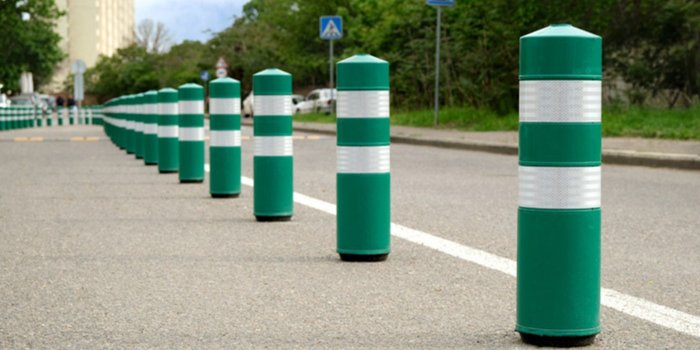
Well, road bollards are short and strong posts that are placed along roads or sidewalks. They guide traffic, protect pedestrians, improve traffic flow and stop entry of vehicles from restricted areas. Many bollards have reflective strips, so you can easily spot them at night.
Intelligent Traffic Systems
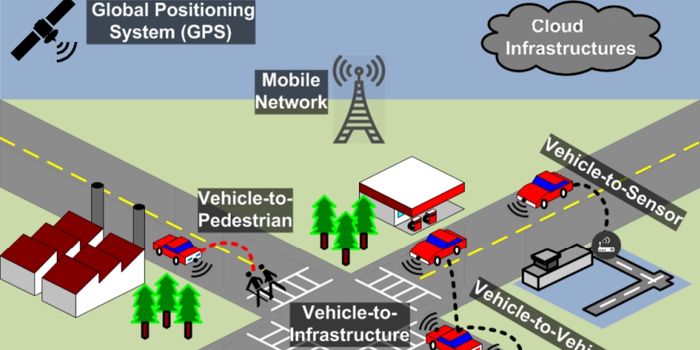
It is a smart system which manages vehicles on the road with modern technology. This system uses sensors, cameras plus smart signals to control traffic flow. These types of devices can reduce congestion and improve road safety. It also provides real-time information to drivers about traffic conditions and delays.
Portabooms
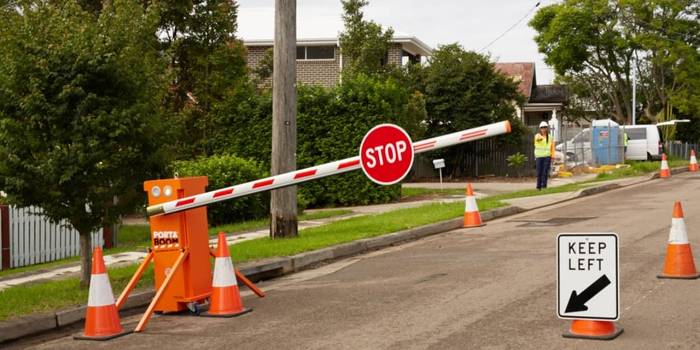
Portabooms are portable and remote-controlled gates which you can use to control traffic temporarily. They replace manual methods and promote safety for traffic controllers. These gates block vehicles and protect work areas during roadworks or construction. You can raise or lower them to allow or block vehicles as per requirements.
Pedestrian Hybrid Beacons
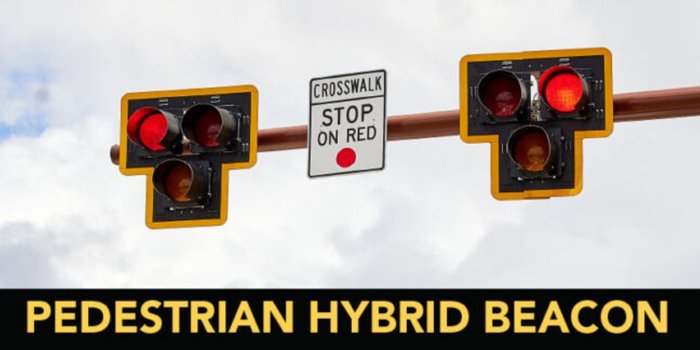
If we talk about pedestrian hybrid beacons, these are special traffic signals which assist people cross roads safely. They stay off until a pedestrian presses a button to cross. Then, the lights flash to stop vehicles and let people walk.
Traffic Attenuators
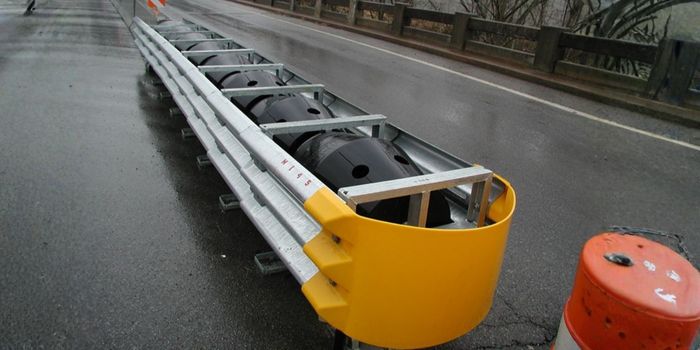
Traffic attenuators are safety devices that you can use to reduce the impact of vehicle collisions. You will spot these tools in front of barriers, construction zones or fixed objects on roads.
When a vehicle hits them, they absorb energy and slow it down to prevent serious damage. These devices protect both drivers and workers in work areas.
Are Crosswalks Traffic Control Devices?
Yes, crosswalks are also considered traffic control devices. The reason is that they guide pedestrians on where to safely cross the road. You can mark crosswalks with lines, symbols or even lights. The purpose of these safety devices is to warn drivers where to stop & slow down vehicles for people walking. Majorly, you will spot two types of crosswalks.
- Controlled Crosswalks
- Uncontrolled Crosswalks
What is Obedience To Traffic Control Devices?
Traffic control devices obedience means you have to follow road rules, which are regulated by signs, cones, signals, and road markings. Because, it keeps you and others safe on the road. If everyone obeys, traffic flows smoothly and accidents are reduced. For example: when you stop at red lights, follow speed limits and react to signs, it will promote the safety of everyone around you.
What is a Traffic Control Device Violation
When you ignore or break the rules shown by different traffic control devices, this is called a violation. This includes actions such as over speeding, not stopping a car when you see a stop sign or avoiding traffic light instructions etc. If you break these rules, it can be dangerous and may result in fines.
Traffic Control Devices Ticket
A traffic control devices ticket is an official notice issued by authorities when you are breaking traffic rules. It usually includes details of the violation, the fine, deadline to pay and instructions for payment or appealing it.
How To Fight Disobey Traffic Control Device?
It means legally challenging a ticket or penalty you received for not following traffic control devices rule. For this, you must provide evidence or reasons why you should not be fined.
- Read the ticket carefully.
- Gather evidence like take photos and note the exact location.
- You need to get witness names and contact info.
- Must check the ticket for appeal instructions and deadlines.
- Then, you can talk to a traffic lawyer or go to the local traffic court to present your evidence.
Uniform Traffic Control Devices MUTCD
MUTCD is the national standard or set of rules for all traffic control devices. The Manual on Uniform Traffic Control Devices is regulated by the Federal Highway Administration (FHWA). It tells you what shapes, colors, dimensions and symbols you can use for each device.
- Only authorized officials can install traffic control devices.
- The color and shape of safety devices should be easy to spot from a distance.
- Lines and symbols on roads must clearly show lanes and directions.
- For traffic signs, you can use red for stop or prohibition, yellow for warning plus green for guidance.
- You must maintain devices regularly to make sure they work properly.
People Also Ask
Who is Responsible For Traffic Control Devices on Private Property?
On private land, the owner or manager of the property is responsible for traffic control devices. They must install, maintain, follow standards and make sure the devices are clear and safe for everyone.
What is the Basic Color For Various Traffic Control Devices?
Traffic control devices use many colors to give clear messages. Generally, red is used for stop, green shows directions, yellow is used to provide a warning, and orange is for construction.
How Often Should Traffic Control Devices Be Cleaned?
To keep road safety equipment visible, you should clean them regularly. The signs, signals and markings must be free from dirt or dust. Proper cleaning is helpful for drivers and pedestrians to see and follow traffic rules safely.
Are Flaggers Considered Standard Traffic Control Devices?
No, flaggers are not official traffic control devices. Because they are people, not physical or visual tools like signs & signals. Their job is to direct traffic in work zones or emergencies with the help of different traffic safety tools.
Which is Probably the Most Easily Recognized Traffic Control Device?
The traffic light is one of the most easily recognized traffic control devices. Its red, yellow and green lights clearly tell you what you need to do for safe driving. You can quickly understand its signals and make roads safer.
Final Thoughts
As a final observation, traffic control devices have a major role to keep your road & workzone safe. So, we suggest you always select durable devices that meet official safety standards.
If you are looking for a professional manufacturer and supplier of traffic control devices, you can contact us today! Our engineering team can also customize traffic signs, barriers, signals and other safety products according to your requirements.


