

-80x69.png)
For tall buildings or large sites, manual placement of material can be slow and sometimes risky for you. Concrete pumps solve this problem by delivering concrete quickly and safely.
In the market, there are many types of concrete pumps available. So, you must be aware of concrete pump types to know which is suitable for your construction needs. That’s why we have prepared this simple article to explain it clearly.
Major Concrete Pump Types
There are several concrete pumps and each one is made for a specific purpose.
1. Boom Pump
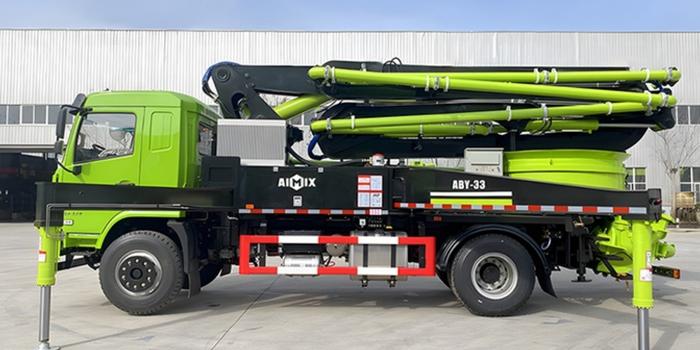
A boom pump is a truck-mounted machine. It has a long and flexible arm. Which you can use to place concrete exactly where you need it. The hydraulic arm (called a boom) can reach high buildings and large construction sites easily. So, you can control it to pour concrete in hard-to-reach areas.
This pump works automatically and can deliver concrete continuously. This saves time and labor too. You do not need to move equipment again and again. Boom pumps are best for your big projects where accuracy and speed matter most.
2. Stationary Pump/Trailer Pumps
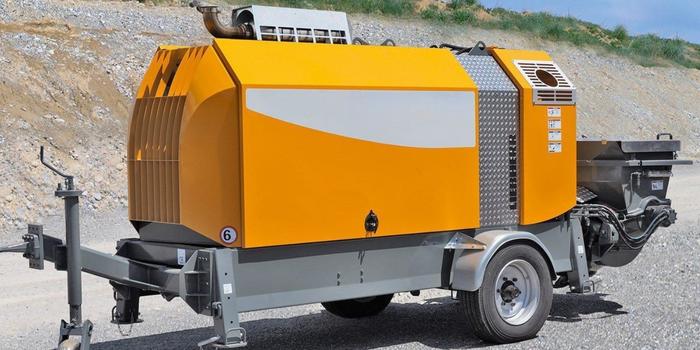
The stationary pump is also known as trailer pump. This can stay fixed at one place while pumping concrete. You can connect it to long pipes or hoses which actually carry concrete to the desired location. Mostly, it is attached to a trailer. Hence, you can move it from one site to another when required.
This pump is ideal for your small or medium projects where you need to pump concrete over a long distance. Also, you can use it for building foundations and smaller structures. On top, they are affordable, easy to maintain, consume less fuel and give you consistent performance.
3. Concrete Line Pump
When you need to pump concrete over a long distance on the ground, a concrete line pump is the right choice for you. It uses fixed connected hoses or pipes to deliver concrete directly where you want it. You can use it for house slabs, driveways or small construction areas. Modern line pump models can handle both long horizontal and vertical distances.
You will find the following features: compact size, block control system, flat gate valve and an optional pipe rack. They also contain a built-in water tank and flushing pump for easy cleaning. Many builders prefer it for its flexibility and cost efficiency.
4. Truck Mixer Concrete Pumps
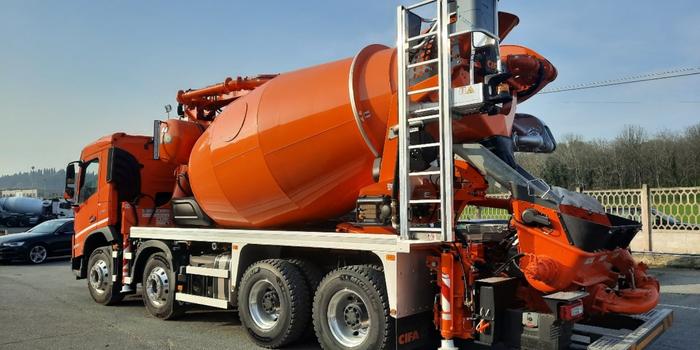
A truck mixer concrete pump combines both a concrete mixer and a pump in one vehicle. With this machine, you can mix, transport and pump concrete at the same time. That means, you don’t need separate equipment to mix and pump, which saves time and space on site.
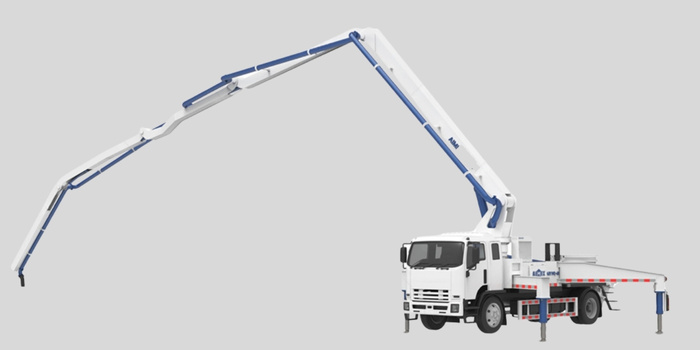
With its smart control system, you can balance the boom and support legs while working. Due to the Z-fold boom design, you can move its arm smoothly and easily position it. This type of pump is perfect for projects which have narrow space and need mobility or high efficiency.
5. Specialized Usage Pump
Well, these pumps are designed for your unique and complex construction needs. You can use them in places where standard pumps cannot work. For example: in tunnels, mines, large scale construction projects or underwater projects. These pumps are useful for you to handle special types of concrete and work under tough conditions.
They are built to perform tasks where you need extra power or precision. However, they are more expensive but offer you excellent performance and reliability for special projects. You should choose them only when your work demands advanced pumping solutions.
6. Gunite Pumps
You can use this pump to spray concrete or mortar at high speed onto surfaces. Gunite pumps also work best for building swimming pools, retaining walls, mine support and repairing concrete structures. With this machine, you can apply concrete evenly and firmly on any surface.
You should choose it when you need strong bonding and a smooth finish for construction work. They are also ideal for both small and large construction repairs. Following are types of gunite pumps.
- Dry-mix gunite pumps
- Wet-mix gunite pumps
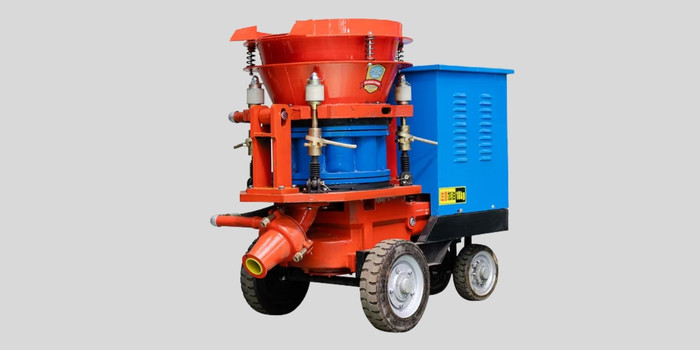
7. Shotcrete Pumps
This pump is great when you need dense and durable concrete layers. You can use it to spray concrete at high pressure onto surfaces, but with a thicker concrete mix. Its applications involve tunnels, slopes, swimming pools and structural repairs. It provides strong bonding and can cover large areas quickly.
It also saves time and material. So, they are ideal for you when your project needs fast application and high-quality concrete finishing. Because, shotcrete pumps work with continuous flow and compact building materials tightly.
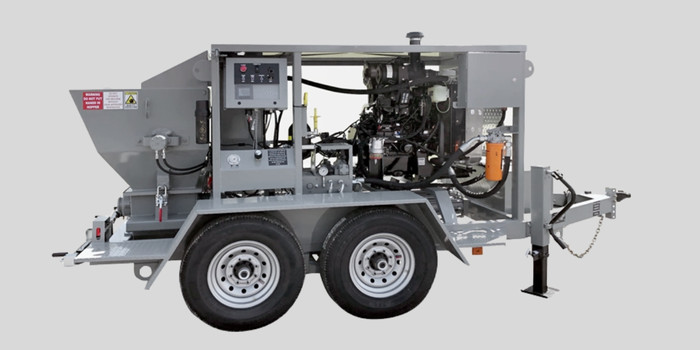
8. Separate Placing Boom
The separate placing boom pump is used when the boom (robotic boom) and pump are set apart from each other. Hence, you can fix the boom on tall buildings or large construction sites. As a result, you can place concrete exactly where needed. It’s connected to a stationary pump by pipes which deliver concrete smoothly.
This setup works best for high-rise structures and big foundations. It gives you full control over concrete placement and improves safety on construction sites.
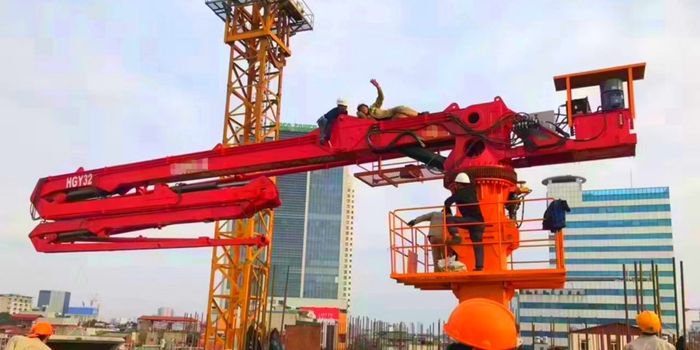
9. Skid-Mounted Concrete Pump
When you need a pump which can stay stable in one place, a skid-mounted concrete pump is a good choice. It’s built on a strong steel frame and doesn’t have wheels. So, you can easily lift or move it with a crane or truck when required.
This type of pump is perfect for sites where you need to perform concrete work continuously in the same area for a long time. It’s simple to maintain and performs well in narrow spaces and small construction projects.
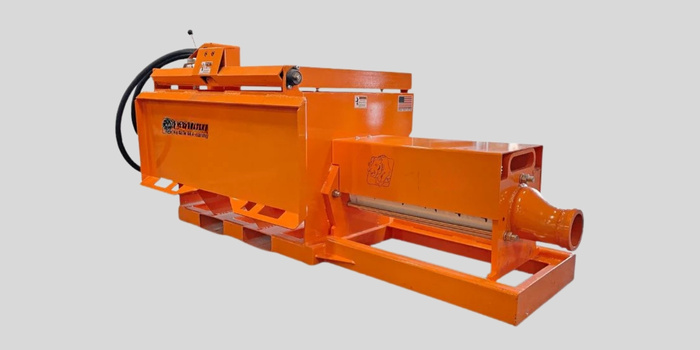
10. Concrete Pressure Pump
A concrete pressure pump is built to move concrete at high pressure through pipes or hoses. With this machine, you can deliver concrete smoothly over long distances or to high locations. Because, this pump maintains strong pressure to keep the concrete flow even.
You can use it for large-scale projects such as bridges and multi-story buildings. You don’t need to do manual work and it also speeds up your work. Concrete pressure pumps are reliable for tough jobs where you need power and precision.
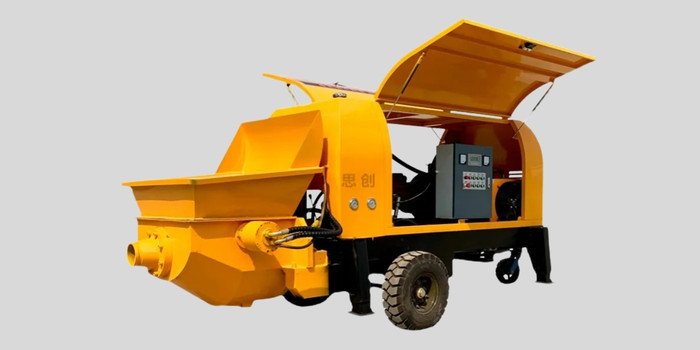
11. High Rise Concrete Pumping
You can use a high rise concrete pump for the delivery of concrete to tall buildings and structures. This machine uses powerful pumps and long pipelines to move concrete vertically to maximum heights. You can use it for skyscrapers and multi-story construction projects.
This method saves your time and reduces labor too. It gives you smooth and continuous flow, so you can complete large projects faster. Among civil engineers, it is the most efficient choice for modern urban construction.
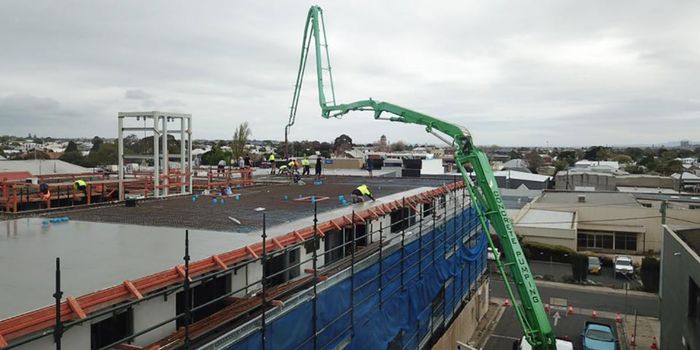
12. Portable Concrete Pumps
Portable concrete pumps are small and easy to move from one place to another. You can use them for small projects like driveways building or repair works. They are simple to set up and can fit easily on tight job sites.
They can deliver concrete smoothly and are ideal for short-distance pumping. Portable concrete pumps are your smart choice when you need flexibility and quick setup for your work.
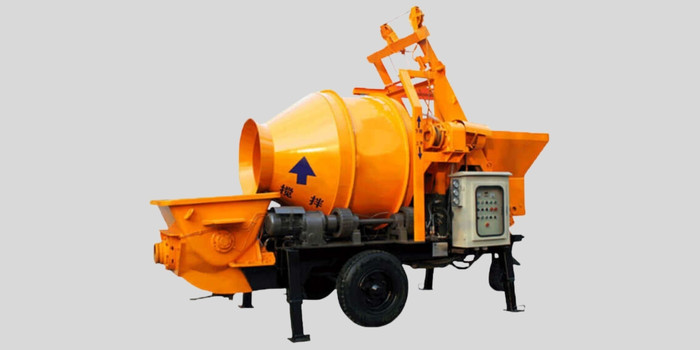
Our Advice To Choose The Right Concrete Pump
- Know Your Project Size: You should consider your workload. For big projects, you need a boom or high-pressure pump.
- Examine Distance: You must measure how far or high the concrete needs to go. Then select a pump which can handle your required distance smoothly.
- Site Conditions: If your worksite has limited space, you can buy portable or stationary pumps.
- Calculate the Concrete Volume: Also, assess the required material which you need to deliver. Large volumes require powerful pumps with higher output.
- Focus on Efficiency & Budget: You should pick a pump which saves fuel, reduces labor plus fits your budget too.
- Trusted Supplier: Always remember to buy pumps from trusted suppliers to make sure quality and good service.
Average Price of Concrete Pump
Cost of a concrete pump depends on its type, size, brand and features. For example: small portable pumps usually cost less. But large boom pumps and high-pressure machines are more expensive. On average, concrete pumps can range from $1500 to $80000 or more.
People Also Ask
How Far Can You Pump Concrete?
Line pumps can move concrete horizontally for over 3000 feet. On the other hand, boom pumps can reach heights of around 52 meters (170 feet) or more. The exact distance depends on the pump type, concrete mix as well as work site conditions.
How Does a Concrete Pump Work?
With the use of hydraulic pressure, concrete pumps move liquid through pipes. It continually pushes material to the place you need it. Boom pumps use a robotic arm for high or hard-to-reach areas, while line pumps work with long hoses for horizontal delivery.
Is Pumping Concrete Better Than Pouring?
Yes, the process of pumping concrete is generally better than manual pouring. It saves time, reduces labor and reaches high or hard-to-access areas easily. Traditional pouring is cheaper for small jobs, but it takes more time and effort.
To Wrap Up
Concrete pumps are very good for safe worksite operations & also reduce labor and provide you precise concrete placement. We suggest you compare all the concrete pump types and their features mentioned above to choose the right one.
At JACKWIN, we manufacture a wide range of customized concrete pumps and construction machinery products. So, you can contact us anytime for quotes or a free consultation.


