

-80x69.png)
In the past, plastic industries struggled as they could not melt or reshape plastics. This problem leads to material waste and limited design flexibility. That’s why thermoplastic is widely used in production centers today.
In this article, we have discussed what thermoplastic is and its major types. You will also see its properties and in which industries you can use thermoplastic.
What is Thermoplastic Material?
Thermoplastic is a type of plastic that turns soft when you heat it. And if you place it in a cool environment, it will become hard again. In simple words, you can melt and reshape it many times without losing the quality of your material. Therefore, thermoplastic is a cost-effective option for you.
How to Make Thermoplastic?
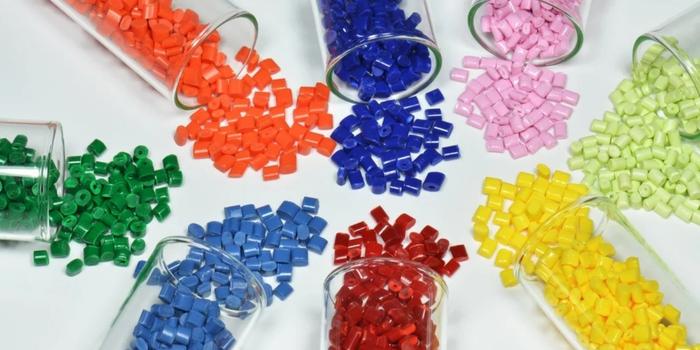
If you want to make thermoplastic you will need raw materials (oil and natural gas). These materials go through a process that breaks them into smaller chemical parts (polymers). After that you have to mix and melt these polymers under high heat. This heat produces a flexible plastic.
At last, when you cool down the plastic it takes the shape of a solid sheet or pellet. Later, you can reshape it to create different products.
Major Types of Thermoplastic You Should Know
| Types of Thermoplastic | Features | Common uses |
| Polyethylene (PE) | Flexible, impact-resistant, strong, and durable | Plastic bags, films, bottles, and containers |
| Polypropylene (PP) | Chemical resistant, long-lasting, heat resistance and powerful | Packaging containers, automobile parts, carpets, clothes, medical syringes, masks and furniture |
| Polyvinyl Chloride (PVC) | Strong, water resistant, weather proof, safe from UV radiation | Water pipes, windows, floors, IV bags, wire insulations and toys |
| Polystyrene (PS) | Irregular structure, easily breakable, good insulator, moisture resistant, moisture control | Disposable trays & cups, thermal insulators, construct electronics |
| Acrylonitrile Butadiene Styrene (ABS) | Heat resistant, highly strong, lightweight, easy to process | Pipes, automotive body parts, safety helmets, 3d printing parts |
| Polyamide (Nylon) | High strength & temperature resistant | Sports garments, vehicle components, utensils |
| PTFE (Teflon) | Non sticky, non reactive, higher melting point | Non-sticky pots, storage tanks, airplane parts, medical devices |
| Acrylic (PMMA) | Highly transparent, long-lasting, waterproof, alternative of glass | Car light lenses, panels, sound resistant rooms, bone joints, jewelry, furniture, touch screens |
What is Thermoplastic Used For (Thermoplastic Uses)
Thermoplastic For Road Markings
Well, you can use thermoplastic as a road marking paint. Actually, this type of paint is a more durable and reflective option for you. These markings have a rough texture that provide better grip to your car. You may see this paint on highways, parks and airports. Some of most common thermoplastic road products are;
- Reflective Glass Beads (used in studs and reflective paints)
- Synthetic Resin (durable coating, markings and overlays)
- Highly Reflective Sign Boards
- Super Reflective Sheets
Uses in Medical
There is a high demand for thermoplastics in the field of medicine. Because they are used in manufacturing of medical devices. For example: test tubes, IV bags, syringe tips, sterilization trays and seals. You can use thermoplastic for teeth filling and splints as well.
Thermoplastic Household Items
Thermoplastics are used in several things that you may use at home. The reason is they hold food, store liquids and keep things organized. You might also see them in items for kids or daily kitchen wares. Some of them are;
- Thermoplastic packaging (plastic boxes, disposables, blister packs, plastic crates)
- Utensils (plastic containers, non-sticky pots)
- Thermoplastic for dentures (fake teeth)
- Cleaning tools (brooms, brushes, vacuum cleaners, gloves)
- Thermoplastic water bottle
- Toys
- Thermoplastic junction box
Thermoplastics in 3d Printing
There are many 3D printed objects that are manufactured with this type of plastic. Actually, you can create customized models, tools or parts for different projects with them. Its common techniques are;
- Fused Filament Fabrication (rough surface finish with visible layer lines)
- Selective Laser Sintering (higher resolution objects)
Thermoplastic For Cosplay
Cosplayers use thermoplastics to make costume parts & props. As you know, you can heat this material to bend or mold into shapes. So, it becomes easy for you to make armor pieces, masks or other accessories.
Thermoplastics in Aerospace
When it comes to aerospace, this plastic makes strong and light weight parts of planes and spacecraft. You may often see them in internal panels, main cabins and protective covers of aircrafts. The main reason is their features like they can handle heat, sunlight and chemicals.
Thermoplastic Cable / Thermoplastic Wire Insulation
As we have discussed, thermoplastics are a good insulator. This is why you may find them in the insulations of wires. Basically, they keep wires safe from heat, water and other harmful chemicals. Moreover, this insulation protects you from electric shocks.
Advantages and Disadvantages of Thermoplastic
Advantages of Thermoplastic
- You can heat it and reshape it many times.
- This is a strong & durable option for you.
- Thermoplastic products are very light in weight.
- You get resistance from water, chemicals and heat.
- A cost effective choice for you.
- You could recycle it to make new products.
Disadvantages of Thermoplastic
- This material can soften or melt when exposed to heat. Therefore, it is not suitable for high temperature usage.
- Some types can break under a certain pressure.
- When you want to use special grades then it is an expensive selection.
- You may see scratches and dents easily on the surface.
- Not as strong as thermosetting plastics in extreme conditions.
What is Thermoplastic Price Per kg?
If you have planned to purchase thermoplastic, you must check its quality and delivery charges. On average, the price stays in a range of $2 to $4.20 per kg. But this cost may vary on the basis of grade of material and your location.
Thermoplastic Road Marking Machine
Thermoplastic road marking machines make highly reflective road lines. These machines save your time and provide you accurate borders on streets. There are many different types of road marking machines that you can use to create pavement on roads.
JACKWIN also provides you a wide range of thermoplastic road marking machines. Furthermore, our team can customize the size and design of the marking machine as well.
Wrapping It Up
We hope now you are well familiar why thermoplastic is widely used across different fields. This is a versatile plastic option for you which is affordable and recyclable.
Thermoplastic is your ideal choice if you want to shape items with blow molding or injection molding. If you have any questions or want guidance, you can contact us anytime.
People Also Ask
Can Thermoplastics be Recycled?
Yes, you can reuse the thermoplastics due to its reshaping feature. That means you can melt and reshape it multiple times without losing its quality. Common recycling methods are mechanical & chemical recycling.
Is Thermoplastic Toxic?
No, thermoplastic is not toxic. It is safe for you when it is cooled and in its solid form. During its manufacturing process, it releases dangerous chemicals. So, you should avoid inhaling fumes when it is heated.


