

-80x69.png)
According to a research study of the Bureau of Labor Statistics, warehouse injuries increased 30% and 1 out of 9 workers are harmed annually. Further, the warehouse industry reported an injury and illness rate of 6.6 cases per 100 employees.
If you want to avoid accidents in your workplace, you should know the warehouse safety checklist and OSHA requirements. Let’s learn in this simple guide!
OSHA Warehouse Safety Checklist – Warehouse Safety Precautions
What PPE is Required For a warehouse?
You will need basic PPE to stay safe in a warehouse. For example: you should wear safety steel-toed boots and gloves to protect yourself from dirt or sharp objects. Your job may also require a hard hat to protect your head. Must use high-visibility clothes, so others can see you. Moreover, you can use earplugs or earmuffs when the area is loud.
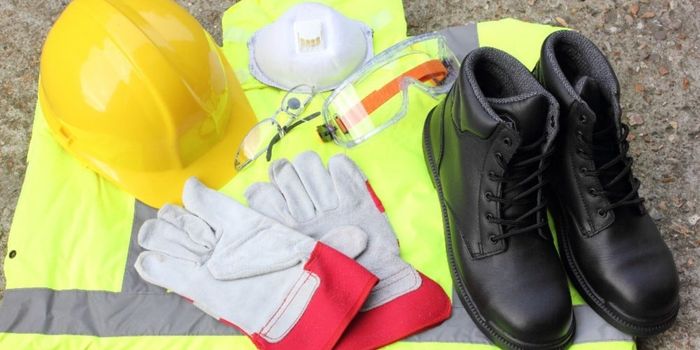
General Warehouse Safety Checklist
You face many risks every day in the warehouse. But, you can prevent most of the dangers with careful planning and regular checks. Your safety checklist must include common problems such as things you can trip over, unclear signs or messy work areas.
- Clear Aisles and Floors: You have to make sure the floor and walkway between shelves are clear of all obstacles. Because the presence of wires, tools, boxes, or trash can block the path.
- Analysis of Ventilation: Must confirm that the warehouse has good airflow. Fans or open windows will bring in fresh air and remove dust and harmful gases. With proper ventilation, you can keep your workers healthy and safe.
- Floor Inspections: You need to check floors regularly for cracks or uneven areas. When you find a problem, you should try to fix it quickly or mark the damaged area clearly with signs to warn others.
- Safety Barriers: it’s very important to separate the people from machines. For this purpose, you should install pedestrian barriers or crowd control barriers. They will reduce the chance of accidents and injuries.
- Warning Signs: You need to place warning signs in areas with hazards. These signs tell you and workers to be careful near wet floors or high shelves. Always use clear and bright signs for high visibility.
- Workstation Cleanliness: Always keep your workstation clean and organized every day. You must check all tools, boxes or materials in their proper places. When you notice trash and spills, remove them immediately.
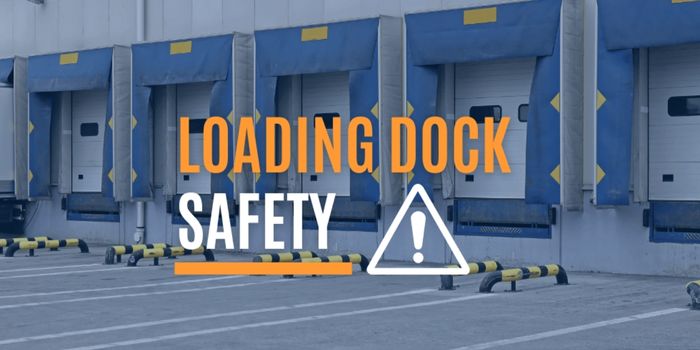
Loading Dock Safety Checklist
In your warehouse, the area where you load and unload the trucks must have maximum safety.
- You need to inspect and maintain all loading dock equipment on a regular basis.
- You should drive carefully when you enter or leave the loading dock area.
- You can post safety rules and make sure everyone follows them.
- It is important to have an emergency plan ready for any possible situation at the loading dock.
- Workers need to wear the right PPE, such as gloves, safety shoes & helmets.
- Make sure the hazardous materials are handled with extra caution.
Warehouse Material Handling
Every year, 25% of warehouse fires occur due to improper handling and storage of chemicals. To prevent injuries and avoid danger, you should follow the below listed techniques.
- Install Protective Barriers: You can use barriers to keep people safe while they handle equipment and heavy loads. These barriers include: rails, guardrails, adjustable barriers or safety cones.
- Equipment inspection: The inspection of all material handling equipment is important before their use. So, always check forklifts, pallet jacks and carts for damage or faults. The brakes, lights or controls of the machine should work properly.
- Use of Lifting Gear: To lift load, you can use tools such as straps, hoists, chains and forklifts correctly. But, never overload it and follow proper lifting techniques.
- Vehicle safety rules: You need to drive a vehicle slowly, follow marked paths and watch for people or obstacles. Always park vehicles safely and use wheel chocks when loading or unloading.
- Safe Access To Materials: You have to keep stairs, ladders, shelves and walkways clear and in good condition. So, the workers can reach the materials safely.
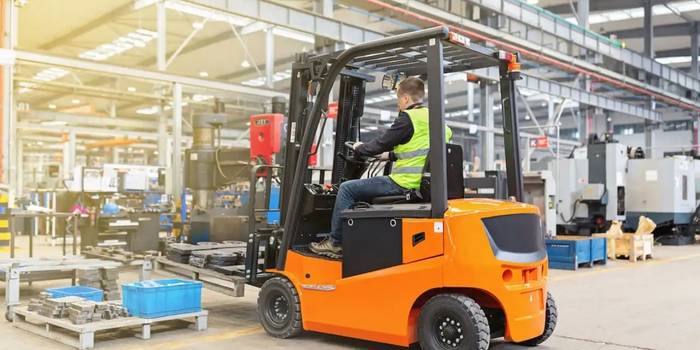
Forklift Safety Checklist
A forklift is a small vehicle which you will find in almost every warehouse. You can use this machine to lift and move items. It can be dangerous for workers, if not used correctly.
- Always check the forklift on flat ground and keep the parking brake on and the forks down.
- Before its use, you should inspect forklift brakes, chains, hydraulic cylinders and any visible damage on the body.
- To protect walls, you can use safety bollards and place wheel stoppers to stop forklift from rolling accidentally.
- You should never exceed the weight limit of a forklift.
- For forklift maintenance, you must check its engine, tires as well as change the oil when required.
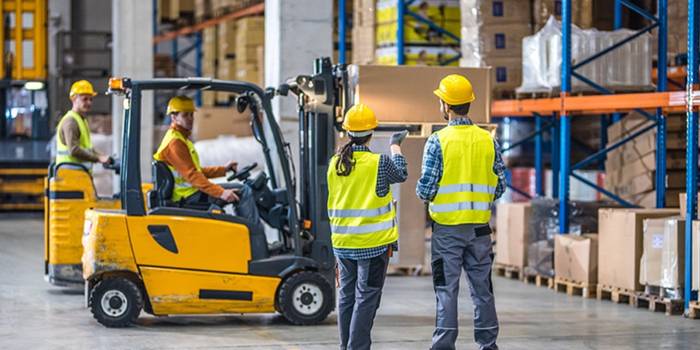
Warehouse Racking Safety Checklist
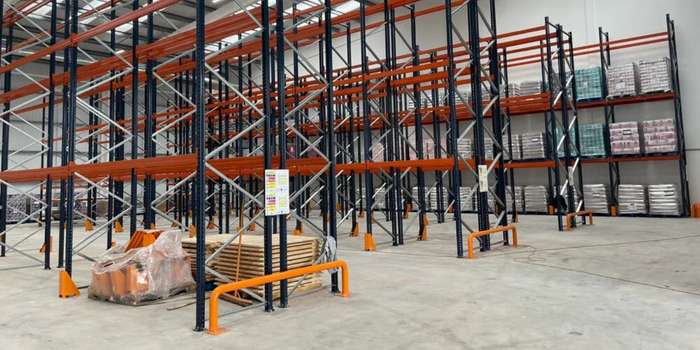
You also need to keep warehouse racks safe to prevent accidents and protect goods. Because racks hold heavy items, hence proper use and regular checks are very important. You can consider following a safety checklist to spot damage and reduce the risk of falling objects.
- You must make sure the racks are level and stable.
- Avoid overloading the shelves.
- You can store heavy items on lower shelves to balance load.
- Always secure tall or unstable loads.
- You should post weight limits clearly on racks.
- Also, train workers on the proper use of racking.
Warehouse Workers Safety Guide
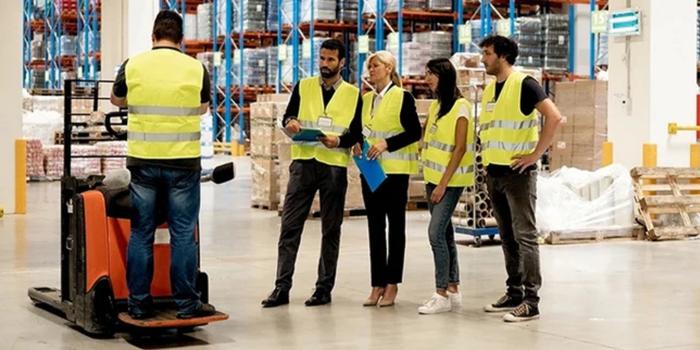
Employees can be unsafe in warehouses because these places have many risks. You need to handle heavy items, chemicals, operate machines and work in busy areas. To solve this safety threat, you need good leadership and regular worker training.
- Rest periods: You have to include scheduled rest breaks for workers in your checklist. Regular breaks keep workers alert, reduce fatigue plus lower the risk of accidents.
- Environmental training: Make sure your workers know how to handle environmental risks in the warehouse. You should train them on heat, cold, humidity, poor ventilation and noise.
- Workload management: You can distribute tasks in a balanced way, so no worker feels overloaded. When you plan shifts properly based on demand, your team will stay focused and productive.
- Forklift certification: It’s important to note that only certified workers operate forklifts. You have to keep records updated and make sure operators understand safe driving practices.
- Personal protective equipment: Provide your employees all safety items such as gloves, safety shoes, helmets & high visibility vests.
Warehouse Food Safety Checklist
You should focus on food storage and handling. All stored food must be uncontaminated and protected from pests. In this way, you can maintain hygiene standards and follow food safety regulations.
- Clean storage areas
- Sealed packaging
- Label the food items
- Post hygiene rules
- Pest control measures
- FIFO (First-In, First-Out)

Warehouse Electrical Safety
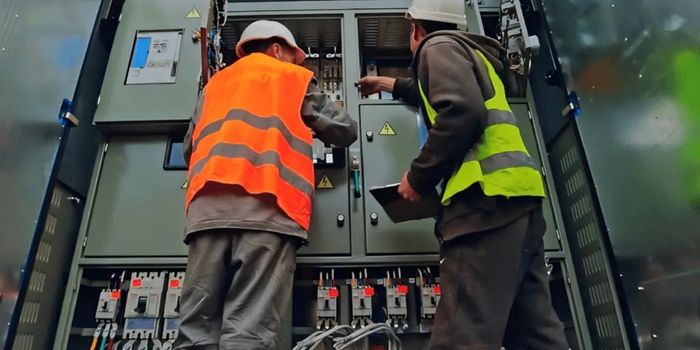
You may need to handle many machines and electrical systems in a warehouse. So, electrical safety is important to prevent shocks, fires, short circuits and equipment damage. Following safety and regular inspection rules is useful for you to keep workers safe.
- Equipment grounding: All plugs, cords, tools and outlets must be correctly connected to a grounding system. It will prevent electric shocks and reduce the risk of fires.
- Check before use: You need to look for worn cords, damaged plugs or loose connections. Also, switches and safety devices should work properly.
- Use of portable devices: The electric equipment such as drills or heaters should be handled with care. The plugs must be secure and never use devices near water.
- Immediate Repairs: You should use items like cable protectors to cover exposed wires and cable ramps to safely manage cords across walkways.
- Caution Around Conductors: You should stay careful near live wires and electrical conductors. Maintain a safe distance and never touch exposed cables. Plus, you have to make sure warning tools are visible in high-risk areas.
- Emergency Response and CPR Training: You need to train workers on how to act during electrical accidents or emergencies. Everyone in the warehouse should know basic CPR and first aid.
Daily Warehouse Safety Checklist
To prepare your daily warehouse checklist, you should analyze the most important tasks. For example: goods intake, items packaging, heavy machinery operations and orders fulfillment. Then you have to make sure the daily checklist covers all safety requirements related to these tasks.
- Check equipment functionality
- Verify emergency exits
- Inspect racking and shelves
- Check fire safety equipment
OSHA Warehouse Guidelines
OSHA stands for the Occupational Safety and Health Administration. It is a government agency which sets rules to keep workers safe on the job. OSHA standards are useful for you to prevent injuries and fines.
- According to 29 CFR 1910.132, you have to provide PPE to workers at no cost. Also make sure employees are trained to use it correctly.
- OSHA standard 29 CFR 1910.22 says that working areas should be clear to provide safe walking and working surfaces.
- OSHA rule 29 CFR 1910.94 requires proper ventilation in warehouses.
- Must use proper lockout/tag-out procedures for equipment.
- You also need to plan tasks based on safe work practices and how long it takes to complete them.
- OSHA 1910 Subpart E means of egress requires that sprinkler systems be inspected and maintained regularly.
Hazard Communication Standards
OSHA’s Hazard Communication Standard (29 CFR 1910.1200) states that the chemicals label should include a signal word, hazard statement, pictogram and precautionary instructions. As an employer, you are responsible to keep the Safety Data Sheets (SDSs) up to date. In case you violate these rules, you may have to face serious risks.
Warehouse Safety Hazards
You must be aware of all potential dangers in the warehouse. So, you can solve problems on time and keep work safe. Common hazards include:
- Slips, trips & falls
- Forklift and vehicle accidents
- Hazardous chemicals
- Improper lifting and ergonomics
- Fire and electrical hazards
- Poor lighting
- Cluttered workspaces
- Noise exposure
- Machinery and equipment hazards
Warehouse Safety Inspection Checklist
You can use a safety inspection checklist to make sure all safety rules are followed every day. You can follow below rules for the implementation of your checklist.
- Walk-around Inspection will help you spot problems. You must inspect the entire warehouse daily and check tools or machinery for hazards.
- Make sure all your safety measures follow OSHA or HSE standards. Compare your list with the official rules for PPE and emergency systems to stay compliant.
- You need to create clear action plans to fix issues and improve safety. Therefore, you can set deadlines for each task so nothing is left unchecked.
- Finally, keep detailed records of inspections and safety checks. When you record everything, you can track progress and provide proof of compliance during audits.
To Summarize
So, with regular inspections and compliance with OSHA guidelines, you can reduce injuries and keep the warehouse safe. Every warehouse has its own hazards, therefore you have to assess risks and prepare your safety checklist as required.
If you need further information or tools to implement warehouse safety, you can contact our team for quick support and advice.
Frequently Asked Questions
What Should I Do if I See Damaged Racks in a Warehouse?
If you notice any damaged rack, you should unload first and stop further storage operations. You must report to the manager even if the damage is minor. Before using the rack again, make sure the rack is repaired or replaced.
What is the Purpose of a Safety Data Sheet (SDS)?
SDS is the document which provides detailed information about chemicals used in the warehouse and what you can do in an emergency. These sheets consist of 16 sections to give complete safety information about each chemical.
What To Do if a Fire Breaks Out in the Workplace?
The first thing you should do is activate the nearest fire alarm and alert other workers. Then leave the workplace immediately by the exit door and call the fire department. Do not return until it is declared safe.
Do You Have To Wear Safety Glasses in a Warehouse?
Yes, safety glasses are required when there is a risk of eye injury. You should use glasses while you handle chemicals, cut materials or work near dust/bright lights. It will protect your eyes and prevent serious injuries.
Is Warehouse Employee Safety Training Required by Law?
OSHA and other safety regulations make it compulsory for employees to receive proper training. So, you can learn how to handle equipment, hazardous materials, emergency procedures and workplace hazards.
How Often Should Warehouse Employee Training Be Conducted?
New employees must be trained before they start work. It’s ideal to provide training to workers at least once a year. Furthermore, you should update the training schedule when new equipment or safety rules are introduced.
See Also:


