

-80x69.png)
Fire safety matters a lot to you because small mistakes cause serious losses. In 2024, fire departments in America rescued 1.38 million fires. These fires caused 3920 civilian deaths, 11780 injuries and almost $19 billion in property damage.
So you should have well-researched knowledge of fire protection. Let’s find out everything that you need to know about fire protection.
Fire Protection Meaning
Fire protection is a system of measures that are designed to keep you and your property safe from fire. It includes measures to prevent fires, detect them early and control them quickly. Basically, it’s everything you do to reduce fire risks and protect your lives.
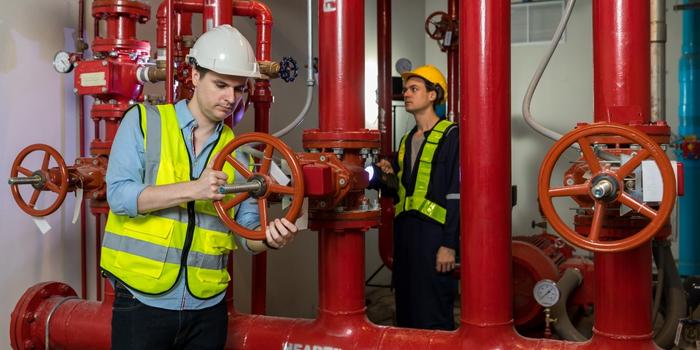
Main Components of Fire Protection
Risk Assessment for Fire
A fire risk assessment checks your property for fire hazards. It looks at fire sources like fuel, ignition and oxygen. It also focuses on people at higher risk. Actually, the assessment makes steps that keep you safe. Plus, it keeps a record of the assessment to re-check your place.
Fire Prevention
Well, fire prevention refers to the steps that are taken to stop the fire before it starts. In simple words, you remove things which could start a fire. For example; you keep flammable items away from stoves, heaters or other hot surfaces. Furthermore, you check your electrical equipment to make sure they don’t cause sparks.
Fire Detection
Fire detectors use a system to sense or detect signs of fire. For instance, smoke, heat, flames, or gas. Basically, these systems give you an early warning. These sensors send signals to a central panel. After that, the central panel alerts people and starts automatic tools like sprinklers or smoke vents.
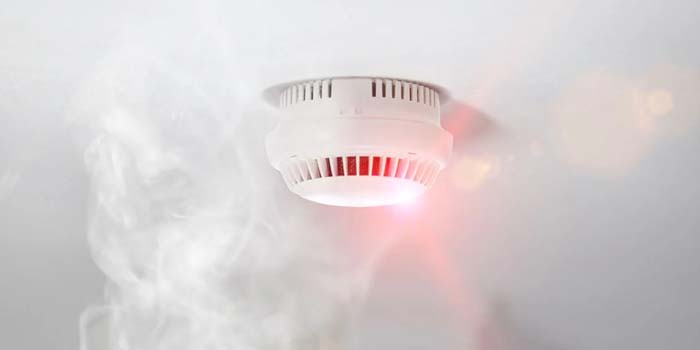
In homes, you often find smoke detectors as a single device. But in larger buildings, fire detection comes through a full fire alarm system. This fire detection system includes;
- Heat detectors
- Smoke detectors
- Flame detectors
- Fire gas detectors
Fire Suppression
When something catches fire, the process of fire suppression works to control the fire. It uses tools like portable fire extinguishers or large automatic systems. This system works to cool the fire, remove oxygen or to stop the chemical reaction.
5 Stages of Fire
When you see a building on fire, it goes from stages to show how a fire grows from a small spark to going out. Because, each stage has different flames, heat and risks.
1. Incipient Fire
The incipient stage is the very start of a fire. You can stop a fire easily at this point. It causes the least damage. But it is still hard for you to stop it by hand. Therefore, you need time to notice the fire, find an extinguisher and use it in the right way.
If you have installed the fire suppression system, it may spot the fire fast and stop it on its own at this stage.
2. Growth Stage
In this scenario, fire begins to spread and grow because it finds more oxygen and fuel. Flames are bigger, heat increases & smoke becomes thicker. If the fire is not controlled at this point, it can quickly turn into flashover.
3. Fire Flashover
Next stage is a fire flashover. Actually, flashover means a fire gets so hot that everything in the room catches fire. It spreads very fast and fills the whole space. The temperature can increase to around 1000°F in a few seconds. At this time, no one can survive inside a room.
4. Fully Developed Fire
A fully developed fire is the stage where the fire is at its peak. The heat and flames reach their highest level in the room or area. This stage usually comes after the fire grows and after flashover in a closed space. At this point, the fire uses all the fuel and oxygen it finds.
5. Fire Decay
Fire decay is the last stage of a fire. The heat and flames start to go down. Because the fire does not get fuel and oxygen. But this stage is still risky because the fire can start again suddenly or cause more damage.
Fire Protection Systems
What is a fire protection system? A fire protection system is a set of tools that are used to keep you safe from fire.
- Fire Alarms: Fire alarms are important safety devices. They detect fire, smoke, or carbon monoxide to warn you. You can use smoke alarms in homes or commercial buildings.
- Smoke Detectors: This is an important device that warns you about the fire in advance. Therefore you get time to get out safely. In homes, they can reduce the chance of death in a fire by half.
- Sprinkler Systems: You must choose a sprinkler system to control fires. In a fire sprinkler system, the sprinklers start automatically. Actually, when the heat breaks a seal the system sends water onto the fire.
- Fire Extinguishers: You use a fire extinguisher to put out small fires. It works to cool down the fire, remove oxygen or to stop the chemical reaction. Common types of fire extinguisher include; Water extinguisher that is suitable to stop fire of wood, paper, cloth and cardboard.
On the other hand, foam or dry powder extinguishers are ideal to stop fires caused by petrol, oil, paint and alcohol. Carbon dioxide extinguishers stop fires caused by wires, appliances or electrical equipment.
- Fire Hydrants: A fire hydrant is a pipe connected to the underground water supply. Basically, it gives you a quick water source in case of emergencies. So, you can connect fire hoses to it to put out fires.
- Fire-Resistant Materials: You can use fire-resistant materials to make your building safer. Because, these materials slow down fire and stop it from spreading. You can choose concrete, brick, gypsum, stucco and fire-resistant glass for this.
- Safety Barriers: When your building or worksite contains flammable material or high voltage electricity, install barriers. Actually, these barriers create a safe boundary between the hazard and your workers.
- Emergency Lighting: Well, this type of light turns on automatically in case of emergency. You should install these lights to evacuate safely in case the fire catches on. Moreover, your commercial and big residential buildings are required by law to have it.
- Guidance Signs: An exit sign or fire safety sign is also a part of your fire protection system. It shows you the safest way out during an emergency. Usually, these signs are lit so you can see them even if the power goes out. Remember, that you have to follow OSHA or NFPA exit sign requirements.
What is Passive Fire Protection?
Passive fire protection (PFP) is a structure that is used in commercial buildings. Basically, they stop fire from spreading. For example; fire-resistant walls, fire doors, fire-proof floors and ceilings. Furthermore, you may separate your buildings into portions to capture fire at one place.
What is Active Fire Protection?
On the other hand, active fire protection (AFP) includes fire safety equipment which takes action when a fire starts. They help you to detect, alert, control or stop the fire. Some systems work automatically. But some of them need someone to operate them.
What is a Fire Safety Plan
A fire safety plan is a written guide that helps you prevent fires and stay safe if one happens. It tells you what equipment to use, what steps to follow and who is responsible for each task. Your employees and firefighters also use these safety plans to protect lives and reduce damage. Government bodies require safety plans to be placed in buildings.
10 Fire Safety Tips at Home or Your Workplace
- You must install fire protection, such as smoke alarms or gas detection systems, in buildings. Plus, a fire sprinkler is also preferred for extra protection.
- Always make an escape plan in a public building and install guide arrows. These arrows must be placed at a visible place.
- If there is a smoker in your workplace or home then be careful. You should use deep, stable ashtrays and soak butts in water before throwing them away.
- Place the lighters and matchboxes away from the reach of children.
- When you work in the kitchen, do not leave the food without an attendant. Additionally, keep flammable items away from stoves.
- If you use a heater, place it at least three feet away from anything that can catch fire. You must turn them off when you leave the room or go to sleep.
- Unplug appliances that smoke or smell strange and check them carefully. In case of cracked cords or electric wires you have to replace them or cover naked wires.
- If there is smoke then sit down and crawl on your hands & knees. your head must be closer to the floor. Because, the air is cleaner near the ground.
- When your clothes catch fire, do not run. You should stop and lay down on the ground. Then cover your face and roll over yourself to stop flames.
- If you get a burn on your skin, cool it with water and call for a rescue team. Always remember, put cool water on burns for 10 to 15 minutes.
Final Words
Hence, fire protection systems control fire in homes, buildings and workplaces. You have to install fire safety devices which tell you about the fire signs in advance. You should also follow workplace safety signs to avoid danger zones and harmful equipment.
FAQs
What is a Fire Protection Engineer?
These engineers make building designs that protect buildings from fire. In simple words, they are experts who use engineering rules to stop fire risks. Additionally, they create your fire alarms, sprinkler plans and other safety parts.
What is a Fire Hazard?
These are the potential threats which can catch or increase fire. It can be a material, a condition or even an action that adds heat, fuel or oxygen. For example; old wirings, uncovered cables, petrol or open flames.
Who is a Certified Fire Protection Specialist?
You call someone a Certified Fire Protection Specialist (CFPS) when they pass a global certification from NFPA. This shows they have strong knowledge in fire protection, fire prevention and safety management.
What is Fire Protection Software?
Fire protection software gives you a smart way to manage all your fire safety work in one place. It replaces slow paper files with a clear digital system. You use it to track inspections, plan maintenance, record issues and keep your reports ready for compliance.
Who Needs a Fire Safety Inspection Certificate?
If you own a public or commercial place like an office, hospital, hotel, mall, theater or restaurant you need a certificate. You also need it if you are a landlord or you run residential, industrial or educational buildings. This certificate is important because it is required before you get business or occupancy permits.
Relevant Topics:
Ultimate Guide to Electric Safety in Your Workplace


