

-80x69.png)
Water pipe, gas line, electrical cables & communication lines are hidden below the surface. But if you hit them, it can cause accidents or service interruptions.
Hence, you must know about underground utilities and their types. So, you can plan your work properly and keep utility lines safe too. Today, you will see why many cities prefer underground systems and how they protect people & property.
What Are Underground Utilities?
Underground utilities are all the services or structures that are designed below the ground. You can’t see them on the surface, but they are functional all the time. You can install utilities to carry the power, water, gas, internet and phone signals to homes and buildings.
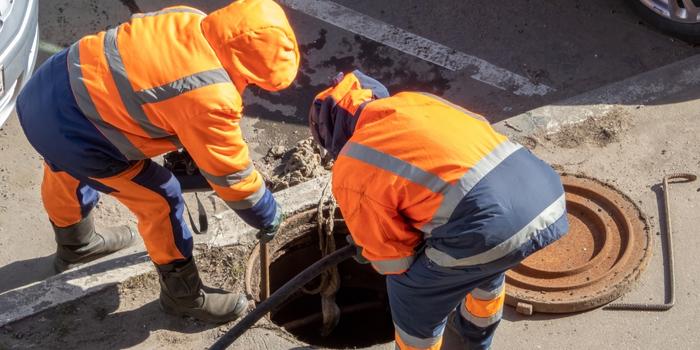
Underground Utilities Examples
There are many hidden utility services. For example, water pipes carry clean water to you. Plus, the electric power lines transfer electricity, so you can use your lights and appliances. These lines stay under the ground and make your area look clean.
7 Types of Underground Utilities
Underground utilities are all around you. You will find different types of underground utilities. These all have their own clear job.
Water Supply Lines
You get clean water through underground water supply lines. These pipes carry water to your home, school, factories and workplace. But, it is important to keep these pipes safe, so you can avoid costly repairs.
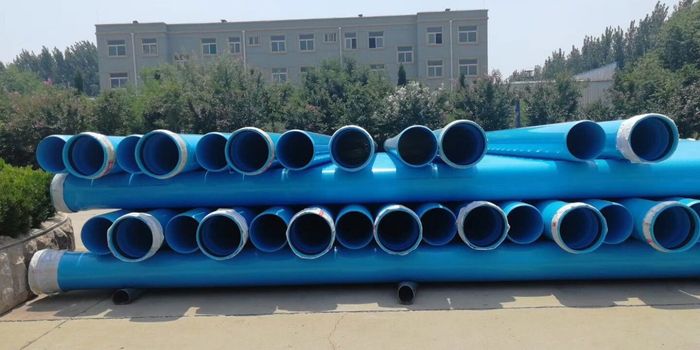
Sewer Lines
Sewer underground lines are used to carry dirty water and waste away from your home or building. These pipes keep your area clean. Hence, they also prevent diseases. You should never dig near them without checking. Because, it can cause damage and problems.
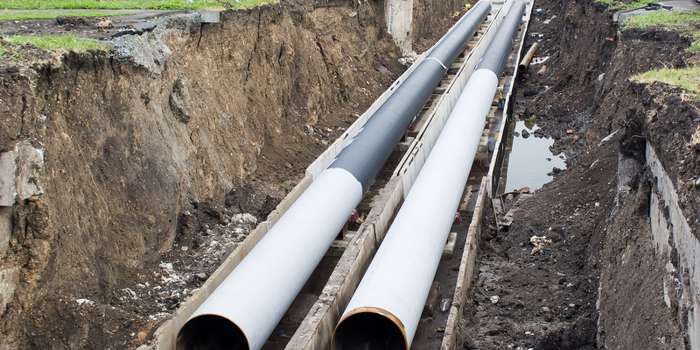
Electrical Cables
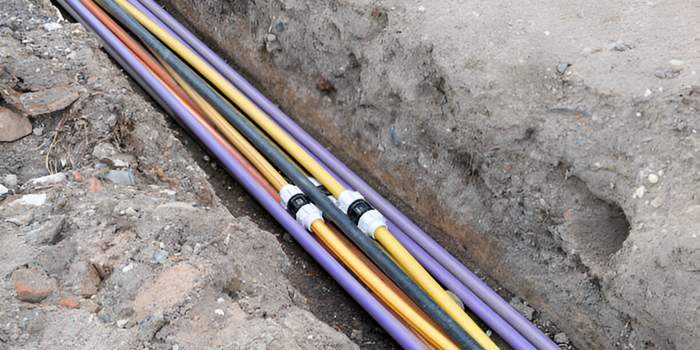
You can install cables under the soil to transfer electricity to your home, office & street lights. As these electric wires are hidden below the surface, they provide you maximum electrical safety as well. You should insulate these cables and mark them with warning markers.
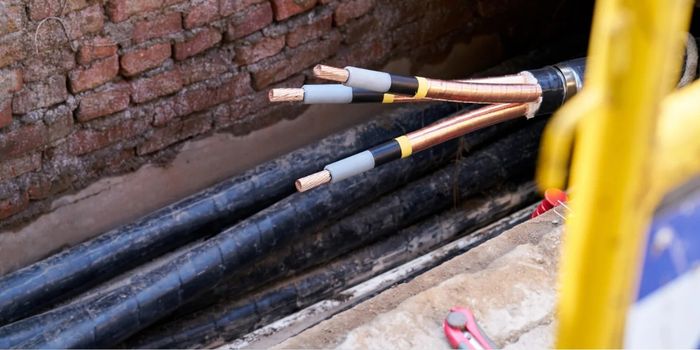
Telecommunication Lines or Fiber Optic Cables
Fiber optic cables are placed underground to provide you fast internet and TV services. Basically, these cables carry data as light signals, which makes them faster than traditional wires. They are protected under the ground to avoid damage.
Gas Pipelines
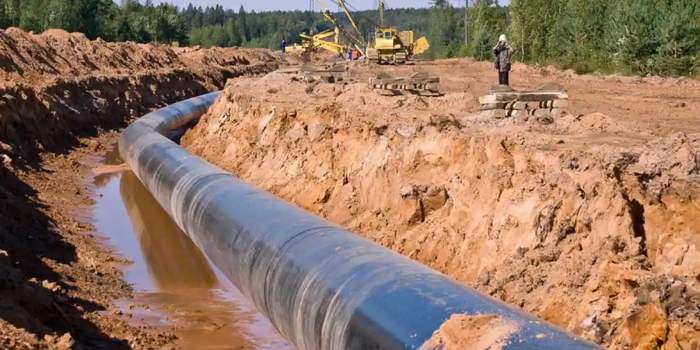
With underground gas pipelines, you can easily deliver natural gas safely to home and workplace. The pipelines are built strong and monitored to prevent leaks. If you dig without detecting their location, you can cause serious accidents or explosions.
Stormwater Drainage Systems
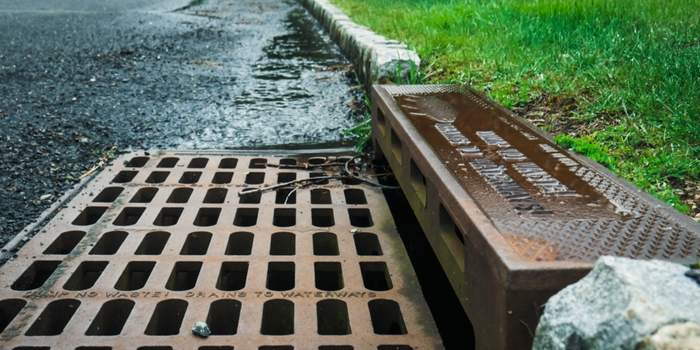
If we talk about stormwater drainage systems, it carries rainwater and melted snow away from residential areas. These underground pipes and drains collect water. Then, they guide water safely to rivers or treatment areas.
Irrigation and Sprinkler Lines
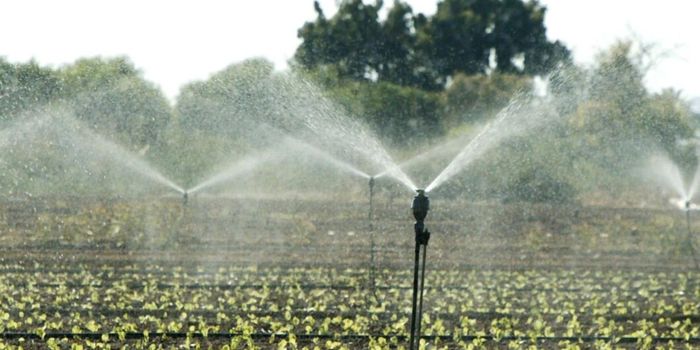
Irrigation and sprinkler lines supply water underground to your garden, farm or lawn. They make sure your plants get water regularly and stay healthy. You must be careful when digging. Because, if you accidently cut the pipes, it can stop water and damage your plants.
Underground Utility Installation
The installation of underground utilities is a very careful process. Hence, you need the right tools and safety steps.
- Planning and Permitting: Before you start, you should survey the site and check for existing utilities. You must know local rules. Then, you have to get the required permits. It’s also important to coordinate with utility providers, so connections are correct and safe.
- Site Set-Up & Excavation: Now, you can mark the routes for all utilities. For this purpose, you should use proper color codes to avoid confusion. Further, you should carefully choose the right digging method. For example: trenching vacuum excavation. Also follow safety rules to protect yourself and workers.
- Installation of Utility Conduits/Pipes: You have to place pipes and conduits in the trenches carefully. The minimum depth of underground utilities is 1 to 4 ft. You must choose the right materials for water, sewer, gas or electrical lines. After that, you can protect the pipes with sand or bedding. You can also use tracer wires if needed.
- Main Utility Lines Connection: In this step, you need to link your new pipes/cables to the main utility lines. Gas & electrical connections should be sealed. You must test connections to prevent leaks or faults.
- Backfilling & Soil Compaction: Now, you can fill the trench with soil. You must compact each layer to keep the ground stable. Always avoid the use of rocks & sharp debris, because they can damage the pipes/cables.
- Final Inspections or Testing: At this stage, you check all underground utility work. For example: you test the lines, joints or connections. This way, you can confirm there are no leaks or faults. Also verify the depth & protection of each utility.
Underground Utility Colors
| Color Code | Utility Type |
| Red | Electric power lines, cables & conduits |
| Yellow | Gas, oil, steam, petroleum pipelines or flammable materials |
| Orange | Communication, telephone plus fiber optic lines |
| Green | Sewer and drainage lines |
| Blue | Potable (drinking) water |
| Purple | Reclaimed water, slurry lines & irrigation |
| Pink | Temporary marking lines |
| White | Proposed excavation area |
Underground Utility Marking
It’s very important for you to mark underground utilities before you dig the soil. You can use colors or paint to show locations of water, gas, electricity or communication lines. To paint utility lines, you can use a marking robotic machine. In this way, you can avoid accidents, damage, costly repairs & service disruptions.
Underground Utilities Construction
Underground utilities construction refers to the installation, upgradation, plus repairing of utilities. Experienced contractors and excavation specialists always follow a standard process for successful buried utility projects.
What is Construction Plumbing?
It is an important service installed below the ground to provide several connections during construction. This service makes sure all underground systems are safely installed and follow local building codes. So, you can use water and sanitation services in your home or building safely.
Underground Utilities Companies
The companies who provide underground utility services include USIC and GRUNAU. Our factory JACKWIN is located in China. We manufacture safety products for underground utilities.
If you need workplace items for your projects, you can contact us. Our R&D team is ready to customize products according to your requirements. You can get high-quality products directly at factory prices. Below is a range of our products we offer for utility projects.
- Digging machines & Backhoe
- Underground warning tape
- Cable Protection Covers and Safety Tiles For Wires
- Marking Flags
- Warning mesh
Underground Utility Location / Underground Utility Mapping
Utility locating or mapping (UUM) reveals where utility lines, wires, pipes and cables are buried below the ground. It is important when you want to start a construction project and dig the soil. Because accidental damage to utility is dangerous. You need to know the exact position of water, gas, electrical or communication lines
How To Identify Underground Utilities?
There are several methods that you can use to locate utility lines. For example: you can use Electromagnetic (EM) locators, ground penetrating radar (GPR) or metal detectors. However, professionals mostly use utility maps or as-built drawings to see pipes/cables location.
You can also explore this Quora post to know how engineers locate hidden utility lines in construction projects.
How To Locate Underground Utilities Yourself?
Who to call to locate underground utilities? First of all, you need to call 811. Basically, it is the national “Call Before You Dig” number, which assists you with public lines marked for free. For private lines, you can use handheld tools such as EM locator or GPR.
You should look for surface clues. For example: meters, manholes, flags, or old paint marks. You have to dig carefully with hand tools near marked areas. Never forget to follow safety precautions.
Underground Utility Safety
You may face many challenges when you work with underground utilities. Hence, you must follow safety rules to protect yourself and others. Following are our recommended safety steps.
- Use proper tools
- Wear protective gear
- Follow local codes
- Mark & map utilities
- Work with professionals
- Install workplace safety signs
- Use Hand Tools Near Utilities
- Make Sure Trench Safety
Advantages of Undergrounding Utilities
Underground utilities offer safety from storms and damage. You can reduce outages and maintenance needs too. Other than this, you will get a clean area without overhead wires.
Furthermore, these utilities last longer and make future construction planning easy for you. As a result, you can keep both people and property safe.
Wrapping It Up
Now, you are well familiar with the importance of underground utilities for modern life and safe city operations. This system always needs careful planning & handling.
You should never start construction work without identifying the exact location of buried lines. For further inquiries or guidance about utility safety, you can talk to our team.
Commonly Asked Questions
What Can I Plant Over Underground Utilities?
You can plant grass and small shrubs over buried utilities. You have to avoid deep-rooted trees or large bushes. The reason is, their roots can damage pipes and cables. But, you can plant deep-rooted trees 10 to 20 ft away.
Can a Utility Company Dig in My Yard Without Permission?
Generally, utility companies need your permission or legal access before they dig on your property. However, they may have easements that allow them to maintain or repair lines without asking you.
Are Underground Power Lines Dangerous?
Unfortunately, yes. Because hidden power lines carry high-voltage electricity. It can cause shocks, fires, explosions or serious injuries if damaged. That’s why you should never try to touch or repair them yourself.
Underground vs Overhead Power Lines Cost?
According to a study, underground utility lines can cost 4 to 14 times more than overhead lines. For instance: a 69 kV overhead line costs you around $285,000 (for full set-up per mile). But for the underground option, you may need to spend approx. $1.5 million.


