

-80x69.png)
Air traffic can be crowded and risky because planes move fast in the sky. Without proper guidance, it leads to collisions or flight delays. That’s why air traffic control (ATC) exists.
In today’s article, you will learn everything about air traffic control and its working. We also explained different ATC phases and safety tools that you need for safe air travel.
What is Air Traffic?
Air traffic means all the airplanes which fly in the sky or move on the ground at airports. We can say it is the traffic of planes. It includes takeoffs and flights between airports.
You have to monitor air traffic and follow strict rules to stay safe. Organizations such as the International Air Transport Association (IATA) and the International Civil Aviation Organization (ICAO) set these rules.
Air Traffic Control System
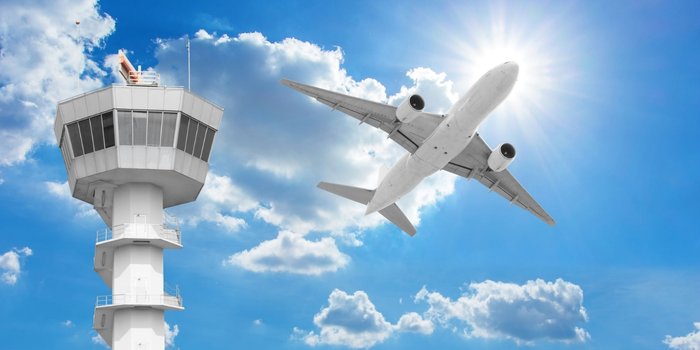
The air traffic control (ATC) system is a set of tools and technology which is used to manage aircraft operations. This service handles plane movement in the sky and on the ground. With the ATC system, you can prevent collisions and keep air traffic organized.
You track planes, guide their routes plus make sure safe distances between them. Some countries also use it to assist planes in areas without full control.
Who Manages ATC?
ATC is managed by national aviation authorities in each country. These authorities control the systems and keep the air traffic organized. They also create standards which keep flights safe and smooth in all controlled airspace.
7 Phases of Air Traffic Control
Air traffic control works in different phases to keep every flight safe and smooth. Aviation lights guide planes in the air and on the ground during all these phases. You should follow these standards from the ground to the sky and back to landing.
1. Preflight
The preflight phase starts before the plane leaves the ground. You will receive weather updates and safety information. The system checks your flight path and prepares everything for a safe takeoff. You have to check the aircraft for safety like tires, controls, fuel levels & instruments. Also, confirm the weight and balance of passengers and fuel.
2. Takeoff
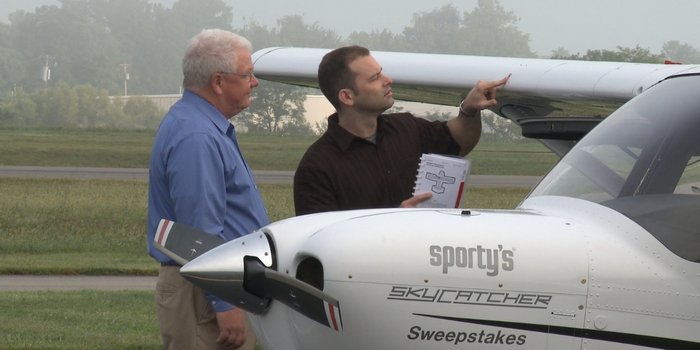
It is the movement of aircraft from the ground into the air. The control system gives you clearance to depart. At this stage, you must use full engine power and keep an eye on your speed. You can lift off when the plane reaches its correct speed. Then, you can raise the landing gear and start a stable climb.
3. Departure
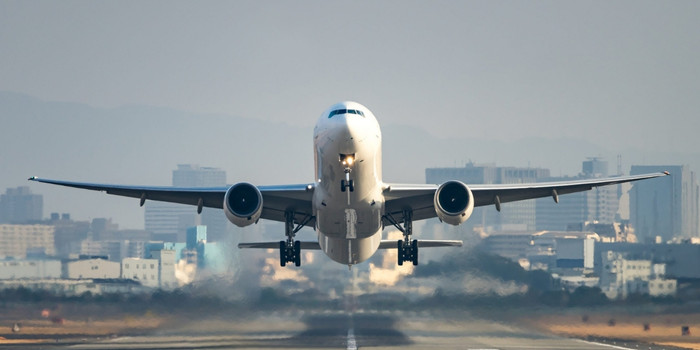
After takeoff, you need to follow your assigned flight path. Always climb to cruising altitude. The system guides you to stay on course and avoid other aircraft. Hence, you should watch your speed and altitude carefully during this phase.
4. En route
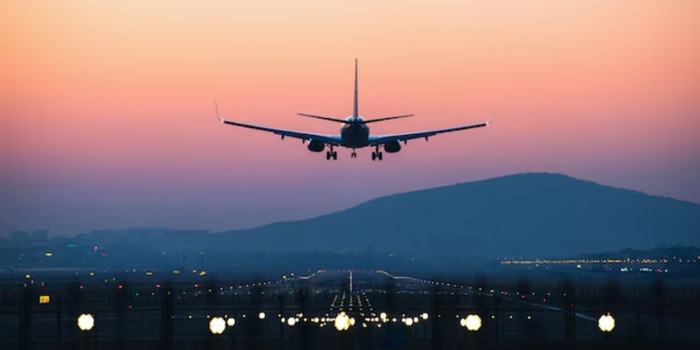
During en route, the plane flies at cruising altitude between airports. You must follow your route and stay in touch with air traffic control. Basically, long flights are handled by ARTCCs. They watch large areas of airspace and guide the flow of planes too.
5. Descent
The descent phase starts when the aircraft starts to move lower than cruising altitude to the airport. At this time, you need to follow air traffic control instructions to stay on the correct path. You should assess the speed and altitude to get ready for landing.
6. Approach
The approach starts when the plane nears the airport. Further, controllers guide planes, so you can land safely. They also control the accurate space between aircrafts direct them toward the runway. Beacon lights assist you to see the airport and line up with the runway
7. Landing
Finally, the air traffic control tower will give clearance to the pilot for landing. To land safely, you should follow air traffic control instructions. Moreover, you have to slow down, lower the landing gear and then steer the plane on the runway.
How Does Air Traffic Control Work?
The whole control system of air traffic guides planes throughout their journey. This system uses many tools to keep flights safe. These include radar, two-way radios, navigation tools and skilled personnel.
Air Route Traffic Control Centers
The air route traffic control centers guide planes in specific areas and aircrafts which cover long distances.You must obey ARTCC instructions for safe flying. They control all traffic except what the control tower or TRACON handles.
With the use of radar, they keep you and other planes separated. When you leave one ARTCC, the next ARTCC will guide you. There are 22 ARTCCs in the air traffic control system of the United States.
Terminal Radar Approach Control (TRACON)
This system will take control of your plane when you are 30 to 50 miles from the airport. It uses radar and gives you instructions. This way, your craft can maintain safe distance with other planes.
Further, they guide your approach or departure. When you are landing, TRACON hands you to the local control tower. But, if you are departing, the ARTCC will manage the operation.
Air Traffic Control Towers
Air traffic control towers are the most important structures at airports. These towers guide planes on the ground and near the airport. As a pilot, you have to follow their instructions for takeoff & landing.
You will notice bright and flashing or warning lights on the top of towers. The tower also tells you important information. For example: the runway in use, wind, altimeter setting, visibility and your position in the landing/takeoff order.
Ground Control
The responsibility of ground control is to guide planes when they move airport taxiways and ramps. But, you still require two-way communication (tower & ground control), so you can avoid accidents.
Ground control has an important role at large airports. You need to follow their instructions for safe takeoff or go to the gate after you land the plane.
Clearance Delivery
If we talk about clearance delivery, it is a service at the airport which gives you permission & instructions before your flight. The air traffic control tower gives you permission before your flight starts.
They tell you your approved route, radio frequencies, departure steps plus altitude. After that, the ground control directs you on the ground to the runway.
Flight Service Stations
It is the final part of air traffic control. Flight service stations (FSS) assist pilots with flight information. You can call them to get weather reports, plan your route or receive safety tips. Actually, they do not control planes, but are useful for you to prepare and stay safe during your flight.
Coordination of Services
Air traffic control works as a team to keep flights safe. Pilots always rely on controllers, ground staff as well as flight service to communicate and share information.
This way, planes can take off and land without problems. Throughout your flight, you will stay under air traffic control and radar monitoring for maximum safety.
What Does an Air Traffic Controller Do?
Air traffic controllers (ATC) are professionals who guide planes to keep flights safe and organized. You follow their instructions for takeoff, landing, movements and flying between airports.
Generally, ATCs work in busy environments in shifts at towers or control centers. They watch your craft speed or altitude to prevent accidents and maintain smooth travel.
Types of Air Traffic Controllers
| Air Traffic Controllers Types | Responsibilities |
| Tower Controllers | They guide planes on the ground and near the airport to prevent collisions |
| Approach Controllers | Their job is to stay update planes when they are close to the airport or leave it |
| Terminal Radar Controllers | These controllers manage planes in the airspace around busy airports. Plus, they keep your plane with other crafts |
| En-Route Controllers | En route controllers guide planes between airports when pilots fly the aircraft at cruising altitude |
| Area Controllers | Area controllers are responsible to watch planes over large regions of airspace & hand them off to other centers |
| Oceanic Controllers | The flights over oceans zone (where radar may not reach) are managed by oceanic controllers |
Air Traffic Safety
Air traffic control systems use various techniques & tools to keep planes and passengers protected during flights. Safety covers every part of the flight including takeoff to landing. Below is a list of products/methods that are used for air traffic safety.
- Beacon Lights
- Runway Centerline Lights or Taxiway Lights
- PAPI (Precision Approach Path Indicator) Lights
- VASI (Visual Approach Slope Indicator) Lights
- Stop bars & wheel chocks
- Wind socks
- Runway & taxiway signs
- Radar systems
- High Visibility Vests For Workers
- Radios/Communication Systems
- Navigation Aids (VOR, ILS or GPS)
- Weather Monitoring Equipment
- Ground Surveillance Radar
- Emergency Vehicles
Air Traffic Safety Electronics Personnel
Basically, air traffic safety electronics personnel maintain and repair the electronic systems which you used in air traffic control. They keep radar, radios, lights and navigation tools functional correctly.
Hence, you can make sure safe flights and get instructions from controllers without any problems.
Final Note
We can say there is a huge system which works behind a safe and successful flight. Controllers, radar, lights and communication tools all work together to prevent you from accidents. You should always follow air traffic rules and safety procedures (airport signs & markings).
For more information about air traffic control, you can contact us. Our team will provide expert advice and answer your questions about ATC systems.
FAQs
What are Collision Avoidance Systems in Air Traffic?
Collision avoidance systems are tools that are used to reduce the risk of plane crashes. You receive warnings if another aircraft moves too close. These systems guide you to change altitude or direction to stay safe.
How Many People Fail ATC Training?
Many people start air traffic control training, but only a portion complete it. Around 30 to 35% fail at the FAA Academy. Additionally, another 20% may fail at their first job site. You can see a reddit post in which users discuss the reasons why people fail ATC training.
Which is the Tallest ATC Tower in the World?
The tallest air traffic control tower is at Jeddah King Abdulaziz International Airport in Saudi Arabia. It is 136 meters (446 feet) tall. However, the Guinness World Records lists KLIA2’s control tower (in Malaysia) as the official tallest ATC tower.


