

-80x69.png)
In today’s well researched guide, you will understand how gas pipelines are set up and their working. I have explained various installation methods, pipe types, safety tips and the right time to replace gas lines.
This article also discusses risks and solutions when you work with gas pipeline installation. All explained in easy words for you.
What is Gas Pipeline?
A gas pipeline is a network of long and strong pipes. This setup is used to carry gas across a wide area. You can use a gas pipeline to move gas underground or above the ground. It is the safe way to transport gas to end users in buildings, offices, factories or businesses.
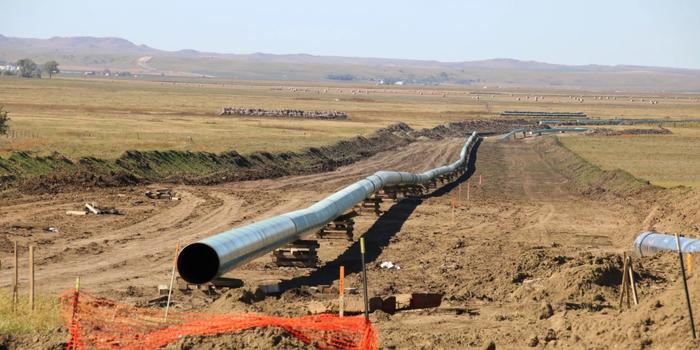
How To Install a Gas Line? Pipeline Installation Procedure
The installation of a gas pipeline is a dangerous process. Because gas is flammable and small leaks can cause fire or explosion. Hence, you must follow proper steps and strict safety rules to install a gas pipeline.
1. Prepare Layout & Pipe Routes
You should mark the path where the gas pipeline will be placed. For good planning, you can check for obstacles such as roads, buildings, trees and other utilities. Then, you need to mark the route clearly on the ground. With a clear layout, you can install the pipeline safely and without mistakes.
2. Get Pipeline Clearance
You require official approval from the gas company before starting work. The company will check your planned route and make sure it is safe. You have to clearly tell them how you will use the gas such as for cooking, a water heater or a wall-mounted boiler.
If you are a commercial user, you can give an estimate of the scale. The gas company staff will record your information. They also take your contact details and explain the next steps. This way, you can follow legal rules and avoid accidents.
3. Site Planing
At this stage, you need to prepare the site before installation of the pipeline. You have to make sure the ground is level and safe to work on. Always keep the work area marked and restricted to avoid accidents.
For this purpose, you can install caution signs and barriers. The workers or engineers must wear PPE such as reflective clothes and hard hats. Also inspect all tools and machinery before use.
4. Pipeline Excavation
Pipeline excavation is the process of digging the trench for the gas pipeline. You should dig carefully along your planned route. Remember, you need to make sure the trench is the correct depth & width. You can use machines such as excavators or backhoes to dig faster.
For small or narrow areas, hand tools like shovels are a better option. Further, it’s important to remove rocks and debris to keep the pipeline safe. Always follow safety rules and keep your work area clear.
5. Pipe Derusting, Anti-Corrosion & Painting
Before you start the pipeline installation work, the one important step is the protection of pipes. For example: you must clean the pipes first, if you see rust. Then, you can apply an anti-corrosion coating. It will stop the pipes from rusting in the future.
Finally, you should paint the pipes for extra protection. These steps make the pipeline strong and long-lasting. Workers must use gloves and masks when working with paint or coating.
6. Pipe Welding / Electrofusion Connection
Now it’s time to join the pipes. There are two main ways: welding and electrofusion. In welding, you have to heat the ends of pipes and melt them together. As a result, you can prepare strong and permanent pipe links.
But if you want to use the electrofusion method, you use special fittings with built-in heaters. Basically, the fitting melts and joins the pipes when electricity passes through it.
7. Pipe Laying
Now, you can lay the pipes in the trench. The placement of each pipe must be along the planned route. Feather, you need to make sure the pipes are straight and properly aligned.
You can use supports if required to keep them stable. You should not bend, drop or hit the pipes. Because this can cause damage. Moreover, you can mention small gaps for expansion and make sure the pipeline follows the slope for drainage too
8. Pipe Backfilling
Once your pipes are in place, it’s time to cover them. First, you can add a soft layer of sand or fine soil around the pipes. This protects them from stones and sharp objects. Then, you should fill the trench in layers.
Never forget to press each layer gently to keep the pipes stable. It is important because backfilling prevents damage and keeps your pipeline safe for years.
9. Installation of Valves or Accessories
You must add wolves and other accessories, such as pressure regulators and clamps. Valves let you control the gas and turn it off when needed. You can also install meters or fittings to make the system work correctly. You must fit each part carefully and check it for leaks.
10. Pipeline Purging
Pipeline purging refers to cleaning dust and leftover debris from inside the pipes. You can use air or nitrogen to do this safely. So, you can make the pipeline safe before gas enters. It also reduces the chance of leaks or accidents.
11. Strength Test or Air Tightness Test
You have to inspect the strength of pipeline setup, so it can handle pressure without leakage or breakage. To check this, you can fill the pipeline with air or water.
Then, increase the pressure to adjust the right level. If you notice that the pressure is stable, it means the pipeline is strong.
Gas Pipeline Installation Methods
There are several techniques which you can use to install a gas pipeline. But, each method works for a specific ground condition as well as project size. So, you should carefully choose the gas line installation method.
-
Pipe Ramming
With this method, you will push a steel pipe into the ground with the help of a powerful pneumatic hammer. It is the ideal way when you don’t want to dig a trench in tough ground.
Basically, the hammer hits the end of the pipe and then drives it forward in a straight & horizontal line. After the outer pipes reach the target point, you can clear the soil inside it. This will create a clean space for the new pipeline.
-
Microtunneling
You can choose this method when pipeline installation is needed in busy cities or places with other underground utilities. This method offers you high precision due to the use of a remote-controlled machine.
You operate the MTBM (microtunnel boring machine) from the ground level. It also reduces manual work. With this machine, you can dig the soil and push the pipes forward at the same time. This way, you can also keep the alignment and depth accurate.
-
Open Cut or Trenching
If we talk about open cut or trenching methods, this is a traditional and commonly used for gas pipeline placement. This technique is simple and works well for short distances or areas.
It also allows you to see the pipeline during installation. Hence, you can check connections easily and fix problems. However, it can disturb the surface, so you need to plan carefully and follow safety rules.
-
Horizontal Directional Drilling
In horizontal directional drilling (HDD) approach, you will need a drilling machine. This machine is used to create a horizontal hole along the planned route. Then, you can pull the pipeline through the hole. It reduces the ground damage. Furthermore, you can complete your gas line installation project without disturbing the flow of traffic.
-
Pipe Bursting
Well, pipe bursting is a process to replace old pipelines. You will not need to dig a full trench. You can break the old pipe from the inside with a bursting tool. It will push pieces of the old pipe into the surrounding soil. At the same time, you can pull the new pipe into place.
Types of Gas Pipes Used For Installation
There are different types of pipes you can use for gas pipelines. Each type has its own features, materials, strengths plus suitable applications.
Gas Pipeline Material-Based Types
| Gas Pipe Types | Our Recommended Method For Gas Pipeline Installation |
| Black Iron | Open Cut / trenching |
| Plastic Pipes | Microtunneling & Horizontal Directional Drilling (HDD) |
| Hot Dip Galvanized Steel Pipe | Pipe ramming/open cut |
| Polyethylene (PE) Gas Pipe | Horizontal Directional Drilling (HDD) or Microtunneling |
| Aluminium-plastic Composite Pipe | Microtunneling and Open Cut |
Gas Pipe Installation Regulations
As we mentioned, the installation of a gas line is a risky process. So, you have to follow some strict rules and safety standards.
- You should choose the right size of pipe. It will decide the flow of gas and all your appliances get enough gas to work properly.
- Always use certified pipes, fittings, pipe wrenches and valves. Also, they must meet industry safety standards.
- The use of the right tools to cut the pipes is also important.
- When the installation of a new gas line is in process, you should keep the main gas valve off.
- Only trained and licensed workers should handle gas pipe installation.
How Gas Pipeline Works?
Gas pipelines transport gas from the supply source to your home or building. In its working, the valves and regulators control the flow and pressure of the gas. The pipeline delivers gas safely and efficiently for cooking or other uses.
Who Installs Gas Lines?
Generally, trained and licensed professionals install gas lines. These experts know the safety rules and proper installation techniques. That’s why, they make sure the pipeline works safely for homes and industrial uses.
Gas Pipeline Installation For Home
A home gas pipeline provides you a safe and stable supply of gas for cooking and various other household works. It connects your home to the main gas network. With proper installation, you will get risk free and reliable energy for daily use.
Natural Gas Pipeline Life Expectancy
Natural gas pipelines are designed to last many years. But, it all depends on its installation method and maintenance. Mostly, the lifespan of a gas pipeline is 50 years.
But, with high level protection and quality materials, you can keep them functional for 80 years. Also note that older cast iron pipes need replacement in less time. However, plastic pipes last longer and do not rust.
Gas Pipe Installation Hazards and Control Measures
| Gas Pipeline Challenges | Our Proposed Solution |
| Gas leakage during installation | You should check all joints & connections for tightness. Also use proper fittings |
| Fire/explosion risks | Always keep fire extinguishers nearby and avoid sparks. Must follow proper PPE use and install warning signs |
| Underground utility damage | Use proper site surveys and mark all existing utilities before you dig the ground |
| Pipe corrosion & Trench collapse | You can apply anti corrosion paint and support trench walls |
| Worker injury and Trench collapse | You must provide protective vest and maintain safe working conditions |
| Pressure failure | you need to conduct strength and air tightness tests before use |
When Should Gas Lines Be Replaced?
Gas lines need replacement if they show you signs of damage or leakage. For example: cast iron or steel pipes may wear out sooner (over 20 years). You may need installation of new gas pipes if you notice signs such as rotten egg smell, hissing sounds or non functional appliances.
How Much Does a Gas Pipeline Cost?
Well, gas pipelines cost around $5.75 million per mile on average. The cost of a gas pipeline depends on many factors. These include pipe length, type, installation method you choose and local labor charges. Other aspects such as permits and safety equipment also affect the total price.
FAQs
Can I Install My Own Gas Pipe?
No, you should not install gas pipes yourself. Because, gas pipe installation is dangerous and requires licensed professionals. Also, improper installation leads to fires or explosions. So, you should always hire experts.
What is the Longest Gas Pipeline in the World?
The longest gas pipeline in the world is the West-East Gas Pipeline, which is located in China. It expanded over 8700 kilometers (approx. 5400 miles). This gas line carries natural gas from western China to the eastern regions.
Conclusion
In short, you should remember that gas pipeline work requires skill and the right methods. When you follow all the steps mentioned above, you keep your property and your family safe. As a result, your gas system will operate smoothly for many years.
If you have any confusion, you can call our experts for professionals guidelines and safety products.


