

-80x69.png)
Based on reports from the Australian government, the cost of traffic congestion could reach around $30 billion in 2030. Another research tells, more than 10 million people suffer serious injuries in traffic accidents every year.
This highlights the need for effective traffic control systems. Read our today’s expert guide to know different traffic control methods and why it is important for your safety.
What is Traffic Control?
Traffic control is the process to manage all modes of transport and traffic movement on roads. It protects you from accidents and traffic jams. It tells you where to stop and when to move.
You see traffic control implemented by different road lines, rules, strategies and tools. Police officers are also involved in traffic control on busy roads. When you follow these rules, you can stay safe on the road and avoid danger.

Traffic Control Zone
A traffic control zone is a temporary road area where you can manage traffic rules for safety. You will find these regions at construction sites, maintenance work or accidents.
Basically, you will see four parts in traffic control sections. These include advance warning area, a transition area (taper), the work area and a termination area.
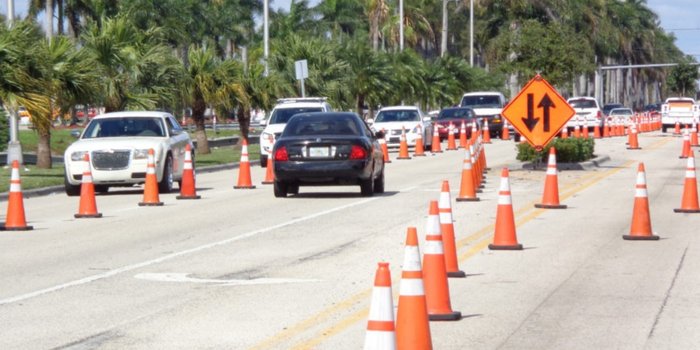
Traffic Control Management
Traffic control management is how authorities plan and organize traffic control. For example: it decides where signs place, how officers guide traffic to keep roads safe. In short, traffic control is what you see & follow, but traffic control management is how it is planned.
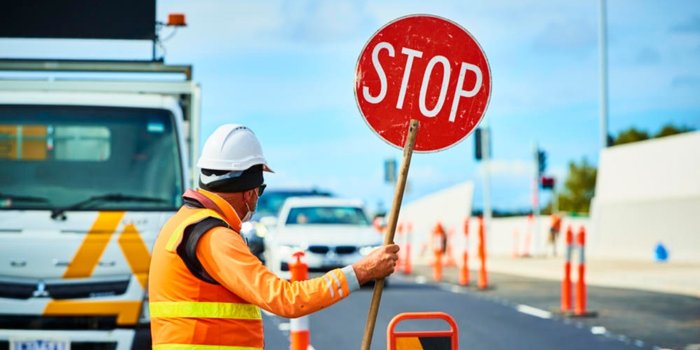
What are Traffic Control Devices?
Traffic control devices (TCDs) are tools which are used to handle the flow of traffic. You see them on roads to warn and inform you. For instance: message boards, flashing beacons, delineator posts, traffic drums or barrels.
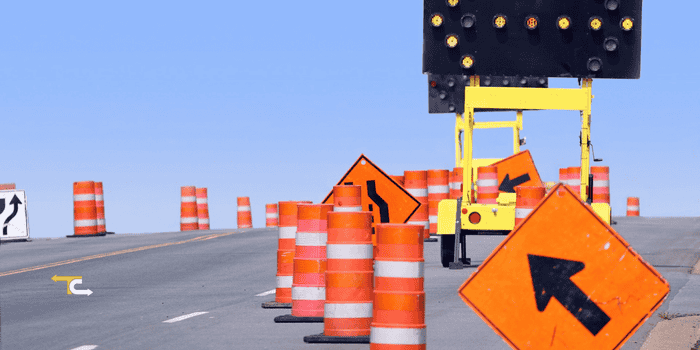
What is the Purpose of Traffic Control Devices?
The purpose of traffic control devices is to keep you and others safe on the road. These devices indicate warnings such as sharp turns or construction work. They also promote smooth traffic flow and prevent jams.
Types of Traffic Control
Traffic control systems are used at several places. For each type of site or area, you need to follow different techniques and devices. Below are some examples where you need to manage traffic.
Marine Traffic Control
Marine traffic control refers to the system which you can use to keep ships movement safe on water. You have to guide boats, ships or ferries in busy ports and waterways.
You must follow signals, lights, signs and markers to avoid collisions. With marine traffic control, you can keep water routes organized and protect people and cargo on board.
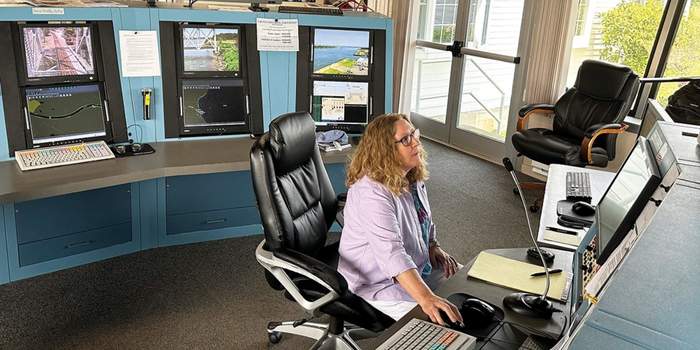
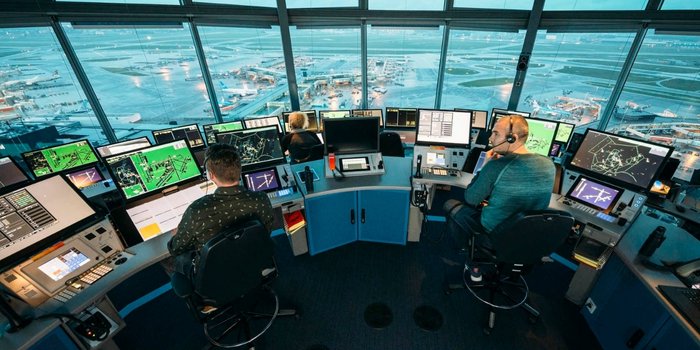
Air Traffic Control System
Air traffic control (ATC) is a system which handles airplanes or crafts traffic in the sky and ground. As an air traffic controller, you guide pilots during takeoff, flight, departure and landing.
You can use radar and communication to prevent collisions. The system keeps air routes organized and makes sure passengers and aircraft stay safe.
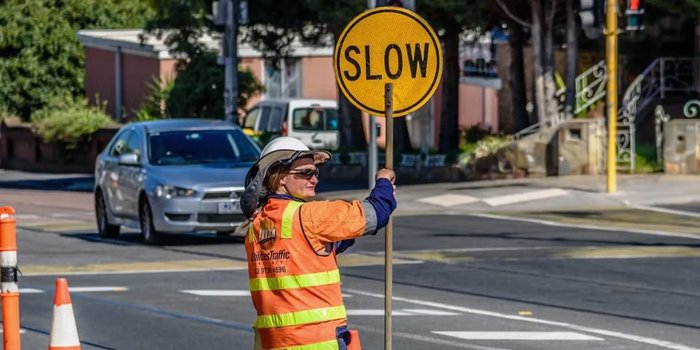
Road Traffic Control
On busy streets, traffic requires clear guidance to keep everyone safe. The overall process to manage vehicle flow is called road traffic control. You need to follow signals/signs and road markings.
Officers may also direct vehicles in crowded areas. You have to enforce this system to avoid accidents and protect other drivers.
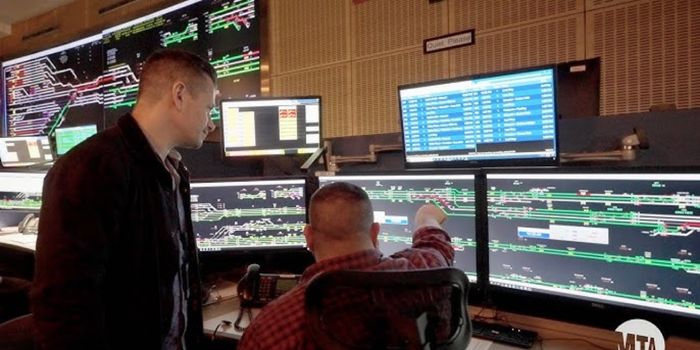
Rail Traffic Control
If we talk about rail traffic control, it means the system which keeps trains safe on their tracks. You should follow signs and track switches to know when to stop or move.
Furthermore, you need to plan train routes and schedules to avoid accidents. This system manages passengers and goods at railway stations.
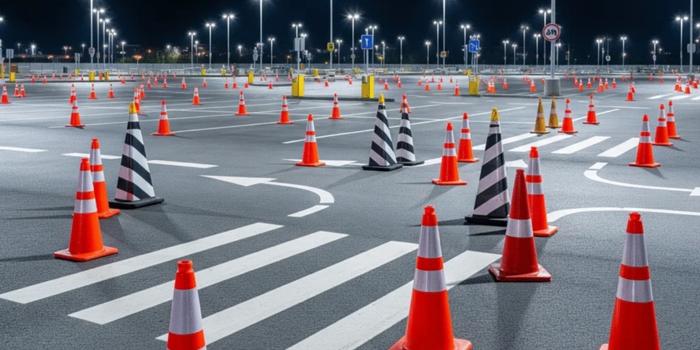
Parking Lot Traffic Control
To manage parking areas, you must install parking signs and parking lot traffic control devices. This way, you can organize the movement of vehicles in parking lots.
You can use many other equipment to control traffic in parking zones. These include speed bumps, parking & stop signs, safety barriers, marked lanes and bollards.
Traffic Control Ticket
A traffic control ticket is a legal notice which you will get when you violate traffic rules. You may receive a ticket for speeding, red light violation, illegal parking and avoid road signs.
In traffic control, this method is used to enforce the rules you see on the road. The ticket tells you what you did wrong and the fine you must pay. We can say, these tickets encourage you to obey traffic control systems.
Traffic Control Methods
You can use several approaches or ways to control traffic on roads and other areas. These methods are useful to keep transport safe, clear, organized and under control in busy/risky zones.
Traffic Enforcement
It means police and systems that make sure you follow traffic laws. As safety officers, you need to patrol roads and use cameras to check safety & speed of vehicles.
Drivers may face penalties if they break rules such as speeding or unsafe driving. This enforcement prevents accidents and motivates you to drive in a safe and responsible way.
Roads Checkpoint Monitoring
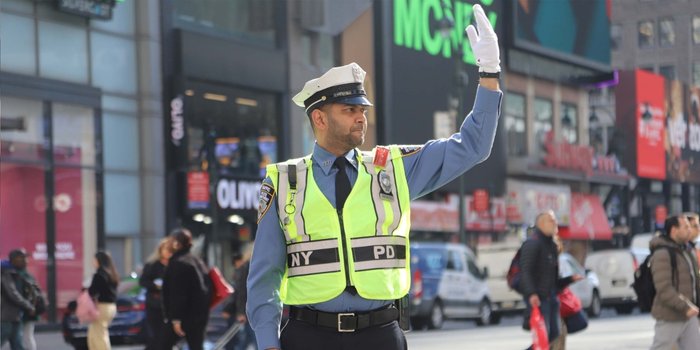
Roadside checkpoint monitoring refers to observation of transport at fixed points on highways. You will see police stop vehicles to check documents, safety rules, license or traffic flow.
Officers guide you and may ask you to slow down or stop your car. This traffic control method is a powerful way to improve safety and reduce traffic offense.
Accident Management Systems (AMS)
These are tools which you can use to record as well as handle road accidents in a clear way. Moreover, authorities use AMS to record accident details and track locations.
It also assists road safety teams to respond faster and clear routes sooner. With this method, you can improve vehicle flow and minimize chances of dangerous vehicle collisions.
Vehicles Remote Monitoring System
Vehicle remote monitoring approach used to track your vehicles from a distance. This system uses GPS, ANPR cameras, sensors & telematics. It shows you location, car speed plus movement in real time.
Therefore, traffic teams use this system to control transportation and respond fast to issues. This way, you can improve safety and manage transport more effectively.
Manual Traffic Control
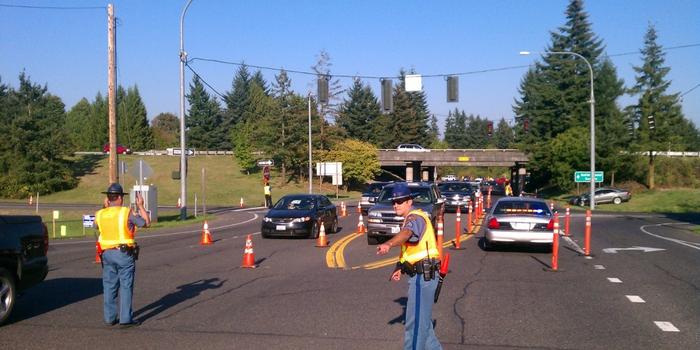
MUTCD sets clear rules for manual traffic control. All personnel involved in vehicle control must wear high visibility vests. You can perform manual traffic control if you are trained and qualified personnel. This technique is best in case of traffic signal failure.
You can use tools like stop/slow paddles, hand signals, whistles or flags to guide traffic. Manual traffic control can be dangerous, so proper preparation and training is required.
Automated Flagger Assistance Device (AFAD)
You can use an automated flagger assistance device to control traffic safely at work zones. It operates with lights and a moving arm to guide single-lane traffic. Hence, it reduces the need for a person to stand in traffic.
You must follow its instructions to stop and slow down. AFADs improve safety for drivers and workers with control of traffic efficiently in dangerous areas.
Traffic Control Plan (TCP)
A traffic control plan is basically a guide which shows you how traffic should move safely in work zones or during road incidents. Generally, it is used in the construction industry to control the traffic around work sites.
You can use it to know where you need to place signs, signals, barriers and personnel. A TCP also prevents accidents, reduces traffic jams, guides pedestrians and protects workers/drivers.
Traffic Control Techniques or Traffic Control Equipment
Traffic control uses various devices and equipment to guide you safely on the road. These tools are installed to manage traffic flow, prevent accidents, protect drivers & pedestrians in different areas.
- Cones For Traffic Control
- Traffic Bollard
- VMS Trailers
- Traffic Control Barriers
- Traffic Signs and Signals
- Arrow Boards For Traffic Control
- Traffic Control Beam Barricades
- Traffic Control Speed Bumps
- Truck-Mounted Attenuator
Importance of Traffic Control
Traffic control is important to keep your roads safe and organized. Following are advantages of vehicle flow control.
- Promotes road safety
- Prevent accidents
- Manage traffic flow
- Protect workers
- Safeguard pedestrians
- Improves emergency response
- Organize vehicle movement
- Reduces congestion
To Summarize
So, there are different methods and systems behind safe traffic on roads, rails, in the air and on waterways. You can see each system is used for a specific purpose. It’s your responsibility to follow traffic rules and safety procedures.
Contact our team if you need traffic control equipment for your project. We can provide signs, traffic cones, barriers and other products at factory price.
People Also Ask
What is a Traffic Control Flagger?
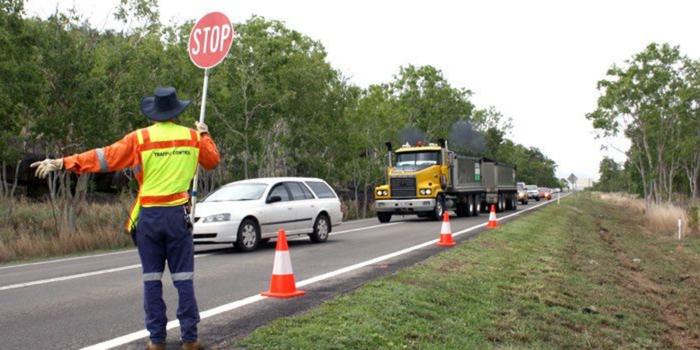
A traffic control flagger is a trained person who directs vehicles in work zones or busy areas. You have to follow their hand signals & flags to know when to stop or slow down. They control traffic flow, reduce hazards, emergency situations and manage speeds.
Do I Need Permits For Traffic Control Setups?
Yes, you definitely need permits for traffic control setups in work zones or public roads. It makes sure your equipment, signs, barriers and equipment meet safety standards. However, the type of permit depends on your local or state rules.
What is the Speed Limit in a Construction Zone?
The speed limits around the work zone are mostly lower than the regular road speed limit. Generally, the speed limit for construction areas is between 45mph to 55 mph. You should always check signs to know the exact rule.
What is the Difference Between Flagging and Lane Closures?
Flagging is when a trained person guides you on the road with signals, flags or paddles. On the other hand, lane closures means blockage of one or more lanes for work or accidents. That means, flagging directs traffic & lane closures block or redirect it for safety.


