

-80x69.png)
In today’s simple guide, you will learn what reflective studs are and how they work on roads. I have explained their types, colors, uses, and proper installation steps. You will also see where different studs are placed on motorways and why they are important for your safety. All is described in easy words for you.
Reflective Studs Meaning
Reflective studs are small and raised safety markers that you can fix on roads. You see them on highways and streets. Basically, they reflect light from your vehicle’s headlights.
This way, you can see lanes and road edges at night. Due to these studs on your way, you can drive safely in rain or low light. They are installed to guide you and reduce accidents.
How Do Reflective Road Studs Work?
Reflective road studs work through retroreflection (reflection of light). They contain glass beads or reflective lenses. So, when your vehicle’s headlights hit them, the studs capture light. Then, they shine back directly to your eyes. This makes the road lines highly visible to you. Hence, you can follow your lane clearly.
Different Reflective Studs
What are the different reflective studs on a motorway? There are various types of reflective studs you can see on roads. They are made of different materials, and each type has its own strength and purpose.
Plastic Reflective Road Stud
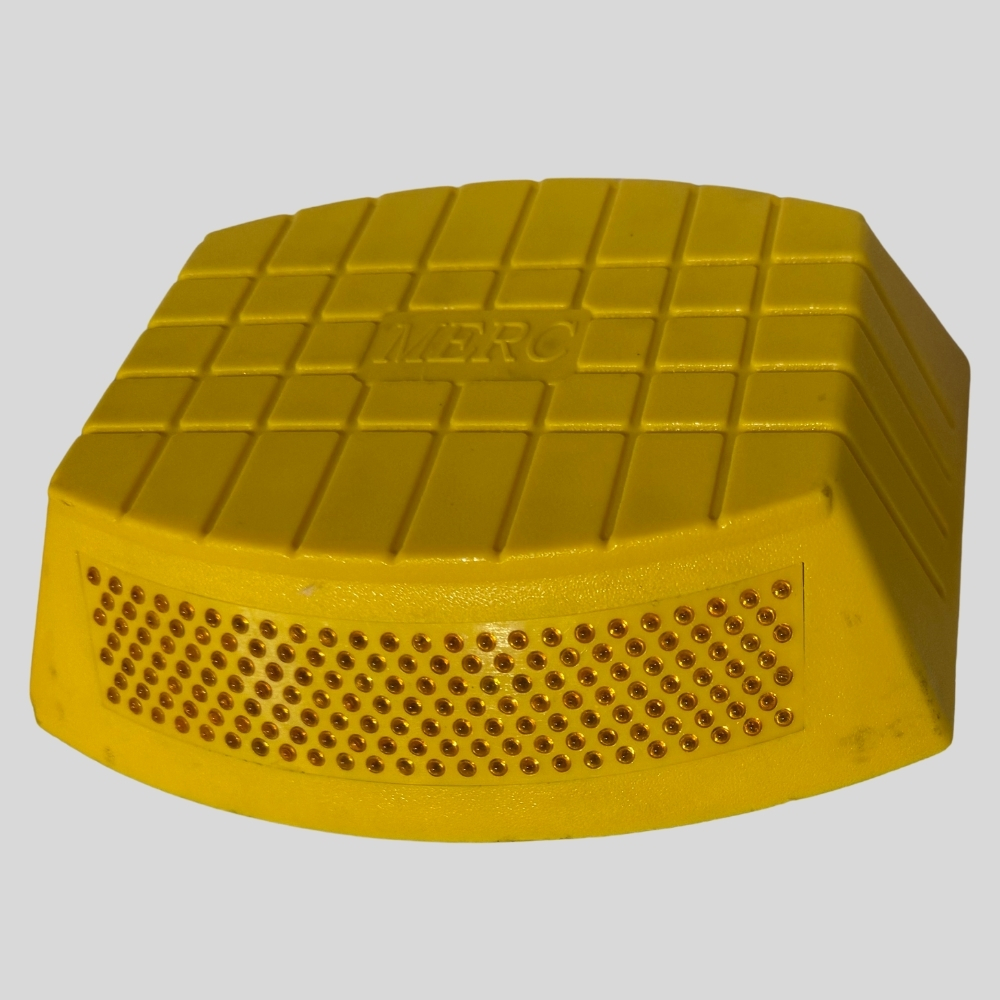
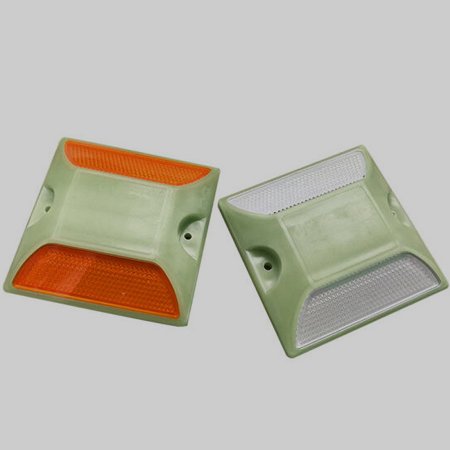
Plastic reflective road studs are lightweight and durable devices that you will find in low-traffic areas. They have built in reflectors which shine when your car headlights hit the stud.
These studs are easy to install and make it easy for you to see lanes and road edges clearly at night or in bad weather. You can use them for temporary highway marking.
Aluminium Reflective Road Studs
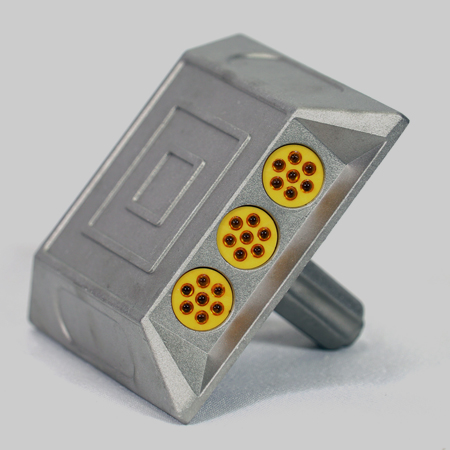
If we talk about aluminium reflective road studs, they are made from high quality aluminium. The metal resists heavy traffic, sun, rain and cold weather. Their reflective panels are mostly made from acrylic or glass. This combination of materials makes them long lasting and highly visible on highways and busy roads at night.

Ceramic Reflective Road Stud
These road studs are built with strong and heat-resistant ceramic. That’s why they can handle heavy traffic and harsh weather damages. You will find its reflective surfaces (360° studs) are made of glass or acrylic. When your vehicle passes over them, these studs commonly create noise and vibration for you.
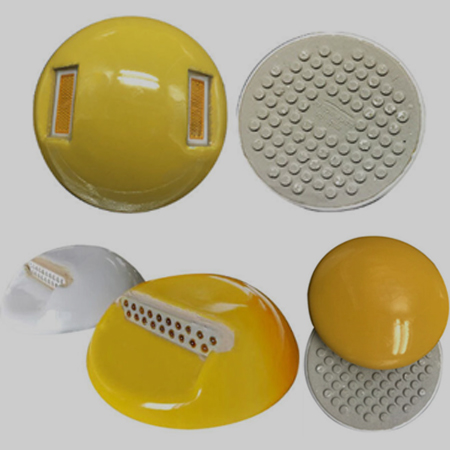
Glass Reflective Road Studs
Glass reflective studs use tempered glass for strength and durability. These studs are installed on highways to improve visibility for lanes and traffic control in darkness or fog.
To handle heavy vehicle flow, they mostly include internal reflectors. Furthermore, glass reflective studs have smooth surfaces for easy cleaning and gives drivers 360 degree visibility.
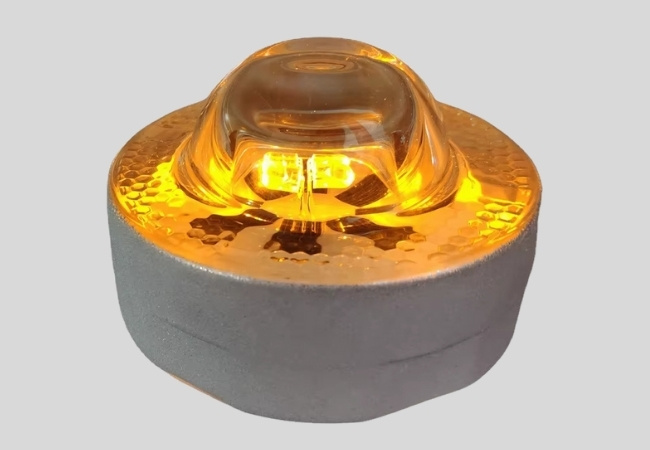

Solar Powered Road Studs/LED Road Stud
Solar powered road studs use solar energy to light up at night. They are also called LED road studs. Due to built in solar panels, they charge during the day. At night, they emit bright LED lights, which make it easy for you to see lanes, crossings or hazards.
Also, some flash to warn drivers of sharp turns or obstacles. These studs are waterproof and last a long time.
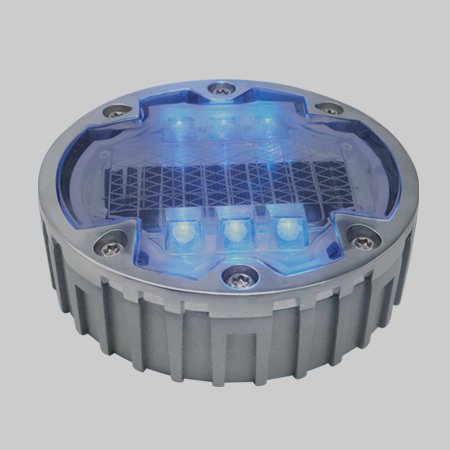
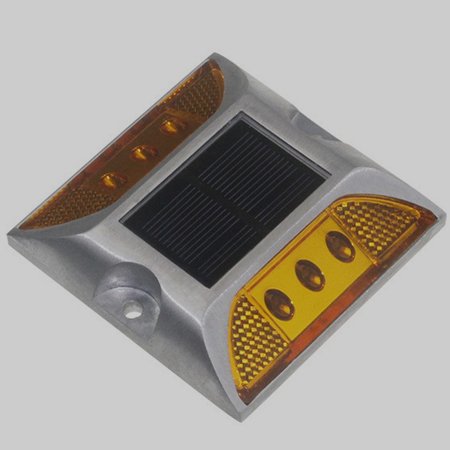
Reflective Studs on Motorway Colour/Highway Code Reflective Studs
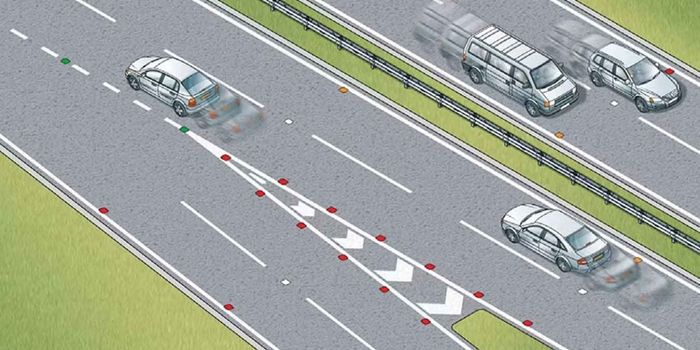
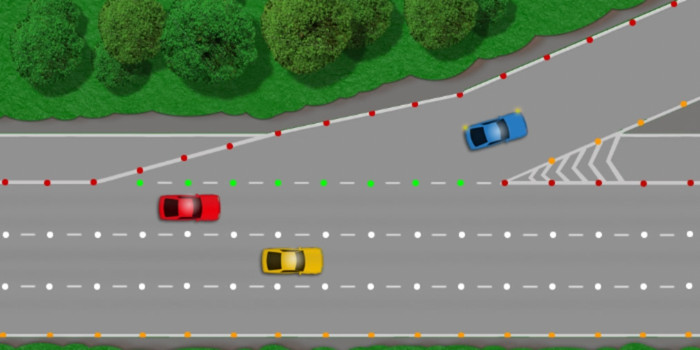
Reflective studs use several colors to guide you safely on roads. Each color of studs has a special meaning. So, you can know lane positions, road edges, turns and hazards. The table below shows you what colour reflective studs are on motorways.
| Color of Reflective Stud | Location and Purpose |
| Red Reflective Studs | These road markers are found on the left edge of the road. They are installed to separate lanes from the hard shoulder and prevent you from straying off the road. |
| Amber Reflective Studs | Placed along the central reservation/inner edge of exit ramps on motorways & dual carriageways. They guide you to stay in your lane and avoid hazards. |
| White Reflective Studs | White reflective studs are mostly placed between the lanes of the highway to separate oncoming traffic. |
| Green Reflective Studs | Green color studs are installed to show you the start & end point of the slip road. You also see them in lay bys, service areas & temporary roadwork zones. |
| Fluorescent Green/Yellow Road Studs | These are temporary markers used in roadworks and construction areas to show lane shifts & new routes. |
| Blue Reflective Studs on Motorway | Blue reflective studs mainly placed for emergency services. They mark fire hydrants and emergency access points for firefighters & police. |
What is the Purpose of Reflective Studs?
You will find reflective studs at specific locations of road where they serve a unique purpose. They keep you safe in different driving conditions.
Reflective Stud Between Motorway Lanes
When you see reflective studs between the road lanes, they show you the begin and end point of traffic lanes. These studs are generally white. These studs are used to guide you safely and reduce lane drifting. They also prevent accidents and keep traffic organized on busy roads.
Reflective Studs on Motorway Hard Shoulder
A hard shoulder is the strip of road that you will see on the outside edge of a highway. Hence, the reflective studs on the hard shoulder are used to mark the edge of the road. These studs are usually red and guide you to stay within the lanes.
This way, you avoid driving onto the hard shoulder at night or in fog. As they show you the road boundaries clearly, they also improve safety and prevent accidents.
Reflective Studs on Carriageway
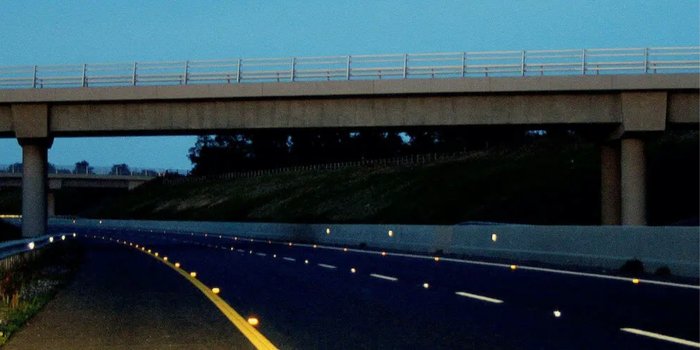
A carriageway is a part of a road or highway where you can travel in only one direction. Reflective studs on carriageways are important safety markers. They guide you at night or in poor visibility. You may find different colored studs on the carriageway, which show specific road features.
Pedestrian Crossing Studs
Reflective studs at a pedestrian crossing used to mark the area where people can safely cross the road. These studs are generally white or yellow. They warn you to slow down your car and watch for pedestrians.
These studs reflect headlights at night, which make crossings visible in darkness. As a result, they prevent head on collisions and keep both drivers and pedestrians safe.

Reflective Road Stud Installation
To make road lanes, edges or hazards visible to drivers, the proper placement of reflective studs is important. You should follow the below steps carefully to install road studs.
- Plan the Layout: Before studs placement, you have to choose the location or exact position of each stud. For instance: you can consider lanes, road edges, curves and crossings. The surface must be smooth and not cracked/damaged.
- Mark the Installation Spots: Now, you need to mark the spot of studs where you want to install them. For lanes or curves, you should space studs 1 to 2 m apart. You can set a gap of 9 to 15 m for road centerlines. However, you can adjust space for pedestrian crossing but it must be under 1.5 meters.
- Apply Adhesive/Fixing Material: After marking the spots, you need to apply strong adhesive, epoxy or bitumen. It depends on the stud type. You have to make sure the surface is clean and dry before glue application. This helps the studs stay stable in place under traffic and weather conditions.
- Place the Studs & Check Alignment: After that, you need to press each stud firmly into its marked spot. You should apply pressure for 30 seconds,so the stud bonds properly with glue. Always make sure the studs are straight and level. Also, check that the spacing and alignment are correct.
- Allow Curing Time: You must let the adhesive or fixing material cure completely before using the road for traffic. Well, curing time depends on the type of adhesive you use and weather conditions. This way, you can make sure the studs stay stable in place and provide long lasting safety.
- Test Visibility: Once the studs are installed and cured, you have to check how well they reflect headlights. For this purpose, you can test them at night or in low-visibility conditions.
Reflective Studs Advantages & Disadvantages
Below are some pros and cons when you install reflective studs on roads.
Benefits of Reflective Stud
- Improved night visibility
- Provide lane guidance
- Give you a hazard indication
- Weather resistance
- Has a long lifespan
- Require low maintenance
- Promote driver safety
Limitations of Reflective Studs
- High initial cost
- Damage from heavy traffic
- Limited effectiveness in snow/ice
- Possible theft or vandalism
- Dependence on sunlight
- High maintenance cost
Reflective Stud Manufacturer in China
There are many manufacturers and suppliers of road studs in China, JACKWIN is one of the most trusted partner. Our supply chain is active in over 70 countries around the world. We provide high quality road safety solutions and reflective road studs at factory prices.
You can also get customized products to match your project specific needs such as color, size, height, length and weight. Our R&D team follows international standards to design studs.
Road Reflector Price
The price of road reflectors depends on their type, material plus features. That’s why plastic, aluminium, ceramic or LED studs each have different costs.
If you want to buy solar-powered or LED reflectors, they are usually more expensive than standard plastic or ceramic studs. We can provide you with an average cost range of reflective studs, which is between $1.30 to $20 or more.
Summary
So, reflective studs have a strong impact on your road safety and reduce accidents. As a responsible driver, you must follow them in low visibility and respect all traffic safety rules. We proudly manufacture our road safety products including reflective studs under strict quality control and legal regulations. Contact us today to get a quick quote.
FAQs
What is the Difference Between Reflective Road Studs & Cat Eyes?
Cats eyes are a classic type of passive road stud. They reflect headlights with built-in glass lenses like an animal’s eyes, which glow at night. However, reflective road studs is a broader term. It includes cats eyes as well as modern studs.
Where are the Red Reflective Studs on a Motorway?
Red reflective studs are placed along the left edge of the motorway to mark the hard shoulder. They guide you to stay in your lane. This way, you can avoid driving onto the shoulder.
Can Reflective Studs Be Reused?
You can reinstall only some reflective studs if they are not damaged. Plastic or aluminium studs may be removed and installed again carefully. However, ceramic or glass studs are mostly fragile and may break during removal.
What Colour Are Reflective Studs Between Motorway and Slip Road?
As we mentioned above, you will find green reflective studs between a motorway and a slip road. They guide you when you enter or exit the highway. So, you can safely follow slip roads and merge points.
Are There Alternatives To Reflective Studs?
Yes, you can use different alternatives to reflective studs. These include road paint, lane markings, rumble strips and LED road markers. Road paint and lane markings guide you in the same way as studs. However, they may not reflect light efficiently.
Where are the Amber Reflective Studs on a Motorway?
Reflective studs on motorway UK include amber studs along the central reservation (median). They guide you to stay in your lane and warn you not to cross into oncoming traffic.


