

-80x69.png)
The global fencing market was more than $36 billion in 2025. According to market studies, it will reach $38.43 billion this year and cross $46.78 billion in 2030. This fast growth is due to higher demand for property security, home safety, residential and farm protection.
There are various types of fence posts available that you use for your fencing system. So, read this article to understand different fence post types.
Fence Post Types Based on Material
Below are major classifications of fence post material you can use for fencing.
Wood Fence Posts/Timber Fence Posts
Wood fence posts give your fence a traditional and warm look. You can use cedar or oak for your fence. Pressure-treated wood is also good to protect your post from rot and insects. With wood or timber posts, you will get a natural style at a lower cost. They are mostly cheaper than metal posts but require regular maintenance.
Wood fence post types: They are available in different types of wood such as cypress, spruce, pine, cedar, black locust and redwood.

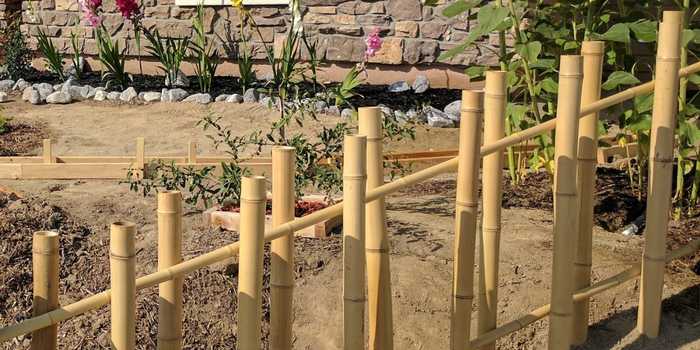
Bamboo Fence Posts
Bamboo posts are eco-friendly and give your fence a natural look. Bamboo can grow quickly and is also a renewable material. These properties make it a sustainable alternative to traditional wood fencing. They work well for Asian style and tropical landscape designs. However, these posts can get damaged by pests and rot in damp weather conditions.
PVC Fence Posts
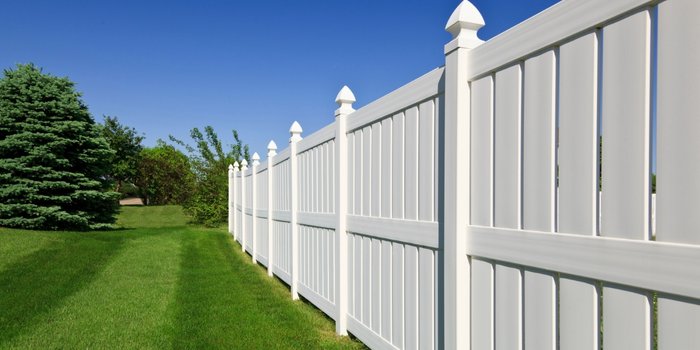
Plastic or PVC fence posts are an affordable choice. It gives good resistance to weather conditions. They are lightweight so you can install them easily. That’s why these posts are popular for DIY fencing projects.
You can use plastic posts for temporary fences or garden partitions and require minimum maintenance. But, they are not as strong as other materials and may have a less attractive appearance.
Metal Fence Posts
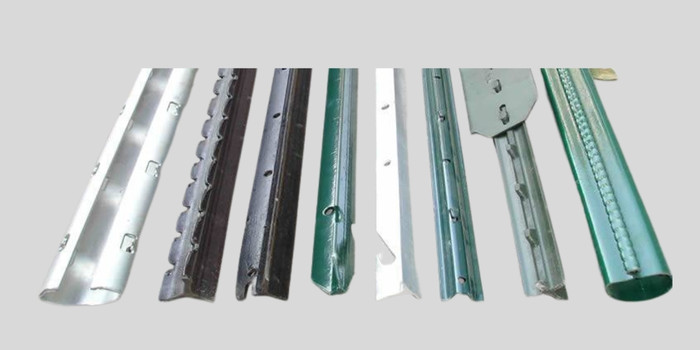
Metal fence posts are generally made from strong rail steel. This material gives them excellent strength & stability. You can use metal posts to support wooden fence panels on concrete bases. You can also coat these posts with anti rust paint (galvanized) PVC coating to protect them from corrosion. However, metal posts with PVC coating are more expensive as compared to standard options.
Metal Fence Post Types: Common metal fence posts include arch posts (for gardens), reinforced posts (used for long & heavy fences), double layer posts (security fences) and quick connect posts (temporary sites or events).
Concrete Fence Posts
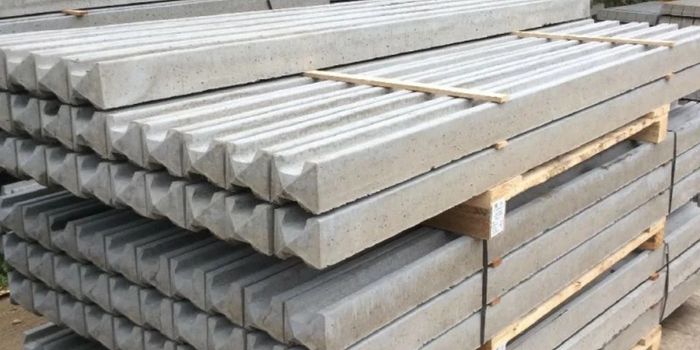
Concrete posts are extremely strong and heavier than other types of posts. Due to its weight (around 40 kg), it is challenging for you to install them. But, its weight also makes them difficult to steal. You can use them for your gardens and outdoor spaces fences. Further, concrete posts are also a good choice for humid areas. Because they have strong resistance to moisture.
Concrete Fence Post Types: Slotted concrete posts, morticed concrete posts, concrete repair spurs, intermediate posts and recessed concrete posts.
Composite Fence Posts
Composite fence posts are manufactured from wood fibers and plastic materials. These posts are a perfect alternative for concrete or wood posts. You can use them because they are strong and can handle weather damage.
Also, they need less maintenance and never rot or crack easily. You may need to pay more for composite posts but they last for many years. Mostly, composite posts are available in black, gray and brown colors.
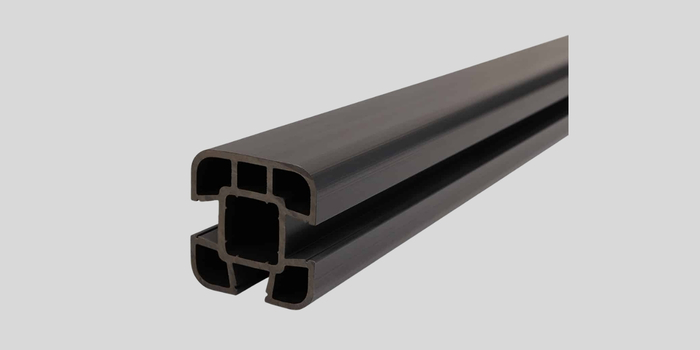
Vinyl Fence Posts
Vinyl fence post is a popular choice among homeowners and property owners because of its attractive and modern look. You don’t need to paint or stain them. They can resist fad, rot, pests and do not wrap.
Vinyl is a great choice when you want a durable fence which also looks good without regular maintenance. They are also suitable for high humidity areas and salty air conditions. Mostly, vinyl posts are more expensive than wood.
Vinyl Fence Post Types: Standard vinyl posts, decorative vinyl posts and reinforced vinyl posts.
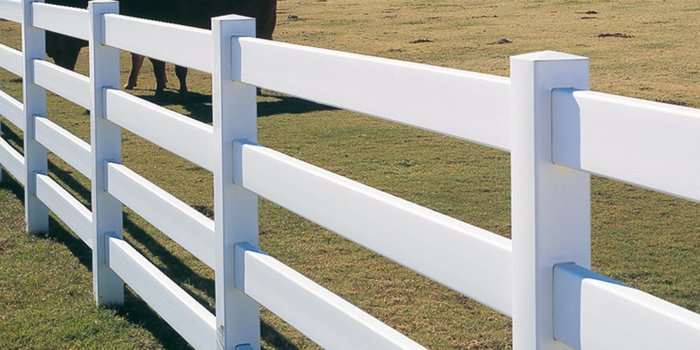
Aluminum Fence Posts
Aluminum fence posts are a great choice for a privacy fence system. They are strong and affordable. Plus, these posts are available in various colors and designs. So that, you can give your fence a stylish and attractive look as you want.
Although they may cost you more than wood, but these posts are cost-effective over time because they don’t need much care to stay durable.
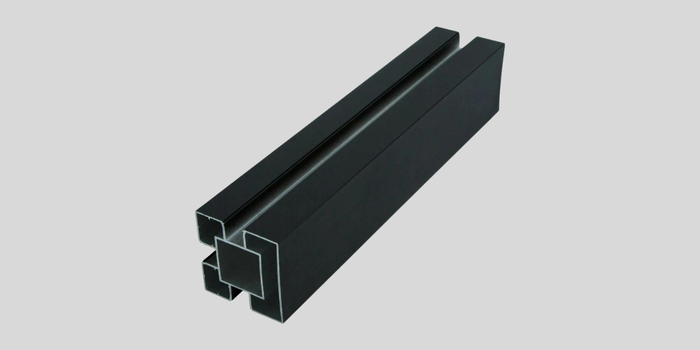
Chain Link Fence Posts
Chain link fence posts are vertical steel pipes. They provide support and stability for chain link fencing. These posts are generally made from hot-dip galvanized or vinyl-coated steel, which provide protection against rust and corrosion.
Chain link posts are easy for you to install and are best for homes and farm safety fences. They are affordable but you may need concrete support for extra strength.
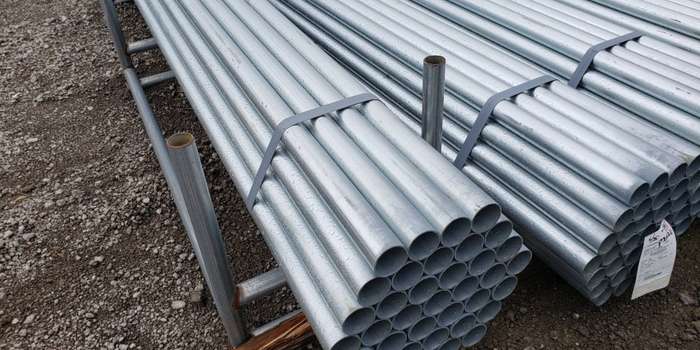
Treated Pine Fence Posts
These posts are made from softwood timber. It is treated with chemical preservatives such as MCA, CCA and ACQ. Treated pine posts are suitable for outdoor use. They are available in rough sawn or peeled styles.
Plus, these posts can resist rot and moisture damage. You can easily cut and install them. But, you should still maintain them to keep posts in good condition.
Hardwood Fence Posts
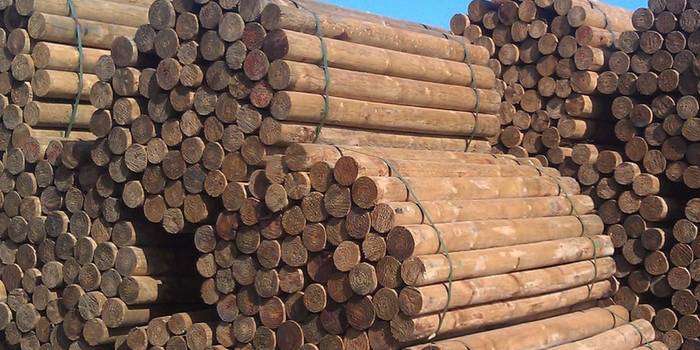
Hardwood fence posts are high quality and dense timber supports. They are very strong and mostly have a lifespan of 20 to 40 years or more. These posts naturally resist rot and decay.
They are best for in-ground use, heavy duty fencing and gates. The reason is their strength and low maintenance requirements.
Fence Post Types Based on Shape
T Posts
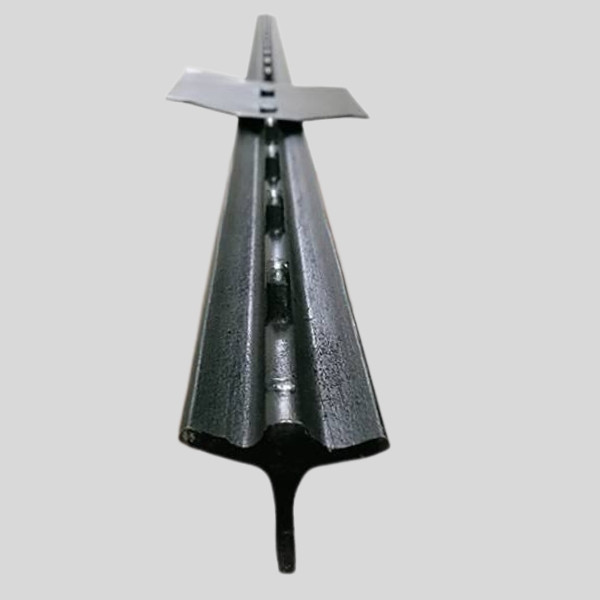
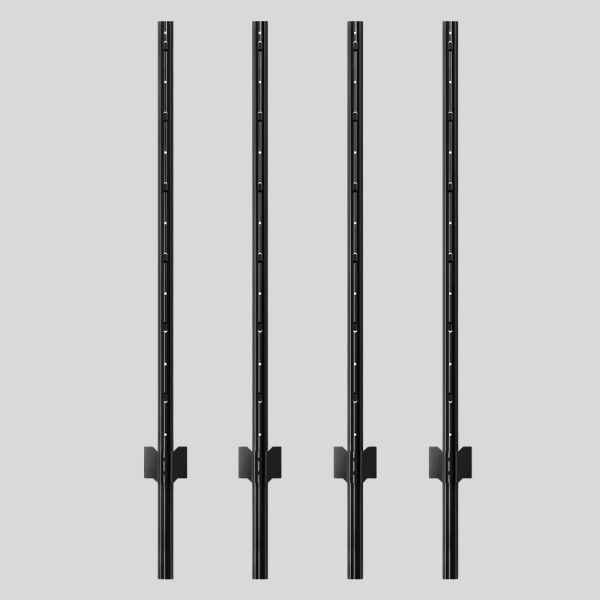
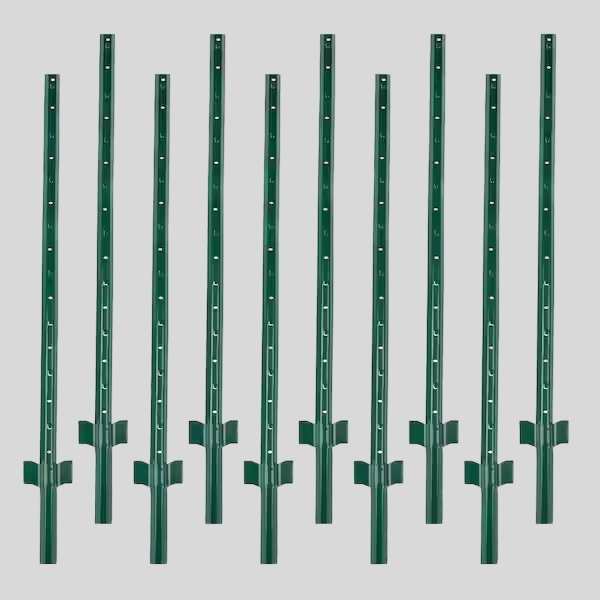
T fence posts are strong and T shaped steel stakes. You can use them to support wire fencing such as barbed wire or woven wire. They are a common choice for agriculture, homes & construction areas.
Engineers design them with studs that hold the wire in place. You will also see an anchor plate with these posts for extra stability.
U Posts
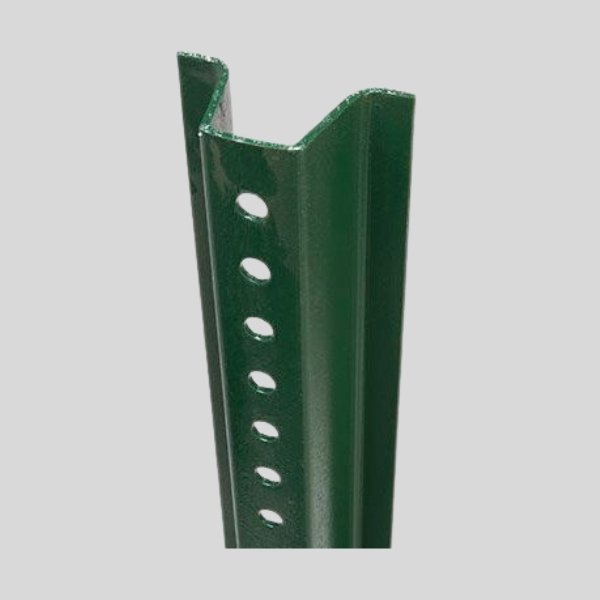
These are U shaped metal posts which you can use for light fence systems. You can install these fence posts easily in your light-duty fencing such as garden fences, farms, chicken wire fencing or temporary barriers.
U fence posts are strong enough for temporary or light fences. You will find pre-punched holes and clips for easy wire attachment. These posts are also called U-channel posts.
Round Posts
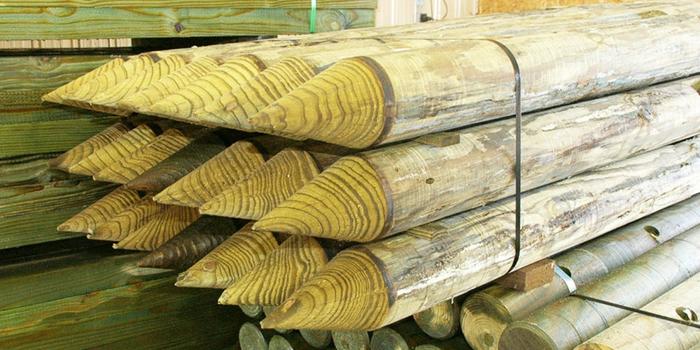
Round posts are smooth and cylindrical posts. You should install them for agricultural, garden, residential or boundary fencing. They are mostly pressure-treated. Hence, these posts are rot-free, which increases durability.
There is a pointed end so you can install round posts easily in soil. Round fence posts are available in many sizes (40mm to 175mm in diameter).
Square Posts
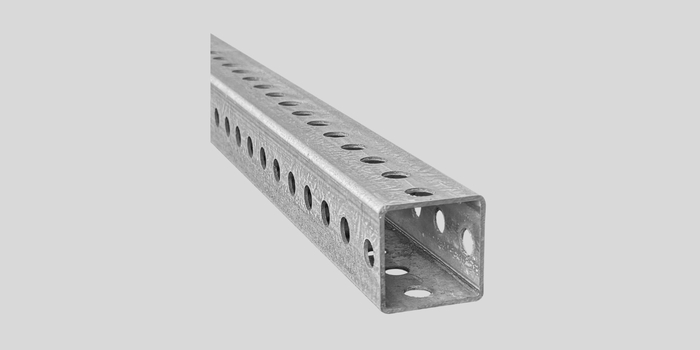
Square posts are strong posts with flat sides. You can use this design for modern fencing. You can place them easily because they stay stable in the ground.
These posts give your safety fence a neat and classy appearance. In addition, they are durable but may cost more than some other standard shapes.
Star Picket Fence Post
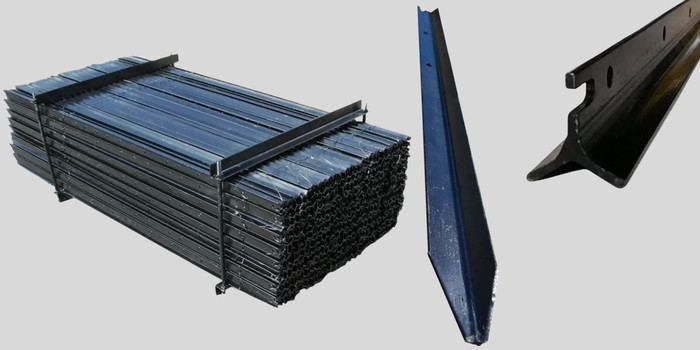
Star picket fence posts have a star shaped cross section. This design gives them extra strength. Due to their sharp and pointed design, you can push them easily into the ground.
You must choose this shape post for wire fencing on farms and large areas. They are affordable and also need coating to handle rust damage.
Types of Fence Post By Applications
Corner Posts
You need to install corner posts at 90-degree angles. These posts are generally stronger and have larger size than regular fence posts. Due to their placement style, you can build flexible fences.
You will also find holes that are drilled to create the 90 degree corner angle. Corner posts need deep installation. That means, you need to push almost half the size of this post into the surface.
End Posts
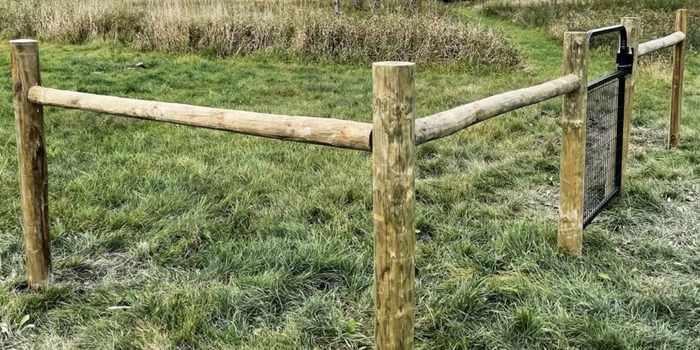
As its name clearly shows, you can use end posts to mark the end of a fence line. Generally, these posts have holes drilled on only one side. You can attach a fence to its side which is designed with gaps/holes.
This way, you can create a neat and clearly defined finish for the fencing line. It’s important to install them firmly in the ground for better support.
Line Posts
Line posts are an ideal choice when you want to support straight sections of a fence. You will notice holes on both sides of this post to hold the fence panels. Remember, they work best in straight lines.
However, you can adjust them slightly for small angles if required. Although line posts do not need the same depth in soil as corner posts. You still have to secure them as much as possible.
Gate Posts
Gate fence posts are designed to support gates and hold hinges plus latches. Moreover, you can also use them as line or end posts according to your fence design. You must select strong and quality gate posts. So, it can easily handle the weight and swing of your gate as well.
Pull Posts
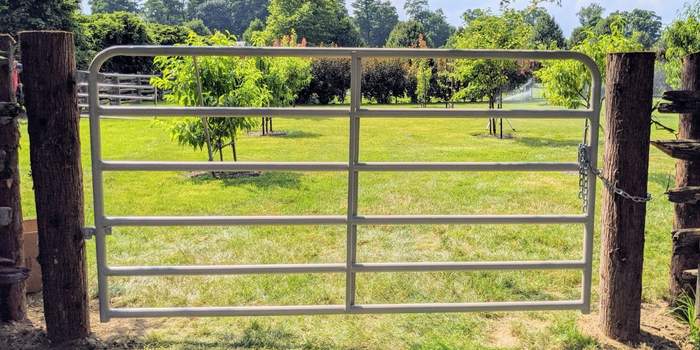
Professionals commonly use pull posts for fences that need to be installed across steep slopes or stair-like terrain. The main reason is that they have the ability to provide extra stability and support in these difficult ground conditions. It’s also your ideal choice when you need extra tension support for fencing.
Blank Fence Posts
Blank fence posts are heavy duty aluminum or vinyl fence posts. They do not have any pre-punched holes or slots. They are mainly used as end or corner posts where you can not attach standard fence panels.
These posts have thicker walls to support heavier gate loads. Blank posts also require brackets to attach fence panels securely.
Fence Post Manufacturers
The following are names of some well-known fence post manufacturing companies. If you want to source fence posts in bulk, it will help you choose the right supplier.
- JACKWIN
- Betafence
- Jacksons Fencing
- CertainTeed
Wrapping Up
You can choose fence posts from different options such as materials, shapes, post sizes and applications. Our recommendation is that you always buy high-quality, treated, and durable posts according to soil conditions where you want to install them.
For strong and premium fencing solutions, such as posts and fences, you can contact us today. We will also provide you with expert guidance to make your fencing project successful with the right types of posts.
FAQs
How Long Do Fence Posts Last?
On average, a standard fence post has a lifespan between 10 and 25+ years. Mostly, posts durability based on materials and treatment. For example: pressure-treated wood posts can last for 10 to 25 years, but untreated wood posts survive 5 to 7 years.
How To Level a Fence Post By Yourself?
You can easily level a fence post with the use of a post level or a 2-foot spirit level to make sure the post stands straight. You need to hold it in place with temporary diagonal 2×4 braces. Also use a tight mason string line to make sure correct alignment.
Do Fence Post Spikes Work?
Fence post spikes are good for temporary or small fencing projects. You can use them as a quick and no-dig option instead of concrete. However, they are not as strong as concrete for your heavy/tall or gate fence projects.
Are Fence Posts Pressure Treated?
Yes, you will find most wooden fence posts pressure-treated. Therefore, they can resist soil, moisture plus pests. The treatment pushes preservatives deep into the wood to protect it from rot and decay.
Why Do Fence Posts Rot At Ground Level?
Fence posts decompose at ground level because this area is the most vulnerable zone for damage. You can find moisture and bacteria in this part of the post. This leads to slow breakage of wood. This speeds up wood decay over time.
For more help:


