

-80x69.png)
انهيار الخندق and excavation accidents cause serious injuries and deaths. According to a report, 373 workers lost their lives during trenching work between 2003 and 2017. Construction work was responsible for over 80% of these deaths.
However, trench collapses are mostly fatal for workers but you can avoid accidents if you follow proper safety measures. In this article, we will discuss trench safety, common risks, trench safety equipment and rules you can follow to الحفاظ على سلامة العمال.
What is a Trench?
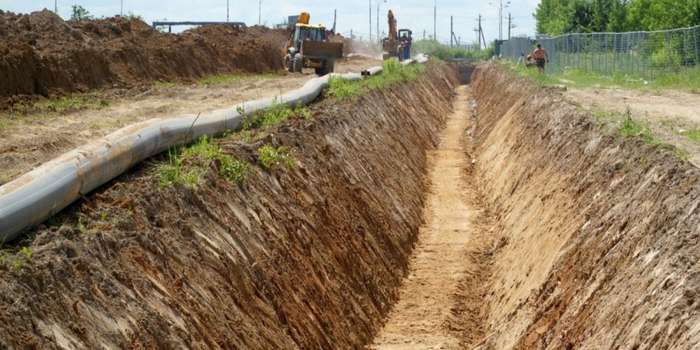
A trench is a long and narrow hole dug in the ground for construction work. Generally, it is deeper than its width. Most trenches have depth more than 5 feet. You mostly see trenches when workers install pipes, cables, utility lines or drainage systems.
It may look like a simple hole but it can be very dangerous when you do not properly support and protect the trench.
What is Trench Safety?
Trench safety means the حماية العمال from dangers when they work in or around a trench. If you dig out the ground, there is a risk of soil collapse, heavy load, falling materials or other serious accidents. Trenching is one of the most dangerous construction jobs. For trench safety, you can use various methods and systems.
At what depth do I need trench protection? According to OSHA rules, you need trench protection for any type of excavation which is 5 feet (1.5 meters) deep or more. You must use protective systems designed by a qualified person for 20+ feet deep trenches.
Common Trenching Hazards
There are several risks present at trench sites. These dangers can lead to serious injuries and accidents to workers when you do not properly control them. Following are some major trenching dangers that you need to handle.
Trench Collapses/Cave Ins: It is one of the most dangerous hazards you will face in trench work. It occurs when the trench walls suddenly fall in and bury workers inside. The main reasons for cave-ins are unstable soil, wrong trenching techniques, heavy rainfall, vibration, or weak ground conditions.
Falls and Falling Loads: Workers can fall into the trench when they move near hole edge. Also, tools and materials can fall from above into the trench. Falling objects can seriously injure you.
Hazardous Atmospheres: Dangerous air conditions inside a trench is also a big issue. Harmful gases/toxic fumes and low oxygen levels can easily build up underground. These air conditions can make it difficult for you to breathe. You will mostly face issues when a trench is near industrial sites or waste systems.
Water Accumulation: Water can collect inside a trench. The reason can be rain, underground water or poor drainage. Water inside a trench can make the ground weak and increase the risk of accidents. Moreover, workers can slip or get trapped in the water.
Utility Strikes: You will face utility strikes when workers hit underground pipes or cables during digging. This can cause gas leaks and power problems. So, you must know where underground utilities are before you dig soil.
Equipment-Related Accidents: You will face machinery-related accidents when construction devices or tools cause injuries. Accidents are caused by heavy machinery used too close to the trench or when tools fall inside the trench.
Access and Egress Issues: Access and egress issues mean it is hard for workers to get in and out of a trench safely. When there are no safe ladders or proper entry points, workers can get injured if they try to enter or leave the trench.
Trench Safety Equipment / Trench Safety Systems
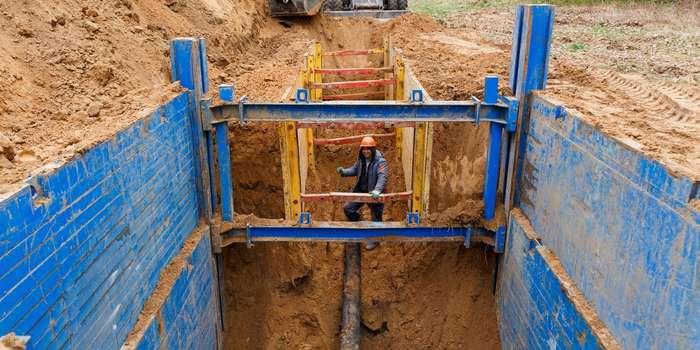
Trench Shields
Trench shields, also known as trench sheets and trench boxes. It is a protective steel or aluminum structure that you can place inside trenches. It mainly protects workers from the danger of soil collapse. They act like strong walls and hold the soil back. So that workers can perform their job inside the trench.
Shoring System
You should use a shoring system to support trench walls and prevent soil collapses. It uses strong supports to hold the soil in place and keep the trench safe for workers. There are several trench shoring methods.
For example: hydraulic shoring and soldier boarding. However, hydraulic shoring is a fast and easy method. You should use other methods for long-term work or larger excavations.
Engineered Systems
Engineers designed protective systems not used in regular utility work. Ideally, you should use them in large building foundation projects and complex jobs near water areas. You can use these systems at any excavation depth.
Plus, engineered systems can be customized for specific work needs. Their structures are planned based on soil type, trench depth as well as your site conditions.
Benching System
Benching systems are a safety method approved by the Occupational Safety and Health Administration (OSHA). You can use them to prevent trench collapses. You need to cut the trench walls into a series of steps or horizontal levels.
Generally, you can apply this trench safety technique in stable soils such as Type A and Type B soil because it reduces cave-in risks and lower the slope angle.
Sloping System
It is a trench safety process in which you have to cut trench walls at an angle that moves away from the excavation. Because when you make the slope flatter, you will get better protection against cave-ins.
However, slope angle mostly depends on moisture level and soil type. This way, you can make the soil stable and reduce the chances of trench collapse.
Trench Plates: Trench Covers
These are strong steel sheets which you should install over open trenches. It creates a safe temporary surface for vehicles and pedestrians to pass. You can also prevent trench accidents, protect underground utilities, keep work areas secure and allow traffic to continue during construction or utility work.
Because trench safety covers can handle heavy weights easily and have an anti-slip surface. You can also customize them in various sizes and materials.
Slide Rail Systems
The slide rail system is a trench support system. It uses strong steel panels to hold the trench walls in place. With this approach, you can support the trench from the top down when you don’t want to disturb soil surroundings. This trench safety technique is recommended for weak soil or in areas where you find underground pipes and cables.
Aluminum Hydraulic Shores
Aluminum hydraulic shoring is a trench safety system that is strong and lightweight. Therefore, you can install it at your trench site easily. Many people choose aluminum instead of steel because it is much lighter and also provides safe support for trench walls during excavation. We can say, it’s your good choice to stop trench collapse in different types of soil.
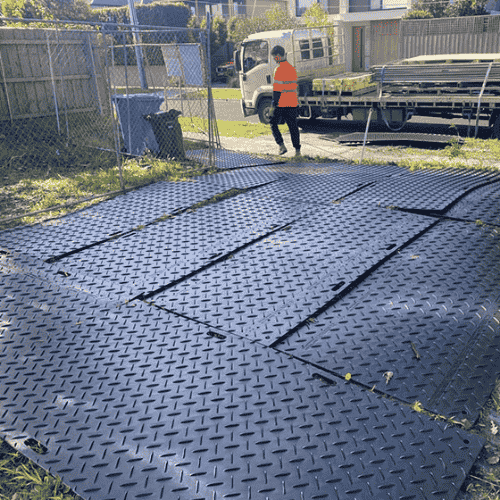
Ground Protection Mat
They are heavy duty mats that you must place on the ground at construction sites. It is widely used during trenching projects to make a stable surface for workers and heavy equipment. Ground protection mats are available in different materials. These include rubber, fiberglass, البولي إيثيلين عالي الكثافة and WUMWPE.
As they stop tracks & tires from sinking into soil, so you can place them ahead of حفارة when you need to move it forward. They are also called turf protection mats and ground cover mats.
Mechanical Screw Jacks
Mechanical screw jacks are adjustable support tools used in trench work. You can place these safety devices between trench walls. Once you install them, they hold the soil in position. On top of that, you can easily tighten or lose this support with the use of its screw. You need to turn the screw to adjust jacks according to your site needs.
Shoring Beams & Plates
Shoring beams and plates are strong support materials that are perfect tools to hold trench walls in place. You have to install beams horizontally and then use plates to press against the soil. With this trench safety combination, you can keep the trench walls stable and protect workers from soil collapse.
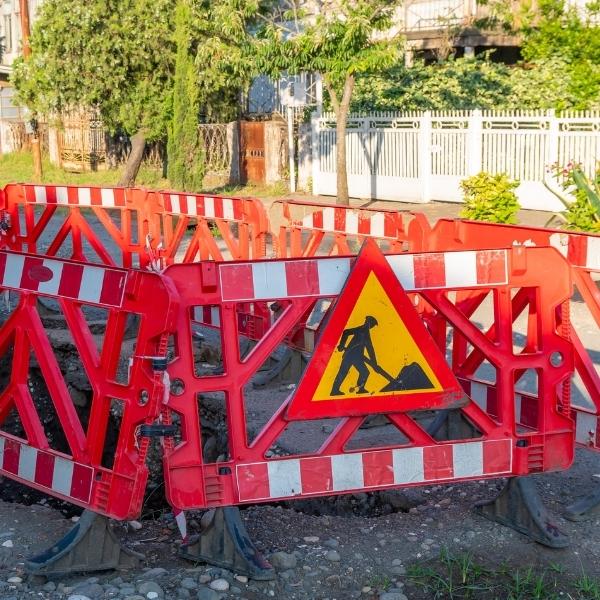
Traffic Barriers & Guardrails
حواجز المرور و safety guardrails are very useful physical devices to control traffic at your work site. It stops vehicles and workers from getting too close to open trenches. This way, barriers control traffic movement and reduce the risk of accidents. Generally, you should place these safety tools around trench sites for maximum protection.
Pipe Testing Equipment
With pipe testing tools, you can make sure pipes are safe before trenches are covered with soil again. In case, you find pipes leakage or weak points, they can cause water or gas leaks inside the trench area. This can create dangerous conditions for workers. That’s why you need this device for quality and safety checks in trench work.
Confined Space Tools
You can use confined space tools to protect workers when they work in narrow or deep spaces like trenches. With these devices, you can monitor air quality and provide rescue support. So that trench workers can stay safe from dangerous gases and low oxygen levels.
Fall Protection Equipment
Fall protection equipment is used to protect workers from falling into trenches. It includes safety harnesses, lifelines, شبكات الأمان, ropes and other safety gear. You have to install fall safety devices to keep the crew safe when they need to perform tasks near trench edges or at height.
Trench Safety Tips
-
Assessment of Site Conditions
Before you start trenching, it’s important to check the soil type, ground compaction, oxygen level and weather conditions. You have to find gap between the site and buildings or المرافق تحت الأرض. Plus, identify possible hazards and then plan the excavation work safely.
-
Use Proper Trenching Methods
You have to confirm that your team follows the best trenching practices for project. Because, wrong digging methods can cause trench collapses and injuries. Hence, you can keep the trench stable and make the work site safer with proper excavation systems like benching, shielding, slopping or shoring.
-
Follow Site Specific Safety Rules
You have to stay alert at all times to avoid potential trenching hazards. We recommend you to use warning systems such as safety signs to alert workers when heavy equipment is nearby. The safe entry and exit points for the trench are also required. You should always avoid working under suspended loads. Further, keep all equipment at least two feet away from the trench edge.
-
Trenches Inspection
It is required by OSHA safety guidelines that competent people have to check trenches every day. You should look for problems with safety systems, cave-in risks, dangerous air and other hazards. You must also have safe entry and exit points and keep soil and materials at a safe gap from the edge of the trench.
-
Utility Lines Identification
You should find and mark underground pipes, cables plus other utility lines before you start digging. In such a way, you stop damage to utilities and reduce the risk of dangerous accidents such as gas leaks or electric shocks. You must use “Call Before You Dig” services to locate utility lines.
-
Trench Soil Types Assessment
Trench soil types identification technique used to check the types of soil before and during trench work. Because, different soil types have unique strengths and stability levels.
Type A Soil: It is the strongest and most stable soil type. Common examples are clay, sandy clay, silt or clay loam soil.
Type B Soil: This is moderately strong but less stable as compared to Type A soil. It includes silty soil, sandy loam or soil that has been disturbed before. So, you will face medium risk of trench collapse.
Type C Soil: Type C soil is the weakest and most dangerous soil type. These are sandy soil, gravel soil, loamy and soil that is easily crushed. It has a high risk of trench collapse, so strong safety is required.
-
Use Well Maintained Equipment
It’s important to make sure all tools and machines are in good working condition before you use them. When you perform maintenance on a daily basis, you can handle machinery failures and reduce the risk of accidents at trench locations.
-
Prepare Emergency Plans
You have to make an emergency excavation and trench safety plan for serious situations such as cave-ins or gas leaks. It also helps workers know how to respond quickly to collapses or other emergencies. With this simple approach, you save lives and reduce serious injuries.
-
Workers Training
You must teach your crew about trench safety rules and safe working methods. So, they can understand hazards and learn how to work safely around trenches. Proper training also avoids accidents in advance and minimizes the chances of any dangerous incident.
OSHA Trench Safety Requirements
OSHA’s trenching and excavation standards are defined under 29 Code of Federal Regulations (CFR) Part 1926, Subpart P section.
- OSHA requires a complete assessment of the work site before starting trenching work.
- For trenches 20 feet deep or more, you must have a protective system that is approved by a registered professional engineer according to 29 CFR 1926.652(b) rules.
- OSHA 1926.650(b) sections says that competent people should inspect trenches daily and classify soil as Type A, Type B, Type C or stable rock before excavation work.
- You have to keep excavated soil and materials at least 2 feet away from the trench edge.
- If the trenches deeper than 4 feet, you must test it for hazardous atmospheres such as low oxygen or toxic gases.
OSHA Trench Box Requirements
Occupational Safety and Health Administration requires protective systems such as trench boxes for 5 feet (1.52 m) deep trenches. You must install trench boxes securely to block side movement. Further, it’s important to fill any empty spaces. The trench box must extend at least 18 inches above the surrounding ground level if you use it with sloping.
خاتمة
All trench safety devices and tips we mentioned above are complete & expert solutions you can follow. This will make sure safe operation at your excavation or trenching site. Workers should avoid entering a trench which has no safety and protective system.
Use of robots at construction sites to transport, line & join large pipes is also a good approach for the safety of the crew. Professionals also suggest that you can use methods like directional boring & pipe jacking to prevent trench related deaths.
الأسئلة الشائعة
What is the Maximum Trench Depth Before Shoring?
Shoring is mostly required when a trench is deeper than 5 feet (1.5 meters). Because this depth has a higher risk of trench collapse. For trenches deeper than 5 feet, safety protection is strongly recommended by rules.
When Do You Need a Ladder in a Trench?
You need to use a ladder when the trench is 4 feet (1.22 meters) deep or more. The ladder should be placed within 25 feet of workers inside the trench for easy access. You should also extend the ladder at least 3 feet above the trench edge.
Do You Have To Backfill a Trench Box?
Yes, you mostly have to fill the space between a trench box and the trench walls. OSHA safety rules require this method to stop the trench box from moving or tipping during a collapse. If you fill the empty space, it supports the trench box.


