

-80x69.png)
If you are a construction contractor or builder, it’s tricky for you to select the right machine for your project. Because bulldozers and excavators work differently and your wrong choice of a machine can slow the work and increase cost. Today, you will know what’s best for you (bulldozer vs excavator) and top applications of both equipment.
What is a Bulldozer?
A bulldozer is a big, strong machine which is manufactured for multiple purposes. Mostly, you will see it on construction and farming sites. It has a large metal blade in front. To break hard ground, some bulldozers also have a ripper at the back.
This machine runs on tracks, not wheels, so they can work on soft or rough land effectively. You can move heavy materials fast with a bulldozer.

What is a Bulldozer Used For?
You can use bulldozers for many tasks. For example: you can use it to push dirt, rocks or debris during building projects. It can clear land for buildings/roads plus levels the ground to make it flat. You can also use it to dig shallow holes or remove trees. Some bulldozers also break hard soil with its ripper.
What is an Excavator?
Excavator (digger) is a heavy equipment that is commonly used on projects like roadwork, digging mines and farm work. It operates with its four components: bucket, cab, dipper and boom. With the help of a bucket long arm, you can dig, lift and move soil, rocks or debris.
The cab can rotate 360 degrees. Hence, you can work in any direction you want without moving the machine. Furthermore, this machine also have different tools instead of a bucket such as hammers or grapples

What is a Excavator Used For?
Excavators used to do heavy digging and lifting work. You can use it to make big holes in the ground for construction projects. With this machine, you can move heavy soil, rocks and debris quickly. You will also find some excavators with special tools to break concrete, grab large objects or clear land.
Types of Bulldozers
Bulldozers have different types to do various tasks. Every type contains its own size, shape and properties. Below are commonly used kinds of dozers.
- Crawler Bulldozer: It is a strong machine and runs on tracks instead of wheels. At the front, it has a big metal blade. You can use that blade to push and shift heavy materials with ease.
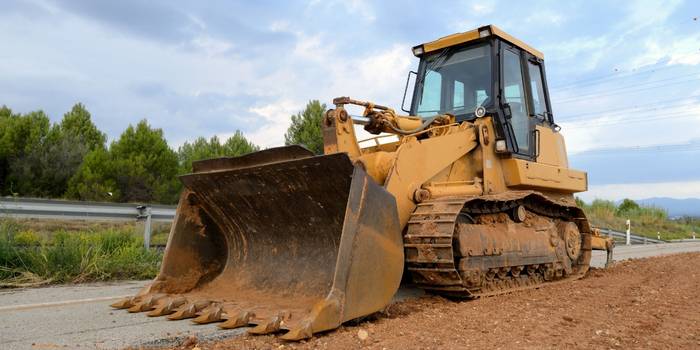
- Mini Bulldozer: This tool is a smaller version of a large dozer. Because of its structure, you can easily operate it where big machines cannot fit.

- Wheel Bulldozer: A wheel bulldozer moves with large wheels rather than tracks. Because of this, you can move it faster and travel long distances on hard surfaces such as roads.

- Hybrid Bulldozer: It can work in a cleaner and quieter way and is used for big construction projects. They use both a regular engine and an electric system. In this way, you can save fuel and lower pollution.

- Angle Dozers: You can adjust the angle dozer blade manually to operate in your desired directions like left or right. This lets it push dirt, sand and debris to the side easily.
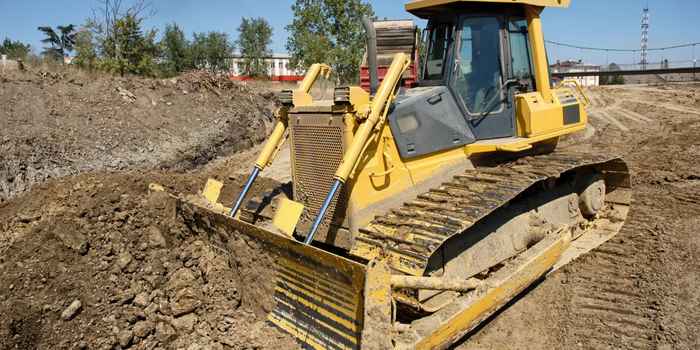
- Push Bulldozers: These bulldozers are mainly built for your heavy pushing jobs. With their big and strong blades, you can shift large amounts of soil, rocks and debris at once.

Types of Excavators
Some construction & mining tasks need big machines for heavy digging. But others require smaller ones for working in narrow places. Each model is made with a different structure, tools, and designs to match particular duties.
- Suction Excavators: These machines are also called vacuum excavators because they work like a big vacuum. With strong air pressure (400 horsepower), it sucks up soil, dirt and loose material through suction pipes.

- Long Reach Excavator: This excavator has an extra-long arm and boom. This allows you to access (100 m horizontally) locations that are not possible with normal excavators. You can use it for digging rivers, lakes or breaking down tall buildings from a safe distance.

- Dragline Excavators: They have a long boom and a bucket that is attached to a cable. It works by dragging the bucket across the ground. With this machine, you can collect soil, sand or rocks in mining and at large construction sites.

- Crawler Excavator: Crawler excavator moves on tracks which give it good grip. That’s why it can work on soft, muddy and rough ground without getting stuck.

- Backhoe Excavators: This machine operates with a digging bucket that is placed on its back plus a small loader on the front. It is very useful for you to perform small to medium construction projects and farm work.

- Mini Excavators: Mini excavators are small machines but still are strong enough to dig, lift and move topsoil. You can use it for small construction projects, landscaping and farming. Further, their small size makes them easy for you to transport and operate.

- Wheeled Excavators: Wheeled excavators move on large wheels. This allows them to travel faster and cover longer distances on hard surfaces. You can use it in urban construction and road work projects.

Difference Between Bulldozer and Excavator
We have explained bulldozer and excavator difference, which shows you how they are unique from each other.
Structure
A bulldozer has a wide, flat blade in front. It operates with a ripper which is placed at the back. This machine moves on wheels and tracks, which makes it stable on soft or rough ground.
The excavator has a long and tall arm with a bucket at the end and a cab that can rotate fully in a circle. With its tracks, the excavator moves on uneven land while digging and lifting easily.
Function
You can use bulldozers mainly to push, level and clear land. They move soil, rocks or debris quickly. They perform best for spreading and flattening land. On the other side, an excavator is used for tasks like dig, lift and move materials. You can dig holes, trenches as well as foundations.
Fuel Consumption
Bulldozers consume less fuel as compared to excavators. On average, a bulldozer burns about 10 to 12 gallons per hour. But, excavators can use 10-14 gallons or more.
Long-Term Value
Dozers are strong and manufactured to handle heavy and tough work such as land leveling and rocks clearing. Plus, they can last for many years.
Excavators are also durable machines, but their long arms and movable parts need regular maintenance to stay in good condition. Bulldozers can handle hard work better for a long time, while excavators need careful use to maintain their strength over time.
Terrain
Bulldozers perform well for soft and muddy surfaces. Because, its wide tracks spread the machine’s weight and stop it from sinking. You can clear and level big open areas (even when the ground is weak).
In contrast, an excavator works well on uneven and rough terrain. Its tracks keep it balanced while the long arm digs or lifts heavy loads. That’s why it is a more flexible option for you in hilly, rocky & uneven ground.
Attachment
Mostly, bulldozers have limited operating parts. Its main tool is the big front blade for pushing. Some machines also have a ripper at the back for breaking hard soil. However, excavators are different. You can replace its bucket with many tools. For example: a hammer to break concrete.
Power
You will find bulldozers with strong pushing power. Due to its strength, it handles big clearing jobs and shapes your land flat.
An excavator also has great power, but it is used in a different way. Most of its power is used for lifting, digging and managing heavy loads.
Mobility
With its wide tracks, bulldozers move slowly and stay stable on soft and muddy ground. These machines are actually manufactured for strength and balance, not for speed. With a dozer, you can cover a large area of ground better.
The excavator cab on the other side can spin all the way around. This means, you can reach different spots without the movement of the whole machine. In short, excavators move less, but operate in one position with maximum flexibility.
Digging Depth
Excavators are designed to dig deep into the ground with their long arms and buckets. However, bulldozers are not built for deep digging. They mainly clear off and push material at surface level rather than going down into the earth.
Precision
Excavators are more exact in their work. The reason is that their arm and bucket can carefully dig and place materials. The bulldozer’s precision is low as compared to an excavator. It is built for big and rough tasks such as pushing large amounts of sand.
Travel Speed
A bulldozer usually moves slowly around 3 to 7 miles per hour. The average travel speed of an excavator is approx: 1.6 to 6.2 mph (2.6 to 10 km/h).
Cost
Bulldozer Price: $2000 to $35000+
Price of Excavator: $1500 – $50000
Benefits of Bulldozer
You can use bulldozers for your wide range of industries such as mining, construction and excavation. Because these machines combine power, stability and versatility for your large scale projects. Following are the excellent abilities of a bulldozer and tasks it can handle.
- High power for heavy work
- Stability on rough terrain
- Efficient land clearing
- Versatile for different tasks
- Time saving operations
- Durable and long lasting
- Precise grading and leveling
Advantages of Excavator
On your working sites, excavators can do many of your tasks with your minimal manual efforts. Below we mentioned some major positive points which you will get with excavators.
- Precise/accurate digging
- Easy material handling
- Works in tight spaces
- Powerful engine performance
- Efficient for trenching and holes
- Reduces manual labor
- Suitable for various terrains
- Versatile attachments available
When To Use a Bulldozer or An Excavator?
For right selections between bulldozer and excavator, it’s important for you to know what kind of job you are dealing with. Following are major factors you can consider.
Project Size and Budget
For your large but low budget projects, bulldozer is the better choice. In contrast, excavators work well for small scale projects. But, it may cost more due to high fuel consumption.
Site Conditions
If the ground is muddy, soft or uneven, a bulldozer is more suitable. Because its tracks give it balance in such conditions. An excavator is more useful when the site has a rough and rocky landscape.
Long Term Needs
Bulldozers are tough and can last for many years with heavy work. But, excavators are more flexible for different jobs and are better for a mix of tasks over time.
Final Advice
Now you are familiar with several properties and applications of bulldozer & excavator. They differ in their strength, mobility and functionality.
So, bulldozer or excavator? We recommend you to wisely select the right machine based on your project requirements and worksite conditions. Contact us for ordering the highest quality construction machinery at most affordable rates.
Frequently Asked Questions
Can an Excavator Replace a Bulldozer?
No, you cannot completely replace a bulldozer with an excavator. Because both machines are manufactured for different operations. However, they can handle a few of each other’s tasks, but not all.
Which Excavator Type is Better For Demolition Work?
A long reach excavator is ideal for demolition work. It has an extra-long arm that can safely tear down tall buildings from a distance. But, you have to consider how big and tall the demolition project is before choosing an excavator.
What Are Bulldozer Tracks Made of?
Most bulldozer tracks are made of strong steel. As a result, it can handle heavy loads and tough roads/grounds. Some bulldozer tracks are also built with rubber for soft surfaces.
Why Do Bulldozers Use Caterpillar Tracks?
With caterpillar tracks, the machine can spread its weight over a large area. This keeps the dozer stay on top of soil. In this way, it moves easily on mud, sand or rough land. Tracks also give better grip and stability than wheels.


