

-80x69.png)
As you know, fire is a serious danger which can destroy homes, workplaces, property and lives in a few minutes. The National Fire Protection Association reports that there are more than 400000 house fire incidents each year in America.
That is why you should stay alert and take fire prevention seriously. Most ideal and commonly used solution is fire retardant. If you want to know more about fire retardant materials, types and importance in our daily life, then you can read this article.
What is Fire Retardant?
Fire retardant is a substance or chemical that is used to slow down fire and reduce the spread of flames. But, it cannot stop the fire completely. It makes materials less able to burn and lower the heat through chemical reactions.
You can find fire retardant in various forms. For example: this chemical is available in powder form which you can mix with water. You can also get them as foam, gel, liquids or solids.
How Does Fire Retardant Work?
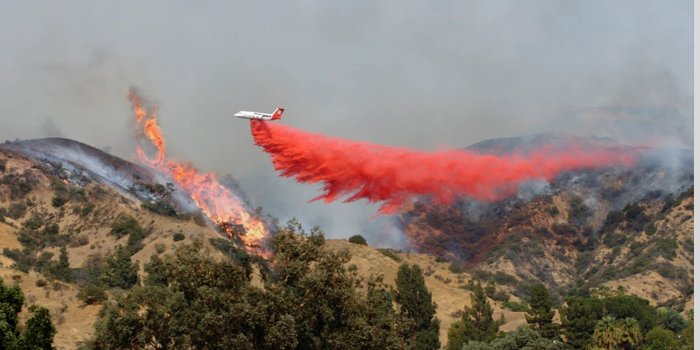
Fire retardants work as a safety shield for materials. When a fire starts, the fire retardant releases non flammable gases such as water vapor or carbon dioxide. These gases mix with burning gases and make the flame weaker. Further, it forms a thin protective layer on the surface. This layer blocks heat and oxygen which fire needs to grow.
Fire Retardant Properties
Fire retardant has special properties that slow fire and keep you safe. It can resist high heat and stop flames from spreading. Fire retardant materials never catch fire easily and also keep their shape when heat increases. Some fire retardants release gases and others form a protective layer to block heat.
Fire Retardant Application
Fire retardant application means treatment of materials such as textiles, wood, fabric and electronics with special chemicals. Chemicals slow down fire and lower heat.
To apply fire retardants, you should spray them on fabrics and wood. You can also use special paint on steel structures. Some materials like foam and cables already have fire retardant chemicals that are basically added during manufacturing.
What is Fire Retardant Made of?
If we talk about the fire retardants composition, they are manufactured with the use of additives, fire suppressant & fire inhibitors. Generally, the fire retardant materials or chemicals are selected based on its types of application.
But mostly they contain halogenated chemicals and flame control fillers such as aluminum, calcium carbonate and magnesium oxide and hydroxide. You can use fire retardant materials to keep your home, office, factories and workplace free from fire damage.
Types of Fire Retardants
Fire safety experts divide the fire retardants into three main classes. So, you choose the right product based on fire risk, safety rules and material type.
Class A Fire Retardants
Class A fire retardants are ideal for fire protection of ordinary materials. These include walls, wood, ceilings, and insulation. A common example is a fire extinguisher. That means, you should use retardants to stop fires that start from everyday items. Further, you can use them in places where you need to slow the flame spread in building structures.
Fire Speed Rating: Between zero and 25
Class B Fire Retardants
Class B fire retardants are mostly used for electronics and fabrics. It also stops fires from liquids like oil, gasoline, alcohol, diesel and grease. You can also use them to protect items like furniture, curtains and other materials in your commercial spaces.
Fire Spread Rating: Around 26 to 75
Class C Fire Retardants
Class C fire retardants used to control fires mainly caused by electrical equipment. Therefore, you can apply retardants on wires, circuits, breakers and electrical devices. You should use Class C fire retardants when fire starts from electrical sources or faulty wiring in walls & appliances.
Flame Spread Rating: Between 76 and 200
Different Fire Retardant Products
Fire Retardant Spray
Fire retardant spray is surface treatment and used to reduce fire strength on treated materials. It is one of the most common fire protection products in the market. These sprays contain fire control chemicals such as ammonium phosphate & sodium borate. You can apply them as a spray, liquid, aerosol, or foam on different materials. For instance: fabrics, wood, decorations or stage backdrops.
Flame Retardant Tapes
These are special adhesive tapes made to resist fire and slow flame spread. You can wrap tapes around wires to reduce fire risk. They are widely used in automotive, construction and electrical work. These tapes provide protection in high risk areas. The other example is flame retardant duct tape. You can use this tape on ducts, plastic, pipes plus insulation materials.
Fire Retardant Workwear
Fire retardants are clothes that are designed to protect you from fire and heat. You must wear these clothes when you work in dangerous places such as factories, construction sites, industrial sectors or production plants. This workwear not only resists heat but also minimizes fire damage to your body.
Fire Retardant Spray For Fabric
It is a water-based and non-toxic solution that you can use to prevent fabric burns. This spray is generally used for curtains, furniture covers or clothes. When you apply this spray, it creates a protective barrier to block flames. Therefore, it is an easy and quick way to improve fire safety.
Fire Retardant Material
You can find fire resistance materials in products like aluminum hydroxide, mineral wool, gypsum board, Polyphenylene Sulphide (PPS), concrete and treated fabrics/ plastics. Furthermore, magnesium oxide, sodium/calcium silicate, cement render, carbon foam and treated lumber plywood contain fire-retardant substances.
Fire Retardant Varnish
You can apply this protective coating on wood and furniture. It also slows fire damage and protects surfaces from heat. You must use this varnish on doors, wooden furniture, timber and wall panels. When exposed to high heat, it expands into a protective foam layer that protects the surface from fire hazards.
Fire Retardant Lumber
Fire retardant treated wood (FRTW) is a type of wood. Basically, it is treated with special chemicals under pressure to reduce flame spread and smoke during fire. Hence, you should use this wood in building structures like walls and roof systems when you want protection from the risk of fire.
Fire Retardant Vest
Flame resistant safety vests are designed with fire-retardant materials for the safety of firefighters, emergency responders, construction and industrial workers. It protects your upper body from fire and heat.
You will also have reflective strips on safety vests which increase the visibility in dark areas. Firefighter safety vests must follow safety rules and standards. For example: NFPA 1971 for flame resistance and NFPA 1992 for protection from hazardous materials.
Fire Retardant Coating
Fire retardant paint is a fire protective coating. You must use it on surfaces like wood, steel, non-plastic flammable building materials and concrete. Mostly, you can get protection that lasts around 30 to 120 minutes during fire exposure.
This paint expands due to heat and builds a thick protective layer to delay fire damage. You can use it in industrial, commercial plus residential buildings for safety.
Flame Retardant Wire
Flame retardant cable is made to stay functional during fire emergencies. These cables can handle high temperatures approx. 650°C to 950°C . Therefore, you can use these cords for fire alarms/emergency lights and sprinkler systems for better elektrische Sicherheit. When fire starts, this cable slows flame spread and reduces fire damage.
Fire Hose Ramps
Fire hose ramps are used to protect fire hoses when they cross roads, walkways, construction sites or work areas. They contain fire-retardant materials and are not easily burned. So, you can use safety hose ramps during fire emergencies to keep hoses safe from vehicles and foot traffic. These ramps can work in temperatures in the range between -40°F and +130°F without any damage.
Flame Retardants in Plastics
Engineers manufacture many types of plastic products with the use of flame-retardant materials. You can find these plastics in electrical products, appliances, automotive, and building materials. Due to additives, plastic items can resist heat and reduce fire spread. You can use them to lower the flammability and decrease smoke production as well.
Kabelschutzrampen
Cable protectors are safety devices you can place to cover and protect cables or wires on the ground. Protectors shield the cords or cables from extreme temperature damage to reduce the risk of flames.
In a fire emergency, you can use them to allow fire truck wheels and other equipment to safely pass over the hoses. They can easily absorb electrical shocks. These wire protectors give you good flame retardant performance and slow fire spread.
Is Fire Retardant Toxic To Humans?
There are several types of fire retardant available in the market and their safety is based on manufacturing. Most fire retardants are safe when you use them properly. However, fire retardants can be harmful for you when you breathe/swallow or touch them for a long time.
Flame retardants that contain PBDEs (polybrominated diphenyl ethers) chemicals are injurious to your health. To stay safe, you should use fire retardants which meet EPA fire safety regulations. Due to high level exposure and long term use, fire retardant can lead to following health risks.
- Thyroid problems
- Hormone disruption
- Immune system effects
- Reproductive risks
- Cancer risks
- Effects on brain development
Fire Retardant vs Fire Resistant
Fire retardants and fire resistance are two different safety methods.Fire retardant materials can resist fire for a short time. They don’t lose their strength or structure when exposed to heat. These materials generally meet fire resistance class F30. That means, flame retardants can protect against fire for at least 30 minutes.
On the other hand, fire-resistant materials give you stronger protection. Mostly, they engineered to meet fire resistance class F90. That’s why they can handle fire for at least 90 minutes. Fire resistant designed to keep buildings and structures safe for a longer time during fire emergencies.
Fire Retardant Suppliers
JACKWIN is a top safety product supplier and manufacturer. We design various fire retardant safety items such as Warnwesten, fire-resistant workwear, Kabelschutz, hose ramps plus other protective products.
We can proudly say our products meet international quality standards and provide you with maximum protection in dangerous fire risk areas. You can send your inquiry today to get the best safety solutions at a wholesale rate.
Einpacken
So, you should never ignore fire safety. You must use fire-retardant products and proper fire protection materials. However, you should avoid fire retardants which contain organohalogens such as bromine or chlorine.
We recommend you to use certified fire safety materials and follow fire safety rules. You must stay alert and invest in good fire protection solutions to keep your property safe from fire hazards.
Leute fragen auch
How Much Does Fire Retardant Cost?
For home use, you can buy fire retardant sprays for $15 to $50 per quart. Professional fire protection paint can cost you more than $10 per square foot. But the exact price depends on the area you want to cover and the type of material.
How To Wash Flame Retardant Clothing?
You should wash flame-retardant clothes separately in warm water. You must use mild liquid detergent. Always avoid the use of bleach & fabric softener. Moreover, you can dry them with low heat in a dryer or let them air dry.
Is Leather Fire Retardant?
Yes, natural high-quality leather is naturally flame-resistant and protects you from heat. However, it is not completely fireproof. So, leather can resist high temperatures for some time, but can not handle long heat exposure.
Is Polyester Flame Retardant?
Commonly, standard untreated polyester is not flame retardant. It can catch fire, melt or shrink when it is exposed to direct flame. However, polyester can be made to be flame resistant or treated with fire protection chemicals.
How Long Does Flame Retardant Last
Fire retardant effectiveness ideally lasts around 1 to 5 years for spray treatments. Well, this lifespan depends on sunlight exposure and how often you wash the material. Fire-resistant clothing also stays usable for 1 to 5 years.
What is the Most Commonly Used Fire Retardant
Brominated flame retardants are one of the most popular and commonly used materials around the world. Because they are effective and low-cost. You can find them in plastics or electronics.


