

-80x69.png)
In today’s well-researched guide, you will learn about pool fence requirements and why they are important for your safety. I have explained the standards of fences for different types of pool designs.
You will also learn legal requirements and installation tips. Everything is described in easy words for you, so you can keep your pool safe for children and visitors.
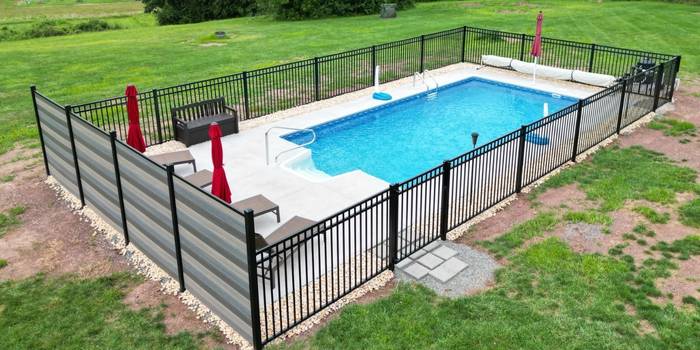
Pool Safety Fence Regulations
You must install a safety fence around your pool to control access. They keep people safe and protect children in the pool area. The regulations for pool fences are set by safety authorities and government bodies.
With a proper fence, you can keep out animals and prevent water from debris. The Consumer Product Safety Commission (CPSC) of the US says a fence can reduce drowning risk. It also blocks people from entry into the pool without permission.
Legal Requirements For Pool Owners
As a private swimming pool owner, you have to fulfil many legal responsibilities. The safety around the pool for swimmers & visitors is required by law to prevent injuries. You must mark the dangerous pool areas such as slippery surfaces or deep ends. It’s also important to install barriers such as fences with standard size and height.
Pool Fence Standards
Basically, pool fence standards set the rules for fence height, strength, materials and safety. They guide you on how to build a secure fence around your pool. When you follow all requirements, you can prevent accidents and keep children/pets safe.
Height & Structure Requirements
The pool fence must be tall and strong enough to block access. You need to make sure it is designed in solid structure with no weak points or large gaps. In many areas, you require a fence at least 48 inches (4 feet) tall, but some need more height.
Climb Resistant Design
You should place a climbing resistant pool fence to stop children from climbing over it. For that purpose, you must avoid horizontal rails or footholds fence design on the outside. With smooth surfaces and narrow spacing, you can make the fence harder to climb. This design adds an extra layer of safety around your pool.
Clearance
Clearance rules focus on the space around the pool fence. You should keep the area clear from objects that children can climb on. Items such as chairs, tables or planters should not be placed close to the fence.
Gate and Lock Mechanisms
With gate and lock mechanisms, you easily control access to the pool area. Remember, gates should close and lock by themselves after they open. Locks must be placed high enough to stay out of children’s reach. The range of 54 inches from the ground is ideal.
Maintenance And Inspection
Routine care and inspection can keep your pool fence safe. That’s why you should check the fence for damage, loose parts or rust. Also, gates and locks must work properly at all times. This way, you can fix problems early and maintain pool safety.
Material Requirements For Pool Fence
The material you choose for a pool safety fence directly impacts the strength and maintenance needs of the fence. Common options for you include aluminum or steel fences, vinyl, mesh fence and wrought iron. You should pick a material that can handle weather and resist rust in coastal areas.
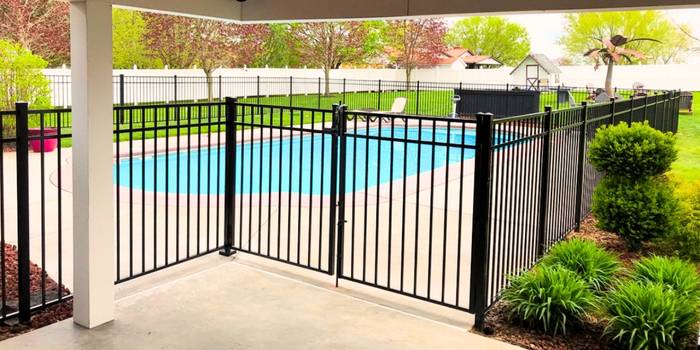
Minimum Pool Fence Requirements
- You should build your pool’s boundary fence 1.8 meters high from the inside.
- Also keep gap of at least 900 mm between the top and bottom rails.
- You must make sure the fence around your indoor pool is at least 1.2 meters tall.
- It’s also important that the gap under the fence does not exceed 100 mm.
- If you install fence which has mesh or perforations, then make sure the holes should be no larger than 13 mm for fences 1.2 m high.
Commercial Pool Fence Requirements
Commercial pools have strict rules for fences to protect the public. Fences must be tall, strong plus hard to climb. You need to make sure the gaps in the fence are small enough (no larger than 4 inches) to stop children.
Pool Fence Laws By State
Federal vs State Pool Fence Requirements
In the United States, pool safety rules vary according to federal, state, and local laws. The federal government sets basic standards through the CPSC guidelines. For example, they prefer a 6 feet or more tall fence around the pool.
However, states may have extra rules that are stricter. The top of a pool fence should be at least 48 inches above the ground. Some states, counties or local areas may require fences to be 60 inches high.
Local Regulations For Pool Fence
Actually, local rules for pool fences can be different based on where you live. Your city or county may set specific requirements for fence height and space standards between panels. Hence, you should check with your city or county building department for exact pool fence rules.
Fence Requirements For Different Pool Types
Below are the rules you need to follow for different types of pools.
Above-Ground Pool Fence Requirements
For the safety of above the ground pool, the fence must be at least four feet high. You can measure this range from the pool structure or the water level. The four inch wide holes in the fence is required. A pool fence is mostly required if the water is at least 18 inches deep.
In-Ground Pool Fence Requirements
Inground pools are permanent and easy to access, so they have strict fence rules. You need to install a fence at least 60 inches (5 feet) tall. The space between the bottom of the fence and the ground must not exceed 2 inches. You must make sure the gates close and latch automatically.
Portable And Inflatable Pools
Portable & inflatable pools are smaller and temporary, but safety is still important. You have to install a fence around these pools if the water is deeper than 18 to 24 inches.
The fence should be at least 1.2 m (4 ft) tall to stop protect children. You must keep in mind that the fence is no more than 10 cm above the ground and the latch should be 1.5 m high.
Consequences of Violating Pool Fence Requirements
The violation of pool safety fence rules can lead to the following serious problems.
Fines and Legal Actions: In many cities like Los Angeles & San Diego, you need to pay a fine if you do not follow pool fence rules. The fine amount can range from a few hundred to several thousand dollars. In some cases, a fine is charged for each day if you do not fix the problem. Local authorities may issue you citations.
Safety and Liability Risks: When you do not obey pool fence requirements, it not only raises legal risks but also increases the chance of accidents & injuries. In such cases, the pool owner is legally responsible for any incidents. It may lead to expensive settlements or damages.
What Type of Pool Fence is Best?
- Aluminum Pool Fence: Aluminum pool fences are strong & durable. They do not rust, warp or fade easily. So, you should install them in outdoor pools.
- Wooden Pool Fence: Wooden pool fences offer you a classic and natural look. They are strong and provide good privacy around your pool. However, wood requires regular care to prevent insect damage.
- Glass Pool Fence: Este type of pool fence provides a modern and stylish look. They are strong and offer a clear view of the pool.
Pool Fence Suppliers
Many companies in China specialize in the manufacturing of durable pool fencing and other safety items. You can consider the following pool fence manufacturers to get quality safety solutions for your pool.
- Jackwinsafety
- Z&Z Industry Limited
- Elitefenc
- Fentech Fence
- Zhonghao Aluminum
La gente también pregunta
Do I Legally Need a Fence Around My Pool?
Yes, in most places you are required by law to have a fence around your pool. However, rules may change based on your state or local area. If your area does not require it, the installation of a fence is highly recommended for safety.
How To Install Pool Safety Fence?
To install a pool safety fence, you need to plan the layout and mark where the posts will be placed. Drill holes, set the posts and gate. Install removable mesh fences at least 2 feet from the water. Make sure the fence is level and stable.
What is the Cheapest Pool Fence?
The most affordable pool fence for you is a mesh fence with aluminum posts. It provides you safety and functionality at a lower cost. Well, DIY options like wooden fences can be cheaper but need more maintenance.
How Much Does a Pool Fence Cost?
The cost of a pool fence depends on the material and size of your pool area. Generally, they cost you around $5 to $30. Aluminum or steel fences are expensive. Plus, customized pool fences have a price range more than $30.
Conclusión
You are now well familiar with almost all the important rules and standards required for pool fences. If you ignore these safety requirements, it can lead to accidents and serious risks. Therefore, you should always follow all above mentioned regulations for maximum safety.
If you need a high-quality pool fence manufacturer and supplier, JACKWIN is your perfect partner. We also provide customized pool fences at affordable rates. So, Contáctanos ahora.


