

-80x69.png)
Farms are full of work and activity, but they can also be risky places. As a farm owner or worker, you may face challenges from machines, animals, tools and chemicals. Hence, you must be aware of farm safety and how to handle farm challenges.
This is why we have prepared today’s guide on farm safety. We told you practical tips, rules, farm risks and precautions. So, you can prevent accidents and make your farm safe for everyone.
What is Farm Safety?
Farm safety means the techniques, approaches, methods or steps which you should follow to reduce danger on your farm. For that purpose, you can use different types of tools and equipment.
This way, you can project your workers, properly, animals and crops. When you follow farm safety rules, you protect the land but your ecosystem too.
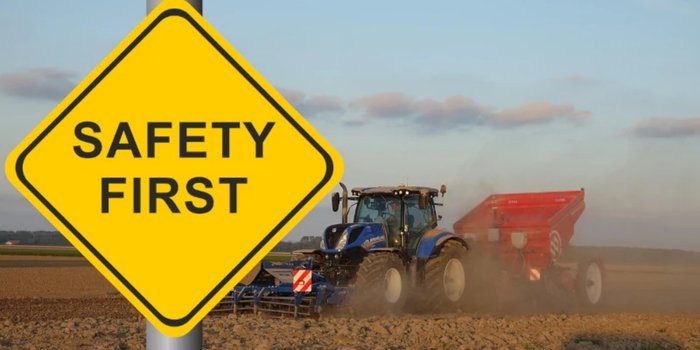
Types of Farms
There are different types of farms based on what you grow or raise. Below are some common types.
- Crop farm
- Dairy farms
- Poultry farm
- Fish farm
- Fruit farm
- Vegetable farms
- Livestock farm
- Organic farm
Farm Safety Equipment & Farm Safety Tips
To make your farms free from injuries and accidents, you have to use the right tools and methods. Because good safety habits make your work better and take care of your farm.
Personal Protective Equipment For Farmers
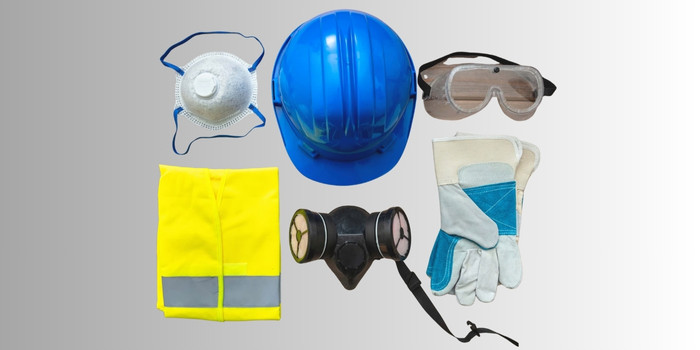
Personal protective equipment (PPE) for farm workers means the gear you wear to stay safe. These include helmets, gloves, boots, PAPR, earmuffs, full body suits and dust masks. Masks and goggles protect you from dust and flying particles. And, ear protection keeps your hearing safe from loud machines.
Agricultural Machinery Safety
You must be very careful when you work with farm machines. Tractors, rotavators or power tillers can cause serious injuries. Hence, always check the machines before use to make sure they work properly.
Furthermore, you should look at the safety labels and follow the warnings. You need to turn off machines when you want to clean or repair them.
Farm Safety Training/Farm Safety Awareness
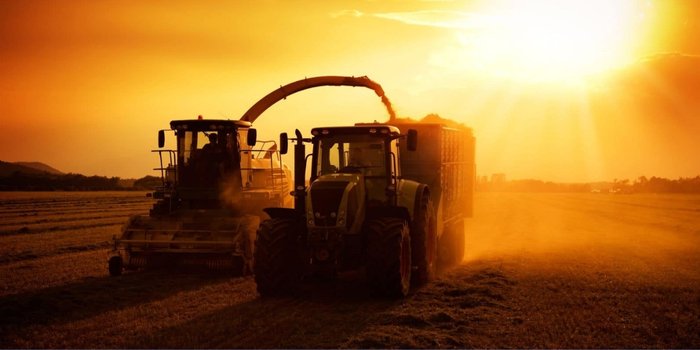
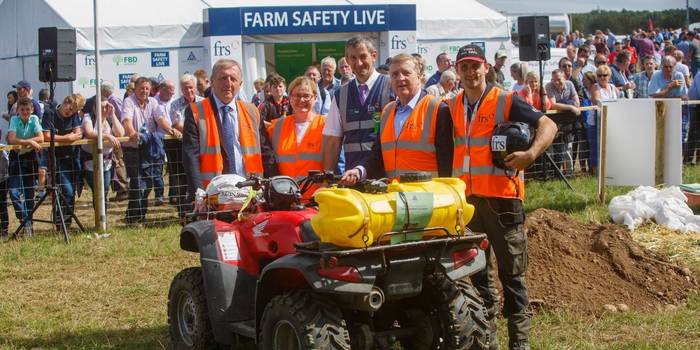
Agricultural safety training is required to keep you and others safe on a farm. Farmers face many dangers such as machines and chemicals. You have to train and teach them how to handle these issues safely.
It gives you practical skills for safe risk handling and how you should respond to emergencies. So, you can avoid accidents and damage to equipment.
Chemical Safety Equipment
Pesticides, fertilizers, insecticides and other cleaning agents can harm your skin and eyes. Farmers must read labels and follow instructions. You should store these toxic chemicals away from children and animals.
You must use gloves, goggles, respirators and coveralls to avoid contact with chemicals. For maximum safety, you can prepare a safety data sheet (SDS) to follow proper steps.
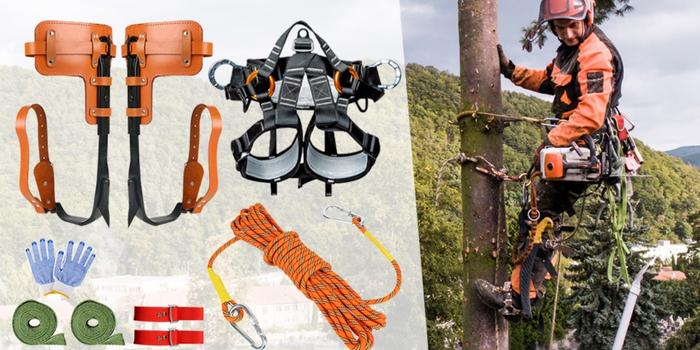
Fall Protection or Climbing Safety Gear
Well, falls are one of the most common accidents on farms. If you are not careful, you may slip from ladders, silos, roofs or machinery. Therefore, you can use proper fall protective tools namely harnesses and guardrails.
Plus, you should wear non-slip shoes. When you use a ladder, it must be on a stable and flat surface. Always remember to use equipment like seatbelts and ROPS on tractors.
Safety Barriers/Fences
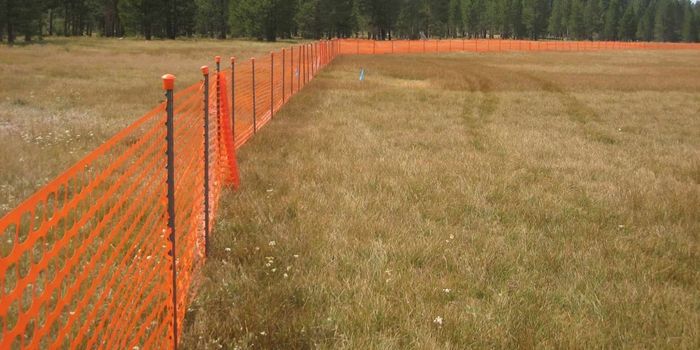
You should install safety barriers and fences to manage livestock and mark boundaries in farms. Because if you have animals in your farm, you have to keep them safe. With barriers, you can stop agricultural vehicles from entering dangerous zones.
They also protect crops and equipment. Generally, you need to place safety fences around ponds, machinery or steep drops. Additionally, you must install a snow fence on your farm before winter to control drifting snow.
Installation of Lights
Farm lighting used to work safely in the dark. As a result, it increases productivity on a farm. Lights are important during times such as plantation, harvesting or when you take care of animals.
But, you should use the right light level and color. For example: red lights can keep animals calm and 16 hours of light mostly improves milk and reproduction. LEDs are also the best option because they last long and save energy.
Fire Safety on Farms
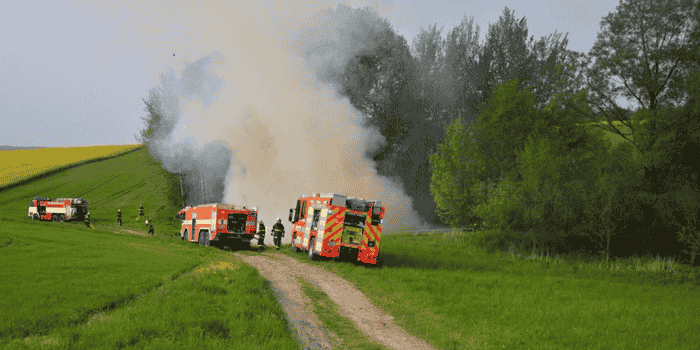
There are several reasons which can lead to fires on farms. These include sparks from machinery and faulty electrical wiring. If you smoke near hay, straw or fuel, it can also start a dangerous fire.
Hence, you must store these flammable materials & oily clothes safely. It’s important to have fire extinguishers and water sources nearby. Along with that, you should clearly mark the farm entrance with signs and keep all routes open for emergency vehicles.
Farm Safety Signage
Well, signs are installed to warn about hazards and guide workers on farms. For instance: they show rules to wear protective gear and keep clear of dangerous areas. You have to use clear and visible signs to guide farmers, so they can work safely and prevent accidents. Following types of signs you install on your farm.
- Machinery Operating Sign
- Chemical Hazard Signs
- Animal Crossing Sign
- Electrical Hazard Signage
- Hearing Protection Required Sign
- No Smoking Sign
- Wet Area Sign
- Restricted Area Boards
- Fire Extinguisher Location Sign
- Emergency Exit Signs
Drones in Farming and Agriculture
If we talk about tools like drones, they are very useful and commonly used on farms. You can use them to monitor your crops, check irrigation plus see which areas need attention.
This way, you can save your time and work more efficiently. They can also spot pests, diseases, danger or weak plants early. With drones, you can also spray fertilizers/pesticides and plant seeds with high precision.
First Aid Kit For Farmers
A first aid kit is very important on a farm. The reason is, you can use it to treat small cuts or injuries right away. So, every farm must have a well stocked kit with bandages, antiseptic, gloves and basic medicines.
Also, you must have knowledge how to use the kit and keep it easily accessible. Hence, you and your workers can stay safe in case of accidents.
Robotics in Farming
Basically, robotics in farming uses smart machines to facilities with planting, weeding, harvesting, spraying and monitoring crops. These machines operate with AI, GPS & sensors.
They can handle repeated tasks and use chemicals carefully. We can say that robot technology used in agriculture saves time, maximizes safety, reduces hard physical work and fulfills food production demands in less time.
Safe Cattle Handling
It’s important to manage animals safely on a farm. With this in mind, you should stay calm and move slowly around them. Also, always use proper fences, gates or chutes to guide the animals.
You should never stand directly behind or in front of cattle. Otherwise, they can kick or charge you. You can also wear protective gear like boots and gloves.
Farm Electrical Safety
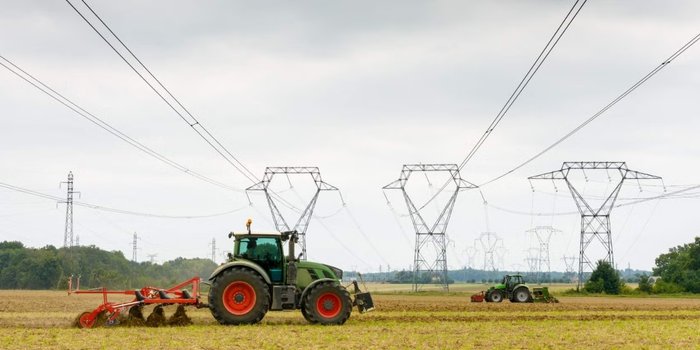
Electricity on farms can be harmful if you are not handled carefully. You need to check wiring, outlets, switches and equipment for damage before use. Always keep electrical tools away from water and wet areas.
You must use proper protective equipment such as cable protector ramps and wire protection tiles. With regular inspections and maintenance, you can prevent shocks, fires, accidents as well as keep you and your farm safe.
Grain Wagon Safety
As a farmer, you need to check the wagon and equipment before use. So, you can confirm they are in good condition. You should never overload the wagon and keep all guards and shields in place.
Further, you check lights, brakes, tires and slow signs to make sure it is safe on the road. It’s important to stay away from operating parts and never ride on the wagon when it is moving.
Farm Tractor Safety
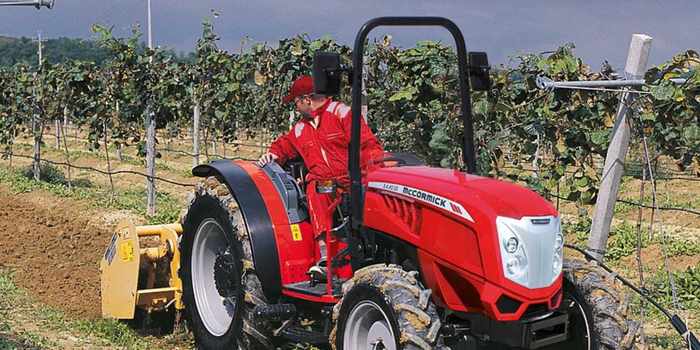
Tractor is one of the most popular machines which you will see on farms. But, its use can be dangerous if not managed safely. Therefore, you must check the tractor before uses like brakes, lights or tires.
Always wear seatbelts and use ROPS (Roll Over Protective Structures) when driving. You must drive carefully on slopes and uneven ground. And, keep all guards and shields in place.
Harvest Safety
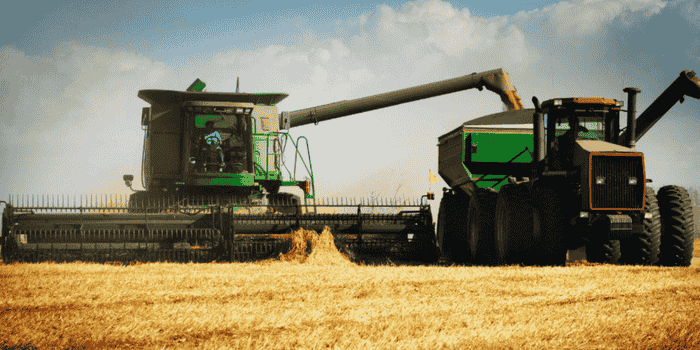
As we all know, harvest time can be busy and risky on farms. So, you should stay alert and follow safety rules when you work with machines. You can wear proper protective gear and keep bystanders away from working areas.
Keep in mind, you have to avoid the use of loose clothing which can get caught. The other main point is to plan work carefully and take breaks to prevent health risks.
Farm Health and Safety Risk Assessment
On farms, you have to manage the health of workers, machinery safety, harsh weather and animal handling. Overall farms can be a dangerous place if you don’t perform safety risk assessment.
With following practice, you can identify potential dangers and tackle them before they result in injuries.
Step 1: You should check the operations of farms and observe things which can cause unexpected safety risks. Also, you can involve your workers and take their daily routine report. Perform assessment of equipment sheds, fields, barns and any other facilities.
Step 2: Next, you have to identify major risk areas of the farm and check their level of severity. You need to set clear rules to judge how severe each hazard is. For example: low, medium or high level.
Step 3: You must handle the potential hazards on the basis of the severity level. For example: if your workers use a tractor on steep terrain without ROPS, it can cause dangerous results. So, this problem must be your top priority rather than minor risks on the farm.
Step 4: It’s also important to keep the record of your assessment. In documentation, you can store what risks you find and their solutions. Later, you can use this data for training purposes as well.
Farm Safety Rules – Farm Safety Regulations
The farm safety standards cover many aspects related to safety of workers and machinery used on farms. These rules are set by organizations like OSHA and HSE.
- The children under 16 are not allowed to perform dangerous work on farms.
- Farmers or employees must use PPE at all times.
- The use of roll-over protective structures on tractors is also required by law.
- You must provide clean drinking water, toilet facilities, handwashing stations and keep all areas accessible for field workers.
- You have to use guards on farm field equipment and cotton gins plus store agricultural equipment safely.
Region Wise Farm Safety Measures
| Countries | Regulatory Agencies | Role in Agriculture Safety |
| United States | OSHA, USDA, NIOSH and EPA | They set rules for farm safety training, use of pesticides & safe farming practices |
| United Kingdom | HSE and DEFRA | These agencies provide safety regulations for farms and rules for environmental protection |
| European Union | EU-OSHA and EFSA | In EU, these bodies promotes farm safety, food safety, shares research with farmers & checks risks from farming practices |
| Australia | Safe Work Agency of Australia and APVMA | These firms set and enforce different farm safety rules plus regulate safe use of chemicals/veterinary products |
Farm Hazards
There are several tools, tasks, machinery and practices that can harm workers. You should identify these hazards and fix them to keep your workers safe at all times.
3 Examples of Common Farm Hazards
- Animal bites and excretions: Animals can bite, kick or scratch, which can cause injuries. Their droppings can also carry diseases.
- Exposure to toxic chemicals: Farmers can be exposed to pesticides, fertilizers or other chemicals. These substances can cause poisoning, burns, injuries and long term health problems.
- Heat stress & Falling from great heights: If you work in hot weather, it can cause heat exhaustion or heat stroke. Also, climbing silos or rooftops can lead to serious injuries.
Farm Safety For Kids
Let’s discuss child safety on farms. Children who live on farms are always at high risk of danger. You must install safety fences around the playing areas of kids. Also secure zones like dams, septic tanks, ponds, pools, sheep dips & creeks.
You should always keep chemicals out of reach of children. Furthermore, you should never allow kids to ride on farm machinery such as quad bikes & tractors. It’s also important to teach older children about dangerous areas & machinery on farms.
Importance of Farm Safety
- You can protect farm workers from injuries and accidents.
- It also guarantees the health and safety of children & visitors.
- Farm safety prevents damage to machinery and equipment.
- With proper practices, you can reduce exposure to chemicals and hazardous materials.
- It keeps animals safe and healthy.
- Plus, safe farms promote productivity and efficiency.
- It complies with laws and safety regulations.
To Conclude
So, farm safety is required to keep your workers, animals, visitors and machines secure and free from danger. When you want to check or improve farm safety, you can use our guide to inspect each hazard and follow the rules we mentioned.
If you want farm safety products (fences/barriers) or protective equipment, contact us now! We can supply all items at an affordable price.
Answers To Your Questions
What is Farm Safety For Visitors?
Visitors should follow rules, stay in safe areas, avoid machinery, chemicals and animals. Also, clear signs, supervision, hand wash stations & safe pathways can prevent accidents. This way, your visitors can enjoy the farm without any risk of harm.
What is Farm Etiquette?
Farm etiquette is a set of polite and safe behaviors for visitors. It means you have to respect the farm as a home and workplace. For example: visitors should not litter, feed animals, pick crops without permission or make loud noises.


