


Flood risk increases day by day because of several human and natural reasons. You cut down trees and build more houses or roads, so water has less space to flow. Plus, climate change makes storms and heavy rain more severe.
All these factors together increase flood risk over time. If you do not manage this, it can quickly lead to serious flooding. Therefore, you need to know proper flood prevention methods and what to use to prevent flooding. Let’s learn about flood prevention techniques in this simple article!
What is Flood Prevention?
Flood prevention includes different methods used to stop floods from happening or protect areas from floodwater. It involves proper land planning, strong drainage systems, flood barriers and water control methods. As a result, you can reduce damage caused by heavy rain, storm surge, rapid snowmelt or overflowing rivers.

How Can Flood Be Prevented?
Below are simple ways to prevent floods and reduce their damage.
-
Create Large Water Storage Areas
The large water storage areas like ponds, lakes, dams, and reservoirs can be built to prevent floods. It is the most effective method which you can use to control water. These areas collect extra rainwater, so it cannot spread into streets and homes. They also maintain water levels during heavy storms and strong rainfall.
-
Improve Underground Drainage Systems
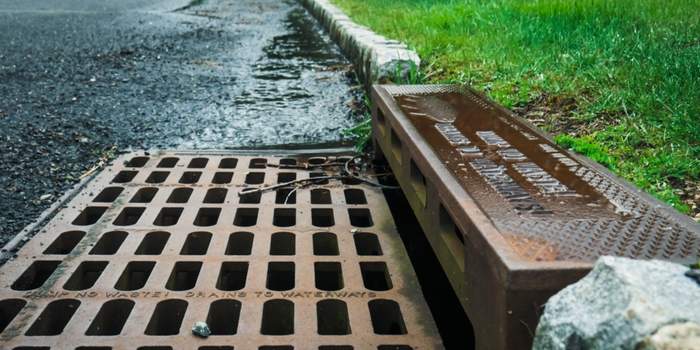
You can reduce flood risk with the improvement in underground drainage systems. Because good drains move rainwater away from roads, buildings, streets and public areas very quickly. The drainage pipes must be clean and strong to stop over water collection during heavy rain.
-
Clean Drains Regularly
It’s important to clean drains regularly to keep water flow smooth. Leaves, plastic, debris and dirt can block drains and cause water to overflow. Hence, clean drains prevent flooding during rainstorms and protect nearby homes and roads.
-
Install Leaky Dams and Floodwalls
You should install leaky dams and floodwalls to slow down water and stop floods access to homes and fields. Basically, leaky dams hold water in a controlled way, so water flows slowly. On the other hand, floodwalls block fast-moving water and protect towns and buildings. You can use small stone dams or concrete floodwalls in different areas.

-
Use Temporary Flood Barriers
Temporary flood barriers are quick safety systems. You should set them up only when a flood risk starts. For example: you can place them in front of doors, streets, basements or low areas. They are easy to install and remove after the danger is over. These barriers are perfect to block or redirect water away from buildings.

-
Reconnect Floodplains
River management authorities connect rivers back to their natural low-lying land areas where water used to spread during floods. When you allow water to flow into these areas, it reduces pressure on cities and villages. Floodplains actually work like natural storage zones during heavy rain. This way, you can successfully lower flood risk and protect homes and farmland.

-
Diversion Canals and Spillways
A diversion canal is a man-made channel that carries extra water away. However, a spillway is a structure built on a dam. It safely releases extra water in a controlled way when the dam gets too full. So pressure does not build up. With these systems, you can reduce flooding and protect people & roads.

-
Store Water in Upper Catchment Areas
You can store water in upper catchment areas to reduce flood risk in lower areas. These are high places, such as hills, where you can hold rainwater in small dams or reservoirs. This slows down water flow and stops sudden flooding in cities and villages below. In this way, it manages water safely and protects land from damage.
-
Use Natural Flood Management Methods
In natural flood management methods, you can reduce floods with the use of nature instead of only man-made systems. For instance: you can use trees, plants, soil, rivers and wetlands to control water flow. Moreover, you should protect forests and restore wetlands, so they can absorb extra rainwater.
-
Increase Community Flood Resilience
Emergency rescue teams and NGOs can make a community stronger, so it can handle floods better. You need to teach people safety steps, preventive steps, build awareness and prepare emergency plans. Further, communities also store supplies and create safe shelters for flood time. These actions reduce damage at large scale and recover faster after floods.

Flood Prevention Products
Flood Gates / Water Gates: Flood gates are strong structures that stop flood water access to buildings or streets. You need to install them if you want to get strong and fast protection in risky areas.

Water Inflated Property Protector: You need to fill these barriers with water, so they become heavy and stable. After that, you can install them to block rising water and protect doors and low areas.

Flood Barrier Socks: These are long and tube-like barriers that absorb water and expand. They are easy to place for you plus can stop water from spreading.

Floodblock: Floodblocks are stackable blocks. With them, you can create a strong wall and a quick barrier against fast floodwater.

Flood Boards: Flood boards are strong panels which are generally placed in doors or openings. You should install them to seal entry points and stop water flow toward your space.
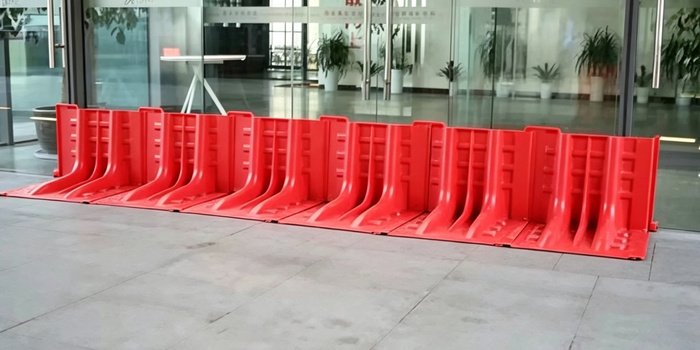
Flood Barriers / Skirts: Flood barriers are widely used to block water. You can install different types of barriers such as self closing flood barriers, inflatable flood barriers, flip-up barriers and I-shaped flood barriers. Well, flood skirts are flexible covers that you attach around a building or structure.

Sandbags: These are bags filled with sand. You can stack them to block water. Mostly, you will need them in emergencies when you want to create a strong wall that blocks flood water.

Flood Prevention For Homes

Buy Flood Insurance
You should get flood insurance to cover repair costs after a flood. You must buy this insurance before a flood happens, so you can recover faster after flood damage.

Elevate Utilities & HVAC Systems
You should lift systems like electricity panels, heaters or air conditioners above ground level. As a result, these items stay safe from moisture damage.
Use Water-Resistant Building Materials
If you use materials like waterproof paint, tiles or strong concrete, they can stop water from soaking into your home.
Install Basement Waterproofing
It’s also important to seal basement walls and floors to stop water leakage. This keeps your basement dry during heavy rain.
Add Sewage Backflow Prevention Systems
We recommend that you install valves that stop dirty water from coming back into your home. This protects you from sewage overflow during floods.
Invest in Inflatable Flood Barriers
You can also install flood barriers that fill with air or water to block floodwater. Remember, you must place them around doors and low areas for quick protection.

Improve Landscaping & Drainage
You have to properly design your yard to guide water away from your house. Because good drainage systems also make water flow quickly and safely.
Wrapping It Up
JACKWIN is a trusted flood protection solution provider with over 18 years of experience in manufacturing flood control equipment. We offer high quality flood barriers and customized OEM/ODM services for businesses and government projects.
Our products are exported worldwide and carefully designed to reduce flood damage. You can talk to our team to get a quick quote or discount on a bulk order.


