

-80x69.png)
Do you want long lasting and smooth parking lots, roads, driveways or sidewalks? If yes then asphalt is a strong and affordable choice. But, you must be aware how you can fix old and damaged asphalt when a new asphalt layer is required.
Well, the answer is a process called asphalt milling. After a deep research, we prepared today’s article to tell you all about asphalt milling. You will learn the asphalt milling process, types, methods and major applications.
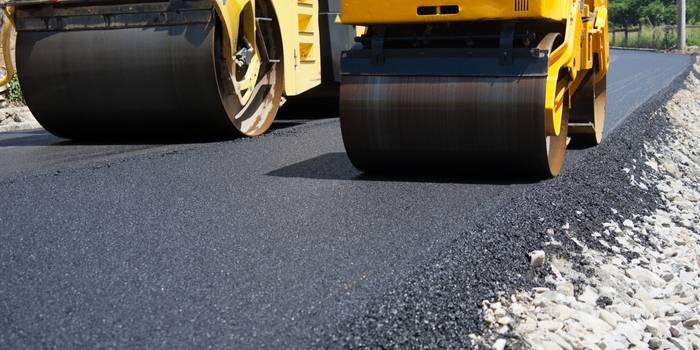
What is Asphalt Milling?
What is asphalt milling used for? Asphalt milling is a method that is used to remove the top layer of damaged chaussée routière. You can use this pavement milling technique when you need to clear the surface so you can put a new layer of asphalt.
For this process, you will need a milling machine that actually grinds the old asphalt. Asphalt milling makes it possible for you to restore the top layer of road and make its surface smooth. It is also known as cold milling & cold planing.
What is asphalt millings? Asphalt millings are basically small gravel like pieces of old asphalt. You will get this material when a machine grinds the main layer of a road surface. Further, this material is recyclable and cost effective. It is also called reclaimed asphalt pavement (RAP).
Asphalt Milling Process
How does asphalt milling work? Below is the step by step procedure of asphalt milling and how it works.
1. Assess the Surface
First of all, you need to inspect the site so you can identify cracks/holes, drainage issues, milling depth and damaged areas. This way, you can decide the level of asphalt to remove and which spots require extra care or maintenance.
2. Now Prepare Area
Proper preparation of the worksite is important for successful milling. For example: you have to remove cars, debris, obstacles and repair potholes. As a result, you can keep your work safe and the milling machine moves easily. Moreover, you should also mark the road area avec ruban de marquage ou peinture de marquage, so you can highlight zones planned for milling.
3. Equipment Set Up
Next, you should set and prepare the milling machines (cold planers) for a safe & smooth process. Before that, you must wear équipement de protection individuelle et implement traffic control measures/devices.
4. Milling Operations
Now, you have to adjust the milling machine so you can remove the right amount of asphalt as required (generally 1 to 4 inches). After that, you can start the machine to remove the old road surface. The machine grinds the asphalt into small pieces. Keep in mind, you must guide it carefully throughout the milling work to cover the whole area efficiently.
5. Collect the Milled Material
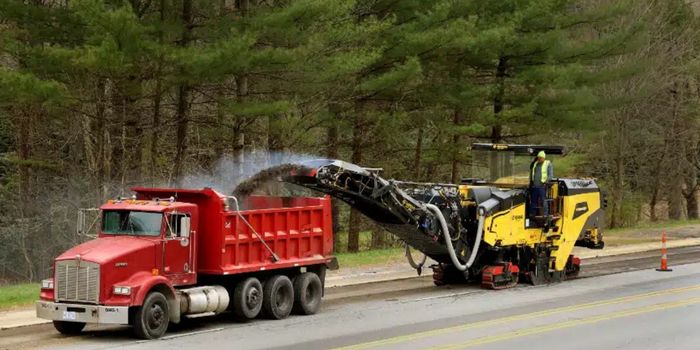
Once you have finished milling with machine, you now need to gather the removed asphalt. This is actually called millings. There are built-in conveyor systems in machines which carry the material from the work area into dump trucks. So that you can recycle the mailings and organize your workplace. Well, you can also reuse this material for new roads, driveways, repairs and future projects.
6. Surface Inspection
You should monitor the milled surface after the work is done. For instance: you must look for uneven spots, loose pieces or missed areas. If you find any issue, you should quickly tackle that problem. This will be helpful for you to make sure the surface is smooth and ready for the next layer of asphalt.
7. Complete Work and Clean Area
After the completion of the milling operation, it’s important to clean and clear the site. You have to remove the leftover asphalt pieces and tools. This keeps the area safe and makes it ready for the next layer of asphalt on road.
Asphalt Milling Uses
Asphalt milling is mostly useful for following projects.
Restore Parking Lots
Comme tu le sais, places de stationnement face a lot of traffic loads. Due to frequent vehicle movement, parking lots surfaces get damaged over time. In this case, asphalt milling is the best way to fix it and restore the entire lot as well. Engineers grind the cracked surface and prepare it for a fresh layer of asphalt. This way, you can make it smooth and safe for parking and pedestrians.
You Can Improve Drainage
When water collects on the road or pavement, it makes the surface slippery and creates potholes. To fix these problems, you must use asphalt milling. With this method, you can adjust the slope of route and level the surface for proper drainage. This prevents cracks on road, allows water flow, reduces damage and keeps the pavement in better condition.
Level Surfaces For Paving
You always need a smooth base to apply new asphalt or treat the surface of roads. Because uneven roads or driveways make paving difficult and unsafe. Hence, you must use an asphalt milling approach before you put in a new asphalt layer. You can fix various issues such as bumps removal, reduce high spots, low areas filling and handle other imperfections.
Rehabilitate Roads
Due to heavy traffic pressure like cars or trucks, the road or highways get damaged and cracked. Further, old asphalt loses its strength and breaks down faster when you don’t maintain pavement. For all these problems, cold planing is the best solution. This prepares the road for a new layer of asphalt. You can also restore pavement strength, smoothness plus safety for vehicles.
Asphalt Milling Equipment
For road construction milling, you require powerful equipment and machines. With large milling machines, you can cover up approximately 14 feet of area (4 meters) at once. The main tool is called a milling machine which operates with rotating drums, conveyors and loaders. You also need to use haul trucks to carry the milled material and sweepers (capacity of 2000 gallons/hour) to clean the road.
For you small scale projects such as patches and driveways, our recommendation is to use skid steer cold planer attachments. You can attach these tools with an excavatrice ou skid steer to perform milling in narrow spaces.
How To Reuse Asphalt Millings?
As we told you above, you can reuse the byproduct of asphalt milling in your future road maintenance or construction projects. It is best option for you instead of fresh asphalt, gravier, hot asphalt or béton. Rather than dispose of RAP, you invest it in new projects which save natural resources plus reduce waste.
Replace gravel in projects: Asphalt millings can replace gravel in your many projects. Because, recycled asphalt is a cheaper and more eco friendly choice. You can use them for allées, road shoulders, paths, parking areas or small roads.
Construct new pathways: For pathways and bike trails, RAP works well. The reason is that its fine texture lets you compact into strong pathways. As a result, you need minimum fresh materials to complete projects.
Repair potholes: You can use millings to repair potholes and damaged areas of road. For this work, take the small particles to fill the hole and pack them tightly. It also increases the lifespan of pavement surfaces.
Build a base for new pavement: Road engineers also use asphalt millings to create a strong base for new pavement. You need to spread and compact the millings which form a strong layer and support the asphalt on top.
Will Asphalt Millings Wash Away?
Yes, asphalt millings can be swept away if they are not installed or packed well. Although they are stronger than loose gravel. But due to heavy rain and steep slopes, the milling small pieces can wash away.
Moreover, heavy traffic or poor installation also make them move. To prevent this, you must make sure you compact the millings properly. Sometimes, you can also add water or a binding material to hold them together.
Asphalt Milling Techniques
Based on road condition or worksite, you can use various milling methods.
- Standard Milling: In this process, the top layer of the road is removed evenly. You should use this approach to fix roads.
- Micro Milling: Micro milling is also called carbide grinding. You only need to remove a very thin layer of pavement. It is perfect to create a smooth surface and better road grip.
- Fine Milling: For fine asphalt milling, you have to clear a slightly thicker layer. So that you can repair minor bumps or uneven spots on path.
- Deep Milling: As its name shows, a deep layer of asphalt is taken. It is an ideal technique for badly damaged roads or major repairs.
- Edge Milling: In this type, you need to remove the asphalt along the road edges to prepare curbs or narrow areas.
Pavement Milling Types
Selon le Asphalt Recycling and Reclaiming Association (ARRA), there are five types of cold milling based on depth and precision.
- Class I: You only remove surface bumps and uneven areas to make the pavement level.
- Class II: It involves milling the asphalt to a consistent depth as you specify it in the project plan.
- Class III: You must adjust the milling to create proper slopes for drainage.
- Class IV: This class describes that you need to remove the full depth of asphalt down to the base or subgrade.
- Class V: For milling, you can use variable depths to match complex surfaces or pavement shapes.
Asphalt Milling Advantages
- Reduce Expenses: You can save money when you reuse old asphalt instead of buying all new material. It also reduces repair & maintenance costs.
- Minimize Environmental Damage: When you recycle millings, it definitely reduces waste and the need for new raw materials. This way, you can make your environment safe and reduce landfill use.
- Make Asphalt Pavements Durable: Milling creates a strong and smooth base for new asphalt. This makes roads and parking lots durable under traffic and weather.
- Smooth Surface Preparation: With milling, you can easily remove bumps, cracks, potholes and uneven spots. Therefore, it provides a flat surface for proper adhesion and compaction of the new asphalt.
- Minimize Traffic Delays: Asphalt milling is a much faster process than full road replacement. Hence, it reduces road closures and keeps traffic movement smooth without any jams.
Asphalt Milling Driveway Pros and Cons
Avantages: Asphalt millings are a cheaper method than using all new asphalt. You can create a strong and durable driveway when you compact asphalt properly.
Inconvénients : For driveways milling, you need proper packing because its pieces can move or wash away. Also, they may not look as neat as fresh asphalt. Over time, you will need re-compacting driveway or extra topping.
FAQ
Does Asphalt Milling Require a Permit?
Yes, asphalt milling mostly requires a permit. But rules vary according to your city, project size and scope. For small residential projects, you do not always need legal permission. But commercial or public road projects generally require permits to meet environmental regulations.
Can You Pour Concrete Over Asphalt Millings?
Yes, you can place concrete over asphalt millings or solid asphalt. This method is known as whitetopping. This is a cost effective solution if you well prepare and compact asphalt. Remember, the underlying asphalt must be in good condition. Otherwise, the new concrete may crack.
Is Asphalt Milling the Same As Asphalt Grinding?
Asphalt milling and grinding both mean the removal of the top layer of pavement. But, milling is more precise and works well for your large projects. Both use special machines to remove and recycle the asphalt which creates a smooth base ready for a new layer.
How Much Does Asphalt Milling Cost?
New asphalt mostly costs you around $7 to $15 per square foot which makes asphalt millings 2 to 3 times cheaper. The expenses for milling are $2-$5 per square foot for residential projects. And, $8 to $12 per square yard for commercial work. Contractors charge between $5 and $7 per square foot for labor.
Derniers mots
So, asphalt milling is a fast and affordable method to make long lasting roads. That’s why China widely uses cold milling technology to maintain its roads. As a result, this process produces around 790 million tons of reclaimed asphalt pavement (RAP) per year.
To check the working of asphalt milling, researchers built a 200 meters long piece of road. After 30 days of traffic, the test road stayed in good condition. This proves that the milled asphalt can handle heavy loads. If you further have questions about asphalt milling, you can contactez-nous maintenant.
More resources:
Use of asphalt milling material in construction of the roadway
Asphalte vs bitume – 15 différences et que choisir ?


