

-80x69.png)
It is a legal and engineering requirement to install traffic lights on busy road zones such as intersections. The major purpose for this globally adopted safety regulation is to control traffic and reduce accidents.
To stay safe and follow traffic rules, you should know about the working of intersection lights. So, we will discuss how intersection lights work and how you should follow their signals.
Intersection With Traffic Lights
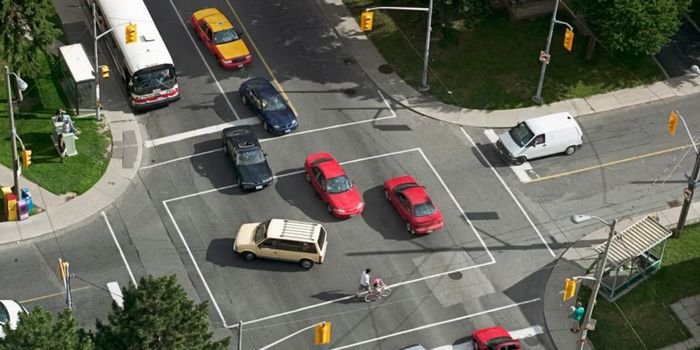
An intersection is a place or area where two or more roads join. Generally, you will find them in cities, towns, near schools or busy streets. Intersections allow you to cross cars, bikes, large vehicles and people safely.
You can also notice traffic lights on intersections. These lights are installed to control the flow of traffic. For example: intersection traffic lights tell you when to stop, go or wait.
Parts of a Traffic Light At Intersection
Traffic signals have different components to work and manage traffic at junctions. Together, they make sure traffic flows in order and prevent accidents.
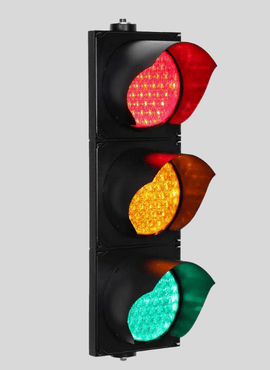
- Signal heads: These are the physical lights you see at an intersection. They show you when to stop or wait and guide both cars and pedestrians.
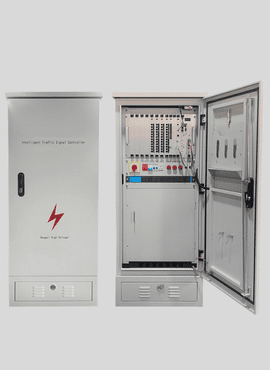
- Traffic signal controller: This is the brain of a signal which decides the time of each signal to stay on.
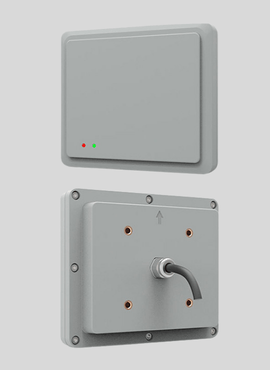
- Sensors (infrared sensors) & detectors: These intelligence based devices can sense/detect the presence of cars and bikes waiting at intersections. They tell the traffic signal controller when to change the lights.
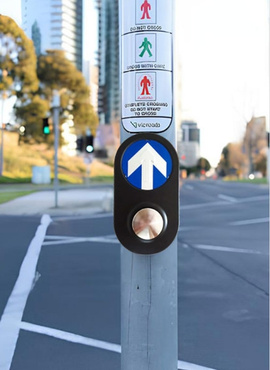
- Pedestrian push buttons: People can press the button to get time to walk safely across the road. This way, traffic lights then change for them.
- Power supply and backup systems: Intersection lights need electricity to operate. Hence, backup systems keep them functional during a power outage.
Intersection Traffic Lights Meaning of Colors
Below are the standard colors of traffic signals, intersection lights rules, and what you need to do when you see them.
1. Green Traffic Signal
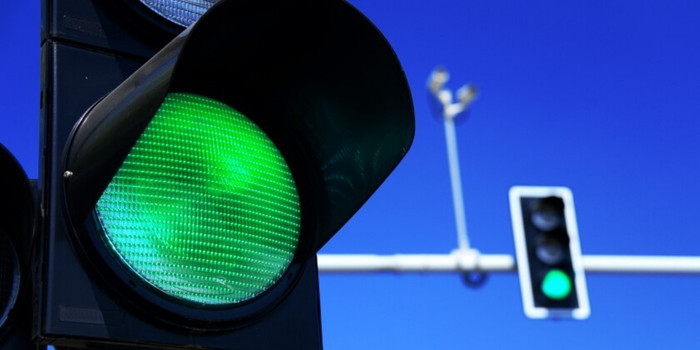
The green light clearly tells you it is safe for you to move. If you are driving or waiting to cross the road, this signal means it’s your turn to go. Mostly, traffic systems (ITS) link signals at nearby junctions.
The main purpose is to create a green band during low traffic hours. This allows you to pass through several green lights without stopping. However, you should still watch for people crossing and follow rules at intersections.
2. Yellow Traffic Signal
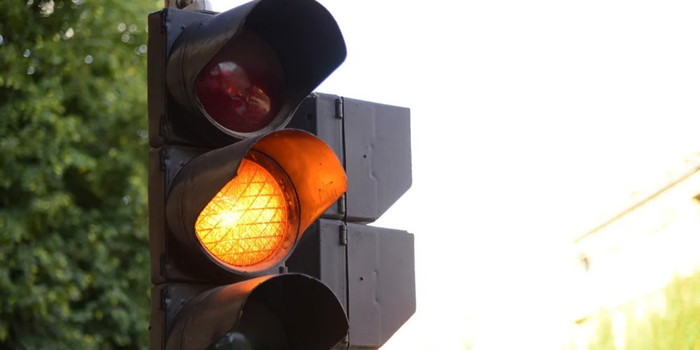
You will see this light color between green and red signals. When you spot this yellow traffic signal, it means the light will change soon. Because this signal works as a warning.
So, you should slow down and get ready to stop. When your vehicle is too close to a stop line, yellow light gives you enough time to react.
3. Red Traffic Signal
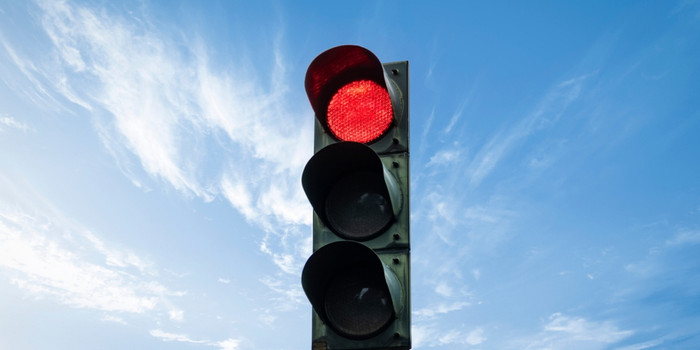
How do stoplights work? The red signal (called stop light) is the strongest and most noticeable signal. It strictly tells you to stop your car completely. When the red light is on, pedestrians & vehicles must wait. So traffic from other directions can move safely.
Red lights also remind you to slow down and keep a safe distance, which protects pedestrians & cyclists.
How Do Intersection Lights Work?
-
Detection of Vehicles At the Intersection
The working of the road signal system first detects vehicle movement at the intersection. For this purpose, it uses sensors, cameras or inductive loops. An inductive loop is a wire under the road which senses when your car or bike is above it. After that, this tells the controller which direction needs to move next.
-
Group Movements Into Signal Phases
The traffic controller groups movements basically decides which cars and pedestrians can move at the same time. For example, if cars are going straight, they may move together, but cars turning left will wait. Moreover, pedestrians may get a separate time to cross.
-
Give Green Light To One Direction
The traffic controller will give a green light to one direction at a time. You can move cars and bikes in that direction only. But, other directions must wait. This prevents accidents and keeps traffic flow smooth.
-
Control Left & Right Turn Movements
At many intersections, if you want to turn your car left or right at an intersection, it needs special signals. The traffic controller gives a separate turn time and green light will be on. As a result, left turning cars can move forward but other cars have to wait. With this step, intersection lights keep left turns safe.
-
Change From Green To Yellow
After you move to a specific lane, the traffic light changes to yellow. This warns you that your turn is almost over. So, you should slow down your vehicle and get ready to stop. Because, the light will soon change in other directions.
-
Stop Traffic With Red Signal
When you notice the light turns red, you must stop. According to rules, you cannot go straight, turn right or turn left. The red signal gives other directions a chance to move safely.
-
Allow Pedestrian To Cross
When all cars and bikes are stopped, traffic signals turn green for pedestrians. you need to stop and let people walk across the road. The traffic light gives them time to cross safely. You should wait patiently until the pedestrian signal ends.
-
Switch Between Signal Phases
The traffic lights keep changing from one phase to another, so different directions can move. When your turn ends, your light will turn off and another direction’s light turns on. This keeps traffic safe and traffic movement smooth at the intersection.
Types of Traffic Lights At Intersection
At an intersection, you may see different types of traffic lights. Below we mention major ones.
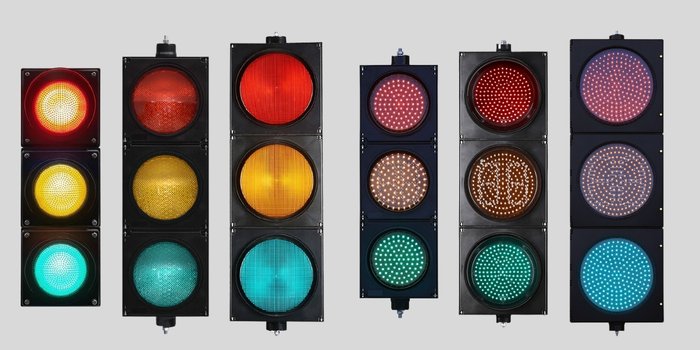
Full Ball Traffic Signals
Full ball traffic signals are the most common type of signal you see at intersections. Basically, they have three lights stacked vertically. When you follow these lights, you know when to stop, go or wait. This way, you can move safely and keep traffic organized.
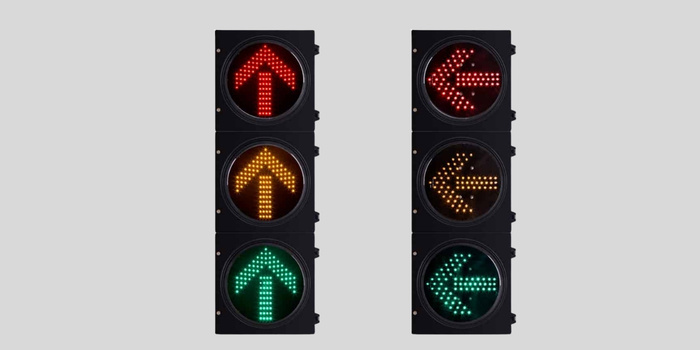
Arrow Traffic Signal
Arrows are displayed on intersection lights to show you when you can turn in a specific direction. For example, a left arrow tells you that you can take a left turn safely, but other directions have to wait. These arrows are mostly used with special turning lanes.
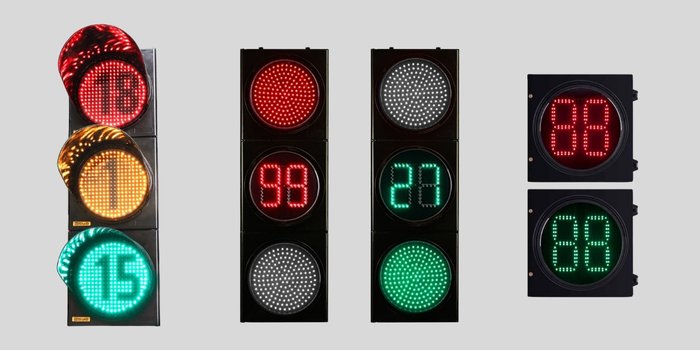
Countdown Traffic Signals
Countdown traffic signals guide you about how many seconds are left before the light changes. Hence, you can see how long you have to wait or move. As a result, you decide when to stop or slow down. With countdown signals, you can make intersections safer and easier to use.
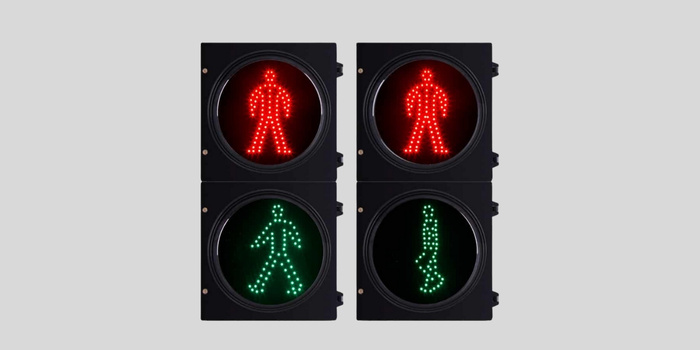
Pedestrian Traffic Signals
If we talk about pedestrian traffic signals, they signal when you can walk safely across the road. When the walking sign lights up, you have to stop your vehicle and let people cross the road first. These signals keep you and pedestrians safe at intersections.
Intersection Controller Traffic Lights
The intersection controller (IC) is a management board which controls the overall operation of traffic signal lights. It is also called traffic signal controller or TSC.
For example: this device decides how long each light stays on and which signal to show. This controller works with electricity between 42 V AC and 220 V AC. Below are major types of IC.
Fixed Time Signal Operation
In fixed time signal operation, the traffic lights change at set times. This system operation does not depend on the number of cars or pedestrians on the road. That’s why it works well at intersections with consistent traffic flow.
Adaptive Traffic Signal Systems
Adaptive traffic signal systems (ATCS) adjust the intersection lights in real time. Basically, they use sensors and cameras. So, they can identify how many cars and pedestrians are at the intersection. The system then changes the lights to allow you to move smoothly.
Actuated Signal Operation
In actuated signal operation, the traffic lights change only when vehicles or pedestrians are detected by the system. If no one is waiting, the light may stay red. They use sensors or cameras to detect vehicles and adjust the lights.
5 Importance of Traffic Light At Intersection
Pedestrian Safety: As we mentioned, you have to stop and let people cross when the pedestrian signal is on. This way, intersection lights prevent accidents and protect everyone at crossways.
Traffic Rules Enforcement: Traffic lights show clearly when to stop and when to go, which keep traffic in order. This is very useful in places where police cannot watch all the time.
Reduce Traffic Jams & Conflicts: intersection light controls traffic, so that cars and pedestrians don’t block each other’s way. You can move smoothly without long waits. Hence, intersections can stay less crowded.
Road Users Safety: With the control of who moves and who waits, intersection lights minimize the risk of crashes. They also keep the roads organized and make sure your safety.
Traffic Management: Traffic lights give each direction a chance to go. Without them, intersections can be risky with cars and bikes. At busy intersections, traffic lights keep the path clear for everyone.
Traffic Light Intersection Right of Way
Right of way means who can go first at an intersection. It tells you when to move, stop or wait, so that traffic stays safe. If you don’t obey yield regulations and don’t allow someone who has legal right to proceed, you may get a ticket or fine.
Who Has the Right of Way At an Intersection
Road signals at intersections have very obvious rules. For example: you can go when your light allows it. If the signals are not functional, normal traffic rules apply. The vehicle on the right goes first if you arrive at the same time. Furthermore, cars going straight have priority. You must let traffic already in the intersection move first.
Intersection Without Traffic Lights
The crossroads without traffic signal lights are called uncontrolled intersections. At such points, you have to follow the right-of-way rules. Slow down and let cars already in the intersection go first.
What To Do At an Intersection Without Traffic Lights?
In this case, you need to treat the intersection like a four-way stop. For example: you should completely stop your car and let the first vehicle that arrived go first.
If two vehicles arrive at the same time, the car on your right has the right of way. When you take a left turn, the rules say you must yield to cars going straight.
Frequently Asked Questions
Are Intersections With Traffic Lights Safe?
Junctions with signals are generally safe because they control traffic and reduce risk of accidents. However, there are some risks which still exist. For instance: rear end collisions or drivers running red lights.
How Long Does Each Traffic Signal Phase Last?
On smaller roads, green may last 10 to 20 seconds. It can stay on for more than a minute on main roads. Pedestrian walk signals are mostly timed 4-7 seconds. A full traffic light cycle commonly takes 60 to 120 seconds.
Can Intersection Traffic Lights Operate Without Sensors?
Yes, intersection lights can work without sensors. You will find many lights in busy cities or on roads with steady traffic. These lights use fixed time systems. So, they always change at set times.
Wrapping It Up
We hope you now have a clear idea how traffic lights work and their importance for your safety on the road. When you know right of way & signal rules, you can move confidently at intersections.
For all your traffic safety needs such as traffic lights, signs or road safety products, you can contact us. We can provide you with reliable solutions to keep roads safe and danger-free.


