

-80x69.png)
In USA during 2023, over 4500 people died due to worksite accidents that could have been prevented. More than 4 million people were injured. This is why industrial safety matters the most.
So, to understand industrial safety you can read this article. We have discussed types of industrial safety, common hazards, and solutions.
What is Industrial Safety Management?
Industrial safety management is the process of creating rules to protect your workplace. Safety managers enforce these laws on the workers, vehicle operators and visitors as well. These rules also include the inspection of equipment. So, they work properly and do not harm any worker.
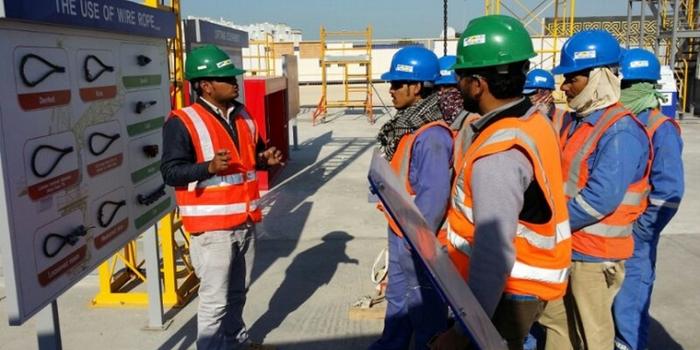
Industrial Safety Examples
For example, you are in the management of a factory. You make a law to wear safety helmets for all workers & drivers. Because helmets protect you from falling objects. In this way you make a rule & enforce it on workers to make the environment safe.
Importance of Industrial Safety
There are many reasons that make industrial safety important for you. Like a safe environment creates a productive environment. When your environment is safe your employees work happily. The insurance rate of the employees also decreases. In addition, it enhances the brand name and more workers connect with you.
Seven Types of Industrial Safety
1. Occupational Safety
OSHA or occupational health and safety only focus on the safety of workers. First of all, they assess the risk present on the site. Then proper safety rules are created according to the hazard. For instance, wear insulating gloves when you handle wires. They contain safety rules, medicine, hygiene and mental health protection.
2. Industrial Fire Safety
Fire safety is very essential in industrial safety. They mainly involve preventing, detecting and responding to fires. These precautions include the inspection of electrical and mechanical equipment. Clear signages and exit routes are also installed at the worksite. Fire suppressions systems are also placed like fire alarms & sprinklers.
3. Material Safety or Chemical Safety
When it comes to chemical safety, each industry handles multiple dangerous chemicals. Therefore, proper policies are documented for the storage of chemicals & how to handle them. The storage rooms are ventilated properly. Furthermore, safety rules are also created to dispose of these chemicals.
4. Industrial Electrical Safety
Well, this type of safety protects workers from electrical shocks, burns plus fire sparks. You have to follow clear rules and regulations like lockout & tagout before any repair. You wear proper PPE (gloves, glasses, shoes and arc-rated cloth). All the electrical appliances should be grounded and kept dry at all times. Check the wires and tools on a regular basis. In addition, only expert and trained workers should be allowed to touch live wires.
5. Environmental Safety
Environmental safety means you protect people and nature. You control risks before they cause damage. You avoid pollution at work and around your site. For this you have to follow safety and environmental rules at all times. The waste should be managed in the right way. This is a key part of EHS. It keeps accidents away and protects the environment. When you care for safety, your business earns trust and respect.
6. Construction Site Safety
Construction site safety means you protect employees when they work at construction places. This can include safety rules and safety gears. To fulfil this, the workers are trained first. The site is kept clean from unnecessary tools. In case of any hazard workers are informed in advance.
7. Physical Safety
When it comes to physical safety it protects workers from any physical harm. This harm can be caused by any equipment & person. Many accidents also result in physical injuries. Therefore, you need to make strict security protocols and install safety devices as well.
Industrial Hazards and Safety
Chemical Hazards
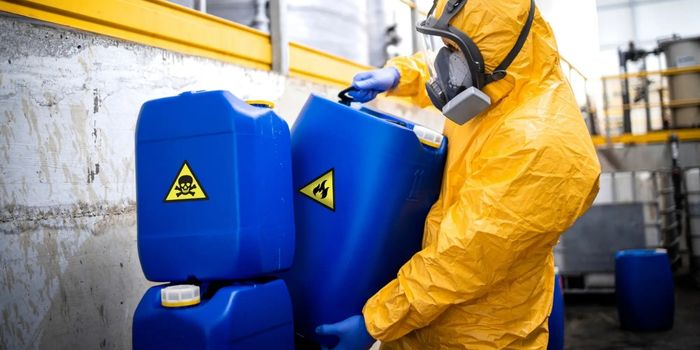
There are hundreds of chemicals that are present in workplaces. Like acetone, toluene, sulfuric acid, sodium hydroxide, cleaning bleaches, paints, fuel and heavy metals. These all chemicals come with side effects. Your worker can face respiratory issues like asthma & irritation. Furthermore, many skin problems and neurological effects can be produced.
To protect your workers from all these issues make sure to implement industrial safety protocols. Ensure that your workers wear PPE when they work. You should try to store harmful chemicals at safer places.
Physical Hazards
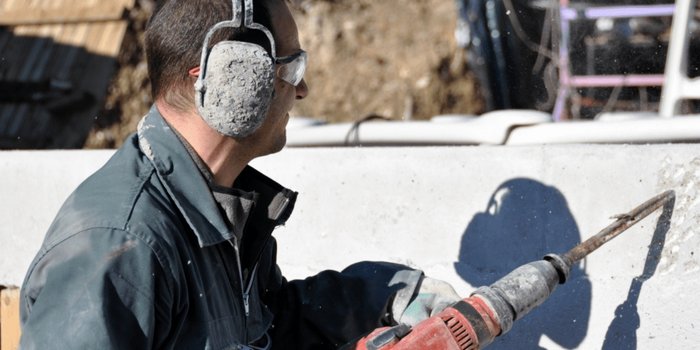
Construction sites may contain wet and uneven surfaces with moving machines. Poor lighting and extreme temperature are also considered as hazards. Physical hazards can result in injuries, broken bones, hearing loss, muscle contraction etc.
To decrease these problems you should use hierarchy of control. Which means that first of all you have to eliminate the hazard, use safety gears plus keep strong administrative control.
Mechanical Hazards
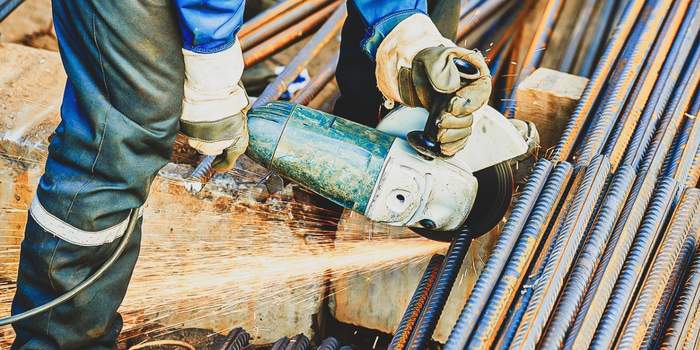
Mechanical hazard is any injury that is caused by any vehicle, machine & tools. These hazards are created due to unguarded machinery, defective tools plus disorder vehicles. Mechanical injury can result in crushing of bones, cutting of skin, and stabbing of muscles.
These things can be resolved with the help of trained employees. You must inspect your machinery on a daily basis. Create boundaries around harmful machines you can use temporary or permanent barriers for this.
Electrical Hazards
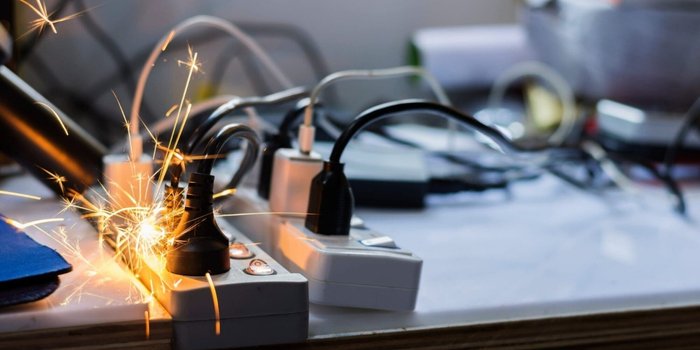
The presence of electricity is very necessary at any workplace. But it comes with a number of dangers. For example workers can face shocks, burns, fires and explosions. These all issues are faced due to faulty wirings, overloaded circuits, wet conditions and contact with live wires.
You can solve this issue by covering your naked wires. Distribute the load of the machinery in equal parts. Do not allow any untrained worker to touch live wires. Try to repair damaged equipment on time.
Biological Hazards
These are hazards that are generated by bacteria, viruses, parasites, mould or fungi. You can have these hazards when you contact infected people & animals. When you work in the healthcare department or handle medicines it can create biohazard for you.
These conditions can be tackled when you maintain proper hygiene on your sites. Make it compulsory to wear masks and gloves. Try to avoid cross contamination of infected things. Dispose the harmful waste in the correct way.

Ergonomic Hazards
Well, this is a physical condition that is included in ergonomic hazards. This results in the strain of the body leading to back pain or carpal tunnel syndrome. Actually, all these problems are created with poor workstation design, awkward posture or heavy lifting.
Its solution starts from an adjustable workstation, proper mechanical aids, implementation of good posture, frequent breaks and presence of lifting tools.
How To Protect Workers?
Required PPE: You must protect your workers first with PPE. For instance hard hats that guard the head from falling objects. Hand gloves to protect hands from cuts and shocks. Safety shoes are good to reduce foot injuries from heavy loads. High visibility vests ensure that drivers spot workers quickly. Always remember, you have to check PPE daily.
Train Employees: Training gives your workers confidence. You should teach them how tools work. Try to explain site hazards clearly. You must share emergency steps about all dangers before the work starts.
Prevent Falls: As you know, falls cause serious injuries on sites. Therefore, you should install guardrails on edges. Workers must use safety harnesses at height. You have to cover open holes and shafts. Paint walkways with high visibility colors because clear walkways reduce confusion.
Enforce Safety: Safety rules mean precautions that are made by experts to avoid any accident. You have to set clear safety rules for all. And stop unsafe behavior on spot. You should apply penalties for repeat violations.
Fix Electrical Devices: Faulty tools can cause shocks and fires. So, you inspect wires and plugs daily. You should replace damaged cables at once. Prefer to place all electrical equipment properly. Always provide a safety switch near the workers that can shutdown all the machines on the spot.
Industrial Safety Equipment List
Safety Gloves: There are several types of gloves that you can use in your workplace. For example leather gloves to protect from heat. A string knit glove is used to prevent cuts. Chemical resistant gloves to avoid contamination of dangerous chemicals. Anti vibration gloves to handle large machinery.
Safety Goggle: Safety goggles are also used to protect eyes at your sites. Like splash goggles to prevent chemical splashes. Dust goggles to avoid tiny particles. Welding goggles to use while welding.
Ear Protection: You may often find workers wearing ear protection on jobsites. Earplugs, earmuffs, helmet mounted and canal caps are more common for protecting ears.
Safety Boots: Safety of the feet is also compulsory when you work on the work sites. These boots also come in many types: steel toe boots, electrical hazard boots, chemical resistant boots and metatarsal boots.
Fire Extinguisher: They are also selected on the basis of fire hazards that are present on your property. For instance, water extinguishers for solid combustible products. Foam extinguisher for solid and flammable liquids plus electrical fires.
Protective Barriers: You can use them to create a secure place between machines and workers. For this you can use guardrail, bollards, fencing, concrete barriers and water filled barriers.
Safety Suit: You can find a wide variety of suits when you see jobsites. You may see chemical suits in labs, flame resistant suits near flammable items plus high visibility clothes.
Objectives of Industrial Safety
Industrial safety aims to protect your workers, equipment plus workplace from accidents and hazards. Its main goal is to prevent injuries, illnesses, property damage and financial losses by identifying risks before they happen.
A strong safety program ensures that workers follow rules and stay aware of potential dangers. It also improves productivity by reducing downtime caused by accidents. In short, industrial safety creates a secure environment where everyone can work confidently and efficiently.
Industrial Safety Rules/Standards
- You are responsible for your own safety and for the safety of others.
- All accidents are preventable. Means if you stay alert and follow safety measures, accidents can be avoided.
- Do not take shortcuts, always follow the rules.
- If you are not trained, do not do it.
- Use the right tools and equipment in the correct way.
- Assess the risk before you approach your work.
- Never wear loose clothes or slippery footwear.
- Always wear PPE (personal protective equipment) according to your job needs.
- Playing or joking around work can lead to serious accidents.
- Keep your work area clean and organized. Remove debris, tools or spills that could cause accidents.
Industrial Safety Equipment Suppliers
If you want to make your worksite safe you must use proper equipment. JACKWIN is a trustable company that manufactures a wide variety of safety equipment. We have more than 18 years of experience. Our products are ISO9001 & CE certified to assure the quality.
Some other safety equipment companies are:
- Honeywell
- 3M China
- Baymro Safety
- SINMOX Safety
- Guangzhou Yangyue
Final Remarks
We hope now you completely understand industrial safety and how it keeps your workers and workplace protected. You must follow rules & use the right equipment.
If you need quality safety solutions for your worksite, factory or industry, we can supply all the necessary equipment at affordable rates.


