

-80x69.png)
In today’s world, traffic congestion, delays, accident risks and road safety are major challenges. Traffic management authorities use smart solutions like intelligent transportation systems to make your travel easy.
We will talk about how ITS manages roads and traffic in real life. After reading this guide, you will be able to follow traffic updates and respond to alerts in the correct way.
What is Intelligent Transportation System?
An intelligent transportation system (ITS) uses modern technology and tools to improve how traffic and transport work. With this system, you can connect vehicles, roads and traffic management by smart communication devices. In this way, you can reduce traffic jams, accidents, travel time and other road hazards.
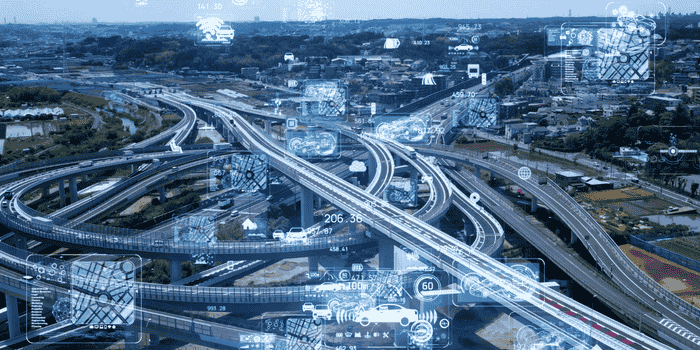
Intelligent Transportation System examples
Following are common examples of intelligent transportation system,
- Smart traffic lights: Traffic signals adjust automatically to reduce congestion.
- GPS navigation systems: Provide you real-time traffic updates and also suggest faster routes.
- Automatic toll collection: This ITS technology allows your vehicles to pass tolls without stopping it and save your time.
- Traffic surveillance cameras: They monitor roads and are useful to manage traffic flow.
- Public transit management: Buses and trains that operate on optimized schedules using real-time data.
Components of Intelligent Transport System
The intelligent transportation system parts work together to collect information and improve overall transportation efficiency. Each component has a specific importance to make your travel safe and fast.
Sensors
Sensors are important parts of an intelligent transportation system. They collect useful data to manage traffic flow. You will find ITS sensors on roads, transport areas and at intersections.
For example: video cameras, radar/LiDAR sensors, inductive loop sensors and environmental sensors. These detector devices monitor things like vehicle speed, traffic flow, congestion level and weather conditions.
- Infrastructure Based Sensors: These sensors are fixed on roads, bridges, intersections and traffic signals. They detect the number of vehicles, their speed plus road conditions. Then, this information is used to control signals and improve road safety.
- On Board Diagnostic Sensors: On-board diagnostic sensors are installed inside vehicles to check their performance and condition. These sensors provide you data about the car engine, fuel use, speed and emissions. This information is helpful for you and vehicle systems to detect problems early.
Control system
The control system is also called the brain of ITS. Because it receives information from sensors and processes it to make real decisions. Basically, they work like the nervous system of ITS, which sends signals and manages actions in real time.
- Incident Management Systems: It detects accidents or road problems and guides traffic toward safe routes.
- Traffic Signal Control Systems: This control system changes traffic light timings based on current traffic conditions to reduce waiting and improve flow.
- Ramp Metering Systems: Ramp metering systems control how many vehicles enter highways to prevent traffic jams.
Communication Network
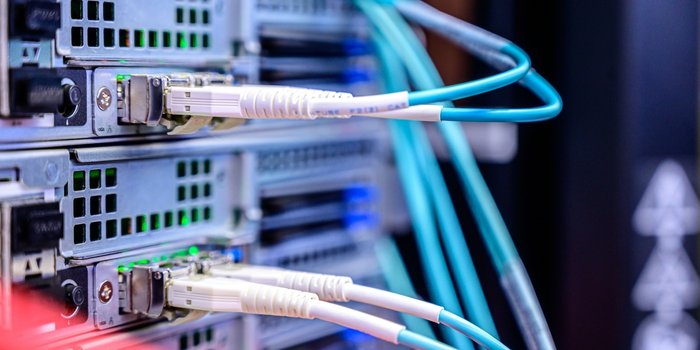
The communication network connects all parts of an intelligent transportation system with the use of wires and wire less technology. It allows sensors, traffic management departments, control systems and vehicles to share information quickly.
This network assists traffic managers respond to changes, guide drivers as well as keep transportation flow smooth.
Types of Intelligent Transportation Systems
The different types of an intelligent transportation system are designed to improve specific areas of travel.
Advanced Traffic Management Systems
Advanced traffic management systems (ATMS) are used to control and monitor traffic flow on roads and highways. They use sensors and cameras to reduce congestion levels and prevent accidents. This system also makes your travel fast and risk free.
Connected and Autonomous Vehicles
CAV uses GPS, sensors and wireless technology to communicate with other vehicles and the road network. In this way, vehicle systems can make quick decisions, improve safety as well as reduce the need for human control. This system can also offer you safety features such as automatic braking.
Advanced Public Transport Systems
If we talk about advanced public transport systems (APTS), you can use it to improve the efficiency and safety of buses, trains or other public transport. This system uses technology to track your vehicles and manage schedules.
It provides live updates on the location and arrival times of buses and trains. Moreover, APTS lets you pay easily by use of smartcards or mobile phones.
Intelligent Freight Transport Systems
IFTS (abbreviated as intelligent freight system) aims to make freight transport faster, and more eco-friendly. For that purpose, this technology works with live information to plan the best routes for you.
It also reduces traffic congestion and helps you to avoid delays. For example, IFTS can optimize delivery schedules, lower the number of trucks on the roads, save fuel and improve air quality.
Advanced Traveller Information Systems
Advanced traveller information systems (ATIS) provide real-time information to drivers and passengers. This includes updates on traffic, travel times, alternative routes and public transport options. So, you can choose the right path while you are driving. You can see this data in your vehicle system or mobile apps.
How Intelligent Transportation System Work?
Data Collection
Data collection is the first step in an intelligent transportation system. Sensors/cameras and other devices gather information about vehicles and road conditions. After that, this information is used to understand and improve transportation systems.
Data Transmission
In this process, the system sends the information which is collected by sensors and devices to control centers or other systems. This lets traffic managers and systems receive updates quickly and respond effectively on time.
Data Analysis
Data analysis is the technique of examining the information received from sensors and devices. In this way, traffic controllers can easily know traffic patterns and predict problems. This step is also useful to make better decisions to improve safety and efficiency on the roads.
Actionable Insight
Actionable insight is the information from traffic data which can guide quick decisions. It allows authorities to identify problem areas, adjust traffic lights, prevent crashes, plan detours and improve travel conditions.
Intelligent Transportation System Applications
You can use ITS in the following areas to make travel safe and more efficient.
- Traffic Management System: To control traffic flow, reduce congestion, track danger zones and improve road safety.
- Automatic Speed Enforcement: Road authorities use ITS to record traffic violations such as over speeding.
- Public Transportation Management: You can use ITS to make buses, trains or other public transport more reliable and efficient.
-
- Lane Departure Alerts: Transport controllers use this system to track your vehicle’s position on the road. If you start to drift out of your lane, the system will warn you.
- Traveler Information System: Traffic departments rely on this modern technology to get fast updates on routes and transport options. So, you can plan your journey better.
-
- Emergency Vehicle Alert Systems: ITS widely used to clear the way for ambulances, fire trucks, rescue vehicles and police cars.
- Freight & Commercial Vehicle Operations: Used to optimize delivery paths, tracks shipments & reduces delays for goods transport.
Benefits of Intelligent Transport System
- Improved traffic flow & reduced congestion
- Increase road safety
- Lower travel time
- Better fuel efficiency
- Real-time information sharing
- Faster emergency response
- Cost savings in transportation
- Increased public transport efficiency
- Quick decision making
- Improved driver convenience
Intelligent Transportation Systems Challenges
-
- High Implementation Cost: ITS requires expensive sensors, cameras, software & control systems.
- Data Privacy/Security Risks: The data gathering of vehicles can lead to privacy concerns and cyber threats.
- System Integration Issues: It may be difficult for you to combine ITS with existing road infrastructure.
- Maintenance & Upgrading Needs: You have to make sure regular maintenance and updates function.
- Lack of Skilled Workforce: To operate and manage ITS, you need trained personnel, which can be limited.
- Public Acceptance and Awareness: Drivers and citizens must trust and understand ITS for its better performance.
- Legal and Regulatory Barriers: You may need to follow new rules to use autonomous vehicles and other ITS technologies.
People Also Ask
What Do Intelligent Transportation Systems Use GPS For?
ITS uses GPS to track the location of your vehicles in real time. This is helpful to manage traffic, guide drivers, optimize routes and improve safety on the roads for all road users.
What Technologies Are Used in ITS?
- Artificial intelligence (AI)
- Cloud computing
- Internet of things (IoT)
- Cybersecurity
- Data analytics
- 5G
- Blockchain
- Edge computing
- Mobile technologies
Why is Telecommunication Important in an Intelligent Transportation System?
Telecommunication is important because it allows vehicles, sensors, devices and control centers to communicate right away. This method facilitates real-time information sharing, traffic management, fast emergency response and keeps transportation systems smooth.
Final Note
With an intelligent transportation system, you can make roads safe, but it also supports traffic departments to prepare future plans. So, it is easy to tackle growing traffic, emergencies, adapt to new technologies and design smarter routes for the future.
If you want to ask further questions about ITS, contact us. Our team will guide you and give you all the information you require.
See These References:
Intelligent transportation system – Wikipedia
15 Traffic Control Devices You Should Know
Development of advanced public transportation system with limited infrastructure support


