

-80x69.png)
Many jobs have some risks that can cause injuries or health problems. According to the OSHA outreach report, only 22% employees feel safe, while 1 in 10 think they are at risk. Due to workplace hazards, around 140000 workers die each year.
The best way to protect yourself is the use of personal protective equipment (PPE). We have prepared this detailed guide to tell you which items you can use based on your work conditions.
What is PPE?
PPE stands for personal protective equipment. It means the special items you can wear to stay safe at your worksites or in risky places. You can use PPE to protect yourself from injuries, chemicals, dust, or germs.
You may need PPE if you work in construction, hospitals, factories or laboratories. With their use, you can avoid accidents and keep your body safe.
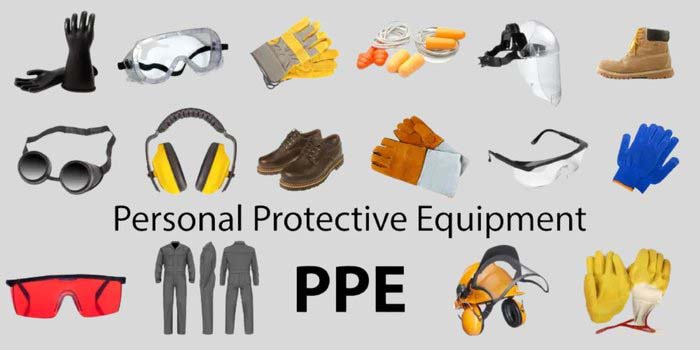
Types of Personal Protective Equipment
There are many types of PPE made for different parts of your body. Every type of personal protective equipment has its own purpose. But all have one goal, which is to keep you safe from danger. Below are major classifications of PPE.
Respiratory Protective Equipment
You can use respiratory protective equipment to breathe safely in dusty, smoky or chemical-filled places. Also, you can wear it to protect your lungs from harmful air, gases, large particles droplets or tiny particles.
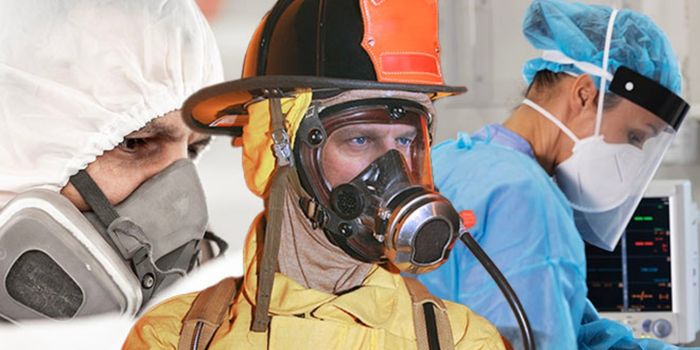
You can find many types of respiratory protection. However, the most common are masks and respirators. Always remember to choose a mask which fits well and you must change if it is dirty or damaged.
-
- Dust masks protect you from dirt, smoke or light dust.
- Respirators give you protection from stronger gases, fumes or chemicals.
- Powered respirators use a small motor to give you clean air to breathe.
- Surgical Masks cover your nose and mouth and make breathing safer in risky areas.
Face and Eye Protection
Face and eye protection keep your eyes and face safe from dust, chemicals, burns, sparks or flying objects. You can use them to avoid injuries while working. Common types include:
- Safety goggles: These safety items protect your eyes from dust, liquids or chemicals.
- Face shields: They cover your whole face from splashes and debris.
- Safety glasses: Safety glasses protect your eyes from small particles or light impacts.
Skin and Body Protection
Skin and body protective safety items keep you safe from chemicals, heat, cuts and germs. You should use the following equipment to avoid injuries at your working sites.
- Coveralls: You can use these items to keep your whole body safe from dirt, germs, chemicals or sparks.
- Aprons: When you work with machines or handle chemicals, you must use aprons to protect your clothes and body from spills or heat.
- Protective suits: These suits are useful for you in hazardous workplaces such as labs or chemical factories.
Head Protection
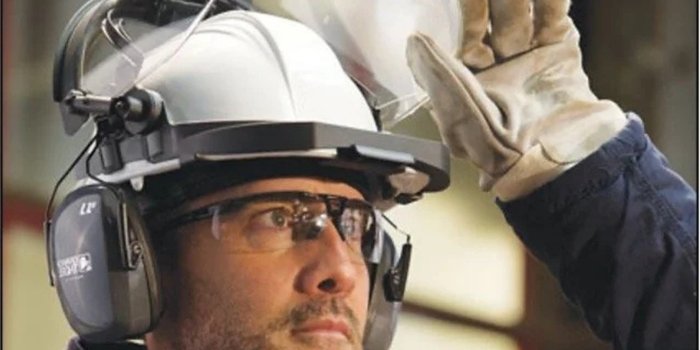
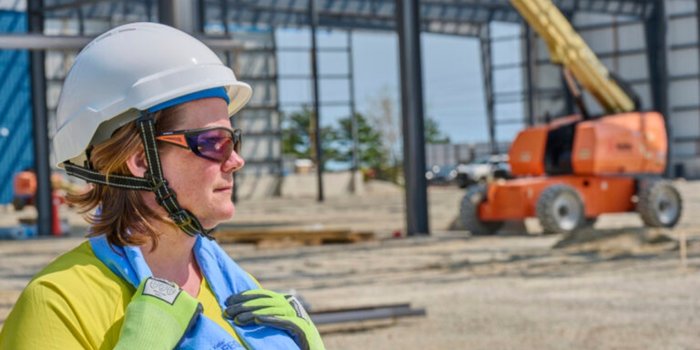
You should use head protection tools to keep your head safe from injuries. The harm can be caused by anything like falling objects, bumps, pressure or electricity. In this way, you can avoid serious accidents while working. Below are common types of head protection.
- Helmets or hard hats: They protect your head from falling objects or heavy tools.
- Bump caps are useful to secure your head from minor bumps in low-risk areas.
- Face shields with helmets cover both your face and head from dust, sparks, chemicals or flying debris.
Hearing Protection
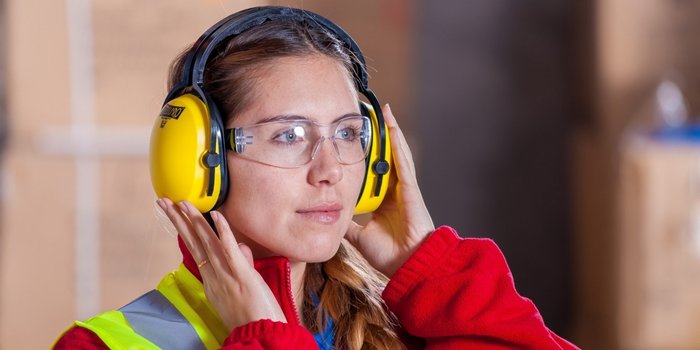
Hearing protection tools are ideal to keep your ears safe from loud noises at work. You should use them in noisy places such as factories, construction sites, airports and near heavy machines.
- Earplugs are small plugs which you can put in your ears to reduce loud sounds.
- Earmuffs cover your ears completely to block noise.
- Electronic hearing protectors reduce harmful noise but also allow you to hear safe sounds.
- Noise-canceling headphones can block background noise in certain workplaces.
Hand Protection
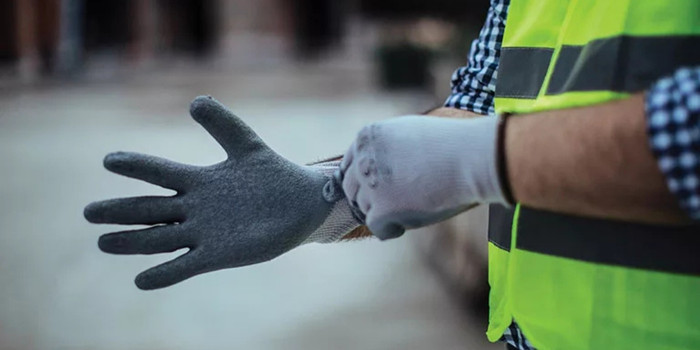
Your hands are one of the most used parts of your body while working. They are exposed to many dangers at work. Without protection, you can get cuts, burns, chemical burns, infections or bruises. That’s why you should use the following safety items.
- Chemical gloves keep your hands safe from dangerous liquids and chemicals.
- Cut-proof gloves guard your hands against sharp tools and materials.
- Heat-proof gloves shield your hands from hot surfaces or objects.
- Disposable gloves commonly used in hospitals and labs. It stops germs and dirt from touching your hands.
Foot Protection
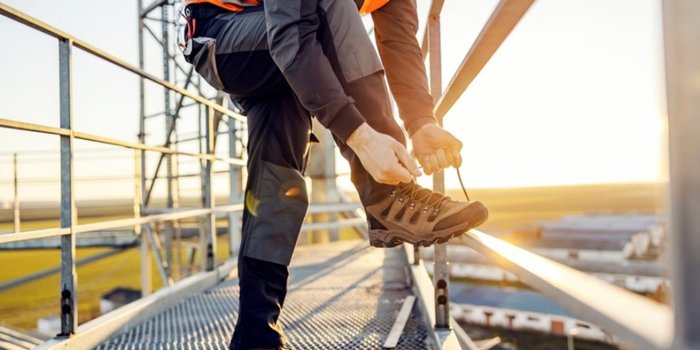
Foot protection equipment keeps your feet safe and comfortable. As a result, you can move and work without worrying about accidents. It also prevents you from serious injuries which can disturb your working progress. Hence, you must consider below listed foot safety items.
- Safety shoes shield your feet from falling objects or sharp items.
- Steel-toe boots have a strong toe to prevent you from serious injuries.
- Slip-resistant shoes stop you from slipping on wet or oily floors.
- Chemical-resistant boots protect your feet from harmful liquids and chemicals.
Fall Protection
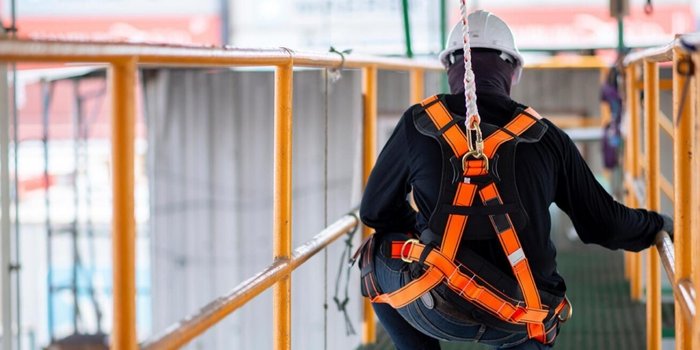
Height safety tools are ideal for you to stay safe from falls when you work at heights. You must need it while working on roofs, ladders, tall buildings, bridges or construction sites. Common fall protection items include:
-
- A full-body harness supports your whole body and holds you safely in case you slip.
- Anchor points are strong spots where you can attach your harness or rope for maximum safety.
- Safety ropes are helpful for you to move freely while staying connected and secure.
- Guardrails and safety nets block or catch you if you slip or lose balance.
- Safety barriers such as expandable barriers & construction barriers prevent you from entering dangerous or open-edge areas.
- Trench covers provide you a strong and safe surface to walk or drive over.
High Visible Clothes & Tools
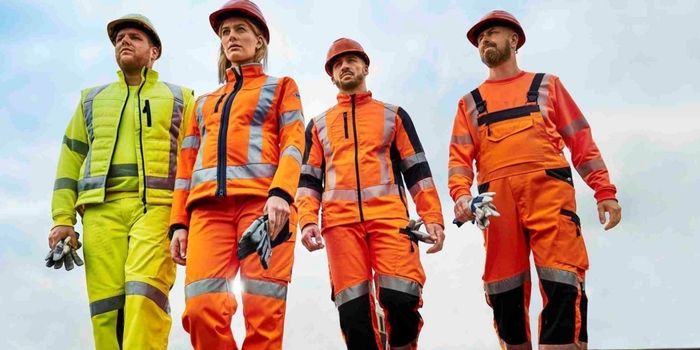
You should wear high-visible clothes to stay safe and noticeable in low light or busy areas. Clothes made with reflective sheets make you visible to others such as drivers or machine operators. So, they can see you easily. You can use below listed PPE for visibility.
- Reflective vests shine brightly when light hits them.
- High-visibility jackets keep you warm and visible in low light.
- Reflective pants and helmets make your whole body easy to spot from far away.
- Safety flags make you or your vehicle more visible to others.
- Bicycle flags are long and bright flags attached to bicycles. With these flags, other riders and drivers can see you easily.
- You can use a retroreflectometer to measure the reflectivity of road signs, markings and safety surfaces.
Chemical Protection
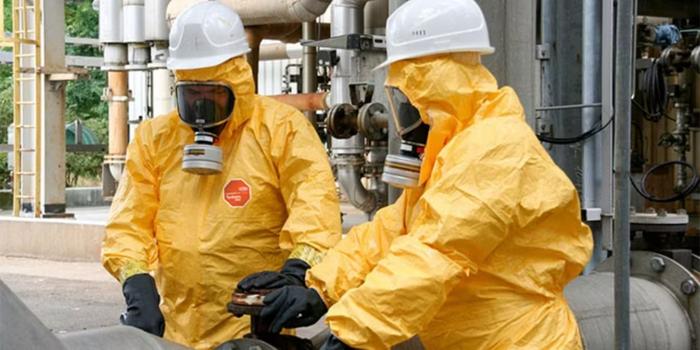
Chemical protection keeps you safe from harmful liquids, gases and fumes while working. You wear this gear when handling cleaning agents, paints, acids or other dangerous chemicals.
Common chemical protection items include:
-
- Sealed containers and spill kits are used to store chemicals safely and clean spills quickly.
- Proper ventilation is useful for you for fresh air and reduces exposure to toxic gases.
- Chemical fume hoods are a special ventilated cabinet. It removes harmful fumes and gases while you work with chemicals.
- An eye wash station is used to quickly wash chemicals or debris from your eyes.
- Safety Showers can be used to rinse off dangerous materials immediately if chemicals touch your skin or clothes.
Firefighter Personal Protective Equipment List
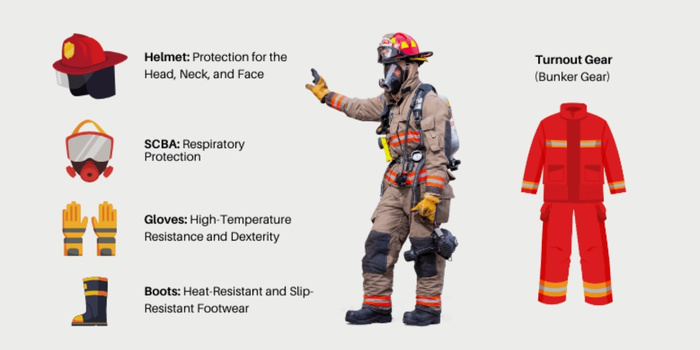
If you are working as a firefighter, you need special personal protective equipment (PPE) to stay safe. This equipment protects your body, head, eyes, hands, feet and lungs from fire and harmful chemicals. You can use the following PPE to reduce the risk of burns and injuries during firefighting operations.
- Fire helmet and front holders
- Turnout gear
- Face Mask
- Fire proof coat & pants
- Firefighting boots
- Face shield
- Safety goggles
- Fire-resistant hood
- Respiratory mask / SCBA
- Fire extinguisher gloves
Personal Protective Equipment in Workplace
Why is PPE important in the workplace? Construction sites for buildings and roads can be very dangerous for you if you are not careful. Because, you will face many hazards such as falling objects, heavy machinery, dust, noise and uneven surfaces. That’s why you should use personal protective equipment to work without any risk.
- Warning signs
- Road work signs (stop slow sign)
- Road cats eye for visibility
- Construction barriers
- Hard hats
- Plastic chains
Personal Protective Equipment Aviation
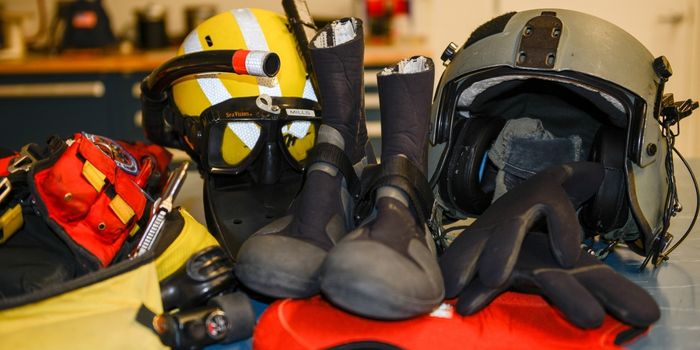
In aviation, workers face many risks such as loud noise, chemicals, heavy equipment and moving aircraft. There is also a danger of falls or burns while working on aircraft parts or runways.
Personal protective equipment keeps you safe while working at airports, hangars or maintenance areas. Each type of safety item protects you from different hazards, so you can work safely and comfortably.
List of PPE in aviation:
- Ear defenders/earplugs
- Safety goggles/face shield
- High-visibility vest
- Warning lights (beacon light)
- Barricade lights
- Safety boots
- Helmet / Bump cap
- Respiratory mask
- Aviation obstruction lights
- Flame-resistant clothing
- Safety harness (for aircraft maintenance work)
- Safety cones (placed around danger zone)
Personal Protective Equipment in Hospital
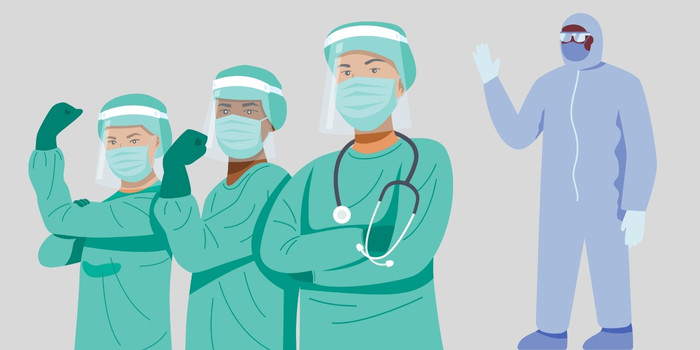
PPE is very important in hospitals because it protects you and patients from infections and harmful germs. They also assist doctors, nurses and staff stay safe when handling blood, body fluids or medicines. Without PPE, diseases can spread quickly between patients and workers. So, you should use the following safety tools.
- Surgical mask & respirator
- Face shield
- Gloves (disposable or sterile)
- Gown
- Head cover or cap
- Shoe covers
- Medical coveralls
- Crowd control barriers and screens
- Disinfectant sprays and sanitizers

PPE Regulations in Schools
PPE in schools used to keep students, teachers plus staff safe from germs, chemicals or accidents. These rules make sure everyone uses the right safety gear when needed. You must need these safety items in science labs, cleaning areas or during health emergencies.
- Lab coats
- Protective eyewear
- Respirator masks
- Footwear (non-slip shoes)
- Disposable vinyl gloves
- Safety barriers and screens
- Hand sanitizers
- First aid kits

Workshop Safety Equipments
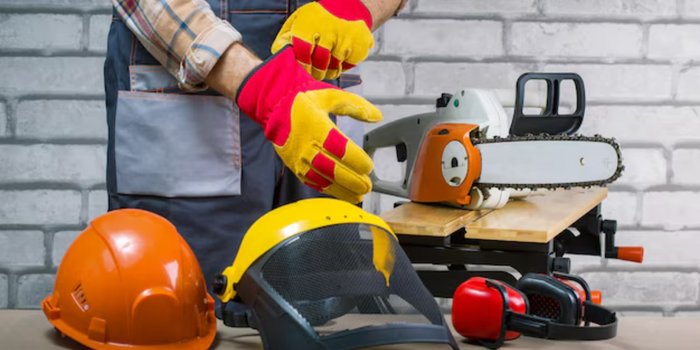
Workshop work can be dangerous because you use machines, tools, oils and chemicals every day. Hence, you may face cuts, burns, sparks, loud noise, falling objects and dust. In such cases, improper handling of equipment or not wearing the right safety gear can cause serious injuries to your hands, eyes, head or body. You should use safety items to avoid danger.
- Fire extinguishers
- Scaffolding equipment
- Floor signs to show danger
- Guardrails / safety nets
- Dust masks
- Steel-toe shoes
- Work gloves
- Face shield
- Pop-up safety cones
Personal Protective Equipment List For Electrical Workers
It can be very dangerous for you to work with electricity. For example: you may get electrical shocks, burns or more serious injuries. Further, sudden sparks or arc flashes can injure your eyes or cause explosions. That’s why the use of proper PPE is very important for an electrician to stay safe.
- Insulated gloves
- Rubber safety boots
- Warning mesh for underground wires
- Safety Helmets / Hard Hats
- Cable guards
- Safety glasses/goggles
- Flame-Resistant Clothing
- Arc flash suits
- Wire safety ramps
- Face Shields
- Protective cable tiles
- Hearing protection (Earplugs/Earmuffs)
- Voltage detectors
- Insulated tools
- Fire hose protectors
5 Advantages of Wearing PPE at Work/Importance of PPE
PPE acts like a shield for your body and keeps you safe from unexpected accidents. When you wear or use safety tools, it makes your daily tasks easier and safer in the following ways.
- Improves workplace safety
- Reduce medical & insurance costs
- Promote regulatory compliance
- Boosts your company reputation
- Positive work environment
OSHA Standards For Personal Protective Equipment
- Section 1910.132(a): Employers should provide and maintain PPE to protect workers from workplace hazards and injury.
- Section 1910.132(b) & 1910.132(c): The safety tools must be safe to use and sanitary. It is also important that equipment is properly built according to job requirements.
- Section 1910.132(d)(1): You must check your workplace for any possible dangers which may require PPE.
- Section 1910.132(d)(1)(i): You need to choose the right PPE to protect yourself from the hazards you notice.
- Section 1910.132(d)(1)(ii): It’s also important to guide your workers about the PPE you select for their safety.
- Section 1910.132(d)(1)(iii): You must make sure the safety item fits each worker properly.
PPE Suppliers
Below are top 5 companies which offer you high quality personal protective equipment for all your needs.
- JACKWIN
- 3M Company
- Uvex Safety Group
- JSP Safety
- MSA Safety Inc.
Conclusion
We are a professional manufacturer and supplier of safety products for workplaces and construction sites. With 18 years of experience, our factory has provided protective items such as safety vests, warning signs, barricades & cable ramps to 20000 customers.
Our supply chain is active in 70 countries. So, if you are looking for durable PPE products, JACKWIN is your perfect partner. Contact us today!
FAQs
What Industries Require the Most Specialized PPE?
Industries which face high risks or hazardous conditions need the most specialized PPE. These include construction, mining, oil and gas, aviation, chemical plants, healthcare, firefighting and electrical work
Which item is Not Considered PPE?
The gear that can not protect you from hazards is not considered PPE. For example, everyday clothing, uniforms or weather items like raincoats or caps are not PPE unless they are made for safety purposes.
Helpful References:
Personal Protective Equipment – Overview | Occupational Safety and Health Administration
Death on the Job: The Toll of Neglect, 2025 | AFL-CIO
Personal protective equipment – Wikipedia
A Study on the Use of Personal Protective Equipment among Construction Workers in Türkiye


