

-80x69.png)
You can see stop signs and yield signs in many places when you are driving on the road. It’s important to note that both signs tell you to take different actions. You should understand the difference between stop signs and yield signs to drive safely and avoid legal issues.
So today, we will cover stop sign vs yield sign comparison and rules you must obey after you notice them on highways.
What is Stop Sign?
Stop sign meaning and purpose: UM sinal de parada is a red regulatory traffic sign. It tells you to stop your vehicle completely. Mostly, you will see this sign at road crossings and busy places. You have to stop and then check the road before you move forward. Traffic authorities place them for the safety of drivers and reduce the chances of crashes.
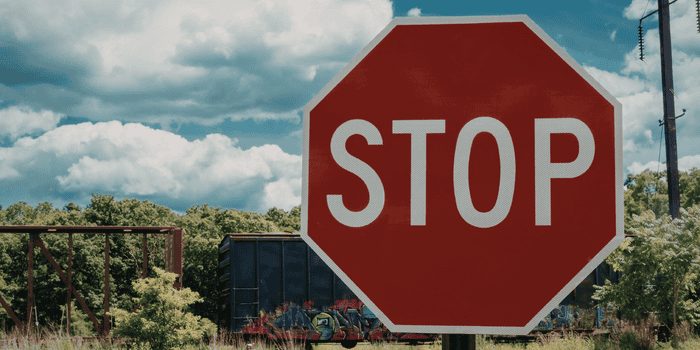
Sop Sign Locations
You will find stop signs in the following locations.
- Road intersections
- Near schools
- Hazardous zones
- Parking areas
- Ruas residenciais
- Busy road or railroad crossings
Regras dos sinais de parada
Stop signs regulate that you have to stop your vehicle at the stop line, not only slow it down. You should look left, right then left again before you move. You must give way to pedestrians, bicycles, motorcycles and other vehicles which you see already on the road. You should only move forward when the road is clear and safe.
What is Yield Sign?
UM sinal de cedência de passagem is a regulatory sign that instructs you to slow down your vehicle. It is also known as a sinal de passagem. Therefore, you should give way to others who have the right to go first. But remember, you do not always need to stop fully.
Does yield mean stop? No, yield does not mean you must stop. You need to reduce your car speed, assess the traffic and let other drivers pass first.
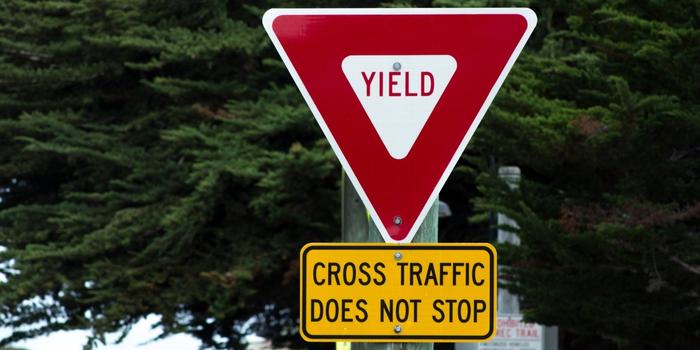
Where Are Yield Signs Usually Placed?
This is the list of places where you will notice yield signs.
- Rotatórias
- Busy intersection
- Highway entry roads
- Road merge points
- Pedestrian crossing
- Places where two roads meet
Regras de Direito de Passagem
When you see a yield sign at an intersection, you need to slow down and let vehicles or pedestrians go first if they are already moving. On merging points, the vehicle already on the main road has the right of way. Remember, pedestrians always have the right to move first. In roundabouts, the vehicles already inside the circle have the right of way.
Comparison of Stop Sign vs Yield Sign
Required Action
What to do at a stop sign? At a stop sign, you must stop your vehicle completely behind the limit line or crosswalk. You have to make sure all four wheels of your car stop moving. Before you move again, it’s important to wait until the road is clear.
What to do at a yield sign? When you see a yield sign, you need to slow down and be ready to stop if needed. You can continue driving without stopping if you notice the road is clear. However, you should stop your vehicle when it is required to prevent a collision.
Yield vs Stop Sign Right of Way
The right of way rule is strict at a stop sign. You need to stop completely and let other vehicles/pedestrians go first. You are only allowed to move when the road is fully clear.
When you see a yield sign, you should slow down and give the right of way to traffic already on the road at all costs. You do not need to stop fully unless traffic is coming.
Traffic Control Level
A stop sign provides a high level of traffic control because drivers have to stop. That’s why it is generally placed where the chances of accidents are high.
But yield signs offer lighter control. It is used to make the flow of traffic smooth. But still, this sign keeps you alert and safe.
Cor
Stop sign color: Stop sign has a red background with white letters. Basically, the red color is considered a sign of danger and highly visible. This strong color is a universal signal and tells you to stop right away.
Yield sign color: Yield signs are red and white with the word “YIELD” written in red. Different colors are also used in some other countries. For example: you will find yield signs red and white with an added yellow border in Canada.
Forma
Stop sign shape: Stop sign has an octagon shape with eight sides. Due to this design, you can notice it quickly from any direction. Further, you can even see this sign in bad weather or low light.
Yield sign shape: Right of way sign designed in triangle shape, which mostly points downward. This unique shape makes it visible to drivers on the road.
Visibilidade e refletividade
Stop sign visibility: Stop signs are highly visible for you to see at all times. They are placed 7 feet high so they stay above obstacles and you can spot them. These signs also use special material refletor which improves visibility at night in busy areas.
Visibility of yield sign: Due to the triangle shape, yield signs are less prominent than stop signs. They are also reflective but have less red color, which also affects their visibility.
Liability
Stop sign liability: When you violate a stop sign rule and cause an accident, you are mostly fully responsible. Because you did not stop your car and give the right of way to others.
Yield sign liability: Liability in a yield sign accident is more complicated. The driver who is merging is considered at fault. But when another driver was distracted, driving carelessly or speeding, they may also share the responsibility.
Fines and Legal Consequences
Stop sign fine: In case you don’t follow a stop sign, you will face higher fines and strict legal penalties. Because it is a serious traffic violation. So, you may also get points on your driving record.
Yield sign violation & fine: When you ignore a yield sign, the fines are generally lower than stop signs. However, you still face penalties if your action causes danger or an accident.
Difference Between Stop and Yield Lines
A stop line is a solid white marcação rodoviária that shows you where you should stop your car at intersections or roundabouts. These areas are controlled by a stop sign or traffic signal. It is also called a stop bar. You need to stop behind this line.
A yield line is a series of white triangles painted on the road. It tells you at which spot you have to slow down and give priority to other vehicles or pedestrians. You will see this marking at intersections or roundabouts controlled by a yield sign. It is also known as shark’s teeth or a give way line.
Nota Final
Our company JACKWIN has more than 18 years of experience in manufacturing traffic safety products. Our road signs meet ISO9001, ISO14001, CE, MUTCD and EU standards.
We export safety signs such as placas de pare devagar and yield signs in more than 70 countries. Further, our R&D team can customize products based on your needs. Entre em contato conosco agora Para obter um orçamento rápido.
Perguntas frequentes
What Advantage Does a Yield Sign Have Over a Stop Sign At a Roundabout?
A yield sign works better than a stop sign at a roundabout because it keeps traffic movement smooth. You do not need to stop when the road is clear. You only slow down and check for a safe gap. This also reduces waiting time.
Why Are Stop Signs At the Right Side of the Road?
MUTCD requires installation of stop signs on the right side of the road so you can see them easily. This is also helpful for you to notice the sign in time to stop before the intersection. They are commonly placed a few feet from the road edge to keep them visible.
Does a Stop Sign Violation Raise Insurance?
Yes, the violation of a stop sign can increase your insurance cost. Insurance companies see this as risky driving. Hence, your premium increases 10% to 30% and stays higher for several years.
How Do Engineers Decide Where To Place a Stop Sign or a Yield Sign?
The placement decision between stop and yield sign is finalized on the basis of traffic safety rules. Engineers check traffic volume, accident history, visibility and vehicle speed at the intersection.


