

-80x69.png)
In busy cities and towns, road safety and roadway damage are common problems. Because vehicles, pedestrians, water flow and other traffic can create risks if you don’t properly protect pavement edges.
Therefore, road kerbs are built to solve these problems and define clear boundaries. In this article, you will learn the meaning of road kerbs, their types, kerb ramps and how they keep roads safe and organized for you.
What is Road Kerb?
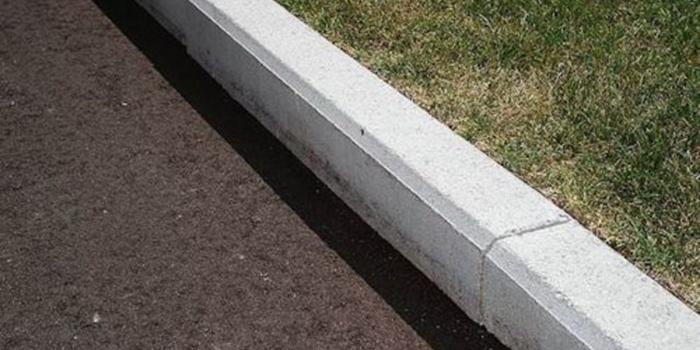
A raised edge installed along the sides of a road is called a road kerb. You will find it on the side of medians, driveways, pavements, roadsides, parking areas & garden borders. You can use kerb to create a clear boundary between pedestrians and vehicles.
This way, kerbs keep different types of traffic separate and organized. It also acts as a barrier that stops your vehicle from entering onto sidewalks or other nearby areas.
What is a kerbstone? A kerbstone is a solid block. Basically, this structure is used to build a road kerb. You mostly see it placed at the edge of roads and sidewalks. Generally, it is made from concrete or natural stone.
Road Kerb Material
Stone: Stone kerbs are strong and last a long time. You will see them in cities and areas with heavy traffic.
Concrete: This is a very common material used to make kerbs. They are easy to build and install. You can also shape them to fit different road designs.
Plastic: Plastic kerbs are lightweight and easy to move. You should use them for temporary roads or parking areas.
Road Curb or Kerb?
Curb and kerb mean the same thing. Both refer to the stone or concrete edge used to separate the road from the sidewalk. However, the difference is only in spelling based on location. For example: curb is mostly used in American and Canadian English. But kerb is popular in British English, Australia, New Zealand and other Commonwealth countries.
Types of Road Kerbs
Below are common road kerb types.
Half Battered Kerb
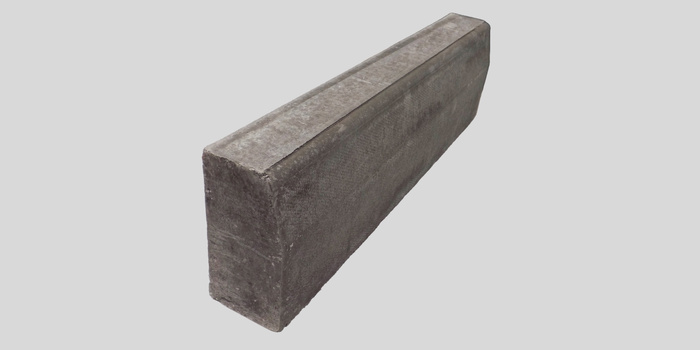
It has a sloped face on the road side and a vertical face on the footpath side. You can place these kerbs where clear vehicle direction and control is required such as busy streets and highways. Its sloped section guides your vehicle smoothly and the vertical part protects the sidewalk.
Bullnose Kerb
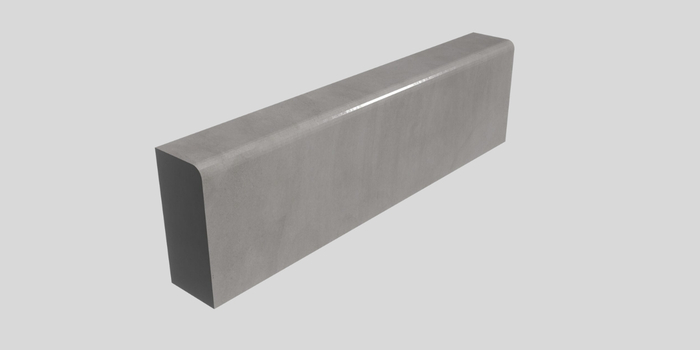
Bullnose road kerb designed with round edges instead of sharp corners. Hence, it provides a smooth and attractive finish. This shape is also useful to keep your car tires damage free when you pass your vehicle over these kerbs. These kerbs are perfect for areas designed for pedestrians and landscaping locations.
Square Kerb
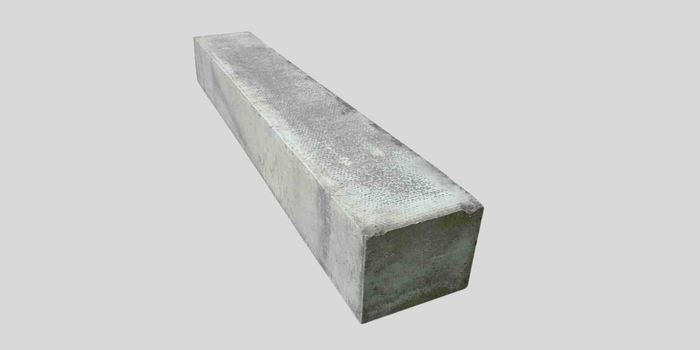
These are rectangular shaped kerbs that have straight and sharp edges. Square kerbs provide strong protection between the road and walking areas. They also assist wheelchair users to move easily between tarmac and paved surfaces. You can place square kerbs to create clear and neat boundaries on pavements.
Splayed Kerb
A splayed kerb has a slanted or angled top surface. Mostly, you will find these kerbs at road junctions and crossings. Due to its slanted design you can turn your vehicle safely and reduce tire damage too. This way, a splayed kerb gives better movement control and keeps road edges protected.
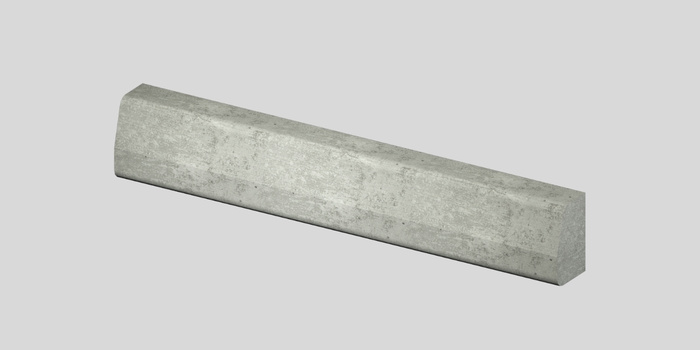
Mountable Type Kerb
Mountable kerbs are also called low kerbs because they have a low-profile design. Their shape makes it easy for you to cross over them when you want to enter shoulder areas or driveways. Low kerbs are commonly 70 to 80 mm high, which make them safe for vehicles to drive over without damage. You will notice these types of kerbs in residential areas.
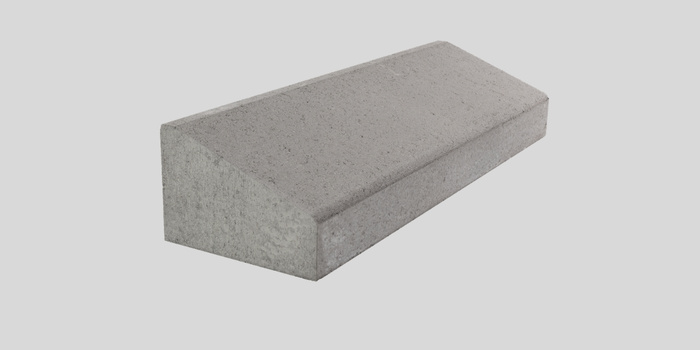
Semi Barrier Type Kerb
The semi-barrier kerb is designed with a sloped front and a slightly high vertical back. It is installed to separate busy pedestrian areas and roads. Although, this kerb discourages illegal parking but still allows you to cross it carefully in emergencies. That’s why, semi barrier kerb is a perfect option where you need both traffic safety and road control.
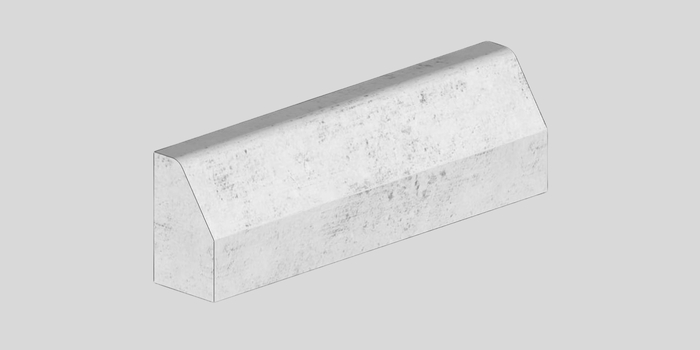
Barrier Kerb
There are two types of barrier kerbs used on roads. These include high-speed and low-speed kerbs. High-speed barrier kerbs provide a visible boundary for fast-moving vehicles. You will find them on busy roads & bridges.
Further, low-speed barrier kerbs are designed to block the access of slow-speed traffic or parked vehicles at footpaths. But, these kerbs are higher than mountable kerbs so they create a strong boundary.
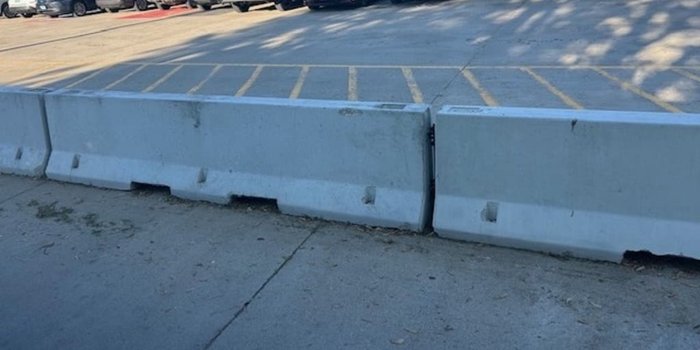
Channel Kerb
Channel kerbs are a mix of a vertical edge and a small built-in channel for rainwater. They are available in different shapes and sizes. Therefore, you can use them for various road types and designs. The basic purpose of these kerbs is to make water flow smooth into drains and also keep the road surface safe for you.
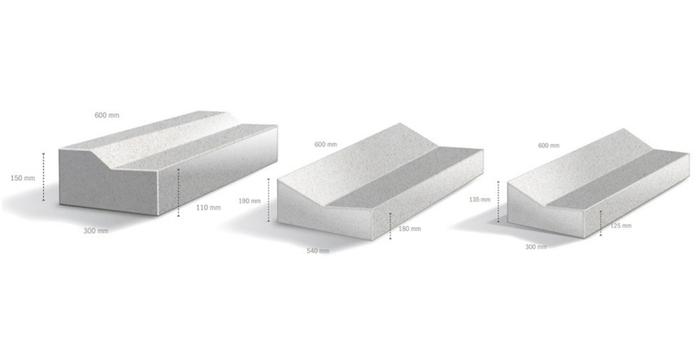
Concrete Dish Channel
It is a curved kerb which is manufactured to collect and direct stormwater along roads and pavements. Its dish-shaped profile allows smooth water flow into drainage systems. This type of channel is commonly used in urban areas and commercial projects to manage surface water. They have different styles such as hillside dish channels, V channel, and deep dish.
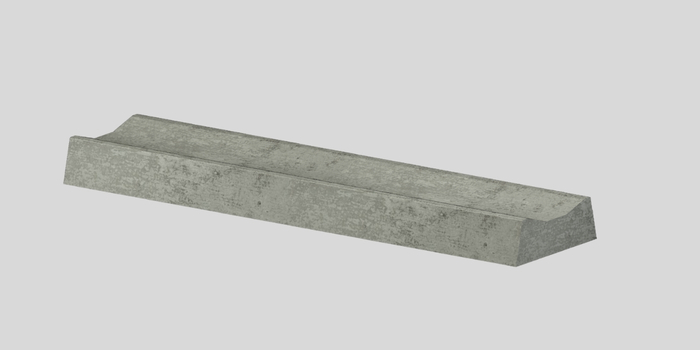
Nib Kerb
A nib kerb has a small raised section or nib at the road edge. You ideally use it to guide vehicles and protect sidewalks or landscaped areas. Its nib is low enough for vehicles to cross over it when required but high enough to act as a boundary. You can see nib kerbs in parking areas and low speed streets.
Submerged Kerbs
Submerged kerbs are actually built below the road surface. They give side support to pavements on rural roads. You can see these kerbs between road shoulders and edges. They are also used for streets with heavy rainfall or parking lots. Remember, submerged kerbs are not very visible to you but have an important role to control water and protect the road edges.
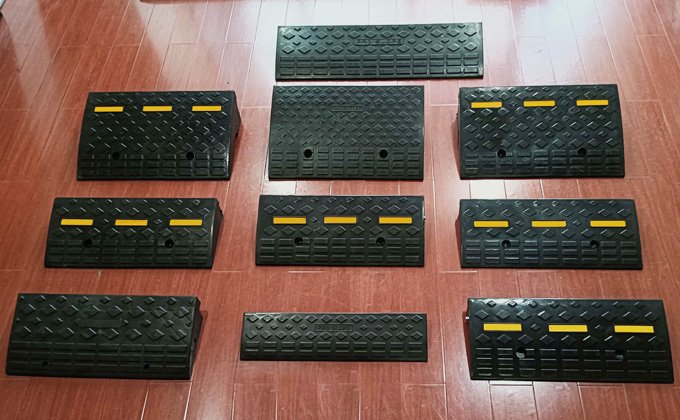
Kerb Ramps/Curb Ramps
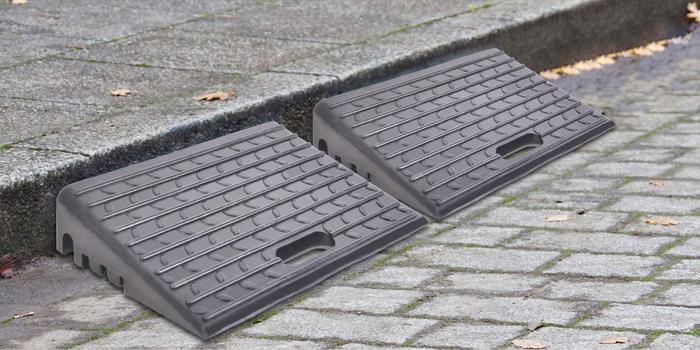
Kerb ramps are sloped sections which are installed to allow vehicles to move easily between the sidewalk and the street. These devices can be fixed or portable. Curb ramps are made from plastic, rubber or metal. You can install them to connect low surface (road) to high surface (pavement or driveway). Many areas require kerb ramps to meet accessibility standards.
ADA Curb Ramps/Curb Ramps For Wheelchairs: These ramps are designed to support wheelchair users and people with mobility needs. Kerb ramps are manufactured according to ADA guidelines and have a gentle slope.
Curb Ramps For Driveway: You can use kerb ramps to move your car smoothly between road and private driveways. They reduce impact on tires and vehicle suspension.
Curb Ramps For Lowered Cars: Curb ramps are ideal for cars with low ground clearance. You can install them to prevent scraping and damage to the bumper or underside of the vehicle.
Curb Ramps For Trucks: These ramps are built for heavy vehicles such as trucks and delivery vans. They are strong and durable so they can handle high weight loads. You will see kerb ramps in warehouses and commercial areas.
Are Kerb Ramps Legal?
Kerb ramps are generally legal and required to improve accessibility in public areas. However, the placement of temporary or portable ramps on pavements to access private driveways is mostly not allowed.
For this, you have to take permission from the local authorities. In short, approved permanent dropped kerbs are legal, but DIY or unapproved ramps are considered obstacles and safety hazards.
Road Kerb Dimensions
These ramps are installed 100 mm to 150 mm above the road surface. However, road kerb height of 100 mm is common for proper drainage and safety. High barrier kerbs can be 200 mm to 300 mm tall to block vehicles entry to crossing. In residential areas, you mostly find low profile kerbs that are around 70 mm to 100 mm in height.
Installation Process of Road Kerbs
Excavation: The first step is preparation and excavation of the area where you need to install kerb ramps. You have to clear the site and ready space for the base materials. Plus, you should measure the required kerb dimensions to fit well on the surface.
Prepare Sub Base: To support kerb and prevent uneven movement, you should create a strong and well compacted base. You need to choose the base materials according to soil conditions and traffic load. Granular material or concrete are popular options.
Install Kerbs: Now you need to place kerbs carefully along the marked line. You have to place the kerbstone one by one and also check the level and alignment. This step makes sure the kerbs stay straight and safe for road users.
Backfilling Process: This is the final step of kerb installation. You need to fill the space around the kerbs with soil or concrete mix. Then, you can compact the material to make the kerbs strong and stable. This way, you can protect the kerbs and keep them in place for long-term use.
Kerb Parking Rules
Parking on or next to a dropped kerb is not allowed. Because these areas are made for pedestrians, wheelchair users plus vehicle access. In many places like the UK, you can face a penalty charge if you do not follow this kerb parking rule. Hence, you should park your vehicle parallel to the curb. You should not block the pavement unless road signs allow it.
Road Kerb Functions
-
- Drainage management: Kerbs can easily manage rainwater on roads. They guide water into drains and stop water collection on road surfaces. This keeps roads dry and safe for you to drive your car.
- Safety: Kerbs improve road safety because they separate vehicles from pedestrians. With kerbs, you can create a clear boundary between road traffic and walking areas. This reduces accident risks and promotes the safety of sidewalks and crossings.
- Erosion control: They also stop soil and road-edge erosion. Kerbs hold the road base and manage water or traffic pressure to stop damage to road sides. This keeps roads strong and long-lasting for you.
- Boundary & aesthetics: Curbs clearly define road edges, sidewalks, crossings and landscaping areas. They also make your streets look neat and well-organized. This gives roads a clean and professional look for you.
Road Kerb Painting
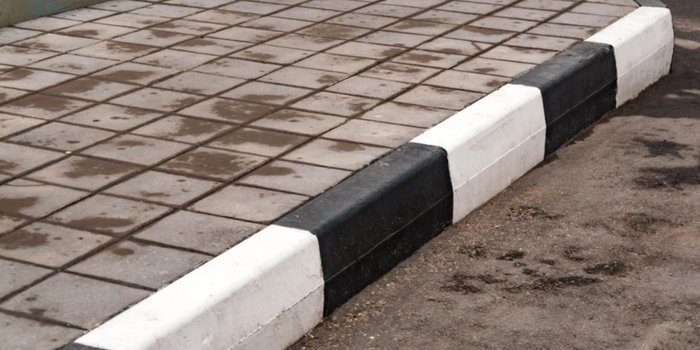
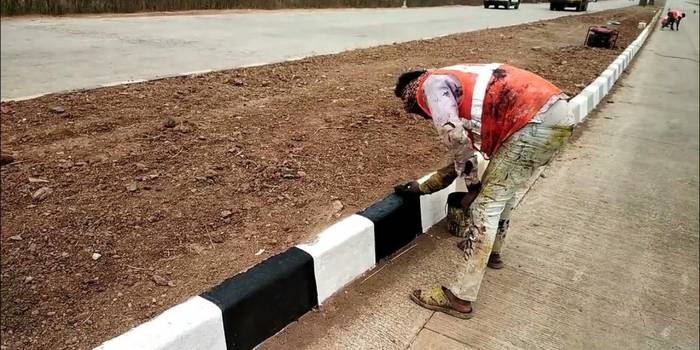
Road kerbs are marked to improve road visibility and safety. You mostly find painted kerbs in busy traffic areas and parking zones. Moreover, workers paint kerbs to warn you about parking rules and road boundaries.
Bright colors such as yellow kerb, black or white are commonly used. You can easily know when you can move or stop your vehicle. This way, kerbs also make roads look neat and organized.
FAQs
How Do I Maintain Road Kerbs?
You need to check for cracks and chips (especially at corners and driveways). You can clean kerbs with a moderate power wash to remove dirt and debris. Also repair small damage with concrete & adjust kerb pieces.
Can I Drive Over a Kerb?
You are not allowed to drive your vehicle over a standard high kerb in many areas unless a proper dropped kerb is installed. Because, when you drive over pavements, it can damage underground utilities. Plus, it harms your car’s suspension and wheels.
Is Hitting the Kerb a Serious Fault?
If you hit the kerb, it is not always an automatic test failure. It can be a serious fault when you hit the kerb hard or create danger for pedestrians. So, light touching the kerb only is a minor fault.
Is a Driveway Legal Without a Dropped Kerb?
No, it is not legal in the UK to drive over a pavement when you need access to a private driveway without a dropped kerb. According to the Highways Act 1980, it is illegal action. This can lead to fines plus action from local authorities.
Conclusion
Hence, road kerbs are an ideal solution for road users’ safety and drainage control. To build them, you should always use high quality kerb materials and install them carefully. Because, they are fixed blocks on the medians which can lead to accidents if not constructed in the right ways.
For safety improvement, you should consider JACKWIN’s kerb ramp solutions. You can visit our warehouse or directly talk to our team. We offer various types of certified kerb ramp such as ADA, sidewalk, forklift, and driveway ramps.


