

-80x69.png)
In 2025, global plastic production quantity remained 398 million metric tons. It is due to high utilization in automotive and packaging industries. These sectors use 75% of global plastic in the form of thermoplastics & 25% as thermosetting plastic.
Today, you will learn all about thermosetting plastic and their properties. You will also see where you can use them in real-world products.
Definition of Thermosetting Plastics
Thermosetting plastic or thermoset is a type of plastic which you can’t melt again once it turns hard when heated. You can give it a shape only one time. After that, it stays solid and strong (even under high temperatures). The reason is, chemical changes in the plastic lock its shape forever.
Thermosetting Plastic Examples
Below are some popular items that use thermosetting plastics in their production.
- Sports Goods
- Musical instruments
- Art & craft Items
- Propeller parts
- Laboratory equipment
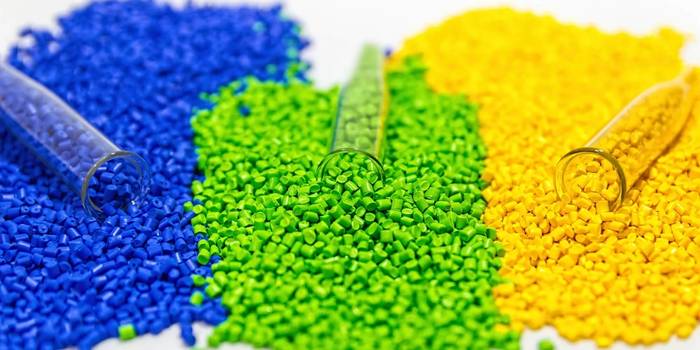
Thermosetting Plastic Properties, Types and Material
Before we discuss the classification of this plastic, you should know about the following thermosetting plastic materials. Because the types are named based on the material.
- Bakelite
- Melamine
- Urea-Formaldehyde
- Epoxy Resin
- Phenolic Resin
- Polyester Resin
- Polyurethane
- Silicone
| Thermosetting Plastic Types | Properties | Applications |
| Polyester Resin | Strong, chemical-resistant and thermal stability | Automotive panels & construction materials |
| Phenolic Resin | Hard, heat-resistant plus excellent electrical insulation | Electrical insulators and industrial parts |
| Epoxy Resin | Durable, handle heat and chemicals | Adhesives, coatings & composite materials |
| Urea-Formaldehyde | Rigid and good electrical insulation | Particleboard, plywood, molded products & laminates |
| Polyurethane | Flexible, durable and manage chemical damage | Foam, insulation, coatings, furniture |
| Melamine | Hard, scratch plus temperature resistant | Kitchenware and decorative surfaces |
| Bakelite | Hard, mechanical strength and electrical insulation | Electrical switches, kitchenware & industrial parts |
| Silicone | Flexible, heat-resistant, chemical-resistant | Sealants, adhesives and medical devices |
What is Thermosetting Plastic Used For: Thermosetting Plastic Uses
Thermosetting plastic can resist water and chemicals which make them long lasting. You will find it in many products that need strength and heat resistance.
Thermosetting Plastic Examples in Daily Life
Many things you use each day are made from thermosetting plastic. For example: it is used in electrical products, kitchen items, car parts and building materials. You will also find thermoset in coatings, adhesives, insulators and household goods. Also, they are ideal for products designed to handle pressure, heat, water or heavy use.
Construction Industry
Thermosetting plastics are very useful in building and construction work. You can use it in wall panels, pipes, paints and bonding items. These materials are helpful for you to keep buildings strong and safe for a long time. They can resist moisture, fire, chemicals and damage. These all qualities make them perfect for both indoor and outdoor use.
Automotive
Thermosets are widely used in the automotive industry. It is used in the manufacturing of car parts such as body panels, braking system, handles, engine and interior fittings. These plastics are perfect for you when you need to reduce vehicle weight while keeping parts strong.
They also protect your car surfaces from scratches and wear. Because of their strength and durability, they enable your automobiles to last longer and perform better.
Consumer Items
You can see thermosetting plastic in many things at home. They are used in hairdryers, appliance handles, buttons and decorative items. These plastics stay strong, heat-resistant, durable and shiny for a long time. This plastic makes products strong and look good, like countertops, handles, casings and laminates.
Medical & Healthcare
Thermosetting plastics are very important in the manufacturing of hospital equipment. You see them in surgical tools, lab equipment, protective gear as well as in machine casings.
Because, the thermoset surgical tools & medical devices stay strong, safe and clean even after you use them repeatedly. Further, they can handle heat and chemicals, which makes them perfect for medical work.
Transportation Industry
Thermosetting plastic is widely used in cars, buses, trains and airplanes production. You see them in dashboards, interior panels, handles and electrical parts. These plastics make your car parts strong, light, heat-resistant and durable.
They resist damage and harsh conditions. This keeps your vehicles and safety equipment in good condition for a long time. Our following road safety products are made by the use of thermosetting plastic.
- Plastic Barriers (Crowd Control Barriers and Expandable Barriers)
- Traffic Signal Lights
- Signboards
- Traffic cones
- Reflectors (Road Stud)
- Road Guardrails
- Delineator posts
Industrial Equipment
Thermosetting plastics are widely used in industrial equipment. You find them in machine parts, electrical panels, pumps, valves, switches and control devices. They can handle moisture and high temperatures without getting damaged. Hence, this makes the thermoset reliable for use in factories and production environments.
Electronics
Due to its excellent electrical protection properties, you can use thermosetting plastic to make electrical devices or items. Circuit boards, connectors, insulation layers and electricity boards generally use these plastics for safety and reliability.
Gadget casings (outer cover of a device) are also made from them to keep small parts safe. Their ability to resist heat and electricity makes electronic items safer and longer-lasting.
Aerospace Industry
In the aerospace industry, you can use thermosetting plastics in airplanes, satellites and spacecraft production. Furthermore, you will find them in interior panels and insulation parts of crafts. You can also trust them for lightweight parts that can handle flame and pressure. With thermosetting plastic, you will get strength and protection in tough conditions.
Is Polythene a Thermosetting Plastic?
Polythene is actually a thermoplastic, not a thermosetting plastic. That means, you can melt it and reshape it many times without changing its properties. Unlike thermosetting plastics, you will see no permanent chemical change when heated.
Is PVC a Thermosetting Plastic?
The answer is no. PVC (Polyvinyl Chloride) is a thermoplastic, so you can heat and reshape it many times. Also, you can use it for pipes, cables, flooring and many other products.
How is Thermosetting Plastic Made?
You can make thermosetting plastic through a process called curing. Basically, it needs heat to start a chemical reaction which makes the plastic irreversibly hard and permanent.
Thermosetting Plastic Material
Thermosetting plastic materials are special types of resins which harden permanently when you heated or mixed them with certain chemicals. You use them to make strong and heat-resistant products.
Thermosetting Plastic Manufacturing Process
Reaction Injection Molding (RIM): This is a process used to make large and complex thermosetting plastic parts. In this method, two liquid components (resin and hardener) are injected into a mold, where they react and harden.
Resin Transfer Molding (RTM): RTM is used to make fiber-reinforced thermosetting plastic parts. You need to place dry fibers (like glass or carbon) in a mold and inject resin which soaks into the fibers. In this way, you can create a lightweight and durable composite part.
Advantages of Thermosetting Plastic
- Strong and durable: This plastic can easily handle heavy use without breaking.
- Heat resistant: Thermoset not melt under high temperatures, which make it an ideal choice for items requiring heat resistance.
- Chemical resistant: They can resist the damage of acids, bases, fuels and other chemicals.
- Electrical insulation: These plastics can prevent electricity flow. You can use them as an insulator for electrical wires & devices.
- Lightweight: With a thermoset, you will get light weight products.
- Shape stability: They keep their shape permanently and do not deform.
- Versatile: Thermosetting plastic is suitable for industrial, household, automotive and electronic applications.
Disadvantages of Thermosetting Plastic
- Cannot be remelted/reshaped
- Easily crack under stress
- Usually more expensive
- Longer manufacturing process
- Hard to bend
- Difficult to repair once damaged
- Poor thermal conductivity
- Low tensile strength
Can Thermosetting Plastics Be Recycled
You cannot melt and remold thermosetting plastics once they are set. This makes traditional recycling very difficult for you. However, you can sometimes grind them into powder to use as filler in other products.
Moreover, you can convert them into energy through special processes. While you have limited recycling options, these plastics last a long time and reduce the need for frequent replacement.
FAQs
Why Are Electrical Switches Made From Thermosetting Plastic?
Electrical switches are made from thermosetting plastics because they do not conduct electricity and resist heat. You will get safe and durable switches which keep working under regular use.
Is Thermosetting Plastic Expensive?
Yes, thermosetting plastics are usually more expensive than thermoplastics. You have to pay extra. Because they are manufactured by special process and flyers. It also offers high strength and long-lasting durability for your products.
Is Lego a Thermosetting Plastic?
No, Lego bricks are not made from thermosetting plastics. They are made from thermoplastic Acrylonitrile Butadiene Styrene (ABS). You can melt and reshape it when needed.
Final Note
Hence, you have a clear idea about thermosetting plastic and its many uses. As you can see, this material is ideal for making strong and heat-resistant products for different industries.
You must choose the right type of thermosetting plastic according to your product needs. If you have more questions about thermosetting plastic, you can contact us anytime.
For More Help:
The Complete Guide to Plastic Blow Molding
Thermosetting Plastics Market size to reach $252.43 billion by 2037
Plastic Extrusion Vs Injection Molding


