

-80x69.png)
We all can notice, there are a lot of cars on the road and these numbers increase day by day. This leads to traffic jams and crowded interactions. It can cause dangerous vehicle crashes.
To manage this risk, engineers created traffic light control systems. As a driver or traffic management specialist, you must understand the basics and working of traffic lights control systems to follow signals. Let’s explore!
What is Traffic Light Control System?
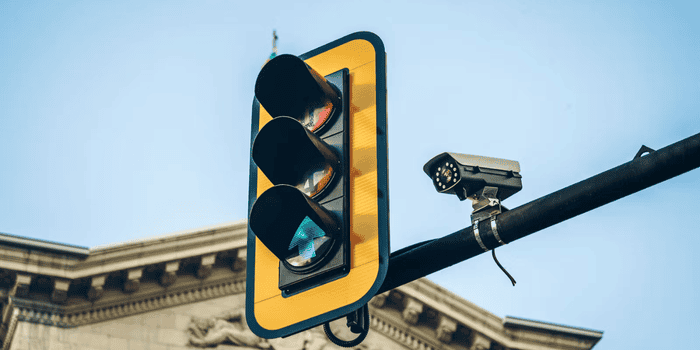
A traffic light control system is used to manage traffic at intersections. It uses red, yellow and green lights to tell you when to stop, wait or go. The system guides traffic to move safely and smoothly.
However, some systems change lights at fixed times. Smart systems use sensors to see how many cars are waiting.
How Does a Traffic Light System Work?
A traffic light control system uses a central controller to manage light operations. Basically, it works with timers or real-time traffic data from sensors. It collects data from sensors to see how many vehicles are waiting.
Then, the controller processes this information and decides when lights will change. The system can follow a fixed schedule or adapt to real traffic conditions.
Automatic Traffic Light Control System
| Main point | Automatic Traffic Light Control System |
| Purpose | Install to manage vehicle and pedestrian flow at intersections |
| Operation | Detects vehicles and pedestrians, processes data in the controller and adjusts light timings accordingly |
| Control Logic | Uses preset timing or sensor input to switch lights. It can be fixed-time or adaptive/dynamic |
| Communication | Transfers data and commands through wired (fiber-optic, copper) or wireless links |
| Benefits | Reduces congestion, improves traffic flow and safety with timely signal changes |
| Examples of Sensors | Inductive loop sensors, infrared detectors & video cameras |
| Controller Function | Brain of the system, processes sensor signals, decides light phases and coordinates multiple intersections |
Traffic Light Control System Components
Traffic light control system work has different parts which all work together smoothly. With the following components, traffic lights can detect vehicles and manage traffic flow.
-
Traffic Signal Heads
Traffic signal heads are the lights you see at intersections. It shows you red, yellow and green signals to guide you.. Signal heads are the most visible part of the traffic control system. In modern traffic lights systems, you will see LED lights which offer you maximum visibility and durability.
-
Vehicle Detectors
These detectors sense the presence of your car on the road. Plus, they operate with sensors or cameras to count vehicles and monitor traffic flow. This information makes it possible for the system to change lights at the right time. You can use following vehicle detectors to control traffic:
-
- Radar detectors use radio waves to find cars and measure their speed.
- Video detection systems use cameras to check traffic.
- Inductive Loop sensors detect vehicles by the change in electromagnetic fields under the road.
-
Controller Unit
The controller unit is basically the brain of a traffic light system. It receives information from vehicle detectors and changes light accordingly.
With a controller, you can keep traffic movement safe and reduce waiting time for you. You can set it to follow a fixed schedule or change signals based on traffic conditions.
-
Communication Links
Communication links connect all parts of the traffic light system. For example: these links exchange data between detectors and controllers. After that, controller data is further shared with signal heads. Two types of communication links are mostly used.
Wired communication: You can use wired links such as fiber-optic or copper cables for fast and reliable connections.
Wireless communications: In some places, you can use wireless links which use Wi-Fi or cellular networks. Modern systems can also connect intersections to a central platform, so you can monitor and control traffic remotely.
-
Pedestrian Detectors
With pedestrian detectors, a traffic system can know when people want to cross the road. You will find different types of detectors. For example: active detectors like push buttons you press.
Others are passive which use sensors such as infrared, microwave or cameras to detect you automatically. You can install these detectors in the control system to make intersections safer for pedestrians.
-
Video Cameras
In a traffic light control system, you must use video cameras or real time monitoring. These cameras provide real time visual data, so the control system can adjust signal timing. Video camera information is also used by police to catch red-light violations and allow quick action in case of accidents.
-
Central Management System
This management system works with the help of a software platform. Traffic authorities use it to monitor, control and manage multiple intersections. This system offers you:
- Data analysis: You can study past traffic data to find patterns and improve future traffic flow.
- Remote control: You can shift signal timings when traffic conditions change.
-
Power Supply & Back-Up System
The power supply provides electricity to all traffic lights and its components. A back-up system keeps the lights working during power failures. This process makes sure you can move safely when the main power is close.
Types of Traffic Light Controllers
Traffic light controllers manage how signals change at roads or junctions. There are different types of traffic light controllers and each works in a specific way. You can choose a controller based on traffic needs and road conditions.
Fixed-Time Control
Fixed-time controllers only change traffic lights according to a set schedule. That means, you can set each light to stay red, yellow or green for a fixed time. But, they cannot respond to real-time traffic. You should use this type when traffic flow is predictable or with urban grids.
Example: You can use a fixed-time controller at a small neighborhood intersection with few cars. Also, you can set it to change lights every 60 seconds.
Actuated Signal Control
Well, these types of traffic light controllers change the light pattern according to the actual traffic present on the road. When you approach it, the cameras and sensors detect your car and set the signal time. You can use the following controllers.
- Semi-actuated: Sensors detect vehicles only on the minor road. And, the main road stays green until cross-traffic appears.
- Fully-actuated: These sensors are installed on all roads. The signal timings change automatically based on real-time traffic.
Adaptive Traffic Light Control System
Adaptive traffic control systems (ATCS) are the most advanced and complex type of controller. They don’t just respond to vehicles but they also study traffic patterns. For example: these controllers predict congestion and change signal timings in real time with the help of smart algorithms.
Are Traffic Lights Controlled by Humans
Most traffic lights are not controlled by humans all the time. Many operate automatically and use timers or sensors. However, traffic engineers can control them when required such as during heavy traffic, emergencies, accidents or special events.
Traffic Signal Control System Advantages
- Traffic light control systems keep the traffic flow smooth and reduce the chances of dangerous accidents.
- It changes the lights according to the situation of the road. Hence, all road users and pedestrians have maximum safety on the road.
- They reduce harmful vehicle emissions and fuel consumption. Because, light control systems prevent long stops and waiting at intersections.
- You can save money on road maintenance and traffic management. The reason is, smoother traffic causes less damage on roads.
- You can provide better safety support for pedestrians and cyclists. Traffic light control systems give enough time to people, so they can cross roads.
People Also Ask
How Do Pedestrian Push Buttons Work?
When you press the pedestrian push button, it sends a signal to the controller. The system then changes the lights to give you a walk signal at the right time. Further, sensors and timers in the light control system make sure vehicles stop while you cross.
Do Traffic Lights Communicate With Each Other?
Yes, traffic lights communicate with each other. They use special protocols to share real-time information about traffic and volumes. The most commonly used method is National Transportation Communications for Intelligent Transportation Systems Protocol (NTCIP).
What is a Traffic Signal Controller Cabinet?
You can use a traffic signal controller cabinet to hold the controller and other important parts of the traffic light control system. It is waterproof and protects the electronic devices, wires, power supplies plus communications equipment.
Can Traffic Lights Adjust For School Zones?
Yes, traffic lights can be installed for school zones using the traffic light control system. The system can change light timing during school hours to keep children safe. That’s why you notice longer red lights while students are crossing the road.
Final Thoughts
I hope you have enough knowledge about traffic light control systems. This knowledge is useful for you to make smart decisions on the road when you see these lights.
If you are looking for quality traffic lights and road safety products, we are the right partner for you. Contact us now and get a quick quote.


