

-80x69.png)
In your construction or mining projects, you can use drilling to access precise depths and handle materials efficiently. But, the selection of the right type of drilling is important for accuracy and smooth operation in different conditions.
In today’s guide, you will learn about the main types of drilling and their uses. You will also know about safety precautions that you can follow at your drilling site.
Classification of Drilling Based on Applications
Core Drilling
This type of core drilling uses a tool “core drill” to make holes in the material. This core has a hollow cylindrical bit. When you start the drill the bit moves in circular motion and cuts a ring shaped hole into the material.
Uses: You can use core drilling for construction work (plumbing, cable ducts), resource mining, road analysis and to study soil composition.
Rotary Drilling
Rotary drilling uses a “rotatory drilling rig” for secure operation. This rig applies a downward force and rotates the drill bit. The drill moves continuously and a fluid is passed through it to clear rock and pieces.
Use: It works best where you need to reach water, oil and gas reserves.
Directional Drilling
This technique allows you to drill at different angles instead of going straight down. It helps you to reach underground targets that are hard to access. To achieve this, a pilot bore is used with a predetermined path.
Applications: This method is common in oil and gas projects where space is limited. Plus, you use it to install power lines under the roads, rivers and buildings. To protect these cables, you must use a cable plate.
Diamond Drilling
In diamond drilling, you use a drill bit that has tiny diamonds on its edge. It cuts through hard surfaces like your concrete, stone or rock with great accuracy and speed. This method gives you smooth holes without cracks or rough edges.
Uses: You should use it for construction, mining, boreholes and surveys where you need clean and precise results.
Auger Drilling
Auger drilling uses a spiral-shaped tool (auger) to remove soil from the ground. Basically, it works well for soft or medium ground where heavy rocks are not present. As you drill deeper the soil moves up through the spiral.
Use case: You can use this method for environmental studies, soil testing and shallow foundations.
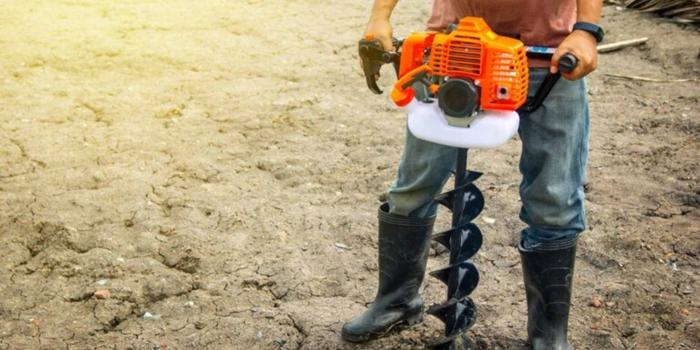
Blast Hole Drilling
Blast hole drilling involves drilling deep & straight holes into rock. Basically, these holes are made to hold explosive material. Which is used to break large rocks. This method is preferred when you need to blast a specific area with safe operation.
Uses: You use it for mining & large scale construction projects. For example: In a coal mine, you select blast hole drilling to make several holes in the rocks.
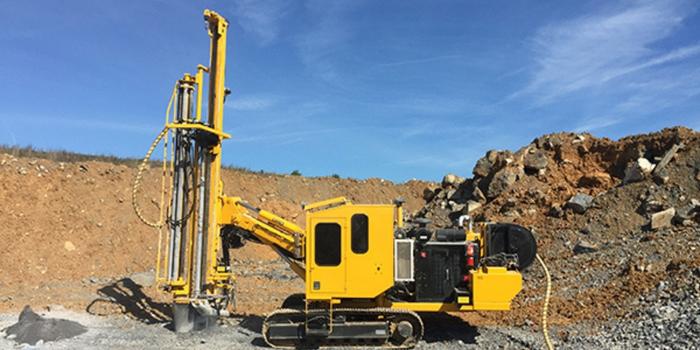
Exploration Drilling
Exploration drilling lets you study underground composition of soil and other materials. Basically, it provides core samples that show the type and quality of minerals, soil or rock layers. This method helps you understand the land before the start of any large project.
Uses: You may see this technique on mining sites to locate and assess the size of minerals and ores. Moreover, you choose it to explore oil & gas.
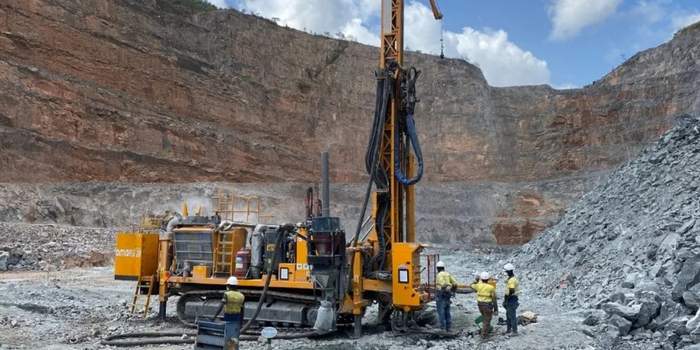
Geotechnical Drilling
This technique is mainly useful for the creation of your stable buildings. In simple words, you study the strength and composition of soil and rock of your site. You may see different types of bit (auger, rotating shaft, hammer) in this method.
Application: It provides you samples that show how stable the ground is to build major structures.
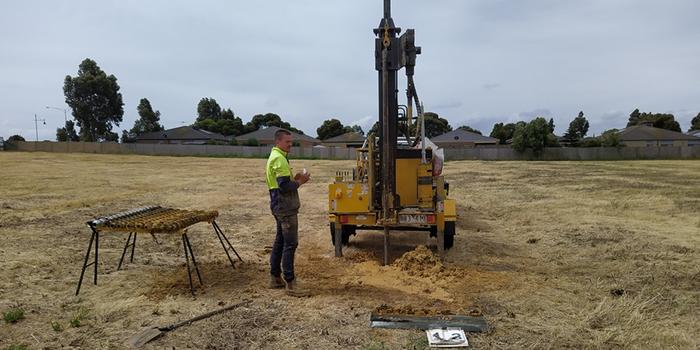
Anchor Drilling
Well, in this process you might see a specialized anchoring drill (drop-in-anchor). This drill is rotated into the ground. Then a grout is pumped through a hollow anchor to fill the bore.
Uses: It gives you strong support to keep your slopes, tunnels and walls stable. It also strengthens the hydropower plants, highways and railway stations.
Micropile Drilling
You can get confused between anchor and micropile drilling because they both provide support to structures. But micropile drilling requires a small diameter of only 8 feet to work on site.
Applications: You use it to repair buildings, establish new ones or support existing structures. Even in tight spaces or low clearance areas.
Surface Drilling / Subsurface Drilling
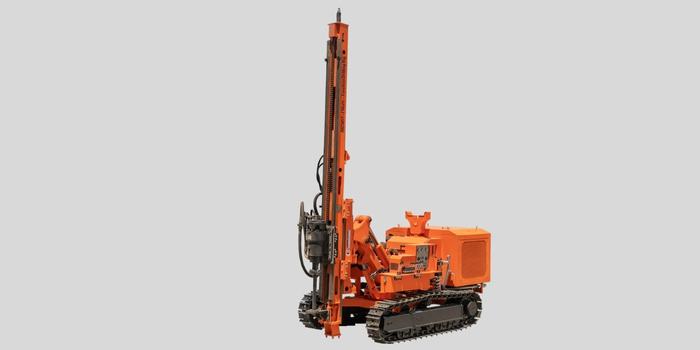
Surface drilling comes with many options, which means that you can change its tools & equipment according to your need. Basically, it lets you drill into rock or soil at the ground level. Usually, you might see a rotating drill or hammer to break the material.
Use: It is best for open-pit mining sites, major construction sites, or to extract large blocks of stone.
Drilling Types Based on Equipment Used
Cable Tool Drilling (Percussion Drilling)
Cable tool drilling uses a heavy bit that you lift and drop repeatedly to break through the ground. In this type of drilling, you need equipment like a drilling rig, cable hoist and a set of bits. The process is slow but can break hard rocks.
Application: You can use it to get groundwater for mineral exploration. Because it works well in different ground conditions.
Reverse Circulation (RC)
This process pushes air down in the drill pipe to bring rock pieces up side. You use specialized drills, bits and air compressors to create a sufficient amount of pressure. Basically, this method keeps your samples clean and uncontaminated.
Uses: It is a good option for you when you need fast mineral exploration, geotechnical studies and environmental check.
Horizontal Directional Drilling (HDD)
Drilling horizontally lets you drill sideways instead of straight down. Therefore, You start drilling from a kickoff point (start point) on the surface. After that, when you arrive at a depth just above your target. Then you guide the drill with the help of sensors to reach areas that are hard to access.
Uses: Normally, used to extract oil and gas or to install pipelines under the surfaces.
Down the Hole Drilling (Top Hammer Drilling)
Down the hole drilling puts the drill bit at the bottom of the hole. It uses a hammer action to break the rock. You can drive the drill from the top and put energy (hammers pressure) straight toward the bit.
Applications: Mostly, seen at construction sites to cut very hard rocks, to drill large diameter boreholes and to make blast pits.
Sonic Drilling
Sonic drilling uses high-frequency vibrations (50 to 150 Hz) to break soil and rock. The drill passes vibrations to loosen the ground. This method gives you clean samples and keeps the surrounding area undisturbed.
Uses: Its versatile uses contain environmental studies, geotechnical testing, construction, mineral sampling, removal of water, access of groundwater and seismic drilling.
Hydraulic Drilling
In this technique, you use highly pressurized water or a special fluid to power the drill. You can control the drill from the surface and the fluid carries debris up. Therefore, it helps you drill faster and keeps the hole clean too.
Uses: Hydraulic drilling works well for many jobs. You can use it for rock drilling, boring through hard ground and general excavation work.
Magnetic Drilling
As its name shows, this technique uses a portable magnetic drill press machine. This machine cuts holes into the metal. For this, a magnetic base is fixed on the metal surface. This is a faster and accurate option for you.
Use: Usually, used to drill holes in metal frames and machines or to maintain bridges, large equipment and pipelines.
Laser Drilling
For this method, a focused laser beam is used to drill small holes in materials. You just need to put the laser beam on a single point for a long time. The material will melt or vaporize from the surface without any contact between machine and surface.
Applications: This is helpful for you in automotive, aerospace, electronics, medical devices and glass manufacturing.
Plasma Arc Drilling
This is a modern technique, it replaced all the traditional methods to drill the surfaces. It creates an electric arc that turns gas into plasma. Then this plasma is used to melt the surface to make holes.
Usage: This method is mostly used for deep drilling, metal cutting in aerospace. Especially, where strong and accurate drilling is required.
Water Jet Drilling
You may find a strong stream of water to cut and drill materials in water jet drilling. Sometimes, some abrasives are mixed with water to boost its cutting power. The process works with high pressure of 60,000 to 90,000 PSI.
Applications: You often see it in geothermal projects, industrial work and even in small well-digging tasks.
Vacuum Drilling
You can call it vacuum excavation or hydro excavation drilling. Because it works with high pressure water or air to drill the surfaces. After the process of drilling this water and soil is then pumped back into a tank.
Uses: It is best for potholing, dustless drilling or to clean up contaminated soil and collect the soil samples.
Electro Discharge Drilling (EDD)
This is also a contact less method, it uses electrical sparks to drill holes in material. Actually, the sparks melt and remove material while a special fluid clears the waste.
Application: It is ideal for small & deep holes where normal drilling fails. Therefore, you can use it in aerospace, medical and in other fields to make micro holes.
Classification Based on Resource Extraction
| Drilling Type | Resource or Extracts | Type of Drill Machine |
| Water Well Drilling | Ground water | Borehole drilling machine |
| Mineral Exploration Drilling | Subsurface rocks, soil and fluids | Core drilling rig |
| Oil & Gas Drilling | Oil & natural Gas | Rotary drilling machine |
| Geothermal Drilling | Geothermal energy (steam and hot water) | Geothermal drilling machine |
| Coal Drilling | Coal beds and methane gas | Blast hole drilling rig |
Offshore vs Onshore Drilling
| Main points | Offshore | Onshore |
| Location | Fixed in oceans, seas or large lakes. | Installed on land |
| Equipment | Floating or fixed offshore platforms & machines | Land rigs and truck-mounted machines |
| Accessability | Hard to access & needs special transport system | Easy to reach and maintain |
| Production Capacity | Produces large quantities of oil and gas | Usually smaller production capacity |
| Cost | Very high setup and maintenance cost | Lower setup and operation cost |
Drilling Hazards and Control Measures
Drilling is a very useful technique but you may face some risks and dangers. Safety organizations like OSHA suggest safety measures to stop major workplace accidents.
- You may face blowouts due to high pressure. But you can control them with pressure safety tools.
- Fire or explosion can start from gas leaks. Therefore, you can install warning tools and handle fuel carefully.
- The drilling fluid can escape into the ground, which causes a loss of mud. So, you have to place boundary barricades to protect yourself and others.
- Your wellbore can collapse if the wall is weak. Although, a strong casing makes it firm.
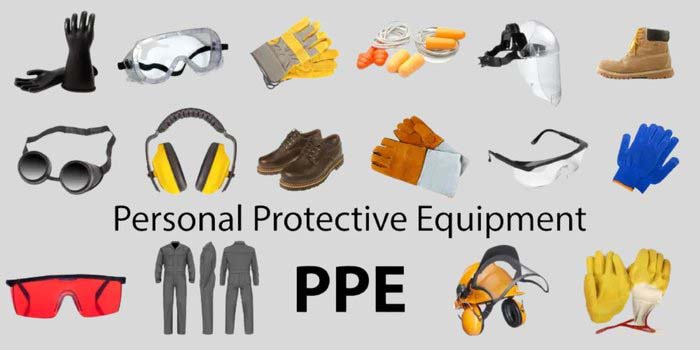
- Drilling causes loud noise and vibration. You have to carry your ear protection.
- Tools may fall from height, so you should wear a safety helmet and place caution sign boards.
- You may face toxic gas release. At that time, gas detectors and airflow keep your site safe.
Drilling Safety Precautions
You stay safe when you wear helmets, gloves, reflective jackets and boots. Your site must be clean and well-lighted. Check machines regularly and tighten all tools. Make sure to place fire extinguishers and first aid kits in a closer location. Plus, you should monitor pressure levels on time.
Concluding Remarks
Now you can see every drilling technique has its own benefits and challenges. Because, each of them is designed for different purposes such as small scale construction or large site mining. Therefore, you should take time to read above mentioned drilling types and select one for your next project.
FAQs
What is Drilling Cost Per Meter?
Well, this cost can vary according to your project location and need of equipment. But you can calculate it with the help of this formula:
Drilling Cost per Meter = Total Drilling Cost / Total Meters Drilled
Oil Well Drilling Cost Breakdown?
Oil well drilling cost includes pre-drilling preparation, labor, equipment, casing, cementing, and other indirect costs. Therefore, drilling itself makes up around 73% of the total.


