


Hazards are present everywhere but worksites have more dangers due to heavy machinery, chemicals, heights and complex tasks. To protect yourself from them, you need to have info about these dangers.
So, we wrote this topic for you. You will learn about all types of workplace hazards and their real life incidents. We also tell you how to identify these dangers and which authority is responsible for them.
What is a Workplace Hazard?
A workplace hazard is an object or situation that causes you injury, illness and harm. Hazards are present at all work environments. But they are most common in construction sites. So, you should be more careful in those places. If possible, find dangers and try to fix them.

Quick Summary of Hazards at Work Sites
Given below are the main types of workplace hazards which you need to know for your safety.
| Hazard Type | Meaning | Examples |
| Physical | Factors that cause physical injury or harm. |
|
| Chemical | Harmful substances that burn your skin. |
|
| Safety | Unsafe work conditions that cause physical injuries. |
|
| Psychosocial | Factors which negatively affect mental health and well being. |
|
| Biological | Exposure to harmful living organisms and biological materials. |
|
| Ergonomic | Physical strains from poor body positioning or repetitive tasks. |
|
| Fire | Materials or situations that can easily catch fire and burn. |
|
| Environmental | Surrounding environmental conditions that risk people. |
|
| Radiation | Energy waves which damage living tissue. |
|
| Electrical | Wiring or equipment that can cause shocks and burn. |
|
10 Common Hazards in Your Workplace
Physical Hazards
These are environmental factors and conditions that can harm you directly or indirectly. They can be loud noises, extreme temperatures, radiation and unsafe machinery. If you remain in touch with them constantly, they can cause serious health problems. In fact, working at height is also considered a physical hazard. So, you need to avoid them at your workplace and use safety equipment.
- Case study: In Santa Fe Springs, a 62 year old worker (Jose Melena) was trapped on October 11, 2012 in a 35 foot long industrial oven. Then a coworker started the oven by mistake without knowing he was inside. It caused his death.

Chemical Hazard
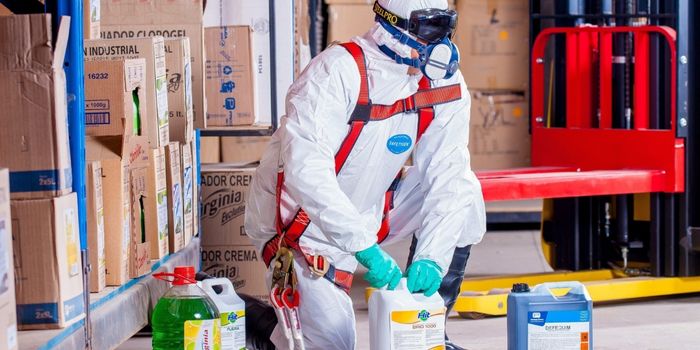
Chemical hazards are toxic substances that can damage and contaminate your worksite in case of leakage. They are also harmful for your health. If you touch these chemicals without any safety gloves, they can burn your skin. You can also get serious respiratory diseases such as asthma and lung cancer when you inhale them.
- Reported Incident: A deadly chemical accident happened at Ames Goldsmith Corporation’s Catalyst Refiners due to the release of toxic hydrogen sulfide gas. Two employees died and others were injured.
Safety Hazard
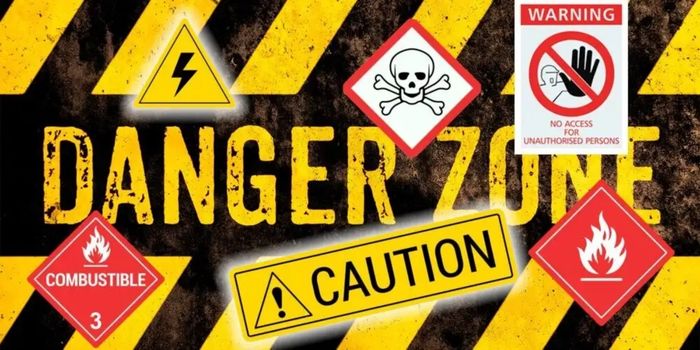
It refers to unsafe conditions that can occur in your workplace. For instance, you can slip and fall when walking on a wet floor. If you drive heavy vehicles carelessly, it can cause injuries or even death. You must be more careful when you handle material manually. Because they can harm you and other workers.
- Case Study: On June 28, 2024, a 20 year old employee died at Madden Bolt Corporation in Houston. He was lifting steel with an overhead crane when the steel came loose and fell on him.
Psychosocial Hazards
They are workplace conditions that can negatively affect your mental health. These dangers are not physical objects like chemicals or machines. In fact, they come from how to start work and manage other workers. If you are regularly exposed to them, they lead to stress, anxiety and emotional problems.
- Real World Example: A psychosocial hazard occurs at France Telecom (now Orange) between 2006 and 2009. Due to the company restriction and intense performance pressure, it causes severe stress in workers. This can result in employee suicides.

Biological Hazard
This danger is associated with living things such as bacteria, viruses or mold which make you sick and hurt your health at work. You will find them mostly in hospitals, laboratories, farms, food processing plants and waste management facilities. If you inhale or ingest, they cause infections, allergies and toxic reactions.
- Reported Incident: During 2001, several US media and government offices received letters containing anthrax spores. This biological attack caused various cases of anthrax infection which led to deaths. It highlights the workplace hazards for office workers to handle contaminated mail.

Ergonomic Hazards
They are physical situations at worksites that put stress on your body. If the work setup and tools do not fit your body then there is a chance of muscle issues. They can also result in back pain, wrist injuries, fatigue and joint problems. So, you should choose a comfortable space for your work.
- Case Study: In mid 2022, OSHA inspected several Amazon warehouses after receiving referrals from the US Attorney’s office. Investigators found that fast packed work and repetitive tasks exposed workers to ergonomic dangers. It increases risk of muscle & joint problems in employees.

Fire Hazards
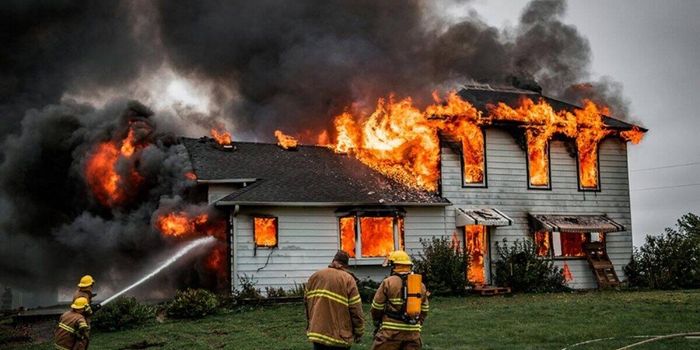
Fire danger is a compound that can catch fire quickly and damage your property. They occur due the presence of flammable liquids, gas leaks and poor chemical storage. As a result, millions of people can lose their lives. That way, you should follow preventive measures at your workplaces for the safety of you and others.
- Reported Incident: In New York, Triangle Shirtwaist Factory fire on March 25, 1911 is a real example for you. It happened from a match which ignited loose fabric and killed 146 plus people. It became the reason of improvement in workplace fire safety laws.
Environmental Hazard
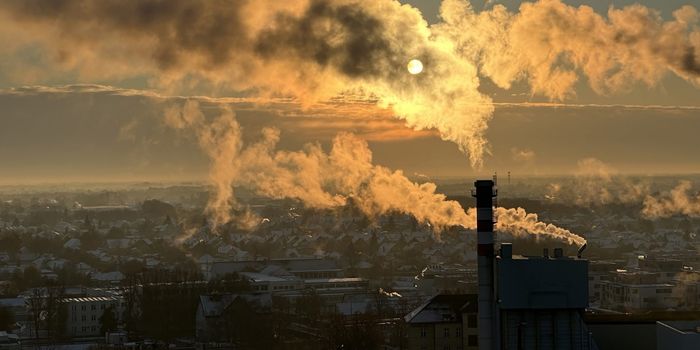
It is a factor that has the potential to hurt your body. If your worksite is polluted, it will harm your health. In case of working in an unsuitable weather like extreme temperature, it can cause heat stroke in laborers. You can also get respiratory problems by inhaling poor air quality.
- Real World Example: At 3 December 1984, a deadly gas leak occurred at the Union Carbide pesticide plant in Bhopal. This methyl isocyanate gas killed thousands of people and injured many others. Due to this, hundreds of people suffered long term health problems.
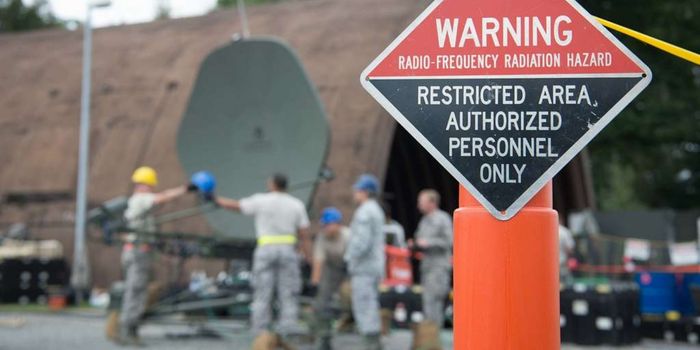
Radiation Hazards
If you remain in contact with harmful radiation without any protection , it can damage your body. Sometimes, they do not affect your skin directly but their side effects show later. So, you must avoid X ray machines, nuclear power plants and welding lasers. In case of doing work in these conditions, you can use safety shields.
- Case Study: In 1987, the Goiania accident in Brazil is a real incident in front of you. Two people entered the closed radiotherapy clinic and took cesium 137 without knowing it is highly radioactive. The material spread through the area and caused 4 deaths and widespread contamination.
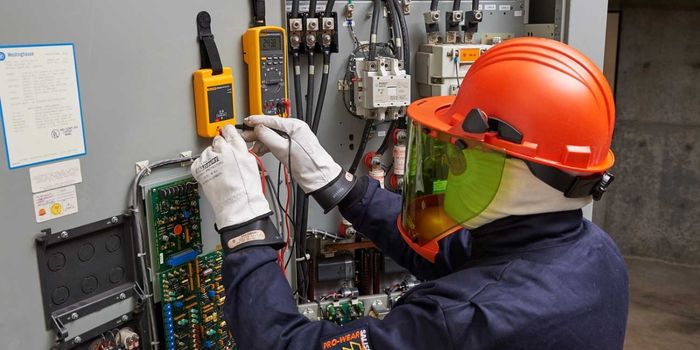
Electrical Hazard
It refers to electricity which causes severe shocks, burn, fire and death. If you use wet hands near power, it results in electric shock and you get injuries. At your worksites, you need to use safety gloves, shoes and glasses. These things will protect you from such a lifethreaten hazards.
- Reported Incident: In South Los Angeles, a 22 year old worker died from electrocution when a boom lift touched a live overhead power line. It tells you to keep the lifting equipment away from the power line and check electrical hazards before starting your work.
How To Identify Hazards in Your Workplace?
If you think that your worksite is free from all types of hazards, it can not be true. Because almost every workplace has minor or major hidden dangers. You must detect them and try to provide a safer environment to your workers. To identify workplace hazards, you can check the following conditions.
- First of all, you have to take a complete round of your worksite and find locations where dangers can be present.
- After seeing any danger, you have to analyze its reasons. Try to determine the causes of these hazards.
- You need to talk with your employees. Because they know clearly which is unsafe and will face problems first.
- To find the reason for regular issues, you can check the old records of injuries. Also point out the close call incidents.
- You can also examine the everyday jobs of workers. It helps you to detect the danger which can harm them.
Hazard Identification Examples
You can find wet floors which can cause the slipping of employees. Loud noises make it difficult to hear. Some other instances of hazards can be toxic fumes, heavy lifting, repetitive typing, infectious waste and work at height. Plus, frayed wiring can also lead to a severe electric shock. So, we advise you to control these factors.
Who is Responsible For Workplace Health and Safety?
The safety of the workplace is not the duty of only one person. It is a shared responsibility but primary legal responsibility belongs to the employer. Other staff like employees, managers and contractors, also play an active role in it. Everyone has clear duties that keep the work area safe.
For instance, if you are a business owner, you have to provide a safe environment to your workers. You need to fix hazards properly. While supervisors enforce safety rules and make sure everyone follows them. It is the responsibility of employees to join all training sessions and apply them in your work. To give reports about broken equipment is also their duty.
FAQs
What are some causes of workplace hazards?
Physical conditions, human errors, equipment failure and environmental factors are common reasons for workplace dangers. Additionally, lack of proper training and worker fatigue can also cause your worksite to be unsafe.
What is the first step in accident prevention?
First of all, you have to identify the potential hazard and risk. Then you can understand the exact conditions and human factors that lead to injury or incident. You can do this before you start to fix this situation.
Where should safety hazards be reported?
You can report it to your supervisor, line manager and workplace safety officers. If the hazard causes severe public or worksite risk, you can also inform your company’s HR department or government regulatory agencies.
Conclusion
After knowing workplace hazards, you may want to buy safety products for your facility. You should not be worried about it because we are here to help you. JACKWIN is a trusted supplier of workplace safety equipment. Our products include full body harness, hard hats, safety signs and safety vests.
You can also tell us your size, color and length you want. Our expert engineers will manufacture them according to your demand. You can contact us today for more information.
More Resources:
Workplace Safety Tips: Create a Secure Environment
Safety Management – A safe workplace is sound business | OSHA
Workplace Safety Signs and Meanings
Ultimate Guide to Electric Safety in Your Workplace


