

-80x69.png)
In busy places, you face long lines, confusion, safety risks and injuries due to overcrowding. People may enter into restricted areas or block pathways.
That’s why you will generally see vertical posts placed in lines at such areas, called stanchions. In today’s article, we will explain what are stanchions, their types, uses and which legal rules you need to follow.
Stanchion Meaning
Stanchions are physical safety posts which you can use to control people and traffic. These barriers stand upright on the floor with a wide base. You will see these columns in airports, banks, construction sites and public places.
You can install stanchions to guide lines and block unsafe areas. They hold belts, ropes or chains between posts. This way, you can keep spaces safe and organized.
Stanchion Types By Material
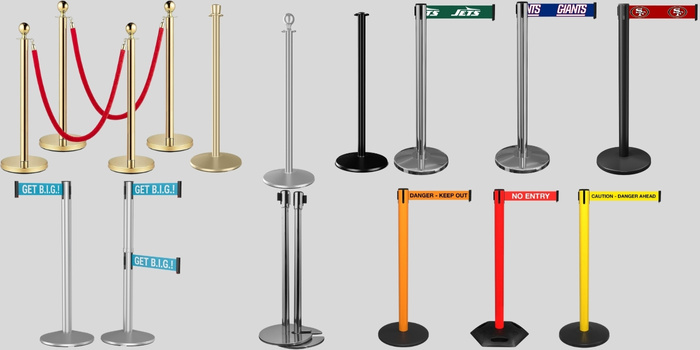
Stanchions are manufactured with the use of different materials. Every type of material provides unique strength, weight, weather resistance and durability.
Steel Stanchions
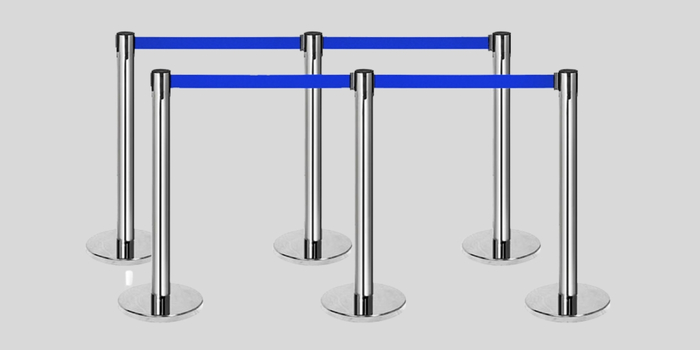
Steel stanchions are popular due to their strength and long lasting performance. You can install them in busy places with heavy crowds. These posts resist damage and stay stable on the floor. Further, you see them in airports and event halls.
Wood Stanchions
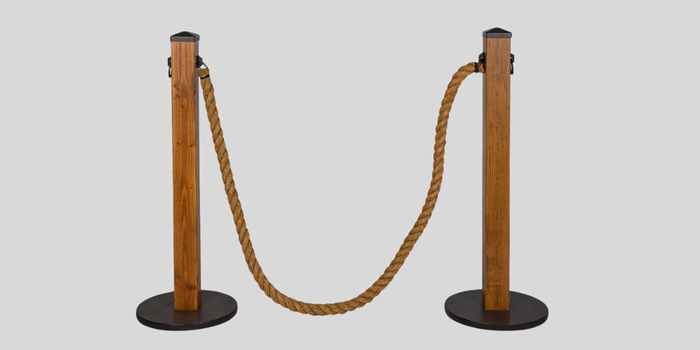
These stanchion posts are mainly used in temporary framing and construction areas. They are ideal for your short term tasks. Because, wood made stanchions are affordable and you can replace them easily. However, wood is not as strong as steel. Hence, you should avoid them for long term safety applications.
Concrete Stanchions
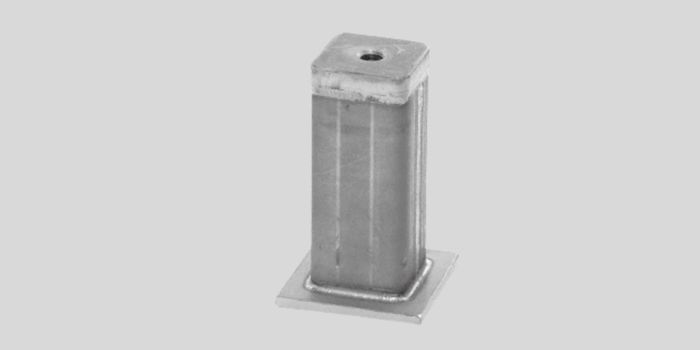
Concrete is also used to make these safety barriers. The reason is that it gives you excellent stability for stanchions posts. Moreover, you can fix them permanently into the floor. Also, they are able to handle the damage of fire. You should place them on bridges and outdoor public areas.
Types of Stanchions Based on Applications
Stanchions are also grouped by how and where you use them. The following are common types of stanchions posts.
Guardrail Stanchions
Guardrail stanchion protects you from vehicles or accidents. Mostly, you can see them along roads, edges, scaffolds, bridges and highways. They can hold metal or concrete rails in place and handle heavy impact. Guardrail stanchions keep roads safe for drivers & pedestrians.
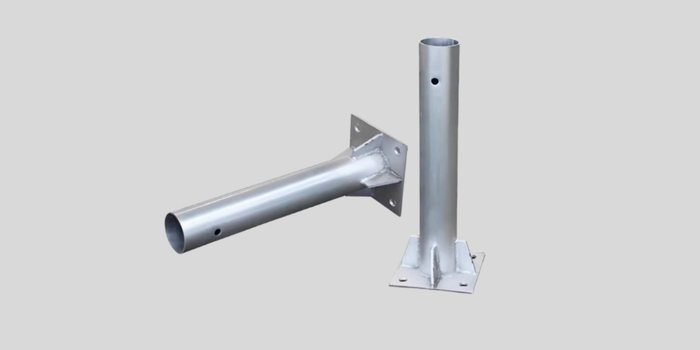
Wall Mounted Stanchion
You can attach wall mounted stanchions directly to walls for safety or fall protection systems. Plus, you should use them in narrow spaces or hallways. They can also hold lifelines, harnesses or safety cables securely. These stanchions are ideal for your safety when you work at heights.
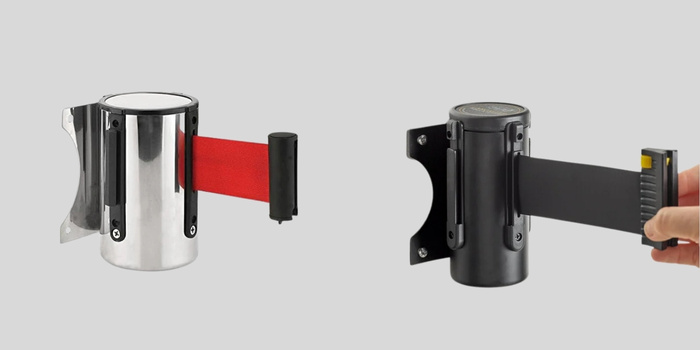
Structural Stanchions
Structural stanchions support buildings, platforms or heavy equipment. These posts are the best options for you to carry weight safely at indoors or outdoors locations. They are strong and stable. You may also see them in warehouses and commercial buildings.

Roof Stanchions
You can mount roof stanchions on your buildings rooftops and elevated surfaces to get maximum safety. Well, you can also attach them to hold lifelines, guardrails or safety cables. These safety structures prevent falls while you work at height. Roof stanchions are strong and secure. Hence, they keep you safe on roofs and other high areas.
Stanchions Classified By Structure
Post and Panel Stanchions
Basically, post and panel stanchions use vertical posts with panels between them. You can install them to block restricted areas or guide people. The panels can be metal, glass or plastic. With these stanchions, you can create clear boundaries but also keep spaces organized & safe.
Retractable Belt Stanchion
As its name indicates, belt stanchions have a belt that you can pull out easily and attach to another post. You can use them to guide lines or block areas quickly. Actually, the belt retracts when not in use. Hence, they are perfect to save space too. They are common in airports and events for easy crowd control.
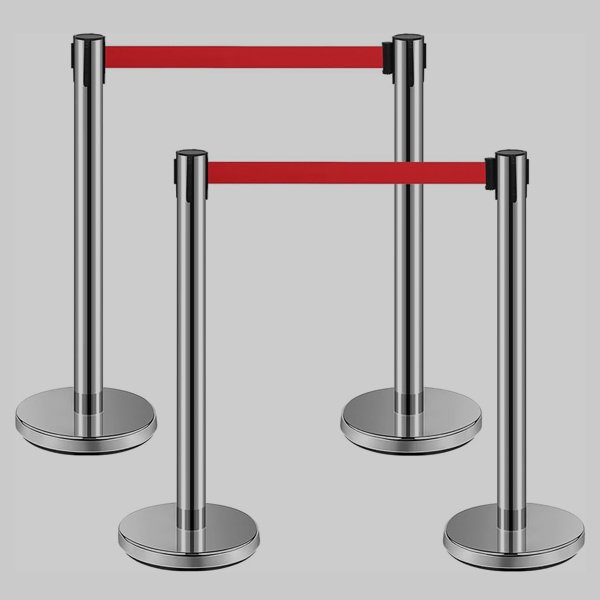
Portable Stanchions
It’s easy for you to move and set up this stanchion wherever you need it. You can use them indoors or outdoors for temporary crowd control. They generally have a weighted base to stay stable. Additionally, you can quickly rearrange them to guide people or block areas as needed.
Rope Stanchions
You will find ropes or cords between these stanchion posts. They are placed to guide people or mark areas. You will see them in theaters, museums or VIP events. Along with space safety, they give a stylish and organized look. You can easily move or adjust the ropes as you desired.

Chain Stanchion
It has chains between posts to create barriers or guide lines. You can use them indoors or outdoors for crowd control or safety. They are strong, durable, easy to connect and remove. Chain stanchions provide high security and keep areas organized.
Common Applications of Stanchion
Stanchions are useful in many places to keep you safe and organized. Below we listed top applications of stanchion posts.
Airports & Banks: In these places, stanchions are installed to guide people and control queues. You can maintain order at the airport and create VIP or priority lanes easily.
Museums and Hotels: You can use stanchions in museums & hotels to guide visitors and manage crowds. They assist you to create clear paths, separate exhibits or areas as well as keep people safe.
Theaters and Event Venues: You must use stanchions in these crowded locations to guide the audience and manage queues. They create clear entry and exit paths. You can handle ticket lines and special events.
Construction Sites: You can use stanchions on construction sites to block unsafe areas and guide workers. Also, they block unauthorized access.
Roads and Highways: To control traffic flow and protect workers, stanchion posts are installed at roads. They reduce accidents and keep construction or repair zones secure.
Bridges and Flyovers: You can use stanchions on elevated areas to guide traffic and protect vehicles. They protect you from accidents and create clear lanes/barriers.
Factories and Warehouses: You must install stanchions in your factories or warehouses to guide workers. With these posts, you can separate walking paths from machines or vehicles.
Parking Lots: Stanchion posts in parking lots are used to guide vehicles and pedestrians. These barriers create clear lanes and block restricted areas.
Schools or Universities: To keep educational institutes organized, stanchions are widely used. You can use them to guide students and control crowds.
Advantages of Stanchions
Stanchions offer several benefits and give you safety and control in many places. You will get the following advantages when you install stanchions.
- Keep people in order
- Protection from hazards
- Separate areas and guide movement
- Quick and simple to setup
- Can be relocated as needed
- Lasts long under use
- Works indoors and outdoors
- Shows paths and directions clearly
Installation & Maintenance of Stanchions
For the accurate placement of stanchions, you need to follow the below steps.
Step 1: First, you should decide where you need stanchions. Also, you have to keep in mind crowd flow, safety or space organization.
Step 2: Now, you need to mark the exact spots for each post, so they are evenly spaced and aligned. For that purpose, you can use marking tape.
- Distance Between Two Stanchions: Approximately 5 to 8 feet
- Maximum Distance Between Handrail Stanchions: 6 feet (72 inches and center to center)
Step 3: Then, you can set the stanchion bases and make sure they are stable on the floor.
Step 4: This is time to carefully fix the stanchion posts onto their bases, so they stay upright. Remember, if they are not fixed properly, the posts can shake or fall over.
Step 5: You can join belts, ropes, chains or panels between posts to form a barrier. Plus, you should check that stanchions stand stable and safe for use.
Standard Requirements For Stanchions
Some big organizations like OSHA & ANSI are functional and set strict safety rules for stanchion to control crowds and for maximum safety. You have to follow them for your commercial, industrial and public settings.
OSHA 1926.502(b) Requirements
The Occupational Safety and Health Administration set various safety rules for stanchines. These include strength, height and stanchion spacing requirements. OSHA 1926.502(b) rule says that you have to install stanchions only in the range of 8 feet apart. You should never place them above this range.
ANSI and Local Code References
There are also some regulations provided by the American National Standards Institute for safety stanchions. It regulates standards about design specifications of stanchions and how you need to place them. However, it’s also important for you to check your local building codes as well for your project’s success.
Standard Stanchion Height
Stanchions must be 34 to 38 inches (86-97 cm) above the floor. This range is perfect for the installation of industrial stanchions. Well, 36 inches is the most common choice. If we talk about standard height, it is 40 inches (around 102 cm) from the floor to the top.
Stanchion Weight
Each stanchion should weigh at least 16 lbs (approx. 7.3 kg) to stay stable. You can install heavier stanchions in crowded areas or for outdoor use. In contrast, lighter stanchions are easy for you to move but may need extra support.
Cost of Stanchion Post
The price of a stanchion post depends on its material, type, brand and quality. If we talk about the average cost of stanchions, it is generally between 3 to 10 USD dollars each.
If you want to buy steel and concrete stanchions, they are mostly more expensive than wooden ones. Moreover, retractable belts, ropes or chains can also affect the overall amount you pay.
FAQs
What is an Alternative To Stanchions?
You can use traffic cones, barricades, bollards, ropes or temporary fencing as alternatives to stanchions. These options are also best to guide people, block areas, control crowds and when you don’t have stanchions.
Can Stanchions Be Used Outdoors?
Yes, you can install stanchions for outdoor applications. But, you should choose heavy duty or weather resistant materials such as steel, concrete or UV-protected plastic. Otherwise, these posts may get damaged and can’t meet safety needs.
Are Stanchions Permanent or Temporary?
Stanchions can be both permanent and temporary. For example: concrete or steel stanchions are commonly fixed for long term use. But, you can place plastic, wooden or retractable stanchions to move and set up temporarily. In short, you can choose based on your requirements.
Do Stanchions Damage Floors?
No, safety stanchions are designed in a way that they don’t harm the surface. Because they have a flat or weighted base. Plus, most crowd control stanchions have a rubber floor protector around the base.
Wrapping It Up
So, you can see, stanchions are barriers used to keep spaces safe and organized. Our recommendation is that you should also plan your crowd control or safety setup before you start a project. It will save your time & prevent accidents.
If you are looking for a reliable supplier of stanchions or other safety products, JACKWIN is your best partner. Contact us today to get a quick quote and a bulk order discount.


