


Loud noise can be a big problem for workers, students, drivers and people at home. It can cause stress, hearing damage and sleep problems. Therefore, you need acoustic protection to control and reduce these harmful impacts.
We wrote this article to tell you what is acoustic protection and its importance. We also shared different ways and materials you can use to make your spaces quiet and safe.
Acoustic Protection Definition
Acoustic protection is a safety approach used to control noise and improve sound in a space with multiple methods, tools, techniques and materials. This way, you can create a comfortable and more productive space at home or work.
Furthermore, you can reduce unwanted noise and manage the movement of sound around you. Remember, acoustic protection controls noise levels and minimizes background sounds instead of complete silence at work.
What is acoustics? Acoustics is the science of sound. It studies sound movement and its behavior in different spaces. You can use acoustics to design rooms or devices, so sounds are clear & controlled.
What is acoustic comfort? Acoustic comfort means a space feels calm and pleasant for you. For example: sounds are not too loud or distracting. As a result, you will feel relaxed and can focus easily.

Acoustic Protection Examples
There are various methods you can use to block outside noise. For instance: you can use mineral wool insulation or acoustic sealants for inside sound protection. Outdoor examples include noise barriers along highways to keep traffic sound away from buildings.
When Do You Need Acoustic Protection?
You can improve your workspace acoustics if you observe any of these issues or signs.
- You should provide acoustic safety in case you are not able to understand a coworker who stands three feet away from you.
- You feel temporary hearing loss after you leave the workplace.
- Workers hear ringing or humming (tinnitus) for minutes and in some cases hours.
- If you need to talk loudly or your shout is heard by your team members nearby.
- You notice speech sounds muffled or dull when you leave a noisy area.
- The locations where acoustic protection is needed include railways, offices, schools, healthcare facilities, industrial areas & theaters.
20 Best Acoustic Treatments To Minimize Noise Effects
These are common acoustic protection methods and sound-absorbing materials you can choose for your project.
-
Bass Traps
Bass traps are acoustic devices made to absorb low-frequency sounds (below 200 Hz). With these tools, you can reduce unwanted resonance and boomy tones. You should place bass traps in corners to prevent the buildup of bass in a room.

-
Acoustic Fabric Panels
These are sound-absorbing boards that are covered with sound-transparent fabric. They are perfect choice to reduce echo and absorb reflected sound. You should install acoustic fabric panels on walls or ceilings. In these boards, you will see small holes that trap sound waves.
Commonly, acoustic fabric boards are made of materials like wool or foam. You can use these panels for almost any interior, including bedrooms, hospitality spaces, offices or theaters.

-
Acoustic Foam Panels
Acoustic foam panels are lightweight and spongy materials used to absorb sound. They are designed with polyurethane or melamine foam. You can place them in recording studios, home theaters, offices as well as in schools. Although they can reduce uneven sound waves to make audio clear but cannot block outside noise.

-
Acoustic Ceiling Cloud
You can hand acoustic ceiling clouds the ceiling or other structures. Generally, they are made of fabric-covered panels, foam, perforated metal, polyester or similar materials. You should use acoustic ceiling clouds if you want to improve speech clarity and make the environment more comfortable. It also boosts sound absorption with an air gap between the cloud & ceiling.

-
Diffuser Panels
Diffuser panels scatter sound waves rather than absorb them. Hence, you can use them to reduce echoes and improve sound quality in home audio rooms. This way, you can make sound clear and balanced without making the space too quiet. These devices can scatter sound in many directions. This creates a natural and lively environment.

-
Fiber Glass Insulation
Fiber glass insulation is a very common and affordable material. You use fiber glass to control sound and heat levels well. With this insulation in your walls, you can reduce echo and block sound travel to other rooms. It works well for your homes, offices, studios and commercial buildings.

-
Helmholtz Resonators
A helmholtz resonator is an acoustic device with a rigid cavity and a small neck. It is designed to absorb or boost low-frequency sounds. Hence, you should use them in music studios and auditoriums. This noise protection tool is ideal to create a clear and balanced sound environment.
-
Acoustic Fences
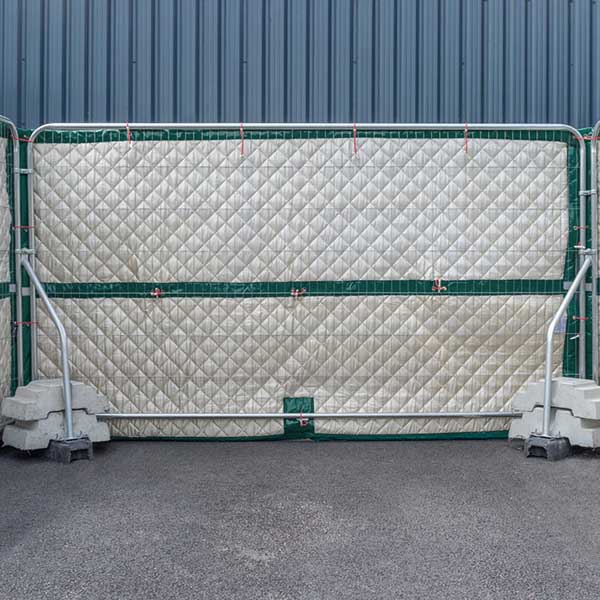
These are outdoor barriers that are manufactured to block or reduce vibration from roads, highways, construction sites or industrial areas. However, you can also use them to protect homes and workplaces from loud traffic or machinery.
Unlike regular fences, these structures are made of dense materials and contain interlocking panels to block sound. Hence, they have the ability to reflect audio tones. As a result, they provide a quieter and comfortable environment outside.

-
Acoustic Barrier
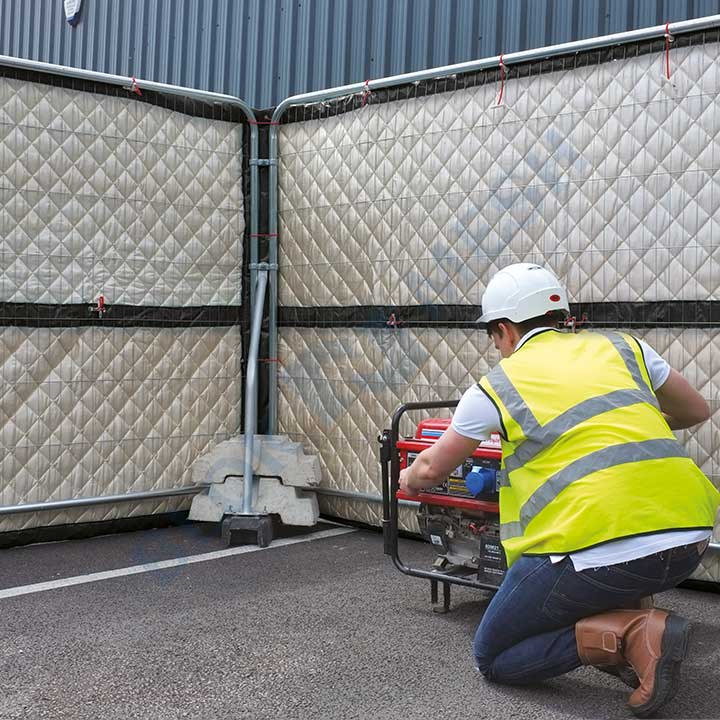
An acoustic barrier is also known as a noise barrier. Engineers use made soundproof, waterproof & fire resistant materials to manufacture them. There are various varieties of acoustic barriers such as wall, panel, screen, mat, temporary or modular noise barriers. You can use these barriers to absorb, reduce, reflect and scatter sound.
Mainly, you should install vibration reduction barriers in industrial sectors, engine workstations, construction sites, airports, commercial zones and power plants.
-
Acoustic Foam
Acoustic foam is a soft material which is designed for acoustic treatment like to absorb audio waves and reduce echoes in a room. You should place it on walls, ceilings or corners to control and improve sound clarity. Mostly, you will find them in studios and home theaters to make spaces quieter and comfortable.
-
Acoustic Wall Panels
Acoustic wall panel is a sound absorbing tool which you can fix to walls. It reduces reverberation and background noise. They are made from soft and porous materials such as foam, felt, fabric or wood. They are your good choice if you want to add sound quality plus privacy in your space.
-
Acoustic Baffles
You will commonly observe acoustic baffles in offices, gyms, halls, airports and factories. They hang vertically on the ceiling to trap unwanted noise levels in large or open spaces. Further, these acoustic materials can absorb sound from both sides around 90-100%.
-
Acoustic Screens
Acoustic screens are practical and movable panels. You can also use them to decrease voices, improve privacy as well as limit distractions in open spaces. They diffuse sound before it reflects off the hard surface. These screens are mostly made from sound absorbing materials like foam or fiberglass. Their common applications include in offices, restaurants, public areas and shared workspaces.
-
Acoustic Barrier Wall
An acoustic barrier wall is a solid structure which you can install indoors or outdoors. It is ideal to block noise from traffic, railways or machines. These walls are designed with strong and dense materials such as concrete or steel. In addition, you can use them to protect homes and workspaces from noise.
-
Acoustic Flooring
Acoustic protection is not only limited to devices and panels. You can also use sound absorbing flooring to handle unwanted vibrations. It softens impact sounds such as footsteps and furniture movement. Moreover, these floors can lower airborne noise like talking or music. It is mostly popular for homes, hotels, hospitals and schools. Acoustic flooring systems include underlays, floating floors or sound backed vinyl to improve privacy and comfort.
-
Acoustic Windows
Acoustic windows are special structures that are made to cut down noise from outside. Basically, they use laminated glass, double/triple panes plus sound dampening layers. That’s why these windows can easily reduce vibrations and block noise. This property makes them your perfect option for busy streets, airports, noisy areas or rooms.
-
Acoustic Fabrics
If we talk about acoustic fabrics, they are special cloths that are commonly used to reduce echo and noise. For example: they can soak up sound or let it pass into another material which traps it. Mostly, people use them to cover sound panels, walls, speakers or office dividers to make rooms quieter and look nice.
-
Mineral Wool
Acoustic mineral wool is a thick and fibrous insulation. It is made from volcanic rock (stone wool) or melted glass (glass wool). This material is designed to absorb sound and reduce noise in buildings. Its fibers trap air and break up sound waves, which lower echo in walls or floors.
-
Semi Synthetic Fabrics
Semi synthetic fabrics are materials that you can use to lower noise and reduce echoes. You can use them on walls or furniture to make a room quieter. With their installation, you can improve comfort and speech clarity. Semi synthetic fabrics are mostly used in offices, studios, theaters and homes.
-
Soundproof Curtains
Soundproof curtains block and control noise to make a room quieter. You can hang them over windows or walls to block outside tone or echoes inside. So that you can focus or work without distractions. Soundproof curtains are generally used in homes, offices, studios and classrooms.
Importance of Acoustic Protection
Acoustic prevention is important because it keeps your space quiet and comfortable. As a result, you can protect your ears and reduce stress from loud noise. If you have soundproof safety, you will get the following benefits.
Promotes privacy: With noise protection, you can keep your conversations or activities private. You can talk or work without others overhearing.
Prevent sound bleeding: It stops sound from traveling to other rooms or spaces. You can keep audio contained where it belongs.
Improve communication: When you reduce background noise, workers can hear each other clearly. So, it will be easy for you to attend meetings, calls or classes.
Increases productivity: It’s very obvious that quieter spaces let you focus and work better. You will be able to get more done without distractions.
Safety for workers: Good sound management lowers harmful echo in your workplaces. It protects hearing and reduces stress for workers.
Dangers of Improper Acoustic Protection
If you don’t use proper acoustic protection, noise can cause many problems for you. For example: high vibration can damage the nerve endings in your inner ear. Short term loud sounds may lead to ringing in your ears or temporary hearing changes.
If you face repeated exposure, it can cause permanent hearing loss. Not only limited to that, noise induced hearing loss (NIHL) can start from continuous loud sounds such as a concert or sudden explosion.
OSHA Noise Regulations
OSHA defines limits for loud sounds when employers must provide acoustic protection in workplaces for workers. You should follow these regulations and safety standards to reduce noise risks.
- OSHA sets a noise limit of 90 decibels (dBA) over an 8 hour workday. So, employers should keep acoustics at or below this level whenever possible.
- The louder the noise means the shorter safe exposure time. For instance, at 95 dBA, exposure must be limited to around 4 hours.
- Further, the sudden or impact noises more than 140 dB are dangerous and need protective measures.
- If noise averages 85 dBA over 8 hours, in your place employers must start a hearing conservation program. In this system, you need to monitor acoustics, provide acoustic protection, train employees plus conduct hearing tests.
Acoustic Material Suppliers
Following are top companies who supply premium quality acoustic protection materials and devices.
- Jackwinsafety
- Auralex Acoustics, Inc.
- FAIST Anlagenbau GmbH
- Acoustical Surfaces Inc.
People Also Ask
What is an Acoustic Enclosure?
An acoustic enclosure is a soundproof box. It is made to keep noise from machines like generators, pumps or HVAC systems under control. This system uses special layers and materials to absorb sound and reduce it to 40 dB(A).
What Does NRC Mean in Acoustics?
NRC means Noise Reduction Coefficient. It is a rating between 0.00 to 1.00+which shows sound absorption level of material instead of reflecting. It measures average sound absorption at important frequencies such as 250, 500, 1000 and 2000 Hz.
How Does Hearing Protection Work?
Hearing protection devices such as earplugs and earmuffs keep your ears safe. They create a barrier which lowers the strength of sound before it reaches your inner ear. This way, you can prevent hearing damage.
What Can I Put on My Wall To Block Noise From Neighbors?
What can I put on walls to absorb sound? To block noise, you should use heavy materials on your walls such as mass loaded vinyl, acoustic boards or soundproof panels. For best results, you can build a new wall layer with sound clips and channels.
What is Acoustic Protection For Pedestrians?
Acoustic protection for pedestrians is an external sound system in electric and hybrid vehicles. It produces artificial noises at low speeds. This alerts visually impaired pedestrians and others about the presence of these nearly silent vehicles.
Final Words
After the above discussion, it’s clear you can not control noise properly without the right acoustic protection at work, school, road or home. If you do not treat noise pollution, it can cause serious health issues like Acute acoustic trauma (AAT) which results in sudden hearing loss.
So, you should never ignore soundproofing or hearing safety at all costs. For large places or serious noise, our recommendation is to consider full acoustic enclosures & acoustic barriers. In case you have any inquiries about these products, you can contact us today!


