

-80x69.png)
Electric wires are everywhere and you have to keep them safe and danger free. Because small mistakes can cause short circuits or fires. You need the right tools to protect and repair wires. For that purpose, electrical tape is widely used.
Today, I will explain what is electrical tape, its properties and types. You will also know how to use electric tape properly so your electrical connections are secure.
Electrical Tape Definition
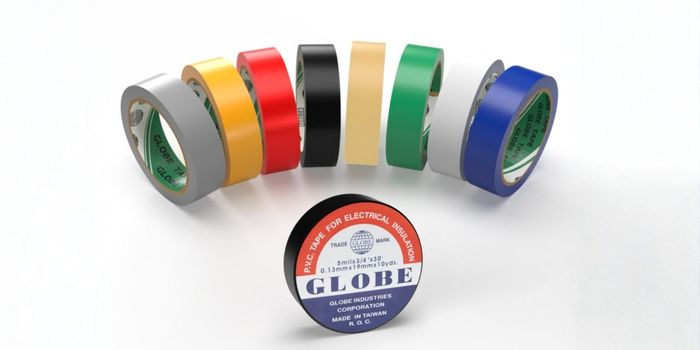
Electrical tape is a special tape that you can use to cover and protect electric wires. It is also known as insulation tape, insulating tape, or electrical insulation tape. Because it offers a long lasting insulation solution.
You can wrap it around the wire to stop shocks and short circuit damage. You should use it when you repair, join or seal electric wires or cables in your home or workplace.
How Does Electrical Tape Work?
Its sticky and stretchy material makes a safe cover around the wires. When you wrap it tightly, the tape stops the dust and leakage of electric current.
What is Electric Tape Made of?
In the manufacturing of electrical tape, engineers use materials that do not let electricity pass through.
- Vinyl (PVC)
- Rubber
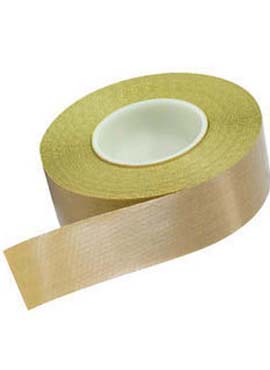
- Fiberglass Cloth/Fabric
- Silicone
- Rubber-based adhesive
- Acrylic adhesive
What Makes Electrical Tape Special?
These special characteristics are non-conductive material, stretchiness, strong stickiness and resistance to sunlight. They make electrical tape better than regular tape for protection of wires.
Types of Electrical Tape
| Electrical Tape Types | Properties & Applications |
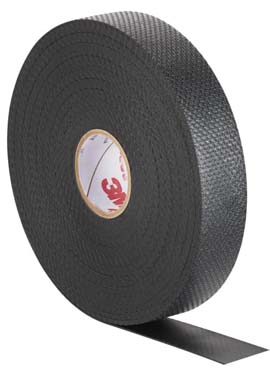
| Rubber Electrical Tape | Made of natural/synthetic rubber, stretchy & sticky. Used for insulating medium voltage wires and indoor cable repairs |
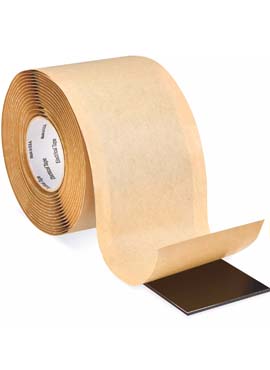
| Mastic Electrical Tape | Thick, sticky and waterproof. Used to seal cables, protect against moisture in underground or outdoor cable joints |
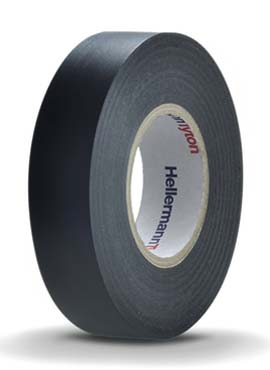
| Vinyl (PVC Electrical Tape) | Flexible, resistant to UV rays and heat. Best for general insulation on wires, color coding in industries |
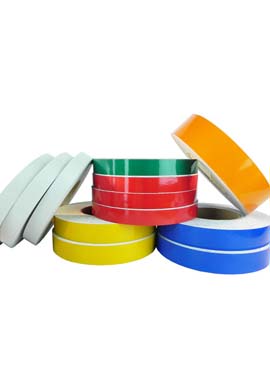
| Reflective Electrical Tape | Does not carry electricity. This tape has a shiny and reflective surface. Used for marking cables, safety and visibility in dark areas |
| Varnished Cambric Tape | Durable and made of fabric coated with varnish. Used for insulating transformers, motors and high-voltage equipment |
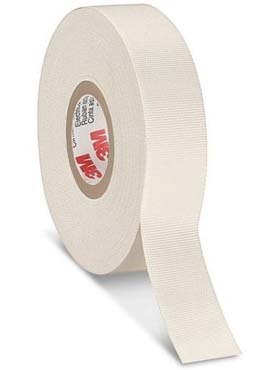
| Cloth Electrical Tape | Consists of woven fabric with adhesive, provides mechanical protection & insulation. Used in motor windings and heavy-duty wiring |
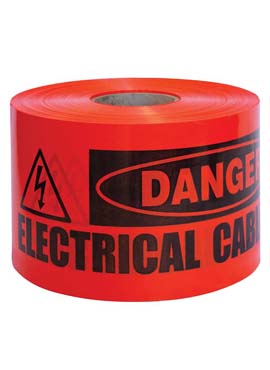
| Underground Electrical Tape | Special waterproof and thick tape. Underground warning tape used to protect wires from moisture, chemicals & soil pressure. |
What Color is Electrical Tape?
Electrical tape is available in different colors, so you can easily identify and organize cables.
Electrical Tape Color Meaning
| Electric Tape Color | US Standard | International Colour Code |
| Red | Phase B, low voltage | Outer sheath for 3-phase 415 V system |
| Blue | Phase C, low voltage | Neutral or protective sheath, 230 V |
| Green | Ground / Earth | Ground / Earth |
| Black | Phase A wire, protected for low voltage | Phase B, low voltage |
| White | Neutral, low voltage | Neutral |
| Orange | Phase B wire for high voltage | Wire covering for garden tools |
| Yellow | Phase C, high voltage | Cable cover for 110-volt wires |
| Gray | Neutral wire, high voltage | Phase C, low voltage |
| Brown | Phase A, high voltage | Phase A, low voltage |
| Violet | Phase B, high voltage | Neutral |
You can see this Quora post to know how people use electric tape colours in different countries: What do the different colours of electric tape mean? – Quora
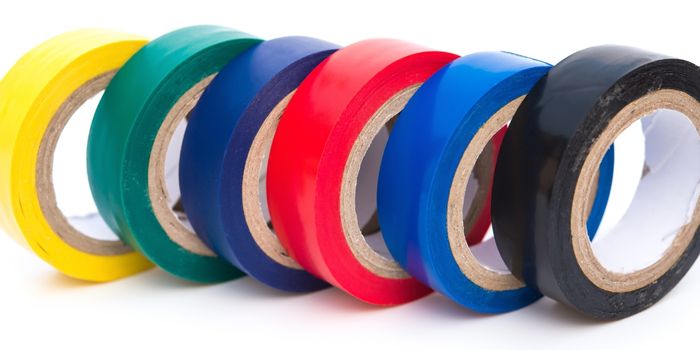
Electrical Tape Uses: What is Electrical Tape Used For?
The main electric tape purpose is to cover and protect wires. It prevents shocks, short circuits and damage. You can also use it to join wires, protect underground cables, repair cables as well as mark cords with colours. It is useful in homes, schools, offices and industries.
How To Use Electrical Tape?
- You have to make sure the wire is dry and free from dust.
- Now, you can take a piece of electrical tape. It should be long enough to wrap the cable completely.
- You need to start before the damaged spot and wrap the wire tightly.
- Each turn of tape must overlap the previous layer to make a strong seal.
- After that, you can press the end of the tape, so it sticks and does not peel off.
Can You Use Electrical Tape to Insulate Wire?
Yes, electrical tape can insulate wires. It is your ideal option for the insulation of standard household wires with low to medium voltage. However, it is not a permanent solution and has some limits. That’s why you should avoid electrical tape for high voltage wires. For better cable insulation, you have to make sure tape sticks well with no gaps.
How To Use Electrical Tape on Exposed Wires
You can use electrical tape for small exposed areas such as a small cut in the wire where the metal shows. Always remember to turn off the wire before you touch it. Also switch off the breaker and check with a tester.
Then, you can wrap the tape tightly. In this way, electrical tape can give you temporary protection until you can repair or replace the wire properly.
Can You Put Electrical Tape on Copper Wire?
It is safe to use electrical tape on copper wires. But, it is ideal only for small exposed spots or minor insulation damage. Moreover, this tape tape works best on low to medium voltage copper wires. It can be dangerous for you to use it to connect copper wires together. The reason is, tape may loosen over time, which can cause a shock or short circuit.
Does Electrical Tape Conduct Electricity?
Is electrical tape conductive? No, electricity cannot pass through electrical tape. It is made from insulating materials like vinyl or PVC, which completely block electric current. This makes it ideal to cover wires, prevent shocks and avoid short circuits.
Many people also ask, is electrical tape safe? The answer is yes, when you use it correctly. Plus, It is important to use the right electrical tape according to the wire’s voltage to stay safe.
Is Duct Tape Electrical Tape?
No, duct tape is not the same as electrical tape. Actually, duct tape is made for general repairs and sticks to surfaces like plastic or metal. Further, it does not block electricity and cannot safely insulate wires. Instead of duct tape, you can use electric tape for wires to prevent short circuits or fire hazards.
Is Electric Tape Sticky?
Yes, electrical tape is sticky. Its adhesive makes it able to hold tightly to wires and other surfaces. This stickiness allows it to form a protective cover around wires and prevent electric shocks and damage. However, different types of electrical tape may have stronger or weaker adhesive based on their use.
Tip: If you want the tape to stick better, you have to warm the tape with a heat gun. It will make the adhesive stick more strongly.
How Wide is Electrical Tape?
The width of electrical tape varies according to its type and use. For example: 3/8 inch, 1/2 inch, 1.5 inch and 2 inch. The most common width is 3/4 inch (about 19 mm). But, some tapes are narrower for small wires or detailed work.
While, others are wider for big cables or industrial use. You should choose the right width of tape to cover wires properly and stick well.
How Thick is Electrical Tape
Electrical tape is mostly thin but strong. Generally, its thickness ranges between 0.13 mm to 0.18 mm (5-7 mils). Tape thickness varies based on what it is used for. For example: heavy-duty electrical tapes are up to 8.5 to 10 mil thick. You can use thicker tapes for outdoor wires insulation or industrial cables. Thinner tapes are good for small wires and general household use.
Is Electrical Tape Flammable?
Electrical tape is not easy to burn. Because, most types of this tape are made from PVC, which is self-extinguishing. This means it can stop burning on its own when you remove the heat source. However, the adhesive can still catch fire if the tape gets very hot. If the tape is cheap or has no fire protection, it can burn more easily.
Always remember, when you wrap the tape on damaged wires, it can cause a short circuit. It makes a lot of heat, which can burn the electric tape and things around it. So you need to keep it away from open flames or extreme heat to stay safe.
Does Electric Tape Shrink With Heat?
Electrical tape shrinks slightly when you heat it. PVC tape softens and tightens when it cools down. But if you apply too much heat, it will deform or melt the tape instead of shrinking it. High-temperature tapes such as silicone or Kapton stay stable and do not shrink.
Electrical Tape vs Normal Tape
| Electrical Tape | Normal Tape |
| Use for insulation & protection of electrical wires | This tape is used for packing, labeling & sealing |
| Can handle heat well | Low resistance to heat |
| Flexible and long lasting | Limited stretch and cant handle harsh conditions |
| Safe for electrical use | Unsafe for wires and can cause hazards |
| Made of PVC or rubber for insulation | Composed of paper, plastic/fabric for lighter tasks |
Is Electrical Tape Waterproof
Electric tape is water resistant, but it is not completely waterproof. That means, it can only protect wires from small amounts of moisture, splash, dust or spills. Because, water can reduce the adhesive’s strength over time, which makes the tape lose its grip. Hence, you should not use it underwater or in very wet conditions.
What is Liquid Electrical Tape
Liquid electrical tape is a liquid coating. You can use it to insulate and protect electrical wires and connections. It can reach small gaps and hard-to-reach areas which regular tape cannot access. Once dry, it forms a flexible and protective layer.
Properties:
- Flexible and stretchable when dry
- Water-resistant and moisture-proof
- Insulates against electricity
- Sticks well to metal, plastic & wires
- Can cover irregular shapes and tight spots
Applications:
- You can cover small wire connections to keep them safe.
- It is used to seal wires in wet and outdoor areas.
- With this tape, you can make quick repairs on damaged insulation.
- You can protect soldered joints (two wires are joined together) from moisture and damage.
How To Use Liquid Electrical Tape?
First, turn off the power and make sure the wire is dry. Before using liquid electrical tape, you must mix it well with a stick or brush. Now apply two or more coats of liquid on wire and let each coat dry completely. Before you turn the power on, you should leave it for 4 to 24 hours to fully set.
Electrical Tape Price
The price of electrical tape depends on brand, quality, width and length you select. Basic household electrical tape can cost around $0.10 to $1.29 per roll. But, high quality and heavy-duty tapes may cost $2 to $3 or more. Price will also increase if you purchase high temperature resistant and outdoor usable tapes.
JACKWIN’s Advice To Choose the Right Electrical Tape
The selection of the right electrical tape offers you safe connection and prevents accidents. Before buying tape, you should consider the type of wire and voltage you will use it on. Always pick a tape which can handle heat and moisture better.
You must check the quality, grades and ratings such as UL or CSA approval. For outdoor or high-temperature use, we recommend you to use tape like silicone or heavy-duty vinyl.
Final Note
We can say, electrical tape gives you a quick and effective solution for small repairs and industrial applications. Our recommendation is: you must wisely choose its color and type for long lasting electrical wires insulation.
If you are looking for high quality electric / warning tape or related products, contact us today to see our catalog and get free guidance.
Commonly Asked Questions
How Long Does Electrical Tape Last?
The life span of electrical tape is mostly 1 to 5 years under normal conditions. High-quality or best insulation tape may last up to 5 years, if you keep it clean and dry. Exposure to sunlight, heat or moisture can reduce its durability.
Does Electrical Tape Stick To Wood?
Yes, electrical tape can stick to wood, but it sticks best to clean and dry surfaces. When you use it on rough or uneven wood, the tape may not hold as tightly. Its adhesive works better on smooth areas of the wood.
How To Remove Electrical Tape Residue?
To remove electrical tape residue, you can apply oil, rubbing alcohol, WD-40 or Goo Gone and let it sit for a few minutes. Then, you can wipe or scrub off the sticky residue. Finally, clean the area with soap and water.
What Can I Use Instead of Electrical Tape?
You can use heat-shrink tubing, wire nuts or liquid electrical tape instead of regular electrical tape. With these alternatives, you can insulate and protect wires safely. You must choose the one which fits your wire size and connection type.


