

-80x69.png)
Today, I will talk about facility management and why it is important for every industry. Further, you will learn its functions, benefits, challenges & the latest technology trends.
We have also covered facility management in several sectors such as construction, transport, logistics and warehouses. You will clearly know how to manage any facility in a smooth & safe way.
Facility Management Meaning
According to ISO, facility management (FM) is the professional management of buildings, people, real estate, businesses and environment. You can use this skill to make life better and safe for everyone. This technique is also used for business fast and positive growth.
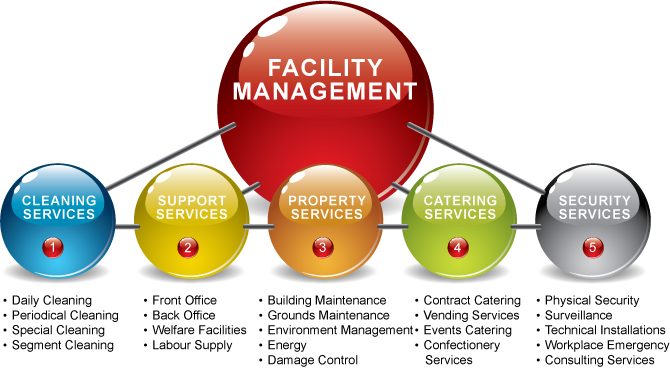
Facility Management Examples
Facility management covers several tasks in many ways. Following are two common examples of FM.
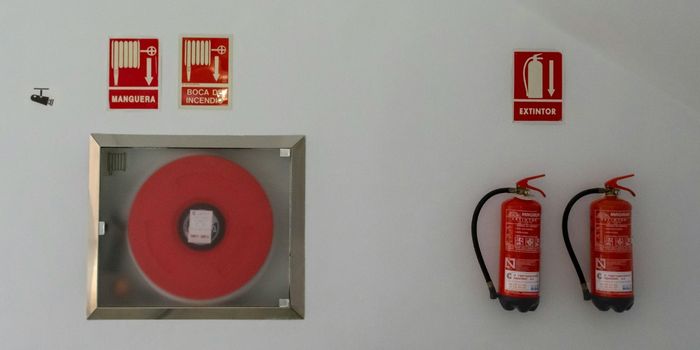
Fire Safety: Fires can cause injuries and damage property. As a facility manager, you need a clear plan to keep people safe. You must install fire safety signs and respond calmly in an emergency.
Electrical and Lighting: The management of lights and electricity is the part of FM. Because, you can make sure lights and power systems operate well. So, employees can work easily.
What is a Facility Manager?
Basically, a facility manager is the person who handles the building problem and its services. The building can be a factory, stadium, office, shopping mall, hospital, airport or museum.
It is the main responsibility of a facility manager that business serves its purpose and people inside are safe & productive. The main roles of facility manager are.
- Work return plans
- Sustainability management
- Project & budget
- Space management
- Emergency readiness
- Business continuity
What is FM Industry?
The facility management industry includes all businesses and services which handle buildings and workplaces. You can find FM functional in offices, hospitals, schools, airports and factories.
Facilities management case studies show you how these services work in real sites. It explains problems such as high energy costs and old equipment. Further, these studies also give solutions, so other facility managers can implement them in the future.
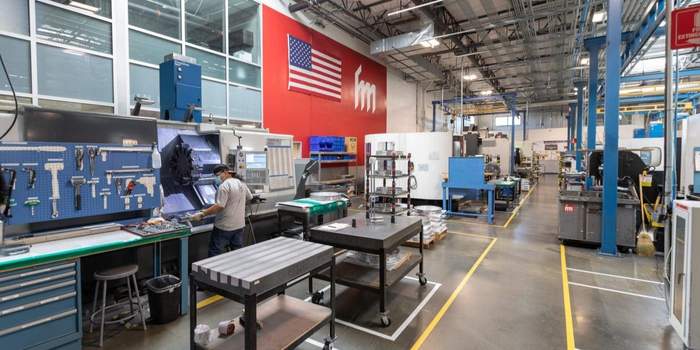
Types of Facilities Management
Facility management types show you the different ways you can manage a workplace. Generally, organizations use two types of facility management to handle specific parts of a structure.
FM Hard Services vs Soft Services
| Hard Facilities Management | Soft Facilities Management |
| Hard FM services deals with the physical parts of a building | Soft facility management focus on services which make your workplace comfortable |
| The purpose is to make sure safety, risk management, functionality and compliance | The main objective is to provide comfort, convenience, security and smooth daily operations |
| Example: Electrical work, plumbing, HVAC, lifts, lighting system, structural maintenance & fire safety | Example: Security, cleaning, catering, pest control, reception, EHS compliance, waste management and landscaping |
| It reduces risks, prevents breakdowns, protects assets and improve energy efficiency | Soft FM improves workplace experience, employee satisfaction/health, smooth operations plus boosts productivity |
What is Integrated Facility Management?
When you manage all facility services together as one system is called integrated FM (IFM). Basically, you handle both soft and hard services under one strategy or contract. You can use this approach to save time, reduce costs, maximize building safety and create comfort for everyone.
What is Included in Facility Management?
The components of facility management involve all the services and tasks which you require for company safety and efficiency. With the following FM activities, you can make your workplace comfortable and productive.
-
Infrastructure Maintenance & Management
As a facility manager, you have to make sure buildings, equipment, devices and systems work properly. To keep everything safe and reliable, you must check for problems and fix them.
-
Space Planning and Arrangement
In facility management, space planning is the way you organize spaces to meet an organization’s needs. For example: you arrange work areas & rooms, so people can work easily. The purpose of this service is to use space efficiently, improve workflow plus make people more productive.
-
Energy Management
It’s the main responsibility of facility managers to monitor and control energy or power use in buildings. Furthermore, you need to collect & analyze energy data such as usage and areas where energy is wasted. Later, you can use this information to make smart decisions to reduce overall energy consumption.
-
Health and Safety
You should check for hazards, workers health issues, maintain safety equipment and create rules to prevent accidents. Some safety products you can use include fire extinguishers, smoke detectors, safety signs, emergency lights and protective gear.
-
Cleaning and Sanitation
As we all know, a clean and well maintained workplace increases the productivity of workers. Therefore, FM industries follow strict hygiene rules and focus on proper cleaning and sanitation. It includes waste collection, window or glass cleaning, carpet care and deep cleaning of storage areas.
-
Security and Access Control
Facilities management focus on risk and danger free work environments. For example; the managers monitor entry and exit points and manage ID cards. So, they can control who can have success in specific work areas. You will also see CCTV cameras and safety barriers are placed across the site to track movement.
-
Office Reservations
In facility management, office reservation is useful to organize shared spaces efficiently. You can schedule rooms and workstations to reduce conflicts and improve space use. This way, you can create smooth operations and safe access for everyone.
-
Visitor or Contractor Management
Facility managers register every visitor and contractor. The main purpose is to verify their identity and assign proper access based on their roles. This way, you can reduce security threats and prevent unauthorized access.
-
Increased Asset Lifespan
Facility management services extend the life of buildings, equipment as well as systems. You need to perform regular inspections and repairs to prevent damage. With proper care, you can reduce breakdowns and keep all assets working efficiently for a longer time.
-
Employee Satisfaction
Facility management boosts employee satisfaction and provides a safe and comfortable workplace. It involves clean work areas, proper lighting, comfortable temperature & organized spaces. Plus, the use of the right PPE is also important.
Functions or Objectives of Facilities Management
Facility management has an important role to keep different types of workplaces safe and smooth. The main objective is to support people and protect assets, so the organization can achieve its goals.
What is Facilities Management in Construction?
Facilities management in construction is useful to make buildings safe, functional, productive and well-maintained. You have to manage systems, monitor safety, plan layouts and select materials like concrete/asphalt. For construction site safety, you can use the following products.
- Construction safety signs
- Emergency flashing lights
- Helmets & safety harnesses
- Plastic safety barriers
- First aid kits
- Safety cones
Transport Industry Facilities Management
In transport sectors, facilities management keeps airports, train stations, bus terminals and ports safe or efficient. For example: you keep parking areas organized with the help of parking signs and delineator posts. Further, a sustainable environment is the main focus in transport industry facilities. To keep operations safe for travelers, below safety times are commonly used.
- Emergency lights
- Safety cones
- Warning signs / Caution signs
- Bollards, barriers & guardrail
- Traffic cameras
- Traffic cones and road studs
Facilities Management in Hospitality Industry
Facility management in hotels, resorts or restaurants make sure smooth operations and guest comfort. You must manage public areas and services. Proper management also controls energy, maintenance, finance and security to create a pleasant experience for visitors. Some common hotel facilities include.
- Business rooms
- Parking & transport services
- Security measures

Warehouse Facility Management
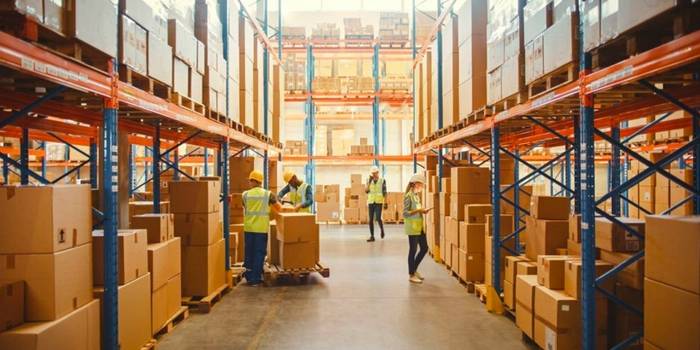
FM in warehouses handle storage areas, loading docks and reduce the risk of stockouts or overstocking. It also studies inventory patterns and organizes layouts to fit different stock levels. You have to review and improve processes such as receive, pick, pack and ship tasks. Below is the list of safety items used by facility managers in a warehouse.
- Bollards & wheel chocks
- Expandable barriers
- High visibility vests
- Warning signs
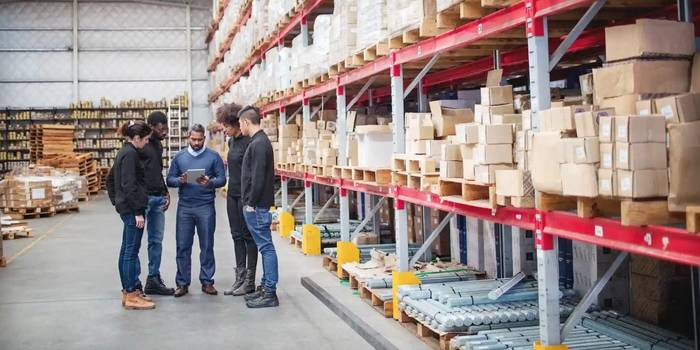
Logistics Facility Management
Logistics facility management makes sure smooth movement of goods across storage areas, transport routes and distribution points. You must manage loading zones, workflow, equipment and safety to support fast deliveries. With good management, you can reduce delays and strengthen overall supply operations. Safety items include:
- Dock safety locks
- Wheel chocks
- Pallet rack guards
- Anti-slip mats
- Forklift warning lights
4 Facility Management Roles
Facility management roles cover all responsibilities which support a functional and productive workplace. You need to handle the following duties and roles for effective operation of businesses.
1. Tactical Roles
Tactical roles include the daily actions facility management staff takes to keep a work area smooth. You have to focus on short-term needs, fix issues on time, guide teams and make sure every area works in the right way. Well, these roles support the practical side of facility management.
2. Operational Roles
Operational roles are handled by facility supervisors or facility managers. This category is responsible for daily tasks, check repairs, watch over building systems and handle vendors. As a facility manager, you should track performance and fix issues fast.
3. Strategic Role
Every organization has specific goals and objectives. In a strategic role, facility management focuses on long-term plans and budget to achieve company mission. Top leaders such as executive directors and CFOs are responsible for this role.
4. Technical Support Role
Mostly, technical support roles handle the skilled and technical work inside a facility. You have to solve system issues and support teams with expert knowledge. These roles make sure equipment and building systems stay reliable and safe. The responsible persons include electrical experts, FM consultants, fire safety technicians, HVAC teams & roofing teams.
Why Facility Management is Important?
- 43% difference in turnover: Companies with effective facility management can see up to a 43% higher employee turnover rate as compared to those with poor management.
- 30% savings: You can cut almost 30% of your costs when you manage your facilities in a smart and organized way.
- 80% over budget: Many projects exceed their 80% budget when you do not manage facilities properly. So, good facility management controls costs and keeps every project on the right path.
- 30-50% savings: With effective facility management, you can save 30 to 50% on energy, maintenance & operational costs.
Facilities Management Technology Trends
The facilities management industry uses various types of technologies and softwares for better management. You can use new tools and automation to improve efficiency at workplaces. These include smart systems, utility tracking, service automation, IoT, AI, sensors and digital monitoring to make facility management faster.
Future of Facility Management
The future of facility management will shift to smart technology and data-driven decisions. You will see more automation, IoT devices and AI systems. They monitor buildings and optimize energy use.
Facilities Management vs Property Management
| Facility Management | Property Management |
| Facilities management takes care of the building, its systems plus daily operations | Property management handles money, tenants or legal matters |
| Facility managers are responsible for building maintenance, safety, space & sustainability | Property managers handle rent, tenants, leases and legal rules |
| FM involves short-term and ongoing operations | It s long term investment and asset management |
Facility Management Challenges
- Budget Constraints: Facility managers mostly face limited budgets. This issue makes it hard to maintain buildings, buy equipment or implement new systems.
- Workforce Management: It is a major challenge for facility managers. Coordination of staff for maintenance and security can be difficult. It can reduce overall work efficiency.
- Technological Change Adaption: As a facility manager, you face the challenge to stay updated with fast technology trends. It may be hard for you to learn new systems & old tools updates.
Summary
I hope you are now well aware about facility management and how it works for successful business or safe building. If you are looking for safety products to manage your facility project, Jackwin is your top choice.
In our factory, we manufacture high quality safety items which you can also order in bulk for price discounts. You can talk to us anytime!


