

-80x69.png)
In this topic, you will learn what polyester is and its main types, properties, and pros/cons. We have also explained which industries you can use this material in. Further, you will see the comparison of polyester with some other commonly used fabrics like cotton and nylon. Everything is written in a very simple way for you.
What is Polyester Material?
Polyester is a polymer that is made from chemicals called esters. It is also called polyethylene terephthalate, PET and microfiber. Most synthetic polyester fibers are made from ethylene. It is basically a substance that you will find in petroleum. If we talk about the polyester fabric, it is a man-made fabric made from petroleum-based materials.
Polyester fiber was first made by the DuPont Company. It is the same business that created other well-known synthetic fibers such as nylon. Nowadays, this is one of the most popular fabrics in the world. You can use it in the production of various household items and industrial products.
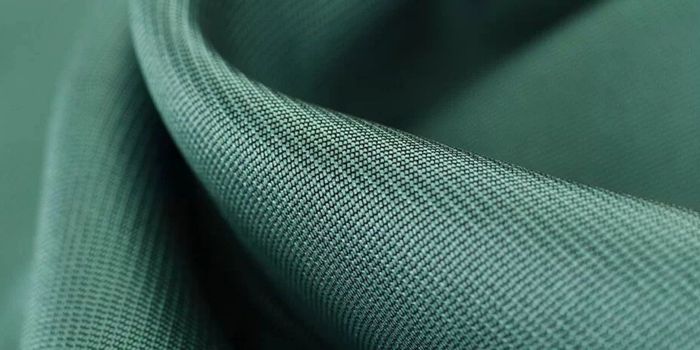
Polyester Examples
You can find polyester in many everyday items you use. Following are some common products made by polyester.
- Clothes like safety vests, safety flags, jackets & sportswear
- Bags and backpacks
- Curtains and bed sheets
- Upholstery and furniture covers
- Outdoor gear (tents and raincoats)
What is Polyester Made of?
Polyester is produced from synthetic chemicals. Main raw materials of polyester include terephthalic acid (PTA) and ethylene glycol. These chemicals join together and make long chains called polyester fibers. You can use these fibers to design durable and smooth fabrics.
What Does 100% Polyester Mean?
When you make fabrics only from polyester fibers, it is called 100% polyester. Therefore, you will find no natural fibers in pure polyester fabric. As a result, it is less breathable as compared to blended fabrics. You can easily wash it many times, and still these clothes stay in their original shape and color.
However, you can make clothes entirely from polyester fabric but you can also mix it with cotton or other natural fibers. For example: when you blend polyester with nylon, you will get poly-nylon. In this way, you can combine the best qualities of both materials.
Types of Polyester
PET Polyester
PET polyester is one of the most commonly used thermoplastic polymers of the polyester family. It is also known as ethylene polyester, PETE, PETP & polyethylene terephthalate.
You can use it to make fiber for clothing and containers for drinks or food. When you combine PET with glass fiber, you will get strong engineering resins. Furthermore, it is durable and affordable to produce as well.
PCDT Polyester
Engineers produced PCDT polyester from terephthalic acid and 1, 4-cyclohexanedimethanol. It is widely used due to its extreme strength, durability, elasticity and chemical resistance. You can use it in high performance fibers and films. Its most preferred application is for heavy duty industrial use such as curtains and upholstery.
Recycled Polyester (rPET)
If we talk about recycled polyester, it is created from used plastic materials such as old bottles and containers. Instead of new petroleum, you can reuse existing plastic to create new fibers.
With this method, 14.5 million metric tons of polyester fiber was produced in 2023. This makes up approximately 15% of the world’s total polyester output. This polyester is used at large scale in textile and packaging industry.
Plant-Based Polyester
Plant-based polyester is a more eco friendly option for you as compared to regular polyester. Instead of petroleum, you can produce it from natural resources. These include sugarcane, cornstarch or farm waste.
However, these polyesters are also made from ethylene. However, it costs more to produce. Plus, plant based polyester is not as durable as PET or PCDT polyester.
PVC Coated Polyester
PVC coated polyester is a fabric which is actually covered with a layer of PVC plastic. This coating makes the fabric waterproof and easy to clean. You will mostly find it in tarps, tents, truck covers and outdoor banners. You should use it in places where you need protection from water and weather.
Polyester Fabric Properties
Polyester is used in multiple sectors due to its versatility and affordability. Following are top properties of polyester fabric which make it popular in everyday products.
Long-lasting color: PET can hold color very well. Its fibers lock the dye. Hence, the fabric stays bright after you wash it many times or when exposed to sun.
Strong and lightweight: Polyester reflective fabric has excellent strength but still it feels soft and lightweight when you wear it. This quality makes it an ideal choice for workwear and outerwear.
Moisture wicking: In contrast to cotton, polyester does not absorb sweat. Basically, it moves moisture to the surface where it dries quickly. Hence, you should use this material for sports clothes.
Wrinkle free & quick to dry: Your clothes stay smooth even after you wear them for a long time or pack in a bag. Further, it dries very fast because it does not absorb much water.
Easy to blend: You can easily combine PET with other fabric such as cotton or wool. This way, you create fabrics both strong and soft.
Moldable: You can shape this material when you heat it or reused many times. So it can be recycled for new fabrics. This helps you to reduce waste.
Uses of Polyester
In the section below, you will read common polyester applications in various industries.
Polyester Clothing/Textile Industry
The most common application of polyester is in the fabric industry. You will find it in T-shirts, jackets, activewear, athletic clothing, dresses and suits. Its wrinkle resistance and ability to hold color make it a favorite in the textile market for everyday wear.
Housewares
Polyester is widely used in home products because it is durable and easy to clean. You can design interior textiles such as curtains, bed sheets, furniture times like pillow or sofa covers, carpets, blankets, upholstery and tablecloths. Its resistance to wrinkles and stains makes it perfect for these all items.
Automotive
In the automotive sectors, engineers use PET in cars and vehicles. For example: you can make seat covers and interior trims. Due to its strength, durability, resistance to stains and sunlight, this synthetic material is ideal for your automotive applications. You can use it to produce the following vehicle components.
- Headliner (ceiling fabric)
- Seat & side panels
- Airbags
- Tires
- Conveyor belts
- Carpets & floor mats
- Seatbelts
- Sunshades & window covers
Polyester Apparel
Ideally, you can design two types of apparel with polyester fabric.
Specialty apparel: Specialty garments are designed for specific purposes. These include sports, outdoor activities or fashion performance wear.
Protective apparel: You can also use polyester in protective clothing such as safety vests, reflective jackets, waterproof rainwear and life jackets.
Packaging Items
Polyester is also used in packaging because it is lightweight and durable. You can find it in bags, wraps, pouches, packing cushions plus protective films. As you know, polyester can handle moisture and stretching so it is ideal for you to keep products safe during storage and transport.
Polyester Sports Wear
Polyester is the perfect option for you to design sportswear because. Generally, you see products like T-shirts, shorts, leggings, jackets, tracksuits and team uniforms are made from this synthetic fiber.
Medical Use
PET is also used in hospital surgical drapes, bedding plus gowns. The reason is that it can handle high temperature sterilization easily and stays clean. Moreover, its resistance to microbes makes it ideal for your healthcare products.
Polyester Asphalt Fibre For Roads & Pavements
You should add polyester fibers into asphalt to make roads and pavements stronger and longer lasting. This way, you can prevent cracks and damage from weather . Furthermore, when you use polyester in asphalt, it creates safer and more durable roads with less maintenance over time.
Flags and Banners
Polyester is a popular fabric for national flags, safety reflective flags, display materials as well as promotional banners. Because it can keep colors bright and dries quickly. The fabric is also great if you want to print it. Apart from this, PET works well both indoors and outdoors applications.
Advantages of Polyester
Generally, polyester is an affordable material to produce as compared to natural fibers. Manufacturers and consumers widely use this fabric because of its resistance to wrinkles, scratches, shrinkage and stains.
As we told you, it is a versatile material and suitable for many applications. Hence, you can mix it with other fibers as well. Polyester clothes are designed in a way so they keep moisture away from your skin. That’s why it is one of the most favorite fabrics among sports players.
Polyester Disadvantages
Is polyester fabric toxic? It is usually considered safe and not toxic. But, there are also some drawbacks of polyester. For instance: its synthetic nature makes it non biodegradable which leads to long term waste. When you wash clothes made with PET, they release toxic microplastics into the water.
Moreover, polyester can get damaged by high heat because of its low melting point. Apart from that, some people find this fabric uncomfortable and less premium.
Polyester vs Cotton
Which is better: polyester or cotton? Below table will show the difference between polyester and cotton fabric.
| Polyester Fabric | Cotton Fabric |
| Pleyster is less comfortable, allergenic and feels artificial | Cotton is breathable and skin friendly |
| Generally less expensive to produce | It cost you more as compare to synthetic fabrics |
| It can trap heat and moisture | Natural fibers of cotton let air pass and absorb sweat |
| Polyester is not biodegradable and sometimes made from recycled plastics | It is biodegradable but you need lots of water and resources to make cotton |
| This material is best for sublimation printing | Natural fibers works well with DTG and screen printing |
Polyester vs Nylon
Which is better: nylon or polyester? Polyester and nylon are both synthetic fabrics. However, you can understand their unique qualities which make them different.
| Polyester | Nylon |
| Polyester can handle heat better as compared to nylon | It melts at lower temperatures so you need to handle nylon with extra care |
| It is strong and durable but not as long lasting as nylon | Nylon is ideal for high performance clothes due to its strength and resistant to wear/tear |
| Polyester does not absorb much water which making it ideal for sweaty workouts | It absorbs water and can expand more than 3.5%. So it takes more time to dry. |
| It is commonly rough and less shiny fabric. But modern manufacturing converts it into much smoother clothes | Nylon was actually made as a replacement for silk. Therefore it feels soft and silky. |
| It has tensile strength of 22-95 MPa and 200-260 °C melting points | The tensile strength of nylon is approx. 50-90 MPa and melt at 190 to 238 °C |
Polyester vs Wool
Are wool suits better than polyester? Although, polyester and wool are basically used for similar clothing and textile products. But they have very different qualities which we listed in this table.
| Polyester Fabric | Wool Fabric |
| Polyester is synthetic and commonly made from plastic | Wool is natural and renewable material |
| In terms of odor resistance, polyester can get smelly faster | Wool (especially Merino) can resist odor naturally |
| Polyester is lightweight and thin fabric | It is heavier material than PET |
| It is cheaper materials to produce | This is expensive fabric to create |
| PET holds in heat and sweat which make it harmful for sensitive skin | Wool keeps you cool and comfortable so it is more safe for your skin |
Polyester Cost
How much does polyester fabric cost? Polyester is the cheapest material in the textile market. This is why it is so popular and produced at large scale. In early 2026, polyester rate increases and decreases daily on the basis of its type.
On average, raw polyester fiber costs you around $1 per pound ($0.85 to $1.20/kg). If I talk about finished polyester fabric, you need to pay approximately $0.85 to $1.25 per meter.
Our Products Made By Fluorescent Polyester
Safety Vests
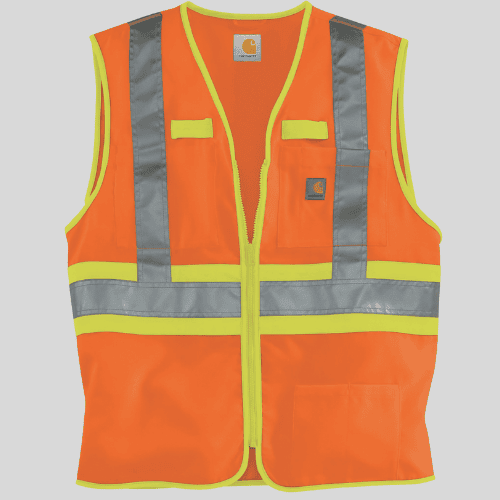
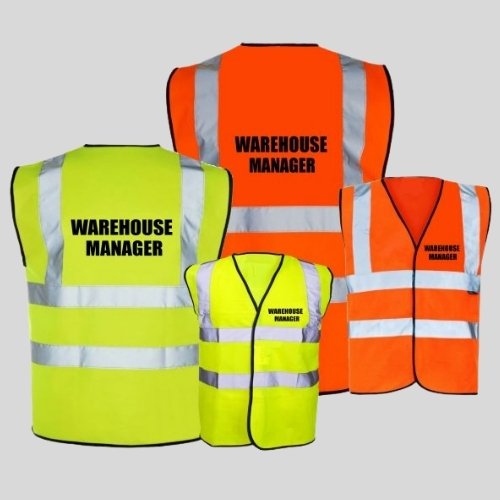
Jackwin safety vests are designed with durable fluorescent polyester which exactly matches the ANSI 1, 2 and 3 standards. You can use these jackets for the maximum safety at your workplaces or on roads. Further, you can get customized reflective vests with your business logo.
Not only limited to this, you can also order many other types of polyester safety vests in multiple colors options. Our major collection includes cooling safety vests, harbor freight vests, horse riding jackets, mesh protective vests & dog safety vests along with belts.
Bunting Fags
Due to its lightweight, polyester is our preferred material for bunting flags. This fabric also supports digital and screen printing which allow for logos, messages or custom designs.
You can use these flags for your wide range of applications such as road safety, at construction sites, outdoor events and workplaces. Our engineers design these bunting flags according to AS 1742-2 and AS 1318 standards. We provide quality buntings with variation in size and color.
Safety Flags
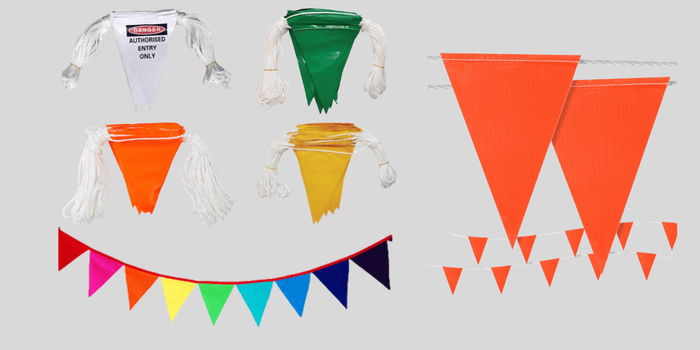
With the use of polyester, we also manufacture safety flags to improve visibility and protect workers & drivers in high risk areas. Safety flags maintain their color and durability for more than three years without fading.
Due to the use of reflective film materials, these flags are highly visible at night. In fact, PET flags dry quickly and you can reuse them multiple times. You can get customized safety flags like shapes, colors or size, so contact us and share your requirements.


Polyester Fabric Manufacturers
Following are top suppliers of polyester fabric made products.
- Jackwinsafety
- Toray Industries
- Alpek Polyester
- Far Eastern New Century
To Summarize
So, polyester is a strong and affordable fabric that is used on a large scale in many industries. China is the largest producer of polyester in the world. Another fact is that you will see some types of PET are biodegradable.
But most cannot break down naturally. So if you excessively use polyester made products, it can lead to pollution in our environment.
Frequently Asked Questions
Is Polyester Waterproof?
Polyester fabric is naturally resistant to water but not 100% waterproof. Its synthetic fibers let light rain roll off but it can’t handle heavy or long rain. However, you can make polyester fully waterproof with the help of coatings like PVC or PU.
When Polyester Was Invented?
Polyester was developed in 1941 by British chemists John Rex Whinfield and James Tennant Dickson. They actually created the first PET fiber which is called Terylene. Thereafter, DuPont brought it to the US and sold it as Dacron in the 1950s.
Can I Stretch Polyester?
Generally, 100% polyester is not stretchy. That means, it can keep its shape because of its strong fibers. But when you blend it with elastic fibers (spandex), it will become stretchy plus flexible.
Is Polyester Safe To Wear?
Yes, polyester is mostly safe for you to wear. It is strong, light as well as affordable so used in many clothes. But it is not very breathable which can irritate your skin. When you sweat, this fabric traps moisture. This way, it can make your skin feel sticky or itchy.
How Breathable is Polyester?
As we told you above, polyester is not very breathable so it does not let air or moisture pass through easily. This is why you should use natural fabrics such as cotton in hot weather. In addition, PET is more breathable as compared to acrylic & nylon.
Is Polyester Flammable?
Well, polyester is moderately flammable. That means it does not catch fire easily. But if exposed to direct flame, then polyester may melt and can stick to your skin. It also burns out faster than natural fibers. As a result, it releases toxic fumes and leads to serious burns.
Can You Dye Polyester?
Yes, you can dye polyester. Although you can color polyester, remember, it is not as easy as dyeing natural fabrics such as cotton. You need special dyes and sometimes high heat to make the color stick well. Polyester can hold color well once you dye it and never fades quickly.


