

-80x69.png)
In many workplaces, your body faces risk from heat, chemicals, sharp tools, or bad weather. A small mistake can cause injury when your skin is not covered properly. That is why protective clothing is used in every major industry.
In this guide, you will see where this clothing is used. We also explained how and why each workplace needs a different type of protection.
Protective Clothing Meaning
Protective clothing means special clothes that keep your body safe. You use it when you face any hazard near you. It makes a clear barrier between you and any harm. In simple words, it saves you from injury, infection or contamination. Basically, it is a main part of your PPE.

Protective Clothing Examples
- Chemical suits
- Lab coat
- Arc-Rated cloths
- Safety vests
- Thick jacket
- Highly reflective coats
Why do We Wear Protective Clothing?
As you know, you have to wear protective cloth to protect yourself from hazards that are present on your job sites. Each organization designs uniforms according to the possible harms that you can get while working. For instance, if you work in a lab or handle chemicals. Then you must wear a lab coat or a safety suit to avoid splashes of chemicals.
Types of Protective Clothing
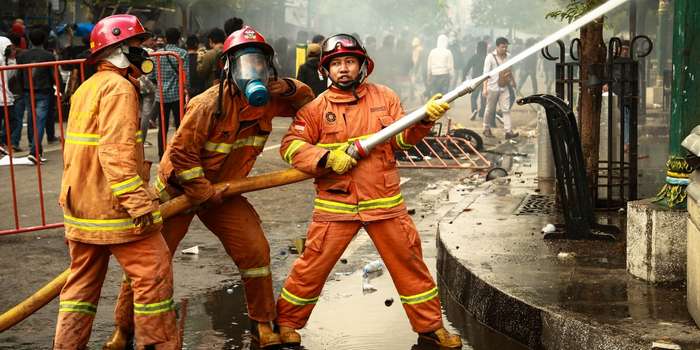
1. Fire Protective Clothing or Fire-Resistant Clothing
Fire protective clothing means special PPE that resists fire and high heat. It keeps you safe from burns. It uses fibers like aramids or treated cotton that stop flames fastly. Actually, the fabric shuts the fire by itself when it meets heat.
Who Can Use: Firefighters, oil and gas worker, welders, industrial worker, emergency response teams.
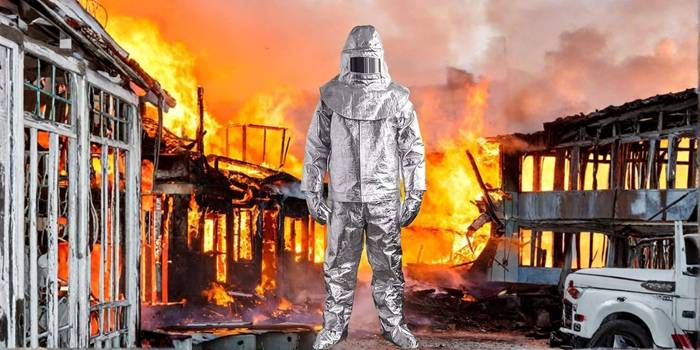
2. Thermal Protective Clothing
This type of clothing is used when there is no direct fire, but there is extreme heat around the workers. Simply, it stops hot surfaces, steam and high temperatures from touching your skin. It uses heat-resistant fabric that stays strong under pressure.
Applications: Foundry workers, steel mill worker, glass industry staff, welders, metal fabrication teams, power plant worker.
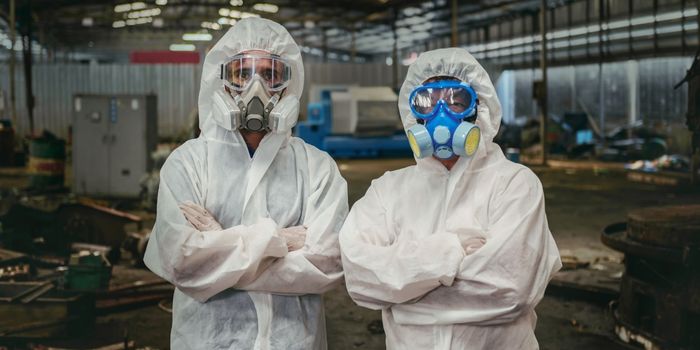
3. Chemical Protective Clothing
When it comes to chemicals there are many chemicals that are highly toxic for your skin. Therefore, chemical protective clothing is used to keep your body safe from harmful chemicals, liquids and vapors. It stops skin contact and prevents infections or burns. It uses special chemical-resistant fabrics that do not allow the chemicals to pass through.
Suitable For: Laboratory staff, chemical plant workers, hazardous waste handlers, cleaning crews, pesticide applicators, and industrial maintenance teams.
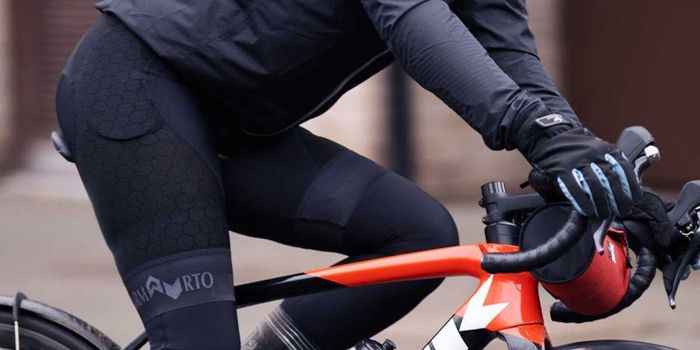
4. Impact Protection Clothing
You have to wear impact resistant clothes when there is a possibility of being hit by something. So it includes safety helmets, gloves, body armor and safe footwear. These all things reduce the effect of force. Furthermore, it provides a shield from cuts and scrapes.
Used By: Construction worker, factory staff, warehouse workers, miners, sports players, heavy equipment operators
5. Radiation Protective Clothing
As you know, radiation is very harmful to our skin. So there is always a need to save your body from harmful radiation, like X-rays or radioactive materials. Well, for this it uses lead or special radiation-blocking fabrics to reduce exposure.
Generally Worn By: Radiologists, lab technicians, nuclear plant workers, medical staff, radiology students, research scientists
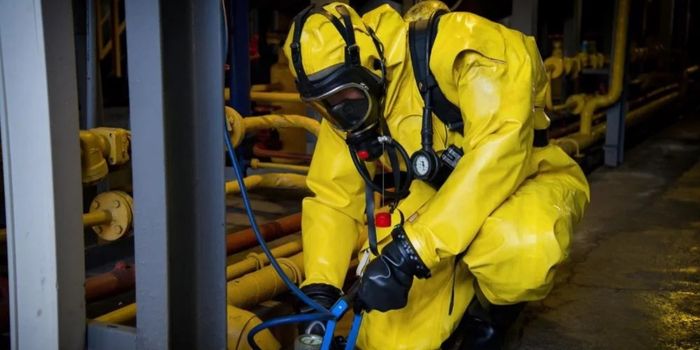
6. Biological Protective Clothing
When you deal with harmful bacteries, viruses & microorganisms, you need a shield. Then biological clothes are the top choice for you. It uses fabrics that block germs but you can easily breath.
Who Can Use: Doctor, nurses, lab technicians, microbiologists, healthcare workers, research scientists
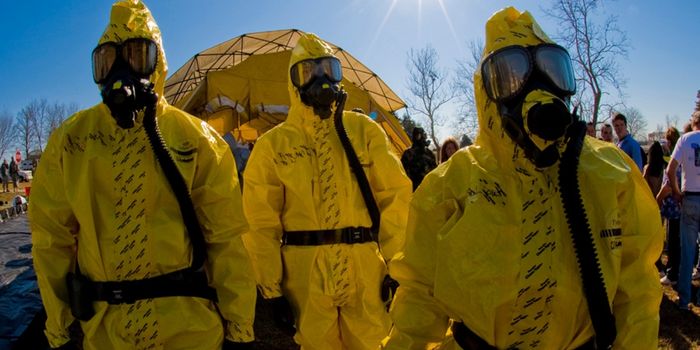
7. Electrical Protective Clothing
Actually, it is designed to keep you safe from electric shocks and burns. The Electrical Protective suit uses insulating and flame resistant materials. It protects your body when you work near live wires or high-voltage equipment.
Suitable For: Electricians, linemen, power plant workers, maintenance staff, engineers, utility workers
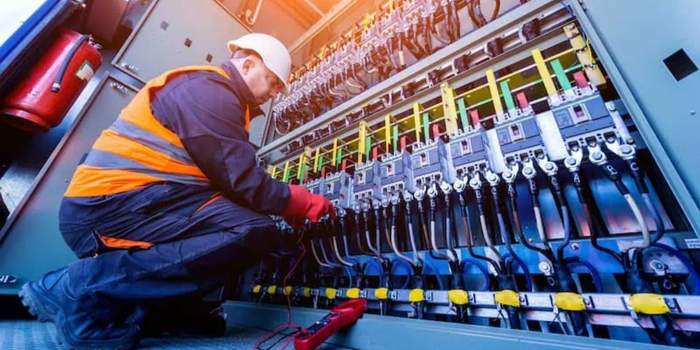
8. High Visibility Protective Clothing
If you work in busy areas and a low light environment you need reflective clothes. Because there are many heavy vehicles that work at such places. Without visible clothes operators can’t see you which can cause severe collisions. Basically, reflective strips are pasted on the safety vests to make them highly visible.
Applications: Road workers, construction staff, traffic controllers, warehouse workers, emergency responders, general surveyors
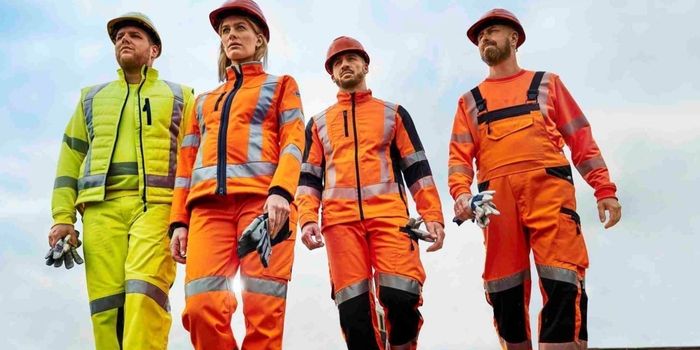
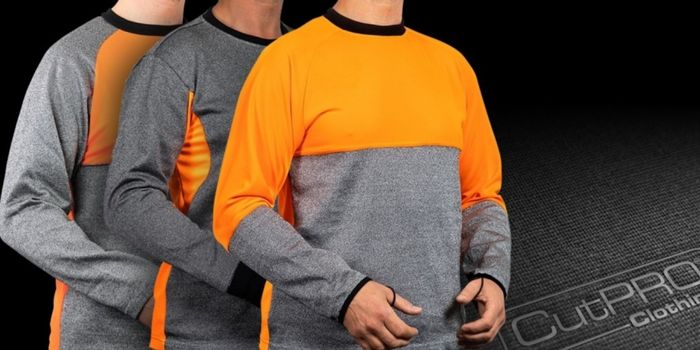
9. Cut Protective Clothing
Cut protective clothes protect your body from sharp objects and blades. It uses tough fabrics or chainmail to stop cuts and scratches. Therefore, it keeps your hands, arms and internal organs safe during cutting or handling sharp materials.
Who Can Use: Butchers, metal workers, glass handlers, construction staff, carpenters, heavy machine operators
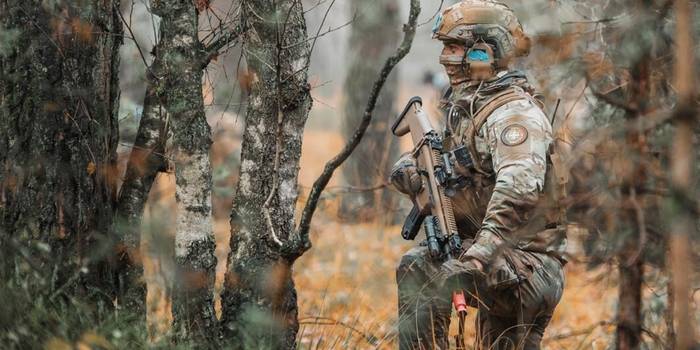
10. Ballistic Protective Clothing
Well, the vests and armors of ballistic cloths are designed to absorb the kinetic energy of bullets and flying objects. Basically, it has many layers of strong plus lightweight material like para-aramid. So, it shields your chest, back and vital organs in case of dangerous situations.
Suitable For: Police officers, soldiers, security guards, military personnel, bodyguards, law enforcement staff
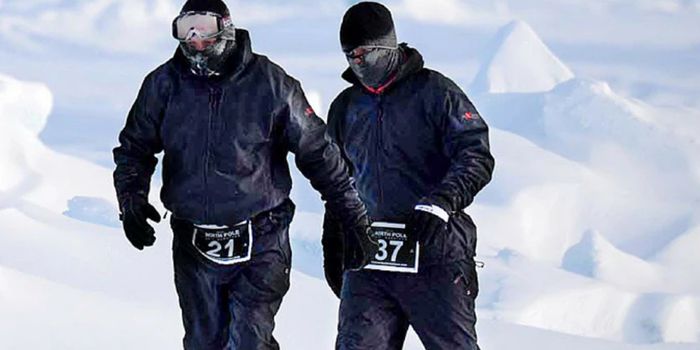
11. Cold Weather Protective Clothing
Cold weather protective clothing keeps your body warm in extreme freezing temperatures. It uses insulated and windproof fabrics to stop heat loss and frostbite. It protects your hands, feet and sensitive organs during long exposure to cold.
Application: Arctic researchers, outdoor workers of cold areas, mountaineers, ski instructors, delivery staff, construction workers
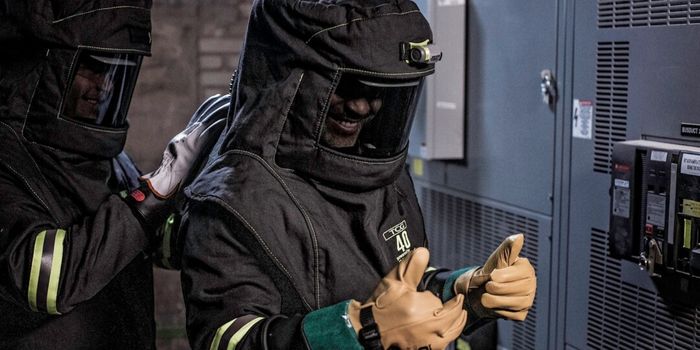
12. Arc Flash Protective Clothing
These clothes protect your body from intense heat and light that is caused by electrical arcs. It uses flame-resistant and insulated fabrics to stop burns and injuries. It shields your hands, arms and torso when working near high-voltage equipment.
Who Can Use: Electricians, power plant workers, maintenance staff, engineers, utility workers, industrial technicians
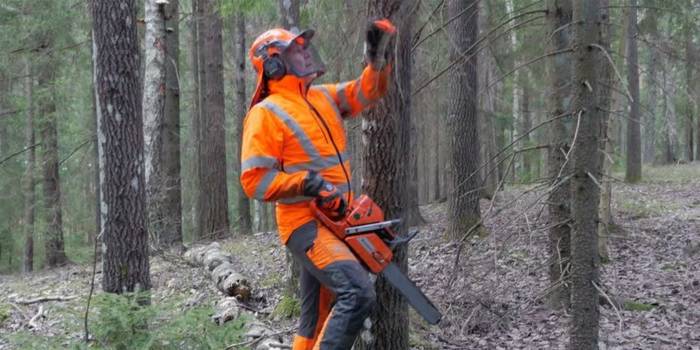
13. Chainsaw Protective Clothing
When you operate a chainsaw, you need to wear a special PPE. Because chainsaws are fast and sharp motor operated machines. Actually, these machines can cut your body organs in just a few seconds. So, chainsaw protective cloths use reinforced fabrics and cut-resistant materials to stop accidents. It keeps your legs, hands, and torso safe during operation.
Suitable For: Lumberjacks, forestry worker, landscapers, loggers, tree maintenance staff
14. UV Protective Clothing / Sun Protective Clothing
When you work outside, the sun can damage your skin badly. So you must wear UV protective clothing. Because it is made up of special fabrics that block ultraviolet light and reduce sunburn risk. It protects your arms, neck and other body parts during long outdoor work or travel.
Generally Worn By: Outdoor workers, lifeguards, farmers, hikers, swimmers, construction staff

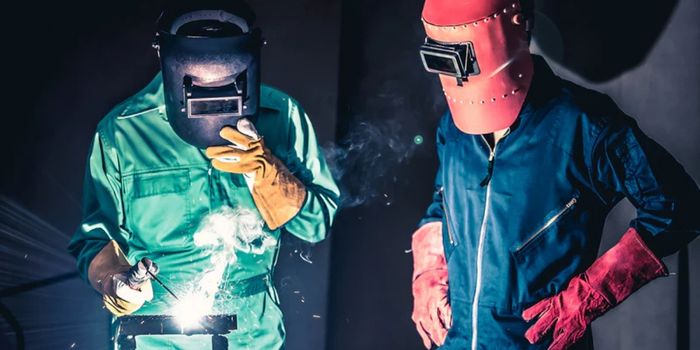
15. Welding Protective Clothing
These clothes are specifically designed for you when you weld any object. Because, it protects your body from sparks, heat and molten metal. Basically, this clothing involves flame resistant jackets, aprons, pants and leather boots. Moreover, it protects you from electric shocks.
Who Can Use: Welders, fabricators, metal workers, workshop staff, industrial technicians, repair crew
16. Weed Killer Protective Clothing
As a farmer, you need to spray weed killer in your crops on time. But pesticides can enter into your body via your skin, eyes or lungs. Weed killer protective clothing keeps your body safe from harmful chemicals in herbicides. Basically, you have to cover your whole body when you spray crops.
Applicant: Gardeners, farmers, landscaper, pesticide applicators, greenhouse staff, field worker

17. Workwear Protective Clothing
Well, this is general protection cloth that you have to wear on tough job sites. As you know, worksites also have some danger spots, equipment and vehicles. It is needed for you to wear strong and durable clothes that can protect you from cuts & sudden pressures.
Who Can Use: Construction labour, factory staff, warehouse workers, mechanics, technician, maintenance personnel
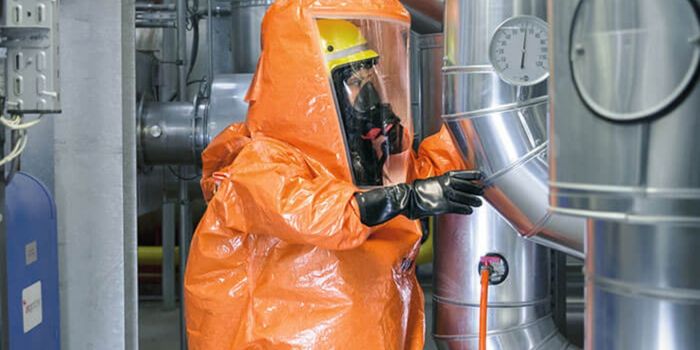
18. Gas Tight Chemical Protective Suits
Gas tight chemical protective suits keep your whole body sealed from dangerous gases and toxic vapors. The suit blocks even the smallest particles with its airtight design. It also protects your skin, eyes and breathing zone during high-risk chemical tasks.
Used For: Hazmat teams, chemical plant workers, emergency responders, toxic spill crews, industrial cleaning staff, laboratory technicians
19. Lifejacket Safety
This is also a type of protective vest that is used to prevent drowning. But you should choose the jacket according to your specific need. Some jackets keep you face up even if you go unconscious.These are for rough offshore water and fall in Level 100 or 150. Other jackets give you more freedom to move in calm, inshore water. You must know how to swim if you use those.
Generally Worn By: Workers on dock, ports and off-shore, swimmers, kids that go near pool

20. Positive Pressure Personnel Suits
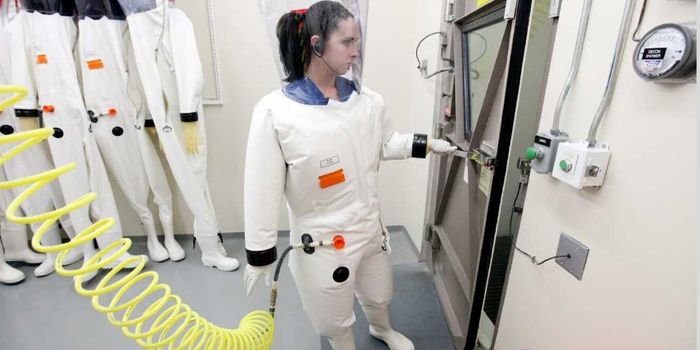
Well, a positive pressure personnel suit is a full air-tight suit that you see in BSL-4 labs. It keeps you safe from deadly germs. Basically, clean air stays inside the suit all the time. The air pressure inside is higher than outside. Therefore, no germ moves in.
Suitable For: Scientists in bio safety labs, lab technicians who test deadly viruses, medical teams who study new or rare infections, emergency response teams in special biohazard situations.
21. Space Suit
This kind of protective cloth works like a small one-person spacecraft. It gives you oxygen to breathe. It keeps your body at the right temperature. It blocks harm from vacuum, heat, cold, radiation and tiny space rocks. Moreover, it also allows you to move and work safely.
Applicant: Astronauts on space mission, space station crew members, people who walk outside the spacecraft for repairs, trainees that practice spacewalks on Earth.

Protective Clothing Materials
Well, protective clothes use many different types of material. Professionals select the material on the basis of your specific industry hazards or equipment. Generally, leather, polypropylene, nylon, polyester, steel mesh or rubber is used.
If you want to buy protective vests you can talk to us. We also manufacture safety vests that are created with high quality polyester. Basically, reflective strips are used on them for visibility. Furthermore, our products follow all the standards of ANSI class 1, 2 and 3.
Protective Clothing Standards
Protective clothes are not only a simple fabric. ANSI and OSHA set some standards to keep you safe from hazards. Some major points are:
- Your protective cloth should be stitched according to your size. So, it makes you comfortable when you work.
- The stuff of cloth must resist heat and flames.
- It must save you from harsh weather like rain.
- You have to make sure that your protective clothes have highly visible reflective strips.
FAQs
Is it Necessary to Ensure that Protective Clothing Fits You Properly?
Yes, it is very necessary. Because when a suit fits you perfectly you can do your work easily. In addition, it is the basic standard that is recommended by OSHA and ANSI.
What is Thermal Skin Burning in Protective Clothing?
Thermal skin burning happens when your skin touches extreme heat or flames. Even short contact can cause painful burns or serious injury. Therefore, protective cloth prevents you from these hazards.
What is EN ISO 13688?
EN ISO 13688 is the main international standard for protective clothing. It sets the basic rules for fit, comfort & quality.
What Does EN ISO 20471 Mean?
EN ISO 20471 is the standard for high-visibility clothing. It makes sure you are visible to everyone from a distance.
Final Words
We hope you now understand why protective clothing is important in different workplaces. Always choose the right type for the specific hazard you face. If you need high-quality protective clothing for your team, we can provide it to you at factory price. Contact us now!
More Helpful Readings:
Protective Clothing – an overview | ScienceDirect
Warehouse Safety Checklist: 10 Categories For Protection


