

-80x69.png)
For both industries & workers, safety is always the top priority. There are high chances of accidents and you need maximum visibility. Hence, reflective material is one of the most used materials to keep workforce & equipment safe.
You should know the basics of reflective material. Plus, why it is such a popular choice for visibility across industrial sectors. Well, this is exactly we will explore in this simple guide today.
What is Reflective Material?
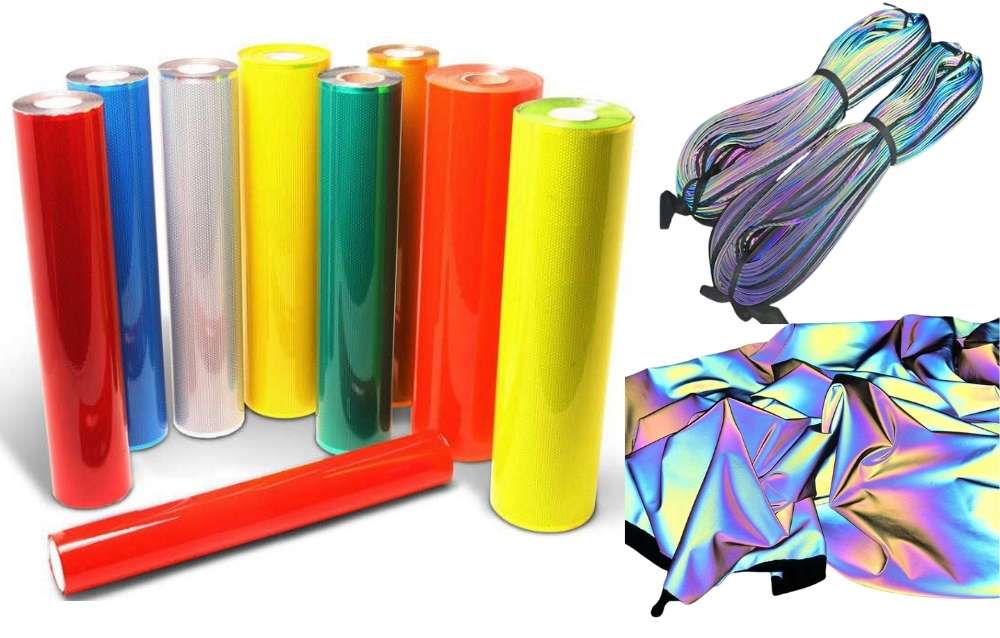
Reflective material is a type of passive material that works on the principle of retroreflection (return reflection). It means, this material will bounce off the light rays directly to its source.
Because, when light hits the object, it will be absorbed by material or reflected back. Further, you don’t need to provide any additional power due to the passive nature of reflective material.
What is Reflective Material Called?
Due to its retroreflection property, you can identify any person or object in low light. That’s why it is also known as retroreflective or high visibility material. However, reflective materials cannot create light on their own. They will be visible to you when any external light source hits them. For example: car headlights or flashlights.
Reflective Materials Examples
Below are the common examples of reflective materials:
- Glass
- Aluminium Foil
- Glossy Paint
- Mirrors
What is Reflective Material Made Of?
The composition of this material involves the combination of various raw materials and technologies. For instance: engineers place the tiny glass beads and microprisms or tiny prisms shapes inside a coat or film.
Then, you can apply this coating on plastic, metal or fabric. As a result, the surface of plastic or metal can reflect the light back to the direction of the light source.
How Does Reflective Material Work?
Suppose you are wearing a safety vest and a car headlight strikes it. The small bead and prisms which are placed inside the vest will catch the shine of vehicle headlights.
Then, the reflective elements reflect a large amount of light back to the driver. As a result, the vehicle driver can notice you easily in the dark. This is how reflective materials actually work.
Most Reflective Materials
Below we list the elements that can bounce back large amounts of light as compared to other reflective materials.
Reflective Materials List
- Glass & Acrylic reflectivity is 99%
- Silver (range is 95-98 %) is the most reflective material for light.
- Mylor reflectivity is 98%
- Aluminium reflectivity ratio is 90%
Most Reflective Material on Earth
Well, spectralon are considered as the highly reflective material on the earth. You will find it white and it has an extremely reflective nature. Spectralon man made material and it can bounce back 99% of light which strikes it.
You can use this material when you need a surface which can perfectly reflect light. Most scientists use it in labs, cameras, sensors and light testing tools.
Types of Reflective Material
| Types | Properties and where to use |
| Reflective Heat Transfer Vinyl | Durable and resistant to temperature and UV radiations. You can use it in the construction and logistics industry. |
| Retro Reflective Material | It can handle fading and is made with glass beads. You can use it for railway signage. |
| Glass Bead Reflective Material | Good brightness at night and has a smooth surface. Use in the aviation and sports industry. |
| High Luster Reflective Fabric | This material has a shiny and glossy appearance. Mostly used in accessories and event setup. |
| High Visibility Reflective Fabric | Highly resistant to rust and fading. It is good for industrial machinery or equipment. |
| Reflective Ceiling Material | It can bounce light back into the room. Common use is in commercial spaces. |
| Engineer-Grade Retroreflective Sheeting | Can stick well to flat or slightly curved surfaces. You can use it for warehouse and parking safety products. |
| Microprismatic Reflective Material | Extremely reflective and long lasting. You will find it in outdoor items such as helmets. |
| Ordinary Reflective Fabric | It is made of simple reflective coating best for short term and less critical applications. |
| Flame Retardant Reflective Fabric | Can resist moisture and handle harsh work environments. You should use it for construction & mining safety tools. |
| Heat Reflective Material | It is lightweight and flexible. Industries like aerospace and automotive trust it for heat reflection. |
| Reflective Sheet Material | You can easily cut and convert it into your desired shape. Best for vehicle marking and road markers. |
| 3M Reflective Material | It is durable and has high quality retroreflectivity. You can use it for warehouse & factory safety lines. |
15 Uses of Reflective Materials
You can use reflective materials in a wide range of industries and products manufacturing. Following are the common applications of reflective materials.
1. Safety Apparel
Reflective materials are the best choice for safety clothes such as vests, jackets, emergency responder items and uniforms. With its use, you can make your workers highly visible in low-light conditions. It also reduces the risk of accidents.
2. Construction and Traffic Safety Products
You can use reflective materials in cones, barriers, road signs and tape. These safety items are used to alert drivers and pedestrians. They also improve visibility at night and in poor weather.
3. Reflective Material For Windows
You can apply reflective material on windows to reduce heat and glare. Here, companies use special reflective films or coatings to properly bounce sunlight away. You can keep interiors cooler and save energy as well.
4. Reflective Insulation Material
It is the best option if you want to insulate buildings and industrial set-ups to reduce heat transfer. You can install high visibility material in walls, roofs, garage doors and ducts. In most cases, aluminium foil is the best reflective option for insulation of heat.
5. Sportswear and Activewear
Due to its extreme reflective nature, there is a high demand for reflective materials in sports and activewear industries. So, you can keep athletes visible when they are busy in practice during early morning or at night. Reflective items include running jackets and shoes.
6. Reflective Material Clothing
There is a high chance of accidents and injuries when warehouse workers are not visible to forklift drivers or other machinery. Hence, you can use reflective fabric such as hats, safety vests, pants or tapes. This way, you can provide safety for all people in the working environment.
7. Labels, Decals & Branding
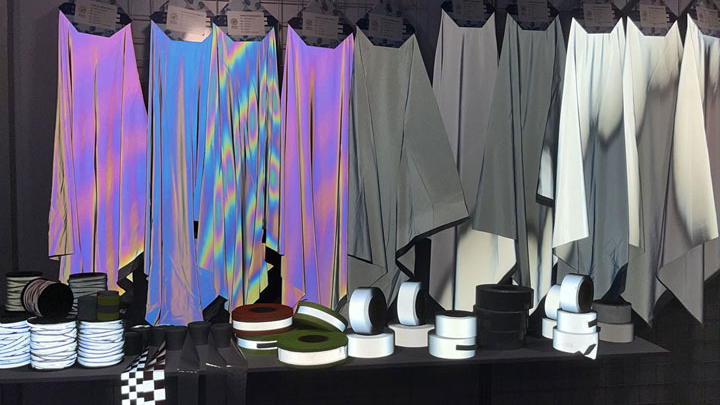
With reflective materials, you can make your business logo, equipment sticker, sign or product markings more noticeable to the audience. Further, you can keep your brand’s promotional items or hazard signs visible for a long time. It is because reflective elements can handle harsh conditions well.
8. Low Light Areas
Generally, light reflective material is ideal for safety in low visibility zones. For example: the workers who are involved in mine or tunnel activities must use reflective materials or fabric. This will reduce the accident and injury chances at your work area.
9. Reflective Material Jacket
One of the most common applications of reflective material is in high visibility jackets. These jackets are important PPE for workers engaged in construction, emergency services, road maintenance and utility operations.

10. Warning Signs
Cautions signs which are made with reflective materials have an important role in the safety of roads and workplaces. Suppose, you are driving on a road and suddenly you notice a warning sign. As a result, you can slow down your car and can avoid danger.

11. Fire-Resistant & Footwear Applications
If you are someone who deals with flames, heat, chemicals or heavy machinery, you should wear fire resistant clothes and footwear. Because, reflective materials are also used in these items to provide workers extra safety.
12. Reflective Material Tape
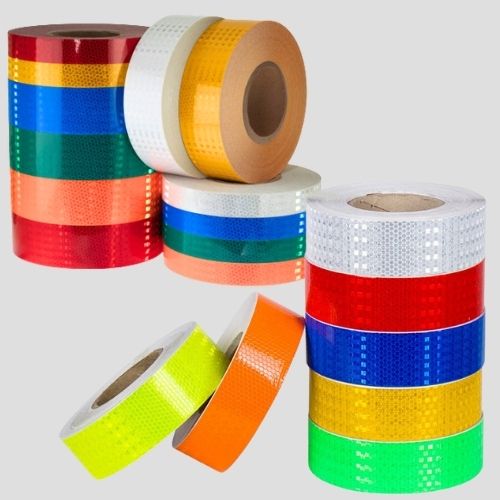
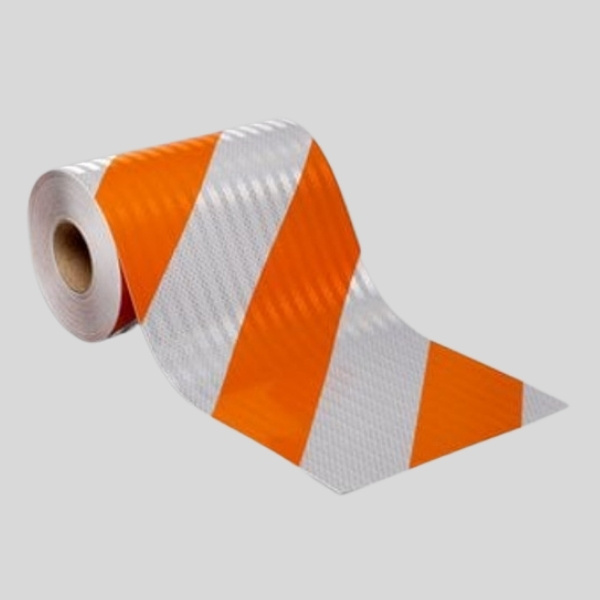
One of most common products which use reflective materials is high visible tapes. There are a wide range of colors and widths of reflective tapes available. You can use these tapes to highlight danger zones, stick it on clothes, helmets and machinery.
13. Reflective Material For Grow Room
A grow room simply is an indoor space where you can grow plants when outdoor conditions are not suitable. To boost the growth of plants, you can use reflective materials. Because, these materials spread light evenly across all plants. So, each plant can receive enough sunlight from all sides.
14. What is the Reflective Material in a Mirror
In reflective mirrors, a thin coating of aluminum or silver is used. Well, this layer is mostly applied to the back of a glass sheet. Later, when lights hit the mirror, this layer sends this light back.
15. Workplace Safety Items
You can use reflective sheets in many workplace safety products. For example: gloves, harnesses, armbands, hats with shiny strips and raincoats. These items keep workers visible around heavy machinery and forklifts.
Reflective Material Benefits
There are various advantages of reflective materials across different sectors and aspects of life. Following are major benefits when you have reflective materials in your products.
- Better visibility
- Reduced accident risk
- Stronger light reflection
- Works in all weather
- High durability
- Heat protection
- Energy savings
- Easy to apply
- Low maintenance
Reflective Material Regulatory Compliance
| Standards | Requirements |
| EN ISO 20471 | It divides reflective materials in three classes such as Class1 (low visibility), Class 2 (medium visibility) & Class 3 (high visibility) |
| ANSI 207 STANDARDS | ANSI set standards for high visibility public safety pearls. It covers performance, color, retroreflectivity & minimum background material for safety vests |
| OSHA Act OSH Act, 29 U.S.C. §654(a)(1) | This rule requires reflective items to be yellow, green or orange. They cover at least 155 sq. inches for Class 1, 201 sq. inches for Class 2 & 310 sq. inches for Class 3 garments |
JACKWIN’s Safety Products Made From Reflective Materials
We are the professional manufacturers of road and traffic safety products. In Jackwin’s factory, reflective materials are used to produce a wide range of safety items. You can use these gears for maximum visibility and protection for workers.
- Traffic Cones
- Traffic Safety Signs
- Delineator Posts
- Reflective Sheeting
- Reflective Tapes
- Road Marking Glass Beads
- Road Studs
- Traffic Lane Separators
- Spring Posts
- Road Marking Paint
- Safety Guardrails
- Convex Traffic Mirrors
Wrapping It Up
Reflective materials have a great impact on your safety and reduce the accident ratio. But you should always choose high-visibility material that meets all safety standards of ANSI and OSHA.
We can proudly say our all safety products are manufactured according to legal regulation, strict inspection and high quality reflective materials. You can get our full range of items at a competitive factory rate. Contact us today!
FAQs
How Long Does Reflective Material Last?
Reflective material can last 6 months to 15 years or more. Well, its durability can be changed according to type, quality, usage and exposure to sunlight. With proper care and protection from harsh chemicals, you can extend the life of this material.
Can You Wash Reflective Material?
Yes, reflective material can be washed. But, you should use mild detergent and cold water. Avoid bleach and high heat, because they can damage the reflective surface and reduce its brightness.
What Material Reflects 99% of the Light?
Spectralon is a material that reflects about 99% of light. It is a highly reflective & man-made material used in laboratories and scientific equipment for accurate light measurement.


