

-80x69.png)
When you need to work around large vehicles or heavy equipment, it is a risky job and can be dangerous. Drivers mostly have blind spots and can hit obstacles. That’s why you require a trained person like a spotter to guide movements.
In today’s guide, you will understand the spotter’s major duties, job types, locations where they are required and safety equipment used by the spotter.
What is a Spotter?
What does spotter mean? A spotter is a trained person who guides vehicle operators when it is hard to move a vehicle or object. They notice any possible danger, monitor high risk work zones, site conditions and warn you before something gets damaged. Spotters are also called safety observers.
Suppose, you are driving an oversized vehicle on a mining site and need to move it in tight space or workers. In this case, the spotter will stand in a safe place, watch machines, obstacles and assist you to move safely.
What Does a Spotter Do?
A spotter acts as your “eyes and ears” when you drive a vehicle or operate equipment. They watch for dangers you may not see.
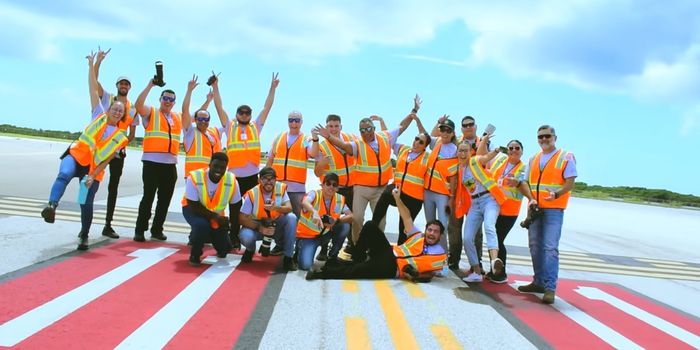
5 Responsibilities of a Spotter
The spotter duties and responsibilities can change based on type of job, but the main responsibilities include:
-
Use Standardized Hand Signals or Radios
Spotters communicate with hand signs or a two way radio that you both agreed on. That means you and the spotter have to understand signals or sign rules before you start work. So that the operator and safety observer can perform their duties without any confusion. Due to clear communication, you can move safely and avoid accidents.
-
Assess Hazards At Sites
The major role of a spotter is to check the work area and path before you operate vehicles or equipment. For example: assess hazards such as uneven ground, power lines, objects in the way and monitor safety zones as well. Also make sure no workers or other people stand in the work area. So, people can stay away from moving vehicles or machines.
-
Maintain Constant Visual Contact
Mostly, the heavy or large equipment driver cannot see drivers clearly. This is why the possibility of accidents is always high. A spotter’s job is to stay where you can see them clearly all the time. They watch both the operator and the area around the machine.
The spotter must stand in a safe place but stays visible. As a safety observer, you should never stand in blind spots or near places where you can get trapped.
-
Act as Safety Watchdog
It’s the main part of a spotter’s responsibility that they should not do anything that leads to distractions. You should keep your full focus to guide drivers, watch for any possible dangers, stop work in unsafe conditions and advise the supervisor when required.
-
Maintain Clear Environment
A spotter makes sure the work area stays clear of obstacles and people. You have to remove anything which can block the vehicle or machine. It’s also important to keep the area clean and organized, so machines move safely and don’t hit anything.
What a Spotter Must NOT Do?
- You should never leave your position unless you give control to another trained spotter.
- Never assume the machine operator or driver can see everything and have a clear view.
- Spotters do not continue work in case safe distances or safety zones are at risk.
- It’s dangerous when you avoid the use of safety tools or do other tasks (use cell phone or headphones) when you are on your spotting duty.
- You should never stand in front of/behind equipment or between the machine.
Types of Spotter Jobs
Construction Spotter
What is a spotter in construction? A construction spotter is a safety professional who assists you in moving vehicles safely on construction sites. For example: they guide cranes, trucks, bulldozers, excavators and earthmoving equipment around obstacles and workers. Truck spotter hand signals keep the work area safe.

Forklift Spotter
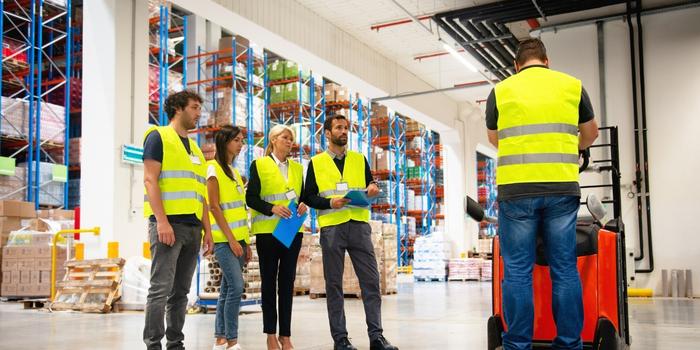
This type of spotter watches and guides operators so they can move loads safely according to forklift spotter hand signals. One of major forklift spotter responsibilities is to make movement danger free where visibility is limited.
They also monitor overhead hazards, pedestrian traffic plus guide you around safety barriers. Mostly, forklift operators are required in industries like warehousing and shipping.
Electrical Spotter
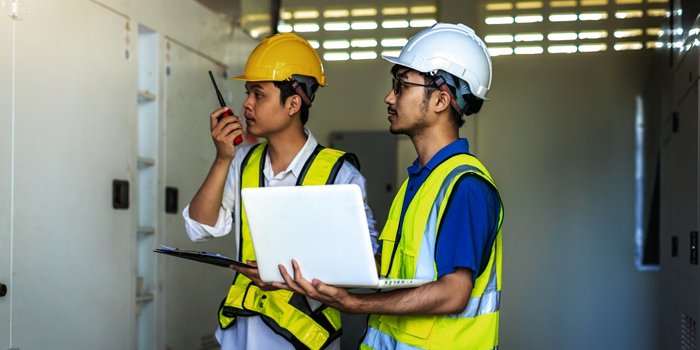
A highly trained person who keeps equipment and workers safe near power lines or electrical systems. They make sure crew follow safety procedures and avoid contact with live electrical equipment.
Electrical safety observer requirements include awareness of electrical safety rules and attention to detail. Also, you must be able to read maps that show the location of underground utilities & overhead lines.
Vehicle Spotter
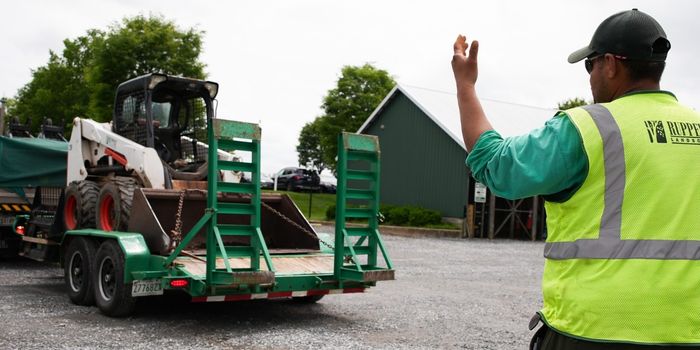
Vehicle spotters are also known as banksmen and marshals. They guide you when maneuvering a vehicle in tight or crowded spaces. They warn you about any possible hazard.
You mostly see this role in construction, in warehouses and in transport hubs where large vehicles operate. Remember, a good vehicle safety observer stays focused and communicates clearly.
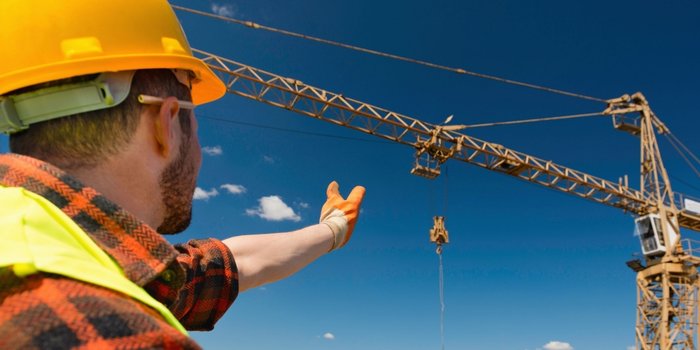
Crane Spotter
The job of a crane spotter is to inspect the crane and its components to identify any potential issues. This way, you can make sure the machine is capable of handling the load you planned. During the operation, the crane spotter monitors the load and also watches for problems.
For instance: unstable load movement, load getting too close to nearby obstacles, or twisted chains. In case of any risk, the safety observer quickly informs the crane operator and signals to stop lift right away.
Severe Weather Spotter
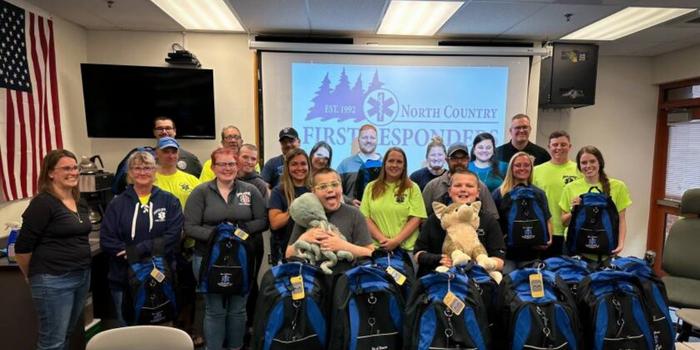
Severe weather spotters observe storms in their local area. Further, these spotters look for signs of storms, strong winds, heavy rain or tornadoes. They report real-time weather conditions to agencies. This information warns people and keeps communities safe.
When Should a Spotter Be Used?
You need a spotter when your job requires constant watching and quick warnings. Below are some common examples of situations where you need a spotter.
Elevated Work Platform (EWP) & Work at Height
You need a ground based spotter when an EWP moves/rotates close to edges or structures. They watch for possible crush or entrapment risks. Plus, a spotter is useful when people may walk under the machine or near its working area. You must use a spotter when you cannot see clearly because of the crowd or poor light.
High pedestrian Traffic & Limited Space
These include public zones, warehouses, tunnel & urban construction sites. You must use a spotter because you cannot see everyone or every obstacle in such crowded or tight areas. They guide you safely and prevent collisions with people or objects.
Installation of HVAC Units or Concrete Barriers
A spotter is needed because heavy items can be hard to move and place safely. They guide your movements and warn you about hazards. This way, you can avoid accidents or damage during installation.
Perform Operation Near Overhead Power Lines
You always hire a spotter to make sure machines or loads stay a safe distance from power lines. They help you to avoid accidental contact during lifting and moving tasks. Spotters also check for changing conditions such as wind or uneven ground, to provide you maximum safety.
Trenching Work/Excavation
Spotters are always required to monitor how workers and machines move around each other. So that, you can make sure people stay away from excavation areas and other restricted zones. They also assess problems such as cracks, water leakage, spoil piles, safe entry/exit points or ground movement.
Which Equipment Needs a Spotter?
If you want to operate following machines, you should hire a spotter for safe work.
| Type of Equipment | Spotter Role During Work |
| Rollers and Compactors | Make sure no one walks into the operating path and over uneven terrain |
| Wheel Loaders | Monitor side and rear clearance and warn in case pedestrians enter the hazard zone |
| Backhoes | Coordinate digging and material movement in close quarters or near other machinery |
| Forklifts | Prevent collisions in high pedestrian areas and confirm safe stacking/unstacking of materials |
| Haul Trucks & Dump Trucks | Guide backing, loading plus unloading to minimize the risk of rollovers or accidents |
| Bulldozer | Analyze rear zones and guide movements in tight construction areas to avoid collisions |
| Excavators | Keep the surrounding area clear during swinging or backing plus avoid overhead/underground hazards |
| Cranes | Assist with load placement, pedestrian exclusion zones & swing path clearance |
Spotter Signals
Stop (most important one): Hold one or both arms out with palms toward the driver.
Turn left or right: Point one arm in the direction to turn. Then, bend your other arm toward your head repeatedly to show the driver to keep turning.
Move Forwards: Hold one hand forward and move it like you are pushing to show the driver go ahead.
Backwards (Backup): Point one hand behind you and make a pulling motion.
Proceed Slowly: Spotter moves both hands up and down in slow motion with the palm facing down.
Distance To Stopping Point: Raise your hands above your head, palms forward and then bring them together in front of you.
Emergency Stop: Start with your hands together above your head and move them down again and again until the vehicle stops.
Distance Left To Back: Use hands to indicate how much space is left.
Stop Reversing: A spotter needs to extend arm with an open palm facing forwards.
OSHA Spotter Requirements
OSHA does not have any special rule which requires a spotter for every job. According to their general rules, you should arrange someone on the worksite to keep workers, pedestrians, equipment and the site safe. This person is generally a spotter.
OSHA spotter regulations say that employers should train spotters so they understand risks, site challenges, use correct signals and communicate clearly with operators during backovers.
Spotter Safety At Work
You need to follow below instructions for the safety of the spotter to keep them safe so they do their job properly and protect everyone on the worksite.
| Spotter Safety Tools/Practices | Instructions |
| Provide PPE | Spotter must wear high visibility vest, safety helmets, shoes, ear muffs, dust mask and eye protection |
| Clear communication | Employers have to make sure the driver and spotter understand hand signs or radio codes |
| Safety training | You should teach spotters about the possible dangers at each work location |
| Use signs & cones | Spotter must use safety cones, barriers, stop/slow paddle or sign to show safe paths and rules |
| Set up exclusion zones | You have to confirm that only spotters and authorized workers have access in the work area |
How To Become a Spotter?
First of all, you must have a high school diploma or GED. You will also need to understand the use of equipment. You have to provide proof of proper licenses such as a Commercial Driver’s License (CDL), along with a clean driving record.
Because, you also need to operate and maintain machines and warehouse equipment like tractor trailers, trucks, forklifts and hoisting machines. To get a spotter certificate, you should also complete a spotter or traffic control certification program available in your region.
Spotter Salary
This table compares the salary of a spotter in various cities. In March 2026, the difference in salaries among the top 10 cities of the United States was only 5%.
| City | Yearly Salary | Monthly Salary | Weekly Pay |
| Berkeley, CA | $44996 | $3749 | $865 |
| Sitka, AK | $44270 | $3689 | $851 |
| Tacoma, WA | $43527 | $3627 | $837 |
| San Francisco, CA | $43296 | $3608 | $832 |
| Nome, AK | $45586 | $3798 | $876 |
| Sunnyvale, CA | $43130 | $3594 | $829 |
| Santa Clara, CA | $43159 | $3596 | $829 |
| San Jose, CA | $43069 | $3589 | $828 |
| Medical Lake, WA | $45141 | $3761 | $868 |
| Livermore, CA | $43106 | $3592 | $828 |
Conclusion
We can say that you need a spotter on your worksites including construction, warehouses, mining & transport areas. According to WorkSafe rules, you must hold a valid spotting license to perform your spotting duties.
As an employer, you should provide proper safety gears to spotters. JACKWIN is a professional manufacturer and supplier of safety tools such as vests and helmets. Contact us now to get a quick quote.
FAQs
What is a Qualified Spotter?
A qualified spotter is a trained person in safe site or equipment operations, holds a safety certificate, completes spotter training and has basic knowledge of workplace safety rules.
What Are Common Spotter Hazards?
Spotters are always at risk if you don’t take safety precautions and provide safety gear. For example: spotters may be hit by vehicles, get caught in moving parts, or trip and fall on uneven ground.


