

-80x69.png)
There are nearly 2670 workplace fires occurring every year in the USA. These fire incidents cause approximately 70 deaths and 287 injuries. Only electrical issues cause nearly 45% of these fires.
With a proper workplace fire prevention plan and rules, you can tackle this issue. Results show that workplace fire accidents drop by around 25% with only fire safety training. Today, we will explore many other ways to prevent fires at your workplace.
What is Fire Prevention?
Fire prevention means practices or steps that you follow to reduce the risk of fire in your workplace or community. The main goal is to avoid dangerous fires and its impact on the environment.
For this purpose, you should check for anything that can cause sparks or burns. If you notice faults, it’s also important to fix problems before they create danger.
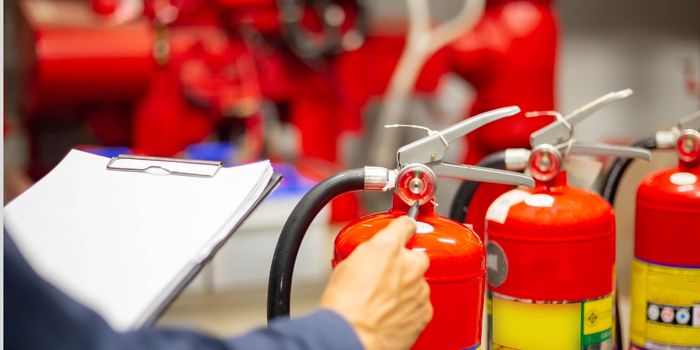
Why Fire Safety is Important?
As we all know, fire can cause injuries, destroy property, stop work and threaten lives as well. Hence, when you follow fire safety rules, you will get the following benefits.
- Support public safety
- Prevents injuries
- Minimizes financial loss
- Reduces property damage
- Reduce harm to the environment
- Business operations maintenance
- Employees protection
- Increase productivity & profit
- Compliance with safety regulations
Workplace Fire Prevention Tips
Fire prevention involves various processes, rules, precautions and awareness to keep your workplace free from danger. Below are fire safety rules which workplace owners and workers must follow.
1. Fire Risk Assessment
It is the most important precaution that you should follow as a responsible person. You have to review and identify areas, equipment, materials or tools which can lead to fire. The installation of a fire detection and warning system is also useful.
2. Fire Safety Training
According to OSHA fire safety regulations, employers must train workers about fire hazards and show how to use fire equipment. You have to teach them safe ways to evacuate during an emergency. In this way, you can keep your team confident and ready to react in case of fire hazards.
3. Electrical Safety/Cable Protection
The damage and faulty wire are one the most common reasons for fire in workplaces. You must check all electrical equipment and cables to identify damage. You should keep wires organized and away from heat. In electrical system protection, cable protector, wires cover, electrical tape and fire hose ramps are useful tools you can use.
Also see: Ultimate Guide to Electric Safety in Your Workplace
4. Fire Control Devices
You must have fire control devices such as sprinklers and alarms in your workplace. With these devices, you can stop a fire quickly. You should do regular checks to make sure they work when you need them. Also, everyone must know how to use them safely.
5. Flammable Materials Handling
You need to store flammable materials like chemicals, fuels or papers in the right place. It’s important to keep them away from heat, sparks, open flames and wires. When you want to use or shift these materials, you have to follow safety rules and properly.
6. Smoking Policies
One carelessly dropped cigarette starts a dangerous fire in seconds. So, you have to set and follow strict rules about smoking at the workplace. Never smoke near flammable chemicals. You need to make sure smoking areas are well-ventilated and safe.
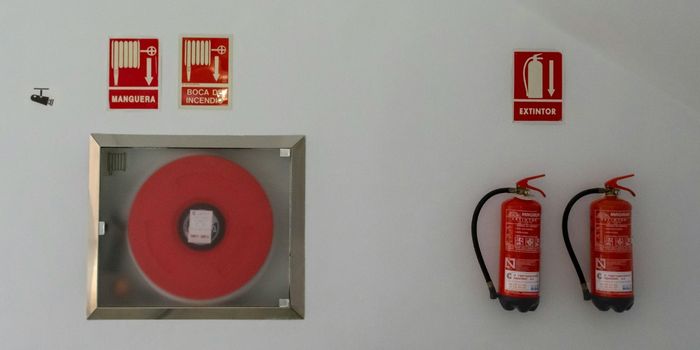
7. Fire Safety Signage
You should install fire safety signs to guide everyone during an emergency. Because, signs show exit routes, fire extinguisher locations, emergency instructions and hazards. With clear and visible workplace signs, you can act quickly and stay safe.
8. Fire Detection and Suppression
You can install fire detectors like smoke and heat alarms to spot fires early. The regular maintenance of these tools is required. Hence, systems can work properly when you need them. With early detection and fast action, you can save lives and property.
9. Emergency Plan
You must create a clear plan for what to do if a fire starts in your workplace. The plan shows escape routes, assembly points, safety precautions and who to contact. You can practice the plan regularly, so workers also know how to act quickly.
10. Good Housekeeping
In offices or construction sites, housekeeping is an ideal set-up to prevent fire hazards. You should keep your workplace clean and organized. Plus, remove trash and clutter from work areas. You have to store materials safely and always keep walkways clear.
11. Maintain Fire Safety Equipment
The regular inspections and maintenance of fire safety tools is also required. So, you must check extinguishers, alarms, fire escape ladders and sprinklers for any fault. In case of any damage, you can replace or repair broken equipment.
12. Assign Fire Marshals/Fire Warden
You can assign fire marshals or wardens for the maximum fire safety at your workplace. They guide people to exits during a fire. Fire marshals also conduct drills and teach staff how to act in an emergency.
13. Regular Fire Drills
With fire drills, you can train your team to respond quickly in a real fire. They show the fastest escape routes and proper use of fire equipment. These practices generally reduce panic and make sure everyone knows their role during a fire emergency.
14. Fire Extinguisher
A fire extinguisher lets you stop small fires before they spread and turn into dangerous situations. However, you must know the types of extinguishers and how to use them safely. You have to check them regularly to make sure they are full and properly functional.
| Fire Extinguisher Types | Applications |
| Class A | For common flammable materials such as wood, paper and cloth |
| Class B | You can use it for flammable liquids such as grease, gasoline or oil |
| Class C | Use for electrical fires |
| Class D | It is best for fire prone metals |
| Class K | For kitchen fires caused by hot oil and fat |
15. Keep Exits Clear
All exits and pathways of the workplace must be free from obstacles. Because, blocked exits can slow down evacuation and increase danger. Hence, you should always check that doors open easily and escape routes are visible.
16. Fire Prevention Triangle
Basically, the fire prevention triangle shows you three things a fire needs to burn. These include heat, fuel and oxygen. When you control or remove any of these elements, you can prevent fires at the workplace.
5 Common Workplace Fire Causes
There are many things in a workplace which can lead to fire. You must know these potential risks, so you can keep your workplace and workforce safe.
- Fault in fuel supplies: Leaks, spills or damaged fuel lines can catch fire easily. Also, fuel vapors can catch fire from sparks.
- Faulty electrical appliances & leads: Damaged wires, plugs, circuits or appliances can create sparks. And, electrical sparks can start a fire quickly.
- Items Placement too close to a heat source: If you put materials near heaters or machinery, they can catch fire easily. Hence, poor placement is a common reason for sudden fires.
- Misuse of equipment/appliances: Improper use of tools and appliances is a general cause of workplace fires. Because overheated machines or wrong usage can create fire risk.
- Arson: Arson refers to setting a fire on purpose to cause damage. Unfortunately, it is a deliberate act, not an accident.
Fire Prevention vs Fire Protection
| Fire Prevention | Fire Protection |
| Fire prevention involves stop fire from starting | Fire protection means reducing damage after a fire starts |
| You need to risky areas like overloaded outlets and flammable substances | It involves use of alarms, smoke or heat detectors to locate fires |
| Stops dangerous activities such as indoor smoking | Uses fire extinguishers and suppression systems to control fire |
| You must focus on rules, awareness, set-ups and safe practices | You have to install equipment like alarms & sprinklers to prevent fires. |
| It is proactive approach to keep employees and property safe | It is a reactive approach an minimize damage to people and property from fires |
Fire Safety Rules and Regulations
The Regulatory Reform (Fire Safety) Order 2005 (FSO) is the main law for fire safety. It applies to all workplaces. The responsible person must check fire risks and maintain fire safety measures.
The fire safety act 2021 says, you should also assess external walls, flat entrance doors & building structures. Fire safety & building act 2022 give extra duties to owners.
Fire Protection Association
Fire Protection Association (FPA) is a UK organization. This firm sets legal fire safety standards. It provides guidance, training, tips and resources to prevent workplaces and manage fires. FPA also supports businesses in meeting legal fire safety requirements.
Fire Safety Rules in the Workplace
| Employers Duties | Employee’s Duties |
| Create a safe & risk free workplace | Follow fire safety rules and plans prepared by employers |
| Provide and maintain fire safety equipment at free of cost | Use fire prevention tools safely with right method and care |
| Owners must conduct fire risk assessments | Workers have to report hazards immediately to responsible person |
| Develop and communicate emergency plans | Leave the building quickly during a fire |
People Also Ask
Who is Responsible for Fire Safety in the Workplace?
At the workplace, fire safety is everyone’s responsibility. The employer must provide safe equipment, training, tools and clear fire procedures. You must follow the rules, attend training as well as report hazards to keep everyone safe.
How Often Do You Need To Do Fire Training?
You should conduct fire training at least once a year. New employees need training when they start work. However, refresher training should plan regularly to keep everyone prepared for emergencies.
What Are the 7 Layers of Fire Safety?
- Fire Prevention
- Fire Detection & Alarms
- Early Suppression
- Compartmentation
- Evacuation
- Structural Fire Resistance
- Firefighting & Emergency Services
What is the Fire Emergency Number in the UK?
The fire emergency number in the UK is 999. You can call this number if there is a fire or life-threatening situation. You should always provide your location and follow the operator’s instructions, too.
Conclusion
Fire risks can start at any time in the work area. As a responsible owner or worker, you have to follow safety standards, attend training, regular inspections and be ready for unexpected situations.
If you need guidance or warning signs to install in your workplace, JACKWIN is your perfect partner. We also offer electrical safety products. You can contact us anytime!


