


In 20th century, engineers mainly focused on road design strategies that made travel fast without delays. But recently, urban planners and Government authorities are creating more balanced streets. As a result, people will be able to drive and walk safely. For this purpose, traffic calming measures are used.
Therefore, we wrote this guide to discuss everything you should know related to traffic calming. You will learn about several traffic calming methods, their benefits and modern devices for speed control.
What is Traffic Calming?
Traffic calming actually means physical measures and road design methods. You can use them to slow down traffic and make streets safe for everyone. With these devices, you can reduce speeding and prevent crashes. This will create a danger free space for drivers, pedestrians, cyclists and other road users.
Traffic calming started in the Netherlands in the 1960s. People created a new street design called woonerf. The approach gave more importance to walking and cycling. Later, other countries used this idea and called it traffic calming.
Traffic Calming Zone
A traffic calming area is a location where different traffic calming measures work together to improve road safety. You can mostly find these zones in residential neighbors or areas with heavy pedestrian traffic.

Traffic Calming Methods Explained
Traffic engineers and urban planners use several techniques to control vehicle speed and keep pedestrians safe. Below we listed the main methods of traffic calming.
Horizontal Deflection Traffic Calming
Horizontal deflection creates a side-to-side shift (horizontal path) in vehicle movement. These changes encourage you to decrease your car speed and turn/change direction slightly. So that, you can safely and comfortably bypass the area.
Vertical Deflection Traffic Calming
Vertical deflection traffic calming uses raised areas on the road to slow down traffic. They create an upward movement in your path. These features naturally make you reduce your car speed if you pass over them.
Most Effective Traffic Calming Measures and Devices
Following are some of the most effective traffic calming measure and types of traffic calming devices you can use.
1. Speed Humps/Bumps
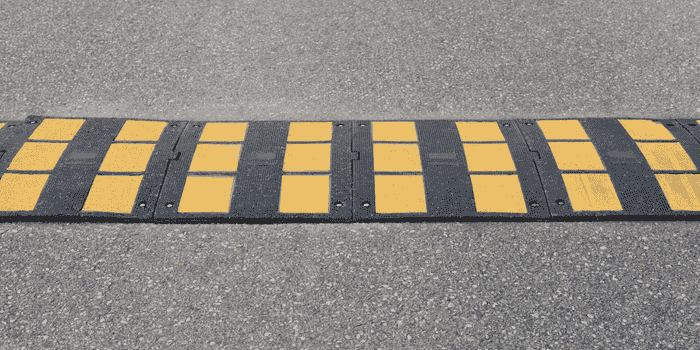
Speed bumps are one of most common traffic calming measures in residential areas. They are approximately 3 inches high and 10 to 12 feet in length. These vertical devices mainly slow down traffic on low-speed roads.
Advantages
- With the installation of speed humps, you can minimize speeding and improve safety for everyone.
- They reduce traffic accidents and control motorist volume in your desired area. Humps lower vehicle speeds by 20 to 30%.
- Plus, speed bumps cut speeds by 50% to 80%. They also decrease pedestrian injuries by 60%.
Material: Rubber, asphalt, concrete and recycled plastic
Locations: Residences, school zones, parking lots, hospitals, apartment complexes & private roads.
2. Raised Pedestrian Crossings
Raised pedestrian crossings are marked crosswalks. Engineers built them higher than the normal road surface or at the same level as the sidewalk. This way you can create a safe crossing area for pedestrians.
Benefits
- These crossings decrease motorist speed in case they bypass this raised section. As a result, children, older adults or people with disabilities can easily cross. In addition, they increase the visibility of the crosswalk.
- According to Australian research, raised pedestrian crossings can reduce casualty crashes by 63%.
Material: Asphalt, poured concrete or modular recycled rubber
Uses: School zones, residential sites, shopping areas, parks, hospitals & city centers.

3. Speed Cushion
Speed cushions are raised areas on the road with gaps. They make it comfortable for wider vehicles such as buses and emergency vehicles to pass. You will find them 3 to 4 inches tall and 6 to 12 feet long.
Benefits
- Speed cushions cause less discomfort for bus passengers and emergency responders.
- They improve road safety, reduce traffic noise, don’t damage your car as well as create safe streets for pedestrians/cyclists.
- Most speed cushions control motorists speeds to around 15 to 20 mph.
- Another positive aspect is they delay fire engines and ambulances only for 2 to 9 seconds.
Material: Rubber, asphalt, concrete or recycled plastic
Common Places: local residential streets designated as fire routes, school zones, neighbors and collector streets.

4. Speed Tables
Speed tables are vertical sections of the road with a flat top and sloped sides. They are longer and smoother as compared to speed bumps. Most speed tables have a height of 3 to 3.5 inches. Plus, they are 10 to 22 feet in length.
Advantages
- You should prefer speed tables if you want balanced traffic control, less vehicle tear, minimal delay for ambulances and maximum foot traffic safety.
- A study found that speed tables showed 28% drop in 85th percentile speeds and a 15% reduction in average car speed.
- They also contributed to a 28% decrease in motorist collisions.
Material: Asphalt, concrete, rubber & paving blocks
Uses: School zones, pedestrian crossings, residential streets, shopping areas, parking areas and neighborhood roads
Related: Speed tables vs speed bumps

5. Gateway Treatments
Gateway is designed to mark the entrance of the community. They alert drivers when they enter low-speed areas such as villages or residential areas. Gateway treatment is most popular in the UK and Europe. Sometimes, you will also notice lane shifts, lighting, fences, decorative signs, landscaping and public artwork combined with gateways.
Advantages
- They keep you more aware about speed limits in new areas.
- Its additional features make the transition smooth to residential streets, school zones or town centers.
- Gateway treatments encourage drivers to follow traffic rules.
- Studies found that they reduced vehicle speeds up to 4 -10 mph (even when no pedestrians were nearby).
Material: Concrete, asphalt, brick pavers and colored pavement.
Applications: Residential neighborhoods, school zones, town entrances, city centers, business districts & private communities

6. Roundabouts / Traffic Circles
Traffic circles and roundabouts are circular intersections. You can use them to travel in one direction (counterclockwise) around a central island. The purpose of this traffic calming design is to make you slow down. You must yield to traffic already inside the circle.
Advantages
- Roundabout keeps traffic movement smooth without long stops and decrease delays.
- They also improve safety for drivers, pedestrians & cyclists. In this way, they lower the chance of serious crashes.
- These road design features are highly effective to drop vehicle conflicts.
- Road safety researchers note 90% reduction in fatal crashes and 76% in injuries related incidents.
Material: Asphalt, concrete, brick pavers, curbs and landscaping.
Suitable Areas: Urban intersection, residential colonies, school areas, commercial districts, highways and town entrances.

7. Raised Intersection
If the entire intersection is built higher than the surrounding road surface, it is called a raised intersection. They create a flat and raised area where you have to slow down. You will also see marked crosswalks in this zone, which improve pedestrian safety.
Benefits
- They minimize car speeds and make drivers more aware of pedestrians and other road users.
- With this approach, you can provide safe crossings and create a more comfortable walking environment.
- These raised safety platforms (RSPs) generally produce greater speed reductions. It ranges between 5 km/h and more than 7 km/h.
- Also, a study by Makwasha and Turner found that raised intersections reduced operating speeds by approximately 7.5 km/h.
Material: Concrete, asphalt, brick pavers or stone blocks.
Uses: Residential neighbors, downtown areas, school zones, pedestrian-friendly streets, shopping districts and busy intersections.

8. Chicanes
Chicanes are traffic calming features which add curves or bends to a straight road. They change the road alignment and encourage motorists to slow down when they pass through the area. They mostly include curb extensions, islands, planters or parked cars to create the curved path. Chicanes are also known as priority narrowing and single-lane working chicanes.
Positive Effects
- They do not create any discomfort for drivers and passengers.
- Most chicane designs also allow cyclists to pass through or around them easily.
- In addition, emergency vehicles can move through chicanes faster as compared with raised treatments.
- These horizontal traffic calming treatments cut the ratio of crashes to approximately 29%.
- You can expect motorists to travel at around 21 mph through single-lane chicanes and 23 mph between consecutive chicanes.
Material: Concrete, asphalt, curbs, rubber and landscaping materials.
Location: Residential streets, school zones, neighbouring roads, village streets, pedestrian areas or community streets.
9. Bollards
Bollards are strong vertical posts. You can install them along roads, sidewalks or public spaces to guide or restrict vehicle movement. They separate pedestrian areas from motorists areas. You can find them in fixed, removable, flexible and custom designs.
Advantages
- They protect pedestrians and public areas from accidental or unauthorized vehicle access.
- You can also improve traffic control and create safe spaces for walking and cycling.
- Crash-rated bollards can stop cars if they travel at 50 mph and weigh up to 15,000 pounds. We recommend you to combine bollard with tools like steering wheel locks to prevent car theft.
Material: Steel, stainless steel, concrete, aluminum, rubber and plastic
Locations: Sidewalks, pedestrian zones, bike lanes, parks, shopping areas, building entrances and parking areas etc.

10. Shared Streets
These are low-speed roads where drivers, walking people and cyclists share the same space. They work without curbs, signs or traffic signals. In these areas, automobiles act as guests and travel at walking speeds. This makes the street a more flexible public space for everyone.
Advantages
- Shared streets decrease the dominance of motorists. As a result, pedestrians and cyclists stay safe and comfortable.
- This improves community interaction and makes streets more attractive for residents and visitors.
- These streets can reduce motorists speed to around 10-20 mph, which lower traffic conflicts.
- They work best in areas with high pedestrian activity where slow vehicle movement is priority.
Material: Brick pavers, concrete, asphalt, stone, landscaping materials & street furniture.
Location: Downtown area, residential neighborhood, shopping street, town center, plazas and pedestrian friendly zone
11. Choker
You can narrow the width of a two way road at specific points to design chokers. This way, you can expand the sidewalk or curb into the roadway. It creates a smaller driving space and encourages drivers to slow down. They are also called neckdown or pinch points.
Main Benefits
- Chokers reduce the speed of motorists and make it easier for people to cross the street.
- They also create a more organized and controlled traffic flow.
- Chokers can decrease the 85th percentile speed (the speed at or below which 85% of drivers travel).
- According to the Federal Highway Administration (FHWA), they work best if they create a noticeable road narrowing.
Material: Concrete, asphalt, curbs, brick pavers and landscaping materials.
Location: Residential street, neighbourhood road, school zones, pedestrian areas, community streets & urban roads.
12. Curb Extensions (Bulbouts)
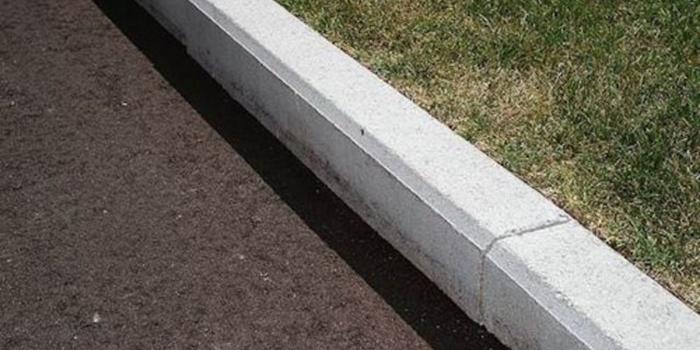
Engineers extend the sidewalk area into the roadway to create curb extensions. They minimize the crossing distance for pedestrians and narrow the vehicle lane. This design encourages drivers to slow down near intersections and crossings.
Advantages
- Curb extensions make crossings shorter and more visible to you.
- They also reduce the speed of automobiles, prevent illegal parking near corners as well as create space for benches or street features.
- Intersections with curb extensions experience approximately 13% fewer reported traffic crashes.
Material: Concrete, asphalt, brick pavers, landscaping materials or curbs
Uses: Intersections, pedestrian crossings, school zones, downtown streets, shopping areas & residential neighborhoods.
13. Lane Narrowing
In this technique, you need to reduce the width of vehicle lanes. For this purpose, you can add wider sidewalks, bike lanes, curb extensions & road markings to create a narrower driving space.
Advantages
- They decrease crash severity and create space for bike lanes.
- It also allows you to support green infrastructure and uses existing road space efficiently.
- Several studies suggest that if you reduce lane widths for dedicated car lanes, you can save road space, minimize construction costs, improve traffic efficiency and support safer highway design.
Material: Concrete, asphalt, paint markings, curbs, bollards and planters.
Locations: Residential streets, urban roads, school zones, commercial place and pedestrian-friendly streets
14. Speed Dips
Speed dips are also called sunken speed bumps. They are traffic calming features that lower a section of the road surface. This forms a shallow depression. If you drive over the dip, the downward and upward movement encourages you to decrease speed.
Advantages
- With speed dips, you can control traffic and reduce reckless driving in areas where safety is a major concern.
- They are a low cost solution to promote safety for nearby communities.
- Speed dips are highly effective for low speed roads where drivers need a strong reminder to slow down.
Material: Asphalt, concrete, rubber & recycled plastic.
Recommended Areas: Residential street, rural road, parking areas, private roads, low-speed zones and community streets.
15. Road Diet
It is a traffic calming strategy in which engineers decrease the number or width of vehicle lanes. For example: you can change a four-lane road into a three-lane road with a center turn lane, bike lanes or wider sidewalks.
Advantages
- Road diets decrease speeding and improve pedestrian/cyclist safety
- They make streets easy for you to cross and provide more space for walking & biking.
- Further, they cut vehicle crashes around 19 to 47% and conflicts between cars and walking people.
Material: Paint markings, asphalt, concrete, curbs, bollard plus bike lane separators
Locations: Urban roads, residential streets, commercial areas, school zones, street with excess lane capacity and community corridors
16. One-Way To Two-Way Street Conversions
If you convert a one-way street into a two-way street, it allows vehicles to travel in both directions. You can use this traffic control approach to improve access to local businesses and create predictable traffic patterns.
Effectiveness
- It makes intersections crash free and easy for pedestrians to navigate.
- They also create a more natural traffic flow and reduce confusion for drivers.
- Businesses on two way streets get more exposure because motorists can pass from both directions. So drivers can reach stores more easily, which can increase customer visits.
Material: Road marking, traffic signs, traffic signals, curbs, asphalt or pavement changes
Location: Downtown areas, residential neighbours, commercial streets, urban corridors and older city streets.
17. Modal Filters
Model filters are best traffic calming measures if you want to restrict certain types of motorists from a road. This allows pedestrians and sometimes emergency vehicles to pass. They are also called traffic diverters or permeable filters.
Advantages
- They decrease noise, improve air quality as well as make residential areas more pleasant.
- Traffic diverters are highly useful to decrease vehicle traffic on local streets and improve safety for foot traffic.
- They work best in areas where communities want to decrease shortcut driving and create calmer streets.
Material: Bollards, concrete barriers, planters, gates, removable posts or landscaping materials.
Locations: Residential area, city centers, pedestrian zones, cycling routes or low traffic streets.
18. Cul-De-Sacs
A cul de sac is a road. It has only one entrance and exit and ends in a circular area where you can turn around. The term originated from French and means “bottom of the sack”. In urban planning, you can use cul-de-sacs to limit through traffic and control vehicle movement in residential areas.
Benefits
- These roads minimize traffic volume and speeding on residential streets.
- They create comfortable areas for children and control noise pollution.
- Homes near cul-de-sacs have larger backyards and unique lot layouts. You can attract more buyers because many people prefer these properties.
- Overall, it increases building value by up to 20% as compared with similar homes on regular streets.
Material: Asphalt, concrete and curbs.
Locations: Housing communities, suburban areas or private developments.
19. Dead Ends
Dead end streets are roads where you will find no outlet for vehicles and you have to stop at a specific point. They limit through traffic because you have to return on the same route you entered.
Advantages
- Reduce traffic volume, lower speed, create safer streets for pedestrians and make neighborhoods more secure.
- They prevent shortcut traffic and control traffic movement in residential areas. So you will get calmer environments with fewer vehicle conflicts.
Material: Same paving and structural materials as standard roadways.
Suitable Places: Suburban areas, private streets & housing communities
20. Boom Barrier
Boom barriers are gates with a horizontal arm. You can raise and lower them to control vehicle access. They allow only authorized motorists to enter or leave the area. You can also operate them manually or automatically.
Advantages
- Boom barriers improve security and prevent unauthorized automobile access.
- You can decrease congestion at entry and exit points with these barriers.
- Automatic boom barriers can open and close within 2 to 6 seconds. It allows quick access and maintains security.
Material: Steel, aluminum, galvanized metal, rubber and reflective materials.
Locations: Parking lots, gated communities, toll plazas, commercial building, industrial sites, airports and private facilities.
21. Raised Midblock Crossings
Raised midblock crossings are elevated crosswalks. You will notice them between intersections where people cross the road. They raise the crossing to sidewalk level, which makes it more visible and forces drivers to slow down.
Effectiveness
- These crossings decrease speeding and encourage drivers to yield to pedestrians.
- They can decrease vehicle speeds to around 15 to 20 mph (24-32 km/h) and lower the risk of pedestrian crashes.
- They work best on roads with regular pedestrian activity between junctions.
Material: Concrete, asphalt, rubber & paving blocks.
Locations: School zones, parks, residential street, shopping areas, hospitals and university campuses.
22. Rumble Strips
If we talk about rumble strips, they are raised or grooved patterns on the road surface. You will feel vibration and noise if you drive over them. It warns drivers to slow down and stay focused.
Benefits
- These strips alert distracted or sleepy drivers.
- They prevent lane departures and cut the risk of crashes.
- Rumble strips also decrease run-off-road crashes around 50%.
- They are most effective on high-speed roads and before intersections or sharp curves.
Material: Asphalt, concrete, thermoplastic and epoxy.
Locations: Highways, rural roads, approach to intersections, sharp curves, toll plaza or work zones.

23. Median Barrier
You can place these safety barriers in the center of divided roads or highways. They separate traffic moving in opposite directions and block vehicles entry into oncoming lanes. Generally, you will observe them on high-speed roads with narrow medians and heavy traffic.
Effectiveness
- They can redirect out of control cars and decrease the risk of serious head-on collisions.
- These barriers also decrease the severity of accidents on high speed roads.
- With them, you can decrease the number of fatal collisions and cross median crashes to 97%.
Material: Concrete, steel, cable wire or reinforced concrete.
Recommended Places: Highways, expressways, freeways, divided roads, bridges and high-speed corridors.
24. Pedestrian Refuges
Pedestrian refuges are raised islands. Civil engineers built them in the center of a road. They give walking people a safe place to stop and cross wide or busy roads. They make it safe for you to cross the road in two stages and watch traffic coming from one direction at a time.
Advantages
- These traffic islands improve pedestrian safety and reduce the need to cross all traffic lanes at once.
- They drop pedestrian crashes around 32% to 40% and promote safety on roads with heavy traffic.
Material: Concrete, asphalt, brick pavers, curbs plus reflective marker
Where You Observe This: Busy roads, school zones, shopping areas, urban streets, intersections, midblock crossings and near public transport stops.

Non Physical Traffic Calming Measures
Non physical traffic calming methods use awareness, information, education and driver behavior techniques to encourage safer speeds. Unlike active traffic calming measures such as speed humps, you do not need to use road obstacles to slow drivers.
However, you can use them together to improve road safety and achieve better results. This table will show you common passive traffic control tools which you can use.
| Non-physical traffic calming method | Details |
| Road markings/Road lines | Painted lines on roads which guide drivers and improve lane discipline |
| Warning sign | They alert drivers about upcoming hazards, pedestrian areas, speed restrictions or traffic changes |
| Surface material & texture Changes | Changes in road surface look such as colored pavement or rough surfaces make drivers more aware and encourage slower speeds |
| Speed trailer or radar speed sign | These portable electronic displays vehicle speed limit and remind drivers to slow down whenever they exceed that limit |
Innovative Traffic Calming Measures
Innovative traffic calming measures are modern solutions. They use advanced technology and smart designs to manage traffic speed. These are some modern traffic control systems.
- AI-based speed monitoring systems
- Smart speed bumps
- Automated license plate recognition (ALPR) systems
- LED road markings
- Solar-powered traffic calming devices
- Vehicle-activated warning signs
- Intelligent road studs
- Noise activated traffic signs
- Smart traffic cameras
- Virtual speed humps
Conclusion
This was the complete list of traffic calming devices and methods which you can use to control speeding. To select right approach, we advise you to consider traffic conditions and safety concerns in your area. Then, you can compare the above listed options and choose solution which fits your site.
If you want to purchase traffic calming devices for your project, JACKWIN is your perfect partner. We manufacture a wide range of premium solutions such as rubber speed bumps, barriers, bollards, safety signs and other traffic safety products. Contact us today for free consultation and affordable quote.
FAQs
Do Speed Bumps Reduce Accidents?
Speed bump is a very effective traffic calming solution. They control vehicle speeds and drop crash risks. Plus, they make you slow down to around 10 to 15. This improves your reaction time, so you avoid dangerous collisions.
How To Get Traffic Calming on Your Street?
If you want a speed hump on your street, you need to follow the city’s official request process. You can contact your Public Works Department. They will review the request through its Neighborhood Traffic Management Program (NTMP) and approve your petition.
Do It Yourself Traffic Calming?
To safely reduce neighbours’ traffic speeds, you can use Tactical Urbanism. It is a temporary street improvement. These solutions include painted planters, reflective posts and temporary curb extensions.


