


According to OSHA report, work at heights and falls are major causes of death in the construction industry. In 2018, fall accident is the reason of approx. one in four construction deaths. Hence, you must take proper safety steps to protect workers.
So today, we will tell you how you can avoid work at height hazards. We will also discuss fall protective equipment you should use and rules you need to follow.
Work At Height Meaning
Work at height definition as per osha means when you work in any place where you can fall 6 feet (1.8 meters) or more to a lower level. For example: if you climb up or come down from a work area, perform maintenance work, construction/repair activities and work near edges.
Generally, a height of 4 feet is the minimum height which is considered overhead work. But, this height rule is unique in different countries.
Working at height in Australia: Anyone working at two meters (6.56 ft) or higher must use proper fall protection equipment. The tools you used for safety must meet Safe Work Australia’s standards.
Working at height in US: In America, you are at fall risk when you perform duties at a height of four feet in general workplaces, eight feet in longshoring, five feet in shipyards & six feet in construction.
Working at height in UK: According to Health and Safety Executive (HSE) rules, you need fall protection if you are above ground or floor level, have risk of injury due to fragile surface or edge and can fall into a hole from ground level.

What is Classed As Working At Height?
What constitutes working at height? In this section below, you will see which jobs or situations count as working at a high level and when you need to take extra safety measures.
- Work with the use of ladders or step ladders at height
- Perform tasks on rooftops or sloped surfaces
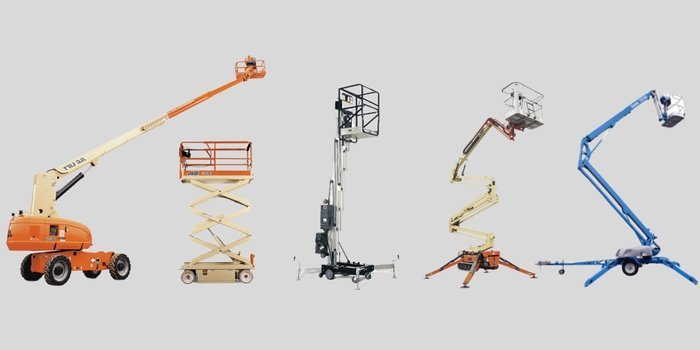
- Use of raised platforms or aerial lifts
- Activities near an excavation or trench/deep pits
- Construction of bridges, towers or tall structures
- Install and repair overhead lighting or safety signs
- Access high shelves or storage racks in warehouses
- Move on scaffolds or elevated walkways
Work At Height Hazards
Is working on heights a safety hazard? Elevated work is always a serious safety danger. Below are major dangers of working at heights or risk you have when you are above ground level.
- Falls from ladders
- Slips and trips on rooftops
- Falling objects
- Structural collapse
- Poor weather conditions
- Falls from scaffolding
- Electrical hazards
- Unsafe access or egress
- Falls into trenches or excavations
- Inadequate fall protection
- Human error or lack of training

Work At Height Safety Procedure
Work on height control measures are steps and guidelines you need to use, so you can prevent falls.
Conduct Area Inspection
Before you start any task at height, you should conduct a site inspection. For example: you need to check surface condition, edges, nearby hazards and height of the task. This way, you can spot risks and prevent accidents before you begin work.
Work At Ground Level
You should always try to do the task at ground level as much as possible. This is one of the safest control measures if you work in tall areas. Because it totally removes the risk of falling. When you avoid tasks at height, you can protect yourself from serious injuries.
Elevated Work Platforms
You must use elevated work platforms such as mobile elevating work platforms (MEWPs) to reach high areas safely. It lifts you to a higher place. so you can perform your tasks safely. This machine gives you a stable area to stand on to do duties above the ground.
Provide PPE
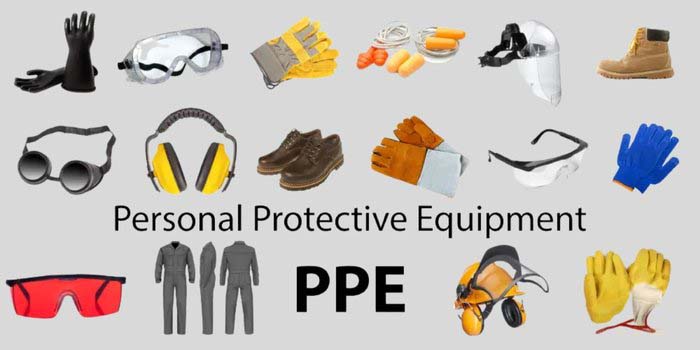
Personal protective equipment or personal fall protection is one the most important systems which a manager must provide when the situation requires it. PPE provides last line protection for workers who work at high buildings. These include full body harnesses, lanyards, safety helmets, non slip shoes, eye protection, rope access and high visibility vests.
Collective Protection
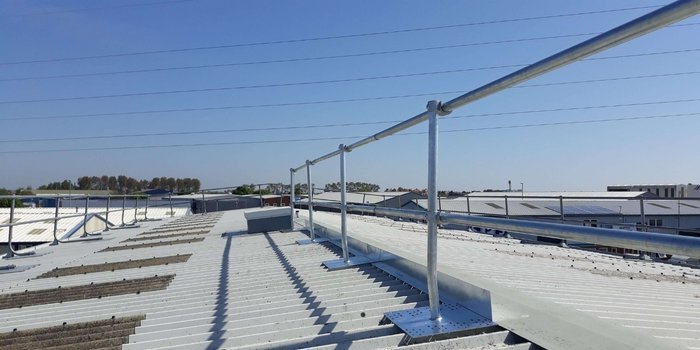
Collective systems are mostly automatic/passive. That means, safety does not depend on workers to remember the use of their equipment correctly. These systems include properly designed work platforms with guardrails, safe access points, mid rails & toe boards.
They also cover scaffolding set up which is modified and inspected by trained personnel. Other examples are edge protection, barriers around roofs, covers or decking and soft landing systems. They are installed below work areas when edge prevention is not possible.
Ladders and Step Ladders
According to HSE rules, you should only use ladders or step ladders when options like scaffolding or MEWPs are not possible. They are best for your short tasks which take less than 30 minutes to be done. But, you have to make sure to use the right type of ladder which is in good condition and set up in the correct way.
Competence
Competence means the knowledge of how to use equipment safely and follow safety rules. As a supervisor or employer, you have to make sure that workers have the right skills and experience for the job. Low risk jobs (less height work) require basic awareness but practical experience is required for high-risk work.
Work on Height Training
Health and safety training teaches workers how to identify hazards during work at high levels and the correct use of safety equipment. During training, you will learn the safe use of ladders, inspection of scaffolds, use of fall protection systems (harnesses), and emergency rescue procedures to prevent accidents.
Who needs working at heights training? Anyone who works at height or has a risk of fall, including employees, supervisors & rescue personnel.
PPE Inspection
The availability of PPE or fall protection equipment is not enough. OSHA requires proper inspection of them. You must train workers to use it correctly and check it regularly.
Because eye and face protection only works when it is in good condition. So, you must inspect it carefully. You have to include regular checks of PPE in your company’s work at height permit system. If any tool is damaged, you must replace it right away.
Fall Distance and Fall Clearance
Jobs at height require the knowledge of fall distance and fall clearance. Fall distance is the total length of possible fall. However, fall clearance is the space you need below to stop workers safely without hitting the ground or obstacles. When you calculate them, you can choose the right safety tools and prevent serious injuries.
Acceptable Anchor Point
Anchor point is a strong and secure place where you can attach your safety harness. If we talk about a proper anchor point, it is not a PVC pipe or a decorative steel piece. It is only acceptable when designed by a professional engineer and can hold 5000 pounds.
Proper Use of Aerial Lifts
It is important to follow the correct procedure when you use aerial lifts. For example: you should always check that the lift is stable and on a firm surface before you climb. Workers must stay inside the guardrails and avoid overloading the platform. Also, use safety harnesses when required. This way, you can prevent dangerous falls.
Safety of Fragile Surfaces
Fragile surfaces such as old roofs, skylights, weak floors or glass can break under your weight. Hence, you should avoid work directly on them. You need to use safety platforms, protective barriers, warning signs and guardrails to protect yourself when you need to work above the ground.
Emergency & Rescue Plans
You must have emergency and rescue plans in advance when need to perform tasks above ground. This way, you can easily handle any unexpected dangers. These plans should include ways to safely protect workers in case they fall. With clear and practical procedures, you can keep everyone safe and reduce the risk of fatal injuries.
Work At Height Precautions
You can use below tools or systems to prevent fall related danger or problems.
Guardrails/Railings: You must install guardrails or railings around edges or elevated areas. They act as a safety barrier and protect workers from falling accidentally.
Safety Nets or Fall Protection Covers: Safety nets or fall protection covers are strong enough to catch you when you fall from a height. This way, they provide extra protection below elevated work areas.
Personal Fall Protection Equipment: You should never avoid the use of personal fall protection devices like lanyards and safety ropes. These tools keep you secure above ground and at dangerous heights.
Restraint System: A restraint system is ideal to block workers’ access to edges which has fall risk. It keeps you in a safe area, so you can perform elevated tasks.
Soft Landing Systems: Soft landing systems like air bags or cushioned mats also reduce injury if a fall occurs. You should use them in places where other safety measures may not fully stop a fall.
Hierarchy of Control Measures For Work At Height
The structured safety framework is designed to reduce fall risks. Hierarchy of fall protection arranges most & least effective control measures in order (from top to bottom).
| Hierarchy of Fall Protection | What to Do | Examples |
| Avoid working at height | Do the work at ground level if possible | Use a reach and wash system instead of a ladder to clean windows |
| Training & supervision | Train workers and supervise them | Workers must know safe practices and equipment use |
| Fall prevention equipment | Install systems that stop falls | Guardrails, barriers, nets or harnesses |
| Equipment suitability | Make sure the equipment is strong and stable for the task | Assess risks and confirm the equipment can handle them |
| Regular checks/maintenance | Inspect and maintain safety equipment | Check before work, schedule regular inspections plus fix faults |
| Provide PPE | Give personal protective equipment to workers | Fall arrest harnesses & hard hats |
| Safe work environment | Reduce additional hazards in the area | Watch for power lines, weather conditions or slippery surfaces. |
| Emergency rescue plan | Plan how to rescue workers safely in case of a fall | Include rescue methods and injury response |
Work At Height Legislation
Work at Height Regulations 2005: The rules under this law are straightforward. For example: you have to properly plan your job on height and all operations supervised by a competent person. Further, risk assessment is largely required under these regulations. The employer must provide equipment to reduce the distance and impact of any fall.
Health and Safety at Work etc. Act 1974: The Health and Safety at Work Act 1974 sets duties for employers. It requires them to protect the health, safety, as well as welfare of their employees who work in high buildings.
Management of Health and Safety at Work Regulations 1999: According to this law, employers must check for risks and take steps to keep workers safe. It is also important for employers or site managers to follow these regulations together with work at height standards 2005.
Conclusion
Work on tall buildings needs careful planning and the right safety steps to implement. All the procedures, tools, steps and rules we shared are approved and widely used to prevent height related accidents. So, you must follow them to keep your workplace safe.
If you want a professional supplier of fall protective equipment, you can trust JACKWIN to make your project safe. We provide guardrails, safety nets, barriers and safety signs at wholesale rate. So, contact us now!
People Also Ask
What is Work At Height Permit?
The permit is a formal written approval that confirms the safety measures are in place before anyone works at height (above 1.8 meters or 6 feet). Further, it checks risks, equipment conditions plus requires trained workers.
What Are Toe Boards Used For When Working At Height?
Toe boards (also called kickplates) are safety barriers which you can place at the edges of elevated work areas such as mezzanines and roofs. They stop tools and debris from falling and protect people below.
What is the Safe Wind Speed For Working At Height?
According to OSHA guidelines for safe wind speed, you should stop work when winds reach 40 mph or more. In case the workers also need to handle material at height, this limit is lower around 30 mph. At this wind speed, the risk increases because it is hard for workers to control objects.


